
What an employer is actually asking
Nobody hiring for a first job expects prior experience in that job. That is what first job means. What they are trying to establish is narrower and much easier to evidence: will you turn up when scheduled, can you be taught, will you take responsibility without being chased, and can you be trusted around customers, money or equipment.
Every one of those can be demonstrated without ever having been employed. Two years of turning up to training. A club you were treasurer of. A younger sibling you got to school every morning for a year. A thing you built and finished. Reframing the page around those four questions, rather than around a job history you do not have, is the whole exercise.
Finding the material
Work through these categories and write down everything, before deciding what is good enough. Filtering too early is how people end up with a three-line resume.
- Informal and paid work: babysitting, tutoring, yard work, dog walking, helping in a family business, freelance anything.
- School: projects that produced something, competitions, prizes, subjects relevant to the role, a leadership position.
- Clubs, teams and societies: what you organised, how many people, how long you stayed.
- Volunteering: the organisation, the role, and the hours or duration, which is what makes it credible.
- Self-taught work: a website you built, a channel you ran, a game you modded, a language you learned to a stated level.
- Certifications: first aid, food handling, lifeguarding, a driving licence, a completed online course with a real assessment.
Structuring the page
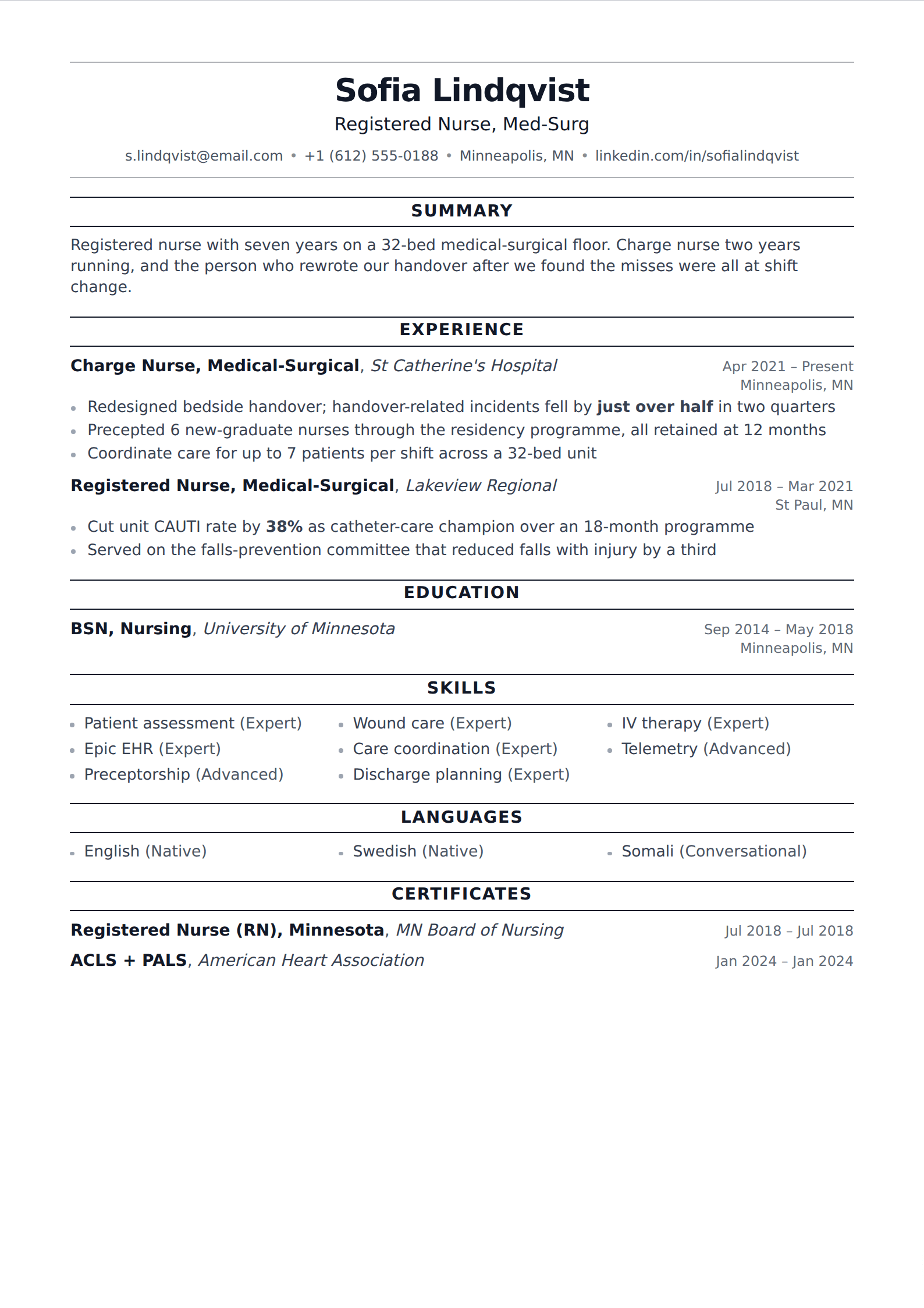
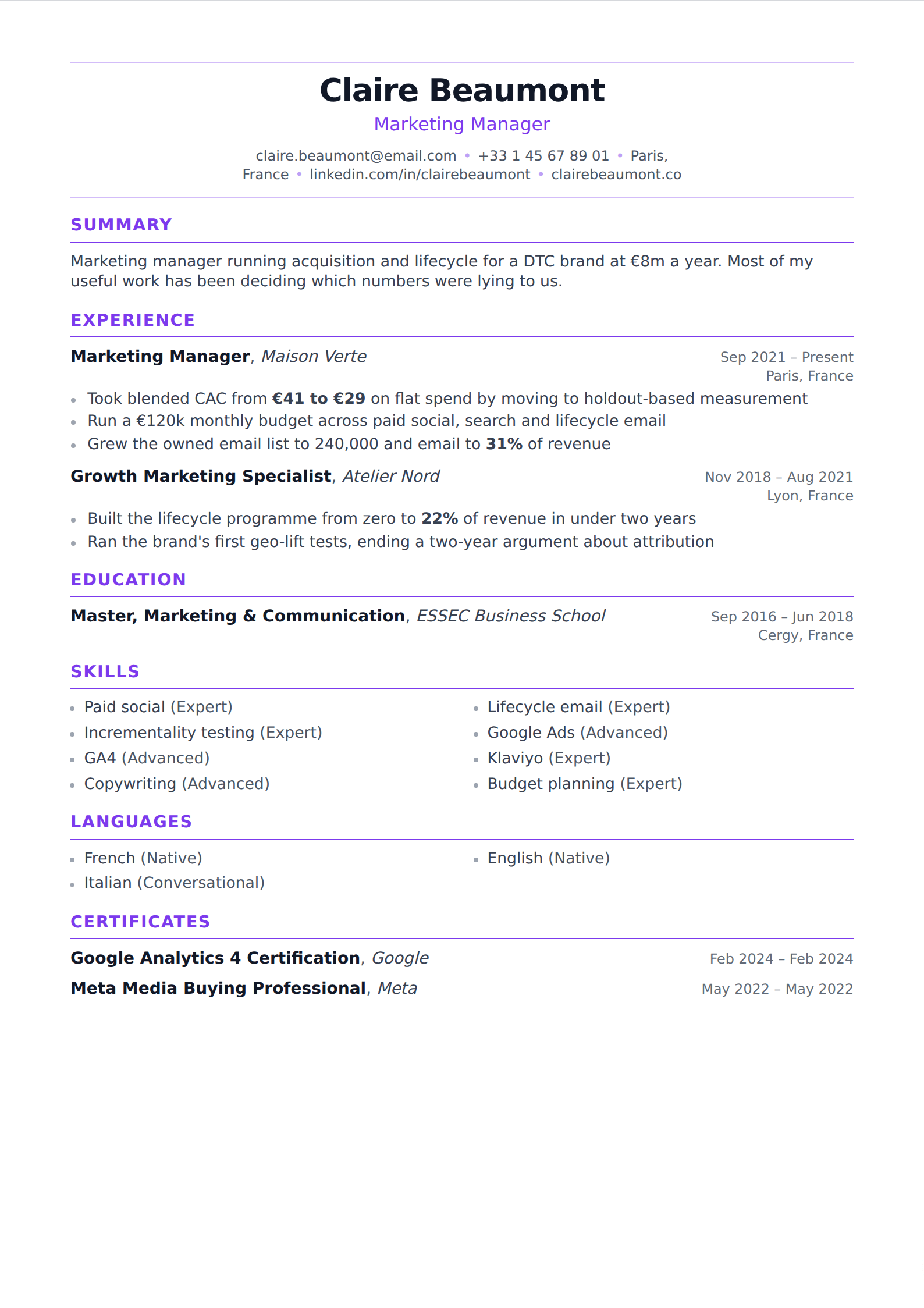
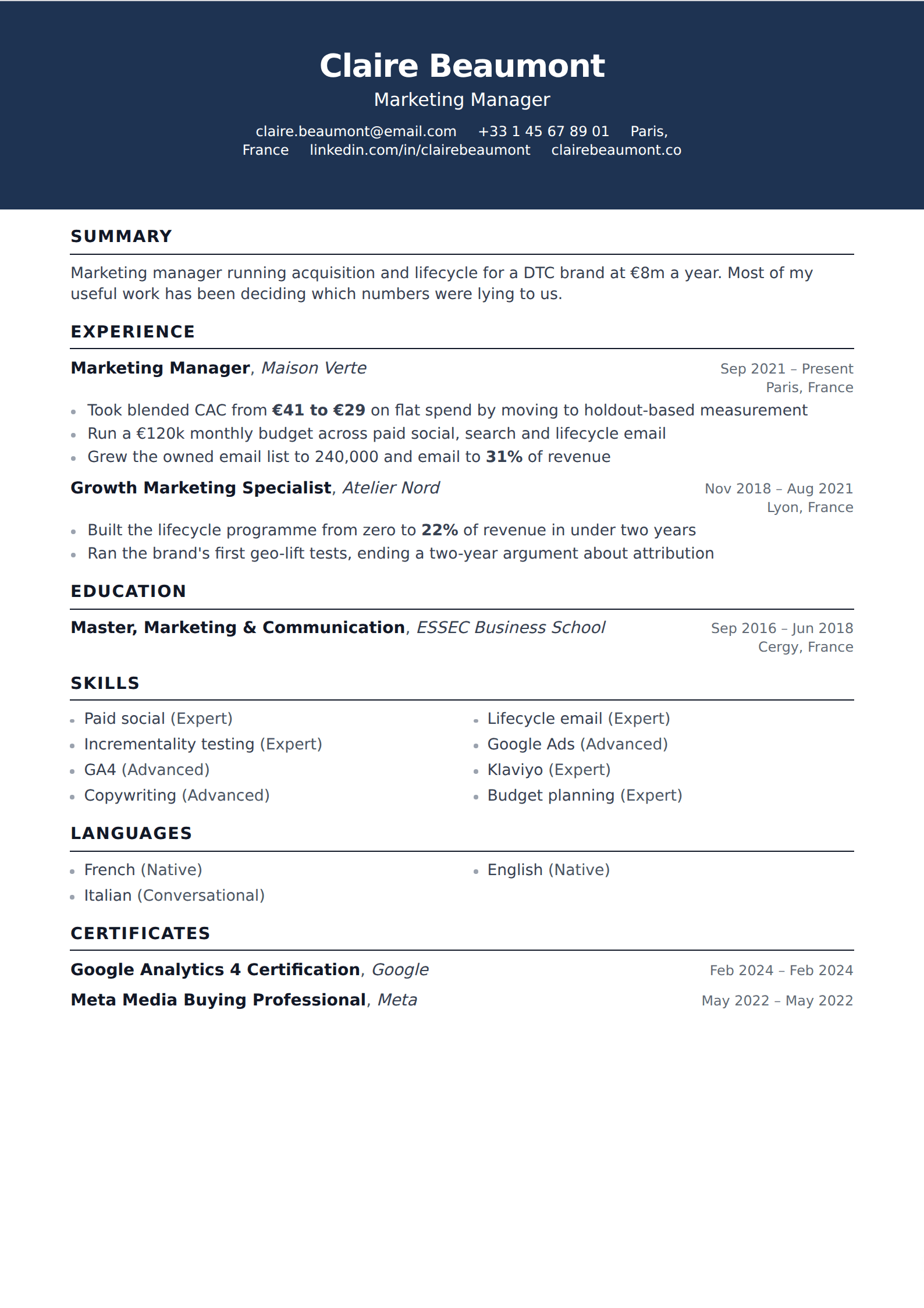
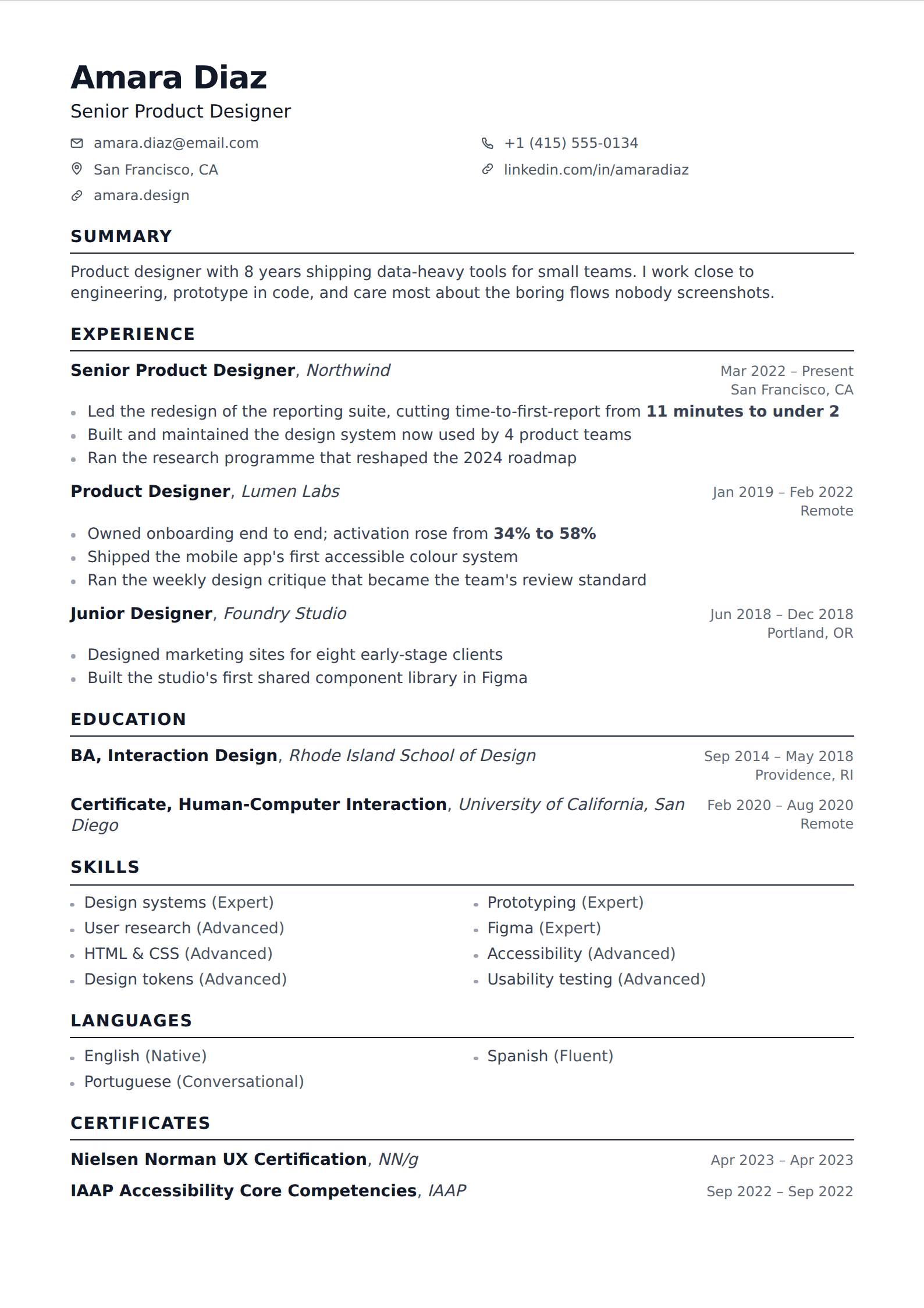
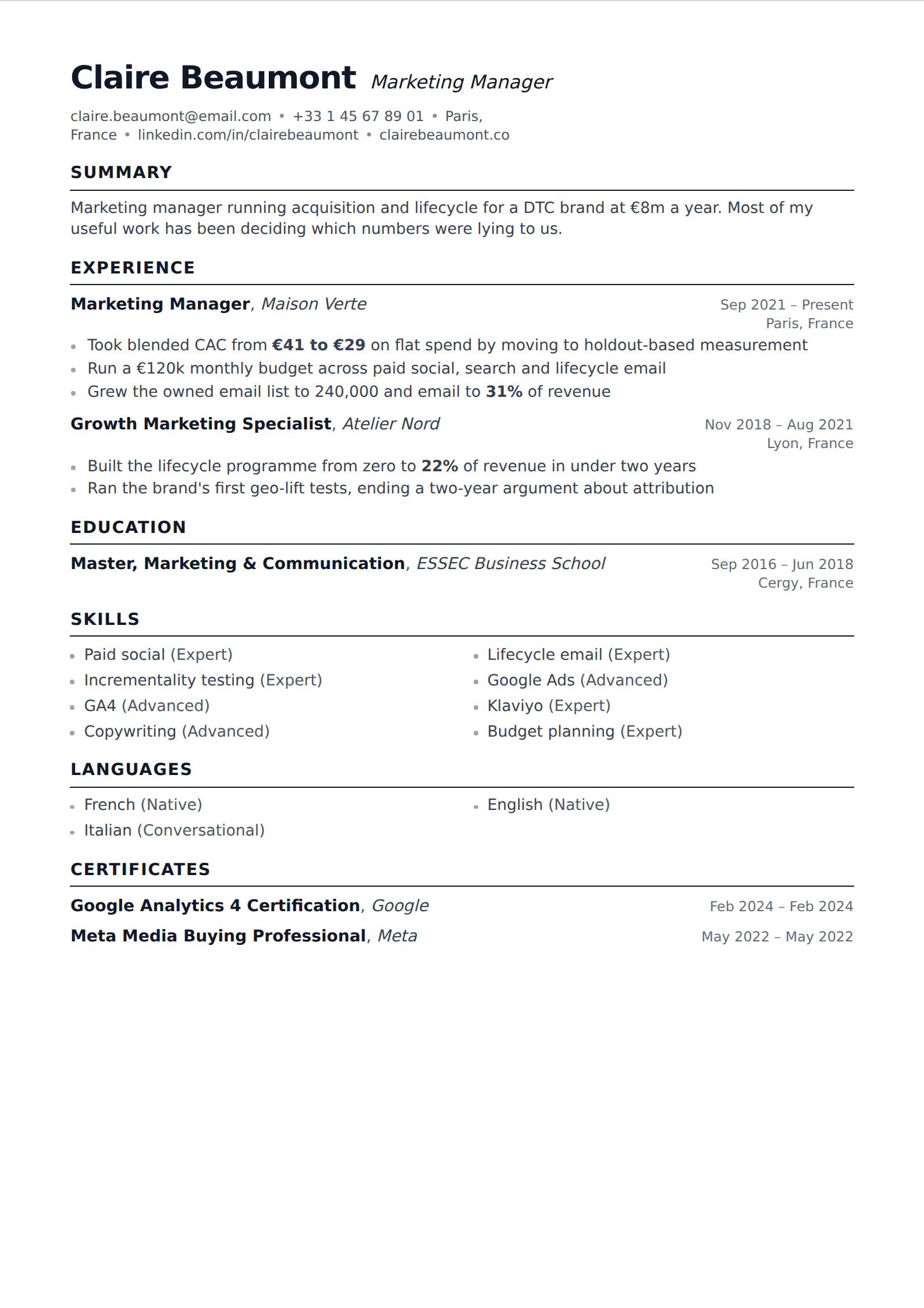
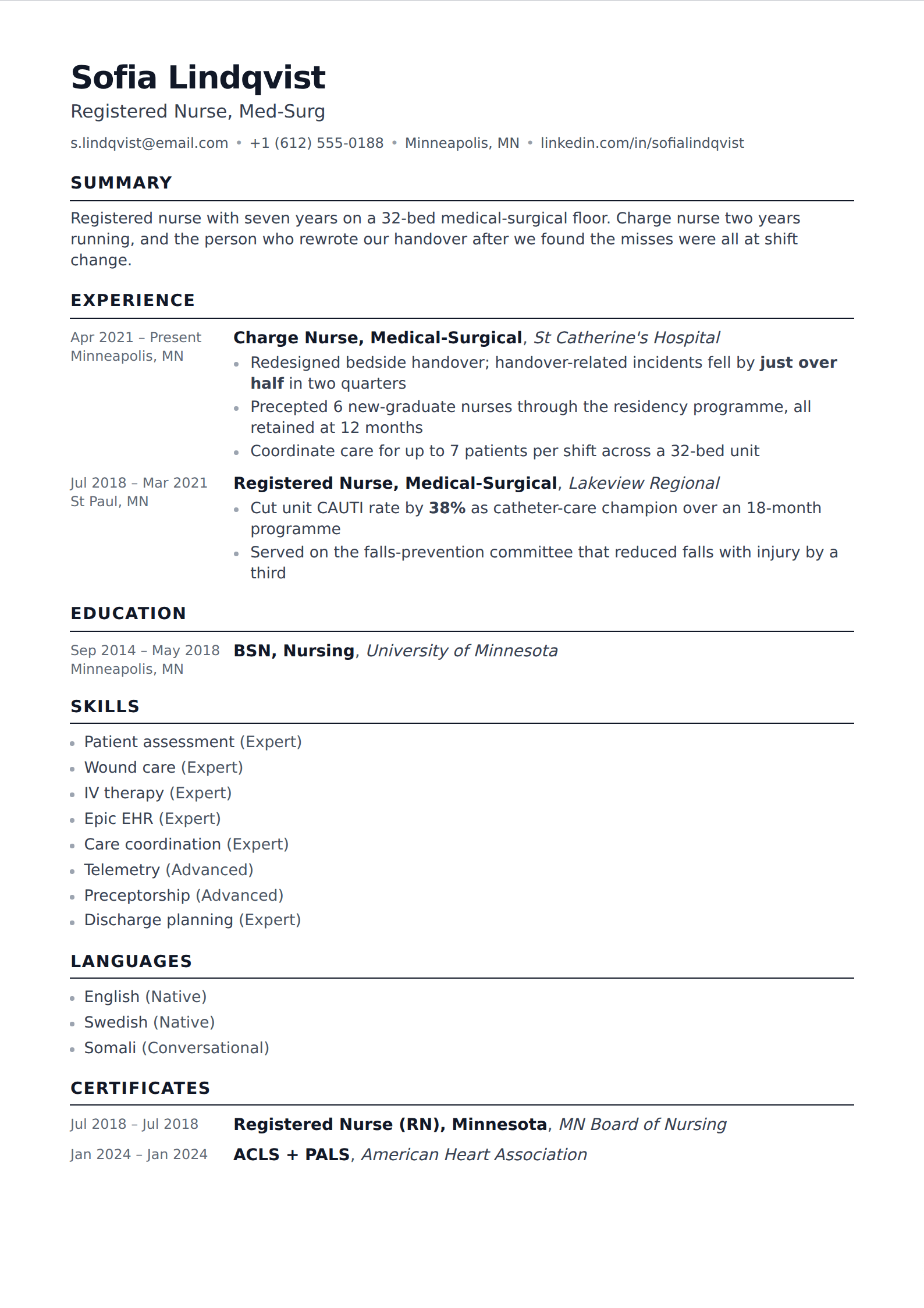
Contact details, then a short summary, then education, then whichever of experience, projects, activities and volunteering you have most of — renaming the section honestly rather than calling three club roles "Professional Experience". Skills last.
The summary matters more here than on any other kind of resume, because it is where you state what you are looking for and why, which nothing else on the page can do for you. Three sentences: what you are, what you can already do, what you want. "Recent high school graduate with two years of weekend retail work and a food handler certification, looking for full-time kitchen work. Available all weekends and evenings." That last sentence wins more interviews at this level than anything else on the page, and almost nobody includes it.
One page, and do not pad to fill it. A three-quarter page that is all real beats a full page with "proficient in Microsoft Word" and "hard-working team player" holding up the bottom third.
Turning non-jobs into bullets
Use the same shape as any professional bullet: a verb, a scale, an outcome. The scale will be small, and that is fine — specific and small reads as true, where vague and large reads as invented.
"Babysitting" becomes "Cared for two children aged 4 and 7 three evenings a week for 18 months, including school pickup, meals and bedtime, for the same family throughout." The duration and the repeat engagement are the argument: someone trusted you with their children, consistently, for a year and a half.
"Volunteered at an animal shelter" becomes "Volunteered 6 hours a week for a year; trained three new volunteers on intake procedure and ran the Saturday adoption desk." That is reliability, teaching and customer contact, which is most of what an entry-level employer is trying to establish.
What to avoid
The objective statement that says you are seeking a challenging position that will allow you to grow and develop your skills. Every reader has seen it ten thousand times, it is about what you want rather than what you offer, and it occupies the most valuable space on the page.
Inflated titles. "Customer Experience Associate" for a Saturday job at a bakery reads as insecure; "Counter Assistant" reads as honest, and honest is the register that works at this level. The same goes for describing a school group project as though it were a professional engagement.
And padding of any kind — filler skills, hobbies with nothing behind them, a second page. The people reading first-job applications are not comparing you to a senior candidate. They are comparing you to twenty other people with roughly your background, and the one who wrote three specific bullets about a real thing they did wins.