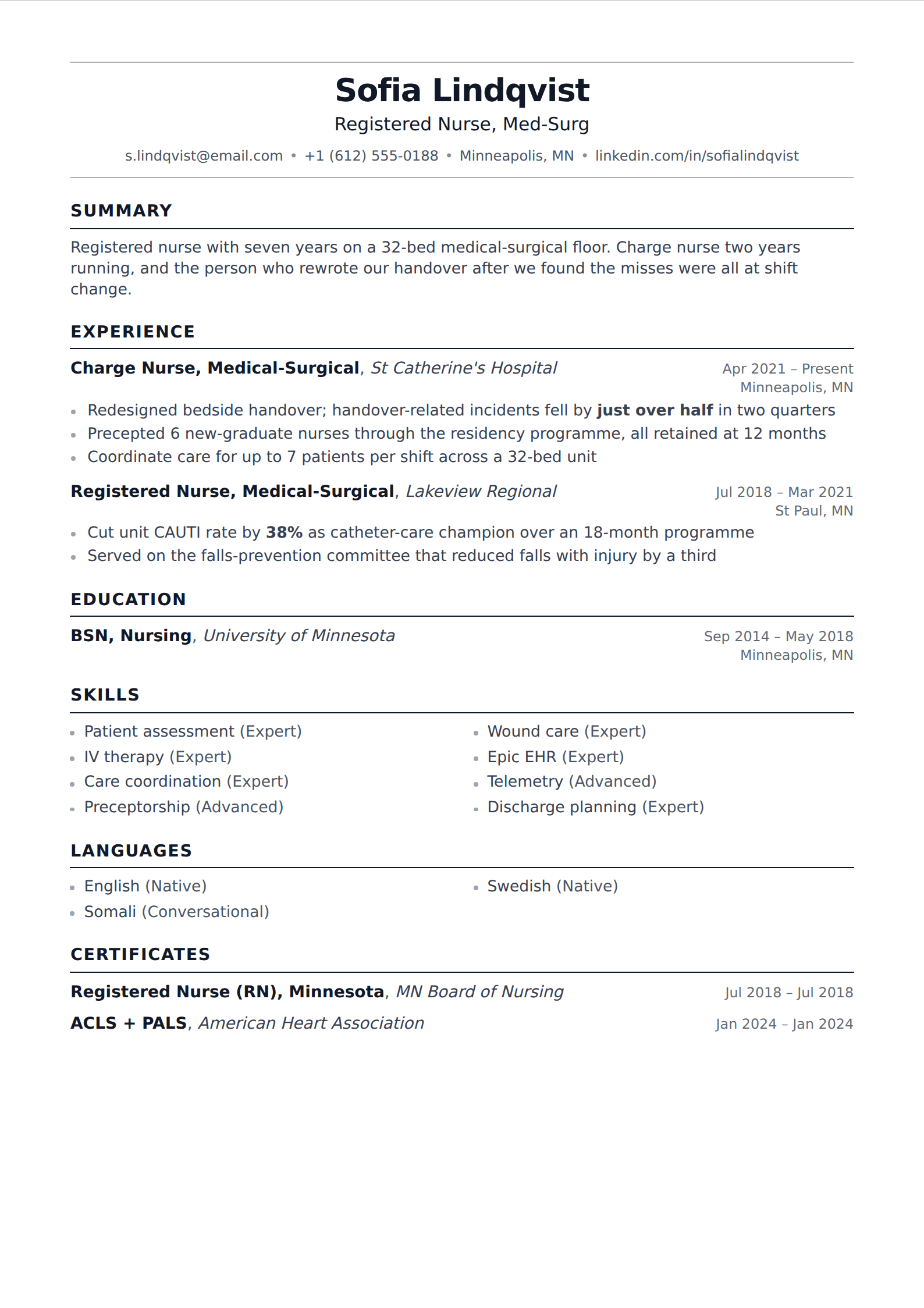

Responsibilities vs. evidence
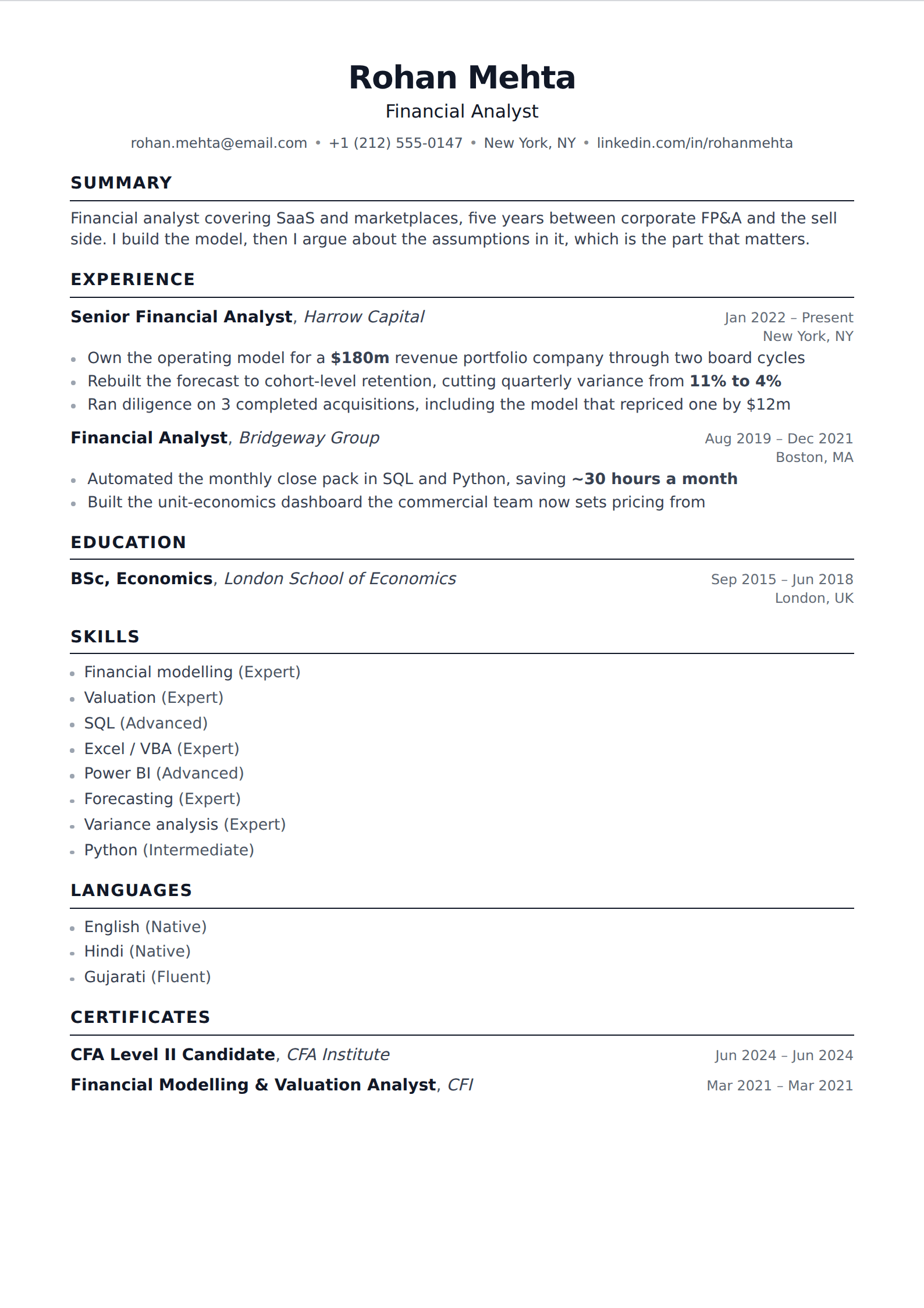
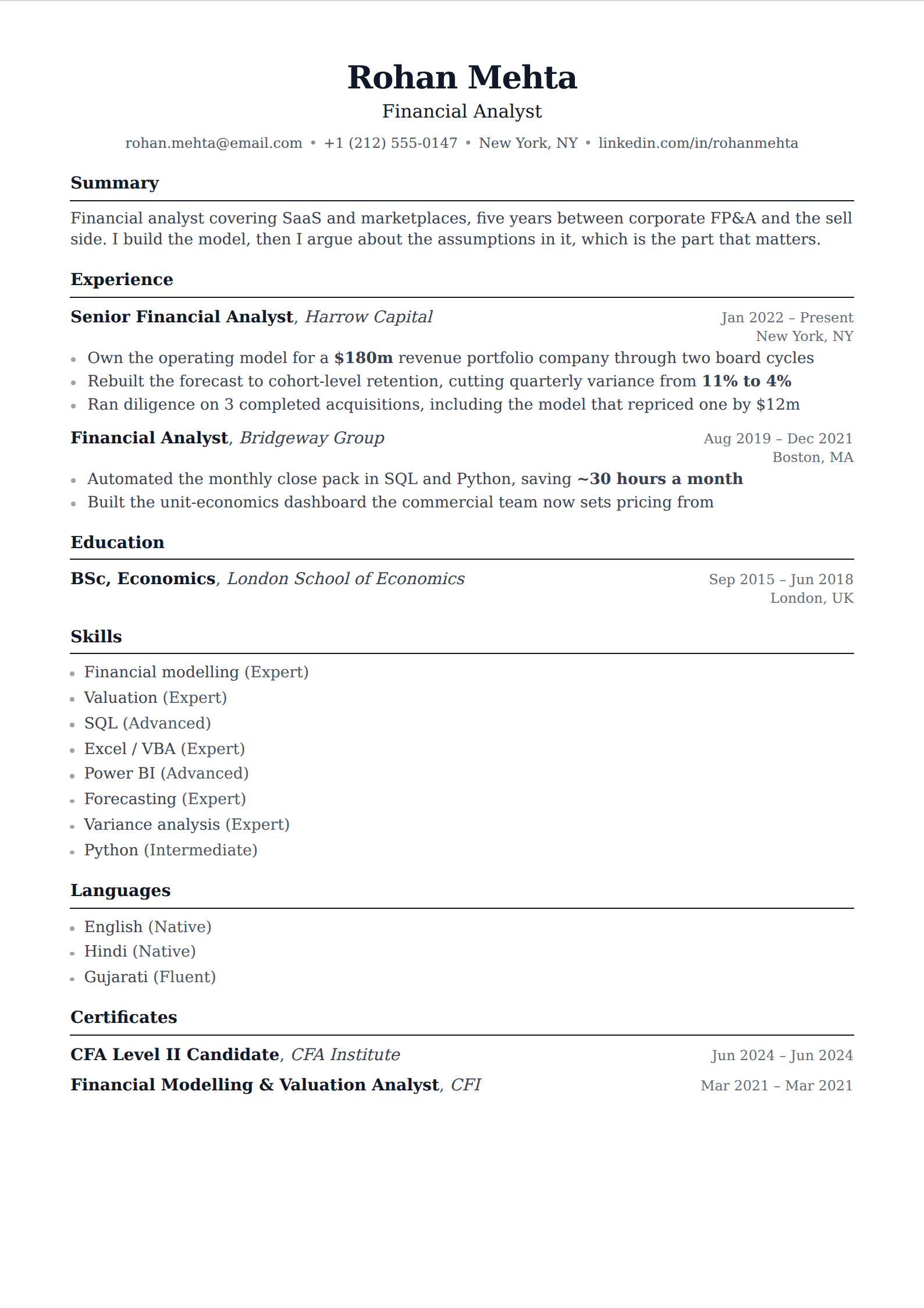
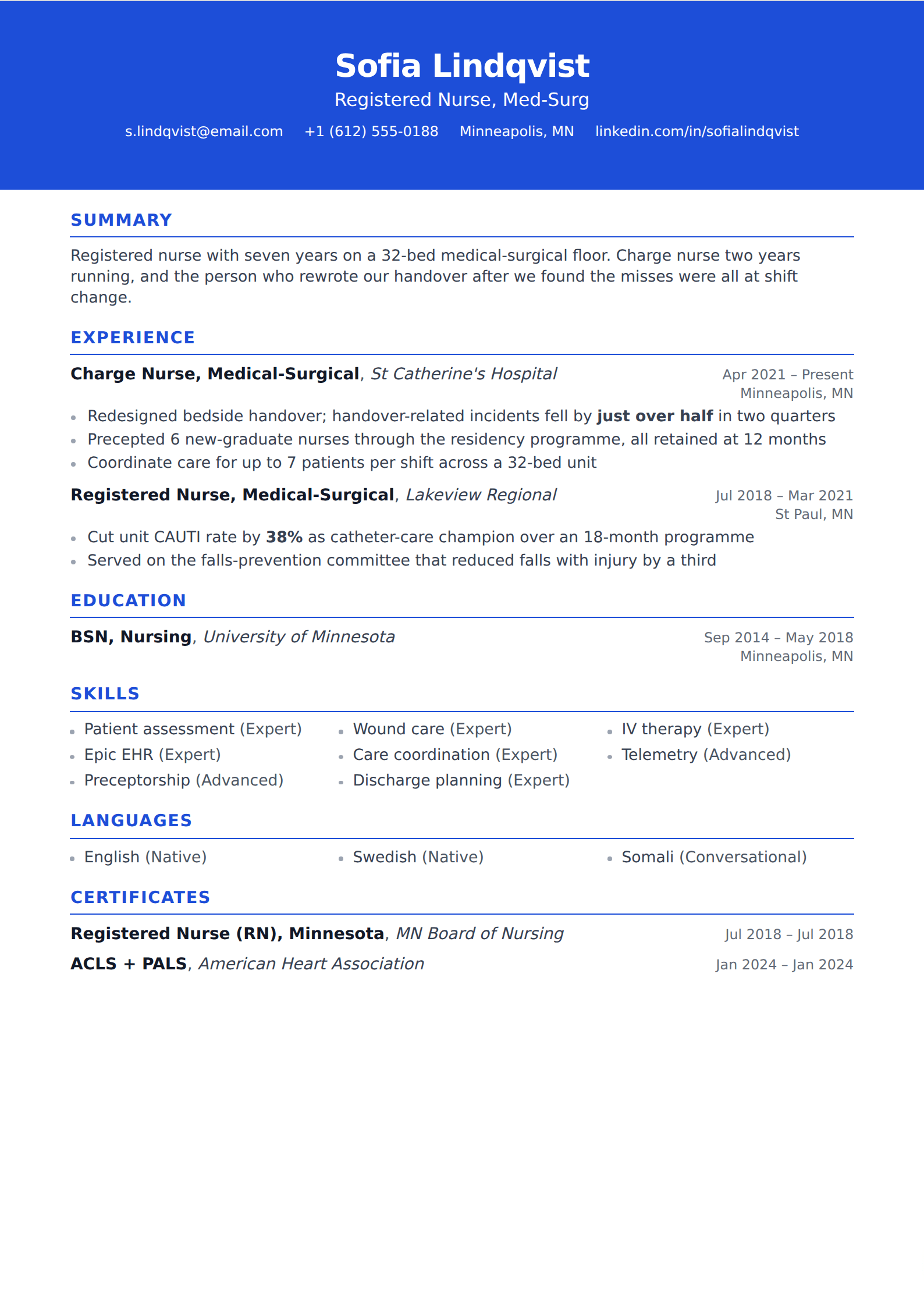
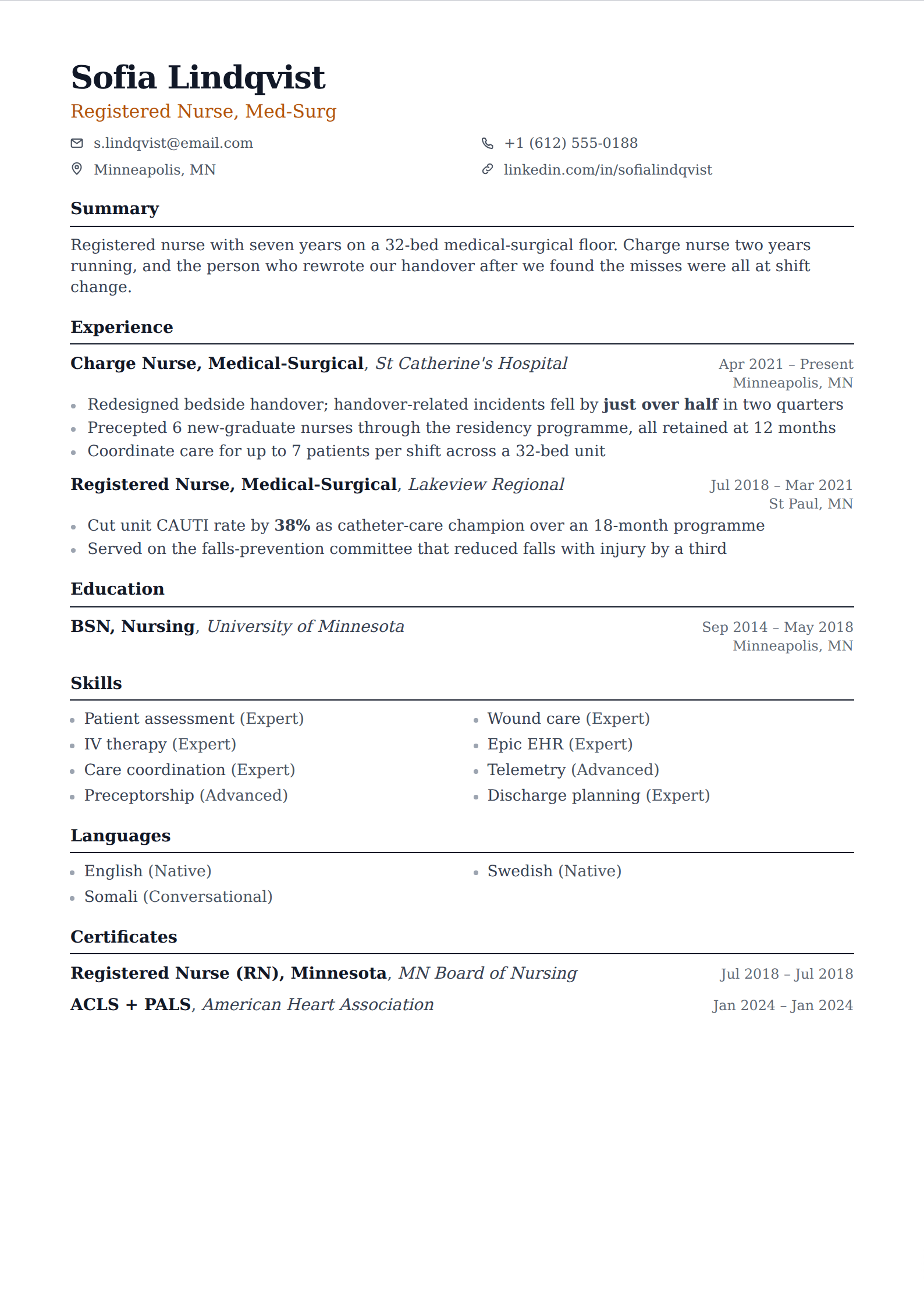
"Responsible for the company's social media channels" tells a reader your job title, which they already know. "Grew the company's LinkedIn following from 2,000 to 30,000 in eighteen months, driving a third of inbound demo requests" tells them what you can do.
The difference is not seniority or luck. It is that the second sentence names an outcome and attaches a number to it.
The pattern
Verb, then scope, then outcome. "Rebuilt the onboarding flow for 40,000 monthly signups, cutting drop-off by a third." Not every bullet has all three, but a bullet with none of them is doing no work.
Open with a strong past-tense verb — Led, Rebuilt, Cut, Shipped, Negotiated, Migrated, Automated. Avoid the weak openers: Responsible for, Helped with, Worked on, Assisted in.
Finding numbers you think you don't have
Almost every role has quantities in it; most people just never wrote them down. Scale, frequency, time, money, and people are the five places to look.
- How many users, customers, tickets, or requests did it touch?
- How often — daily, per release, per quarter?
- How much time did it save, and for how many people?
- What did it cost or earn, even approximately?
- How many people did you lead, train, or coordinate?
When you genuinely have no number
Describe the change instead of inventing a metric. "Replaced a manual weekly reconciliation with an automated job, removing a recurring source of month-end errors" has no number and still shows judgement and outcome.
Never estimate upward to fill the gap. An invented figure is the easiest thing in the world to fall apart on when someone asks how it was measured.