Formatting

Writing an ATS-friendly resume

Applicant tracking systems are widely misunderstood. They are not AI gatekeepers that reject you for a missing keyword — they are databases that parse your file into fields so a recruiter can search them. Most "ATS optimisation" advice is folklore. A few things genuinely matter.

Léa Fontaine · Careers writer6 min read

The short version

  • An applicant tracking system is a database with a workflow attached, not an AI judge.
  • Nothing gets auto-rejected. What happens is a bad parse, a low rank, and a resume nobody opens.
  • Two things genuinely break parsing: multiple columns, and text that is an image rather than text.
  • Fonts, colour, margins and file name have no effect on the parse at all.
  • Send a PDF unless the posting asks otherwise, and check it by copying the text out.

What an ATS actually does

It takes your file, extracts the text, and tries to work out which part is your name, which is an employer, which is a date range. Recruiters then search that database. If parsing fails, your record is incomplete or garbled — that is the real failure mode, not a rejection algorithm.

This reframes the whole problem. You are not trying to beat a filter. You are trying to be machine-readable.

What breaks parsing

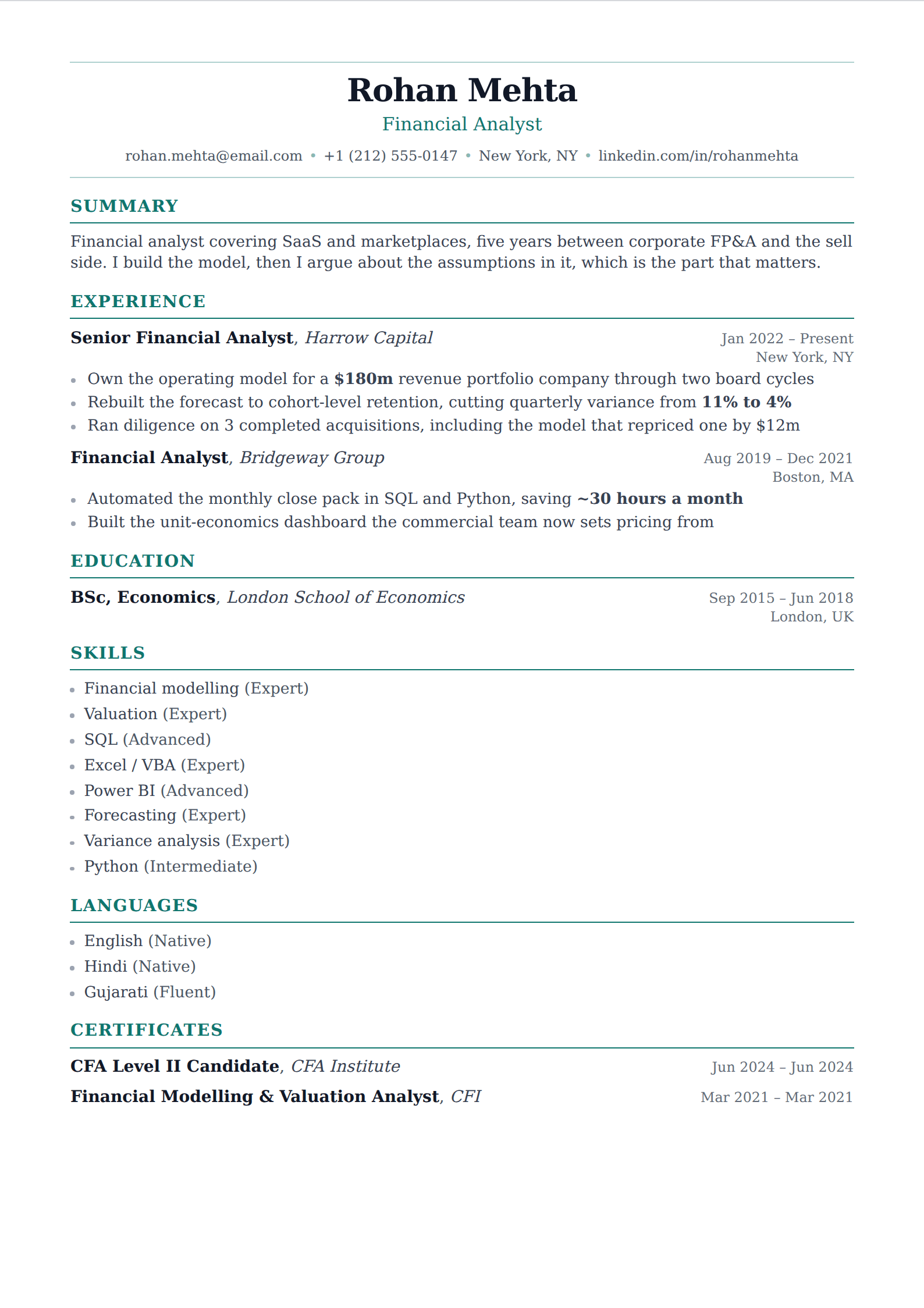
Layout, almost always. Anything that makes the text hard to read in a straight line is a risk.

  • Contact details inside a header or footer, which some parsers never read
  • Text inside images, including a name rendered as a logo
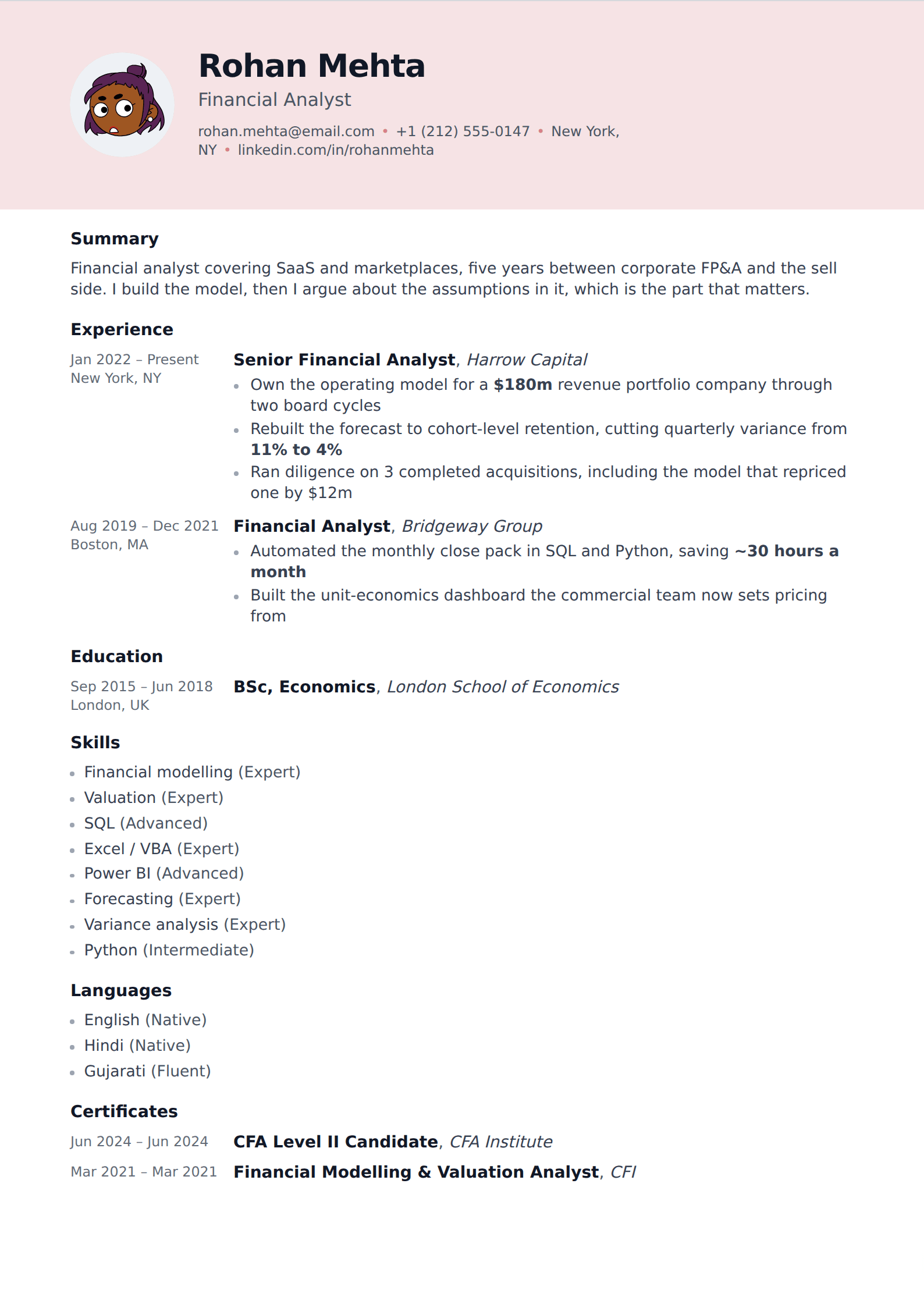
  • Multi-column layouts, which can interleave into nonsense
  • Tables used for layout rather than data
  • Unusual section names — "Where I've Been" instead of "Experience"
  • Dates written inconsistently between entries

What doesn't matter as much as people claim

Keyword density is the big one. Stuffing a skills section with every term from the posting does not raise a score, because there usually is no score — and a human reads the page immediately afterwards.

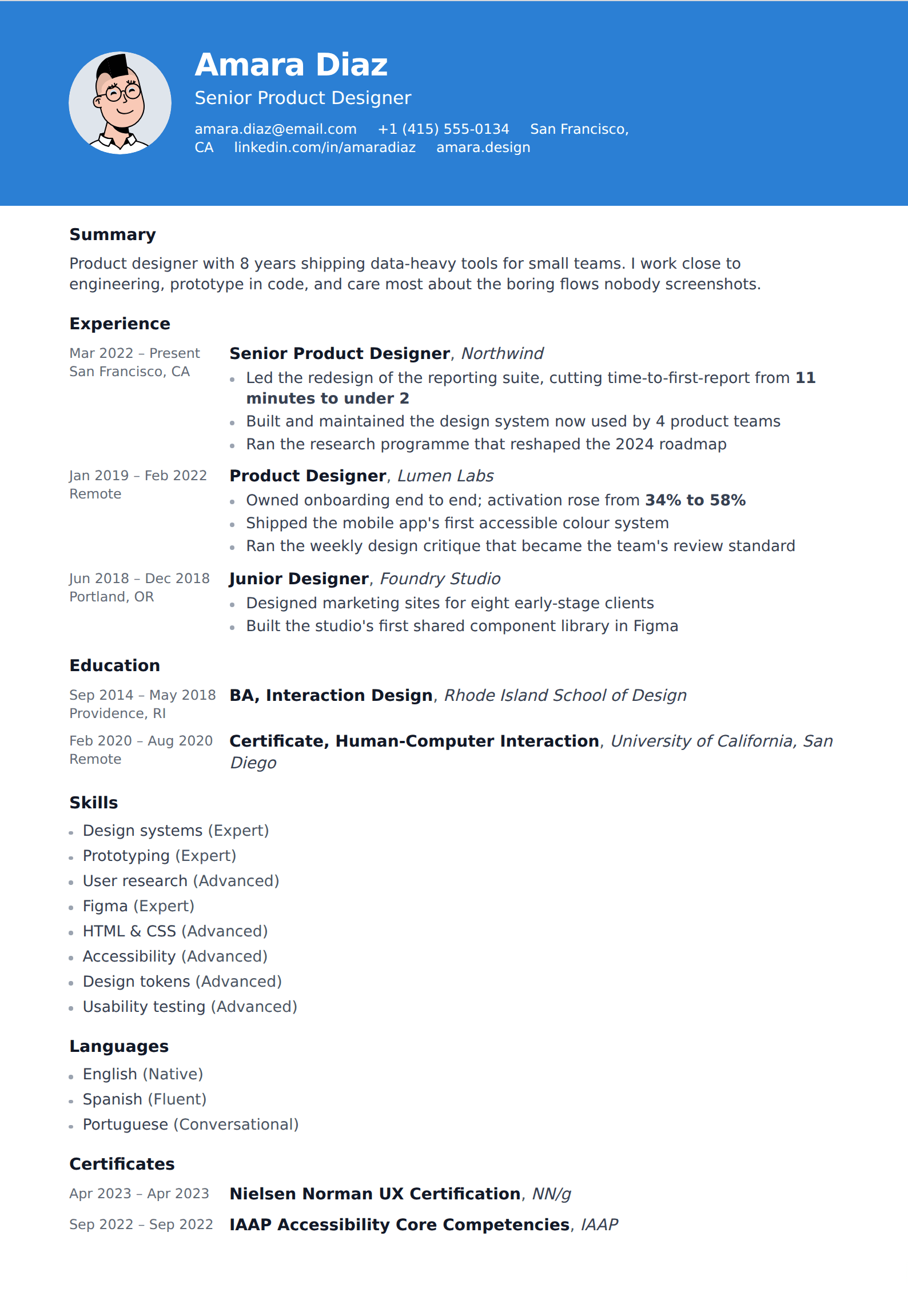
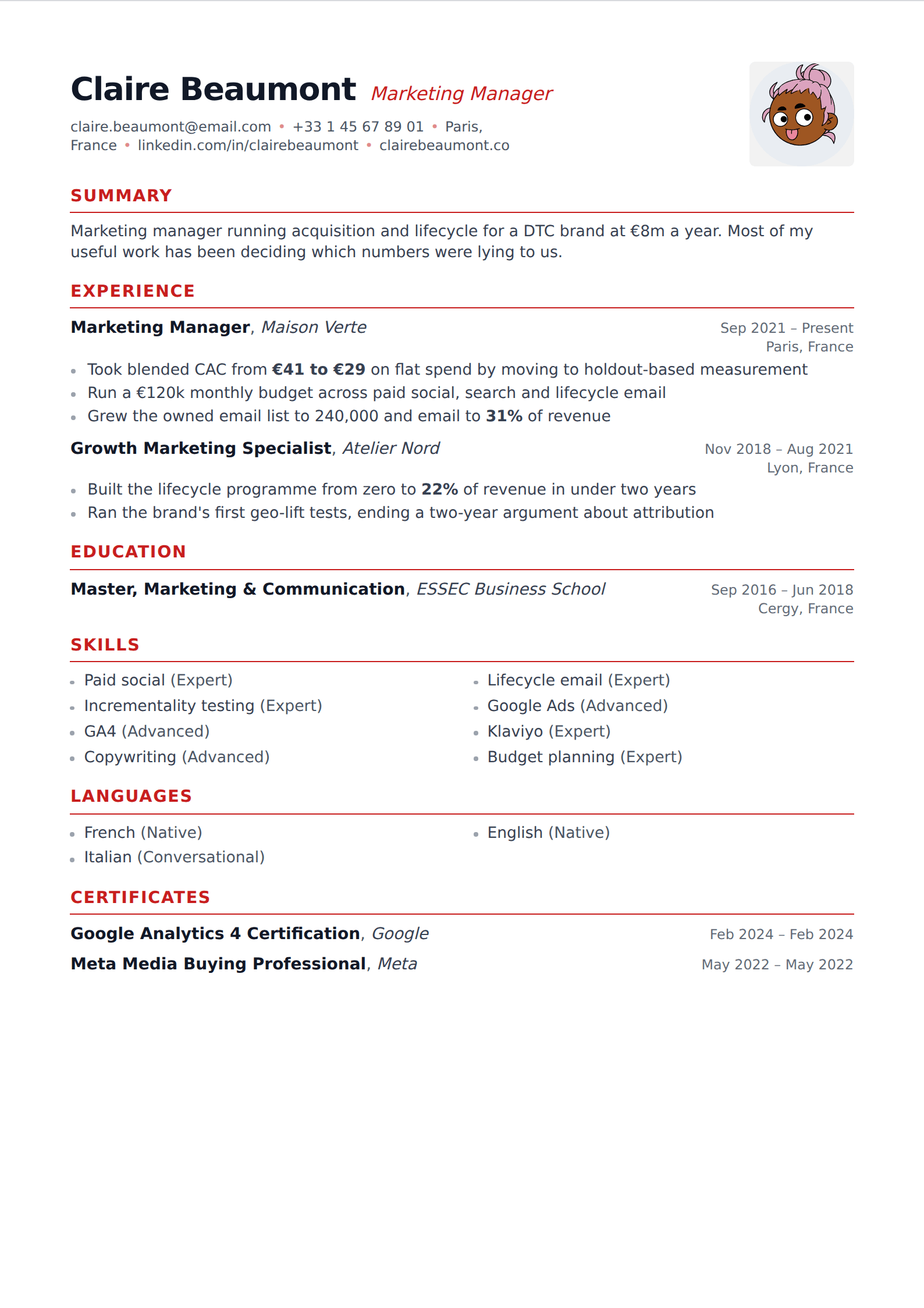
Fonts, colour, and a tasteful accent are fine. So is a sidebar, provided the underlying text order still makes sense when read linearly. The test is not "does it look plain" but "does the text extract cleanly".

Do use the words in the posting

Not as stuffing — as accuracy. If the posting says "incident response" and you wrote "on-call", a recruiter searching the database for the former will not find you. Use the vocabulary of the industry you're applying into, where it honestly describes what you did.

The honest constraint matters. A term on your resume is a term you can be asked about.

Send a PDF unless told otherwise

Modern systems parse PDFs fine, and a PDF is the only way to guarantee the recruiter sees the layout you designed. Send .docx only when the application explicitly asks for it.

One caveat: the PDF has to contain real text. A scan or an exported image looks identical on screen and extracts as nothing at all.

What an applicant tracking system is, plainly

It is a database with a workflow attached. When you apply, the system stores your file, extracts text from it, tries to split that text into structured records — your name, contact details, and a title/employer/date triple for each job — and files you against the requisition. Recruiters then search, filter and move candidates through stages inside it.

Workday, Greenhouse, Lever, iCIMS, Taleo, SuccessFactors and Ashby are the ones you will meet most often. They differ in quality, and the older enterprise systems are meaningfully worse at parsing than the newer ones, which is most of why advice about them is inconsistent — people are describing different software.

The important part is what it is not. It is not an AI judging your worth, and it does not reject applications on a score. It is filing software. The damage it does is passive: a bad parse produces an incomplete record, an incomplete record ranks badly against the requisition, and a badly-ranked application is never opened by the person who would have liked it.

Resume checkers and scores

Tools that give your resume a score out of a hundred are checking a list of mechanical properties: is the text real, is the layout single-column, are the section headings recognisable, do the posting's terms appear, is there a date on every role. All of that is genuinely worth knowing, and it is roughly the same list as this page.

What the score is not is a prediction. No checker has access to the employer's actual system, the requisition's weighting or the recruiter's judgement, so a number attached to your resume is a formatting checklist expressed as a percentage. Treat a low score as a prompt to find the specific problem, and ignore the number itself.

Be sceptical of any checker whose result is a paid rewrite. The failure modes it reports are all things you can fix in ten minutes once you know what they are, and the copy-paste test on your exported PDF finds the serious ones for nothing. The review here reports what is structurally weak — missing outcomes, buried terms, sections in an order that works against you — rather than issuing a grade.
ATS folklore against what actually happens

Scroll the table sideways to compare →

ClaimThe folkloreWhat is true
RejectionThe system scores you and auto-rejects below a thresholdIt builds a record and ranks it. A bad record ranks low and is never opened — no rejection is issued
FontsCertain typefaces confuse the parserParsers extract characters. Garamond and Arial produce an identical stream
ColumnsTwo columns are always fatalThey are the one real layout risk — text can extract across both — but many modern systems handle them. Check yours
KeywordsMore keywords means a higher scoreOnly terms from the posting count, and only where they are true. Repetition is not weighted the way folklore assumes
File typePDFs cannot be readModern systems read PDFs fine. What cannot be read is a PDF containing an image of text
White textHidden keywords give you an edgeStripped by every modern parser, and read as deception when found. The cost is a discarded application

The ten-second parse check

Open your own resume beside this and work down it. Every line is something a reader or a parser acts on within the first pass.

  • Open the exported PDF, select all, and paste it into a plain text file
  • Your name and contact details appear as text at the top
  • Every job has its title, employer and dates intact and in order
  • Nothing from a sidebar has landed inside a job description
  • Section headings are the standard ones — Experience, Education, Skills
  • No text lives inside an image, logo or designed header block
  • The posting's own words for your real skills appear somewhere on the page
  • Dates are in a consistent format with a month and a year

Templates that parse cleanly

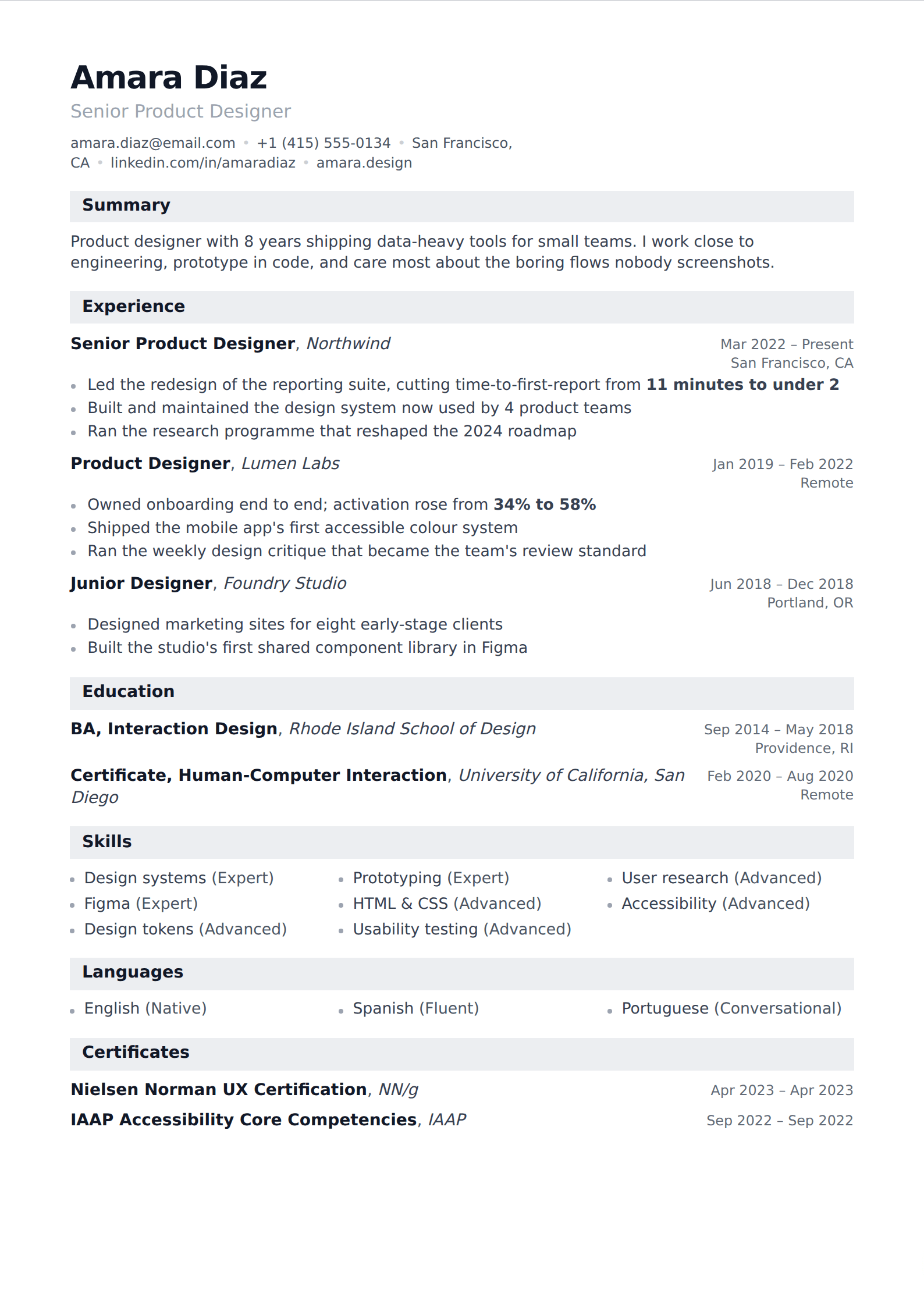
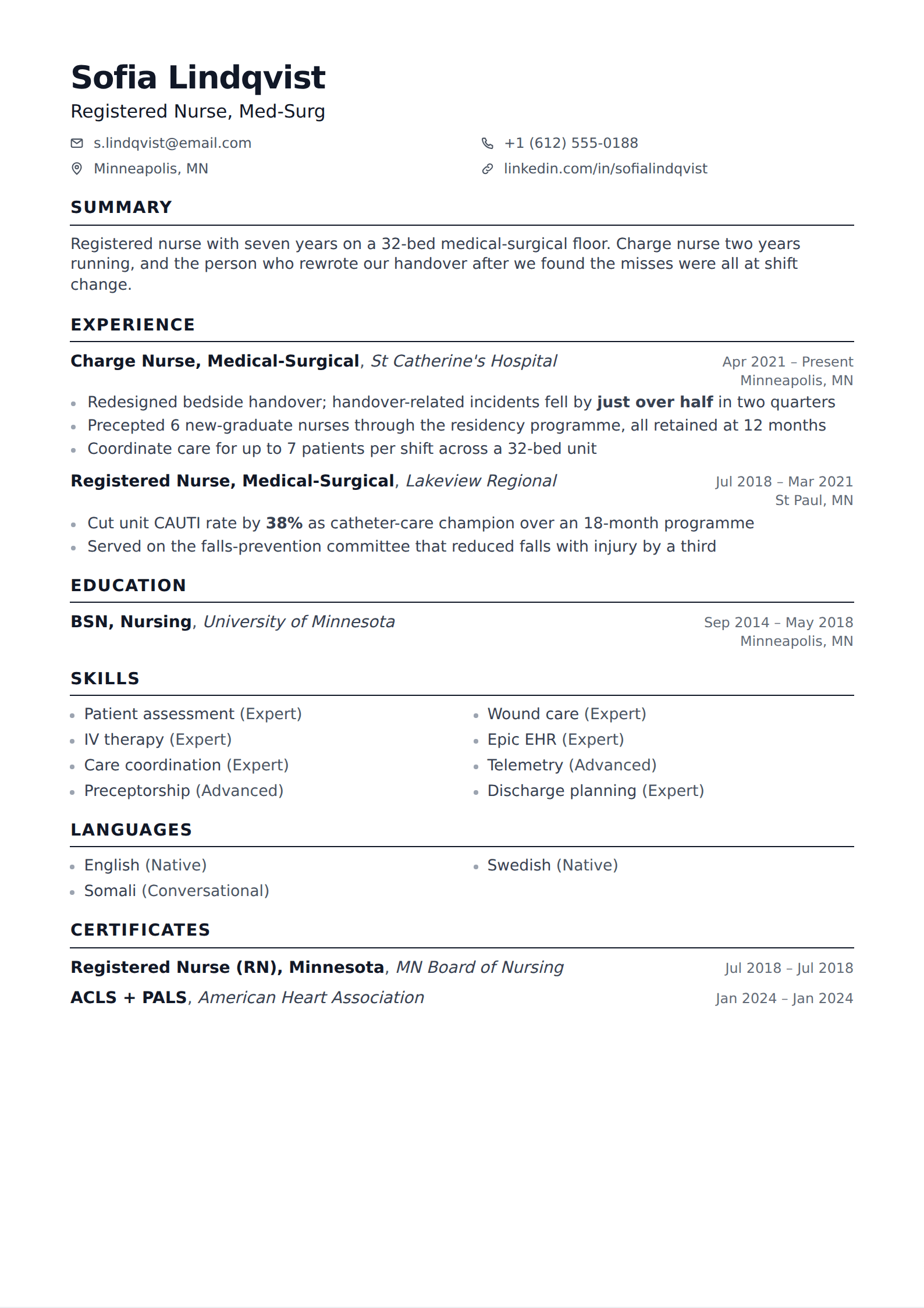
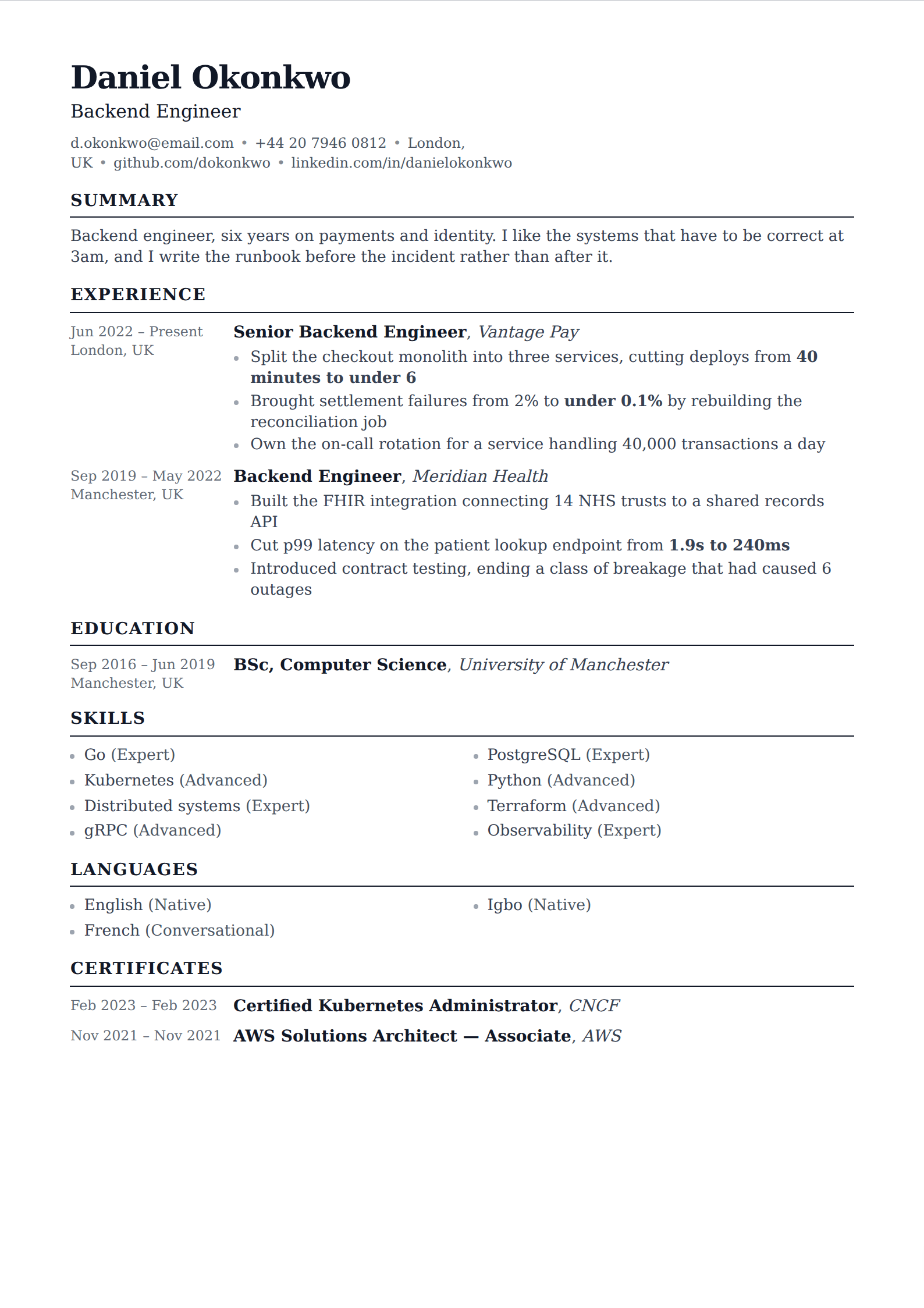
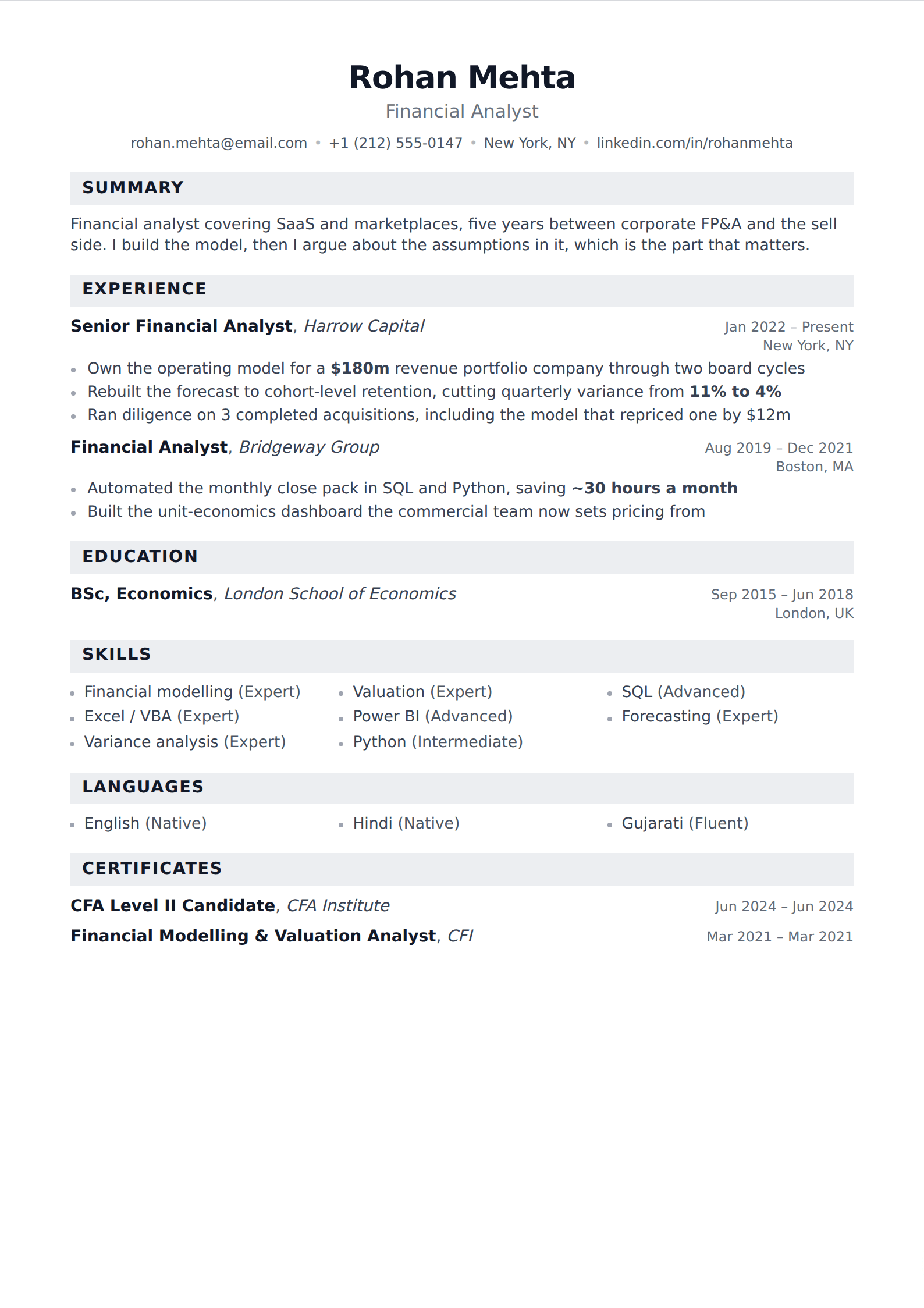
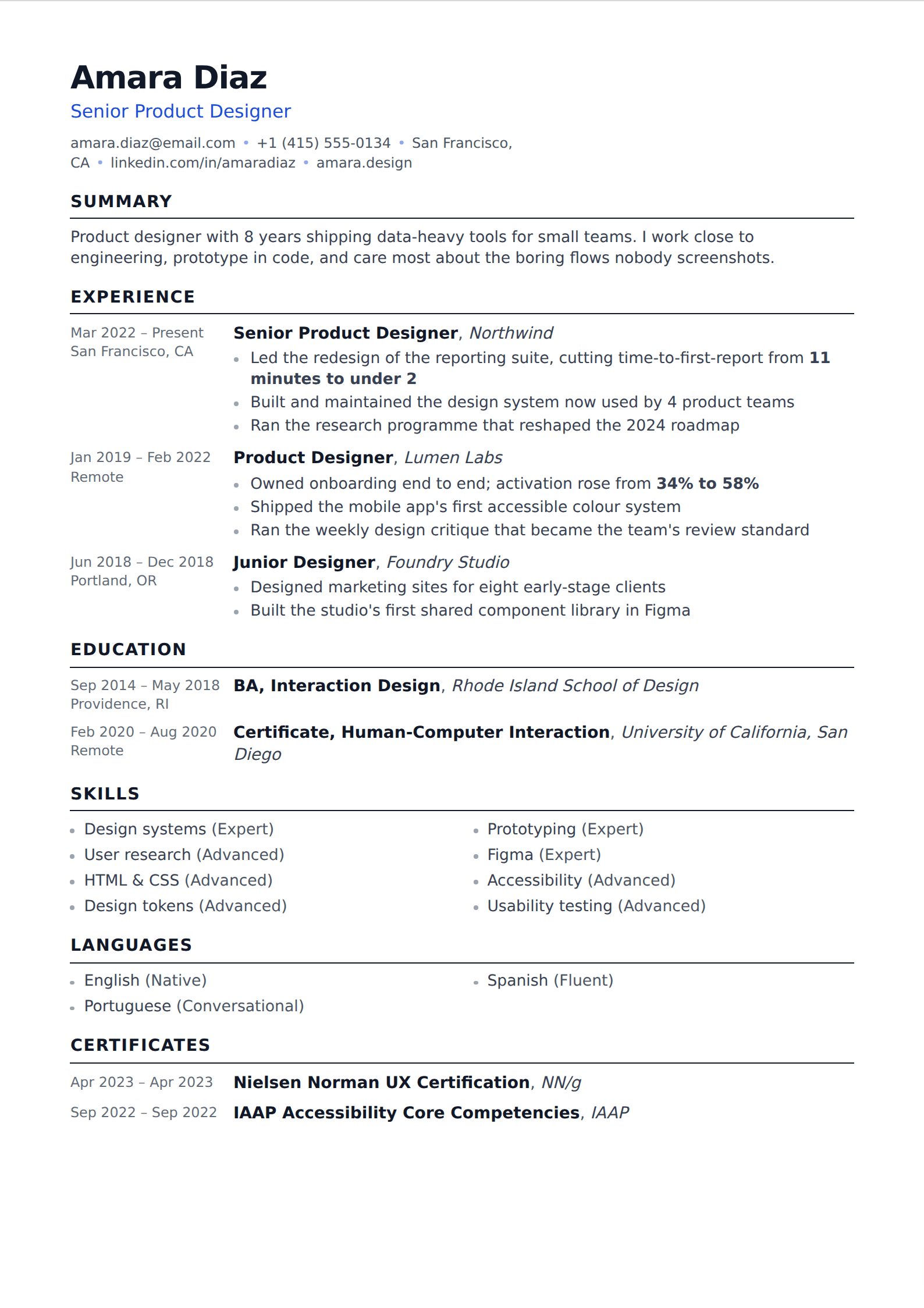
Single column, real-text export, no dark pages and no sidebars to interleave. This is the cut of the gallery that removes both of the failure modes above — the rest is writing, not layout.

Common questions

What is an applicant tracking system?

A database with a hiring workflow attached. It stores your application, extracts the text, tries to build structured records from it — name, contact details, and a title, employer and date for each role — and files you against the job. Recruiters search and filter inside it. It is filing software, not a judge.

Are AI resume checkers accurate?

They accurately report mechanical properties: whether your text is real, whether the layout is single-column, whether headings are recognisable, whether the posting's terms appear. They cannot predict an outcome, because they have no access to the employer's system or the recruiter's judgement. Use the findings, ignore the score, and be wary of any checker whose recommendation is a paid rewrite.

Do ATS systems reject resumes automatically?

Rarely. Most are search-and-filter tools operated by a recruiter. Automatic knockouts exist for hard requirements like work authorisation, not for phrasing.

Is a two-column resume ATS-safe?

Usually yes with modern parsers, but it's the single most common cause of scrambled extraction. If you use one, check that copying the text out of your PDF still reads in a sensible order.

Should I put keywords in white text?

No. It's detectable, it's read as deception, and it will get your application discarded outright.

Related guides

Put it into practice

Start from any template above, get AI help tightening every bullet, and export an ATS-ready PDF. Free to start, and no card at any point.

Start your resume