
Only some words are keywords
A recruiter searching a database searches for things a candidate either has or hasn't: a tool, a platform, a certification, a methodology, a job title, a language, a licence. Those are keywords. "Detail-oriented", "team player" and "results-driven" are not searched for by anyone, ever.
So read a posting looking specifically for nouns. Named technologies, named frameworks, named qualifications, named systems. Everything else in the posting is context for how to write, not vocabulary to match.
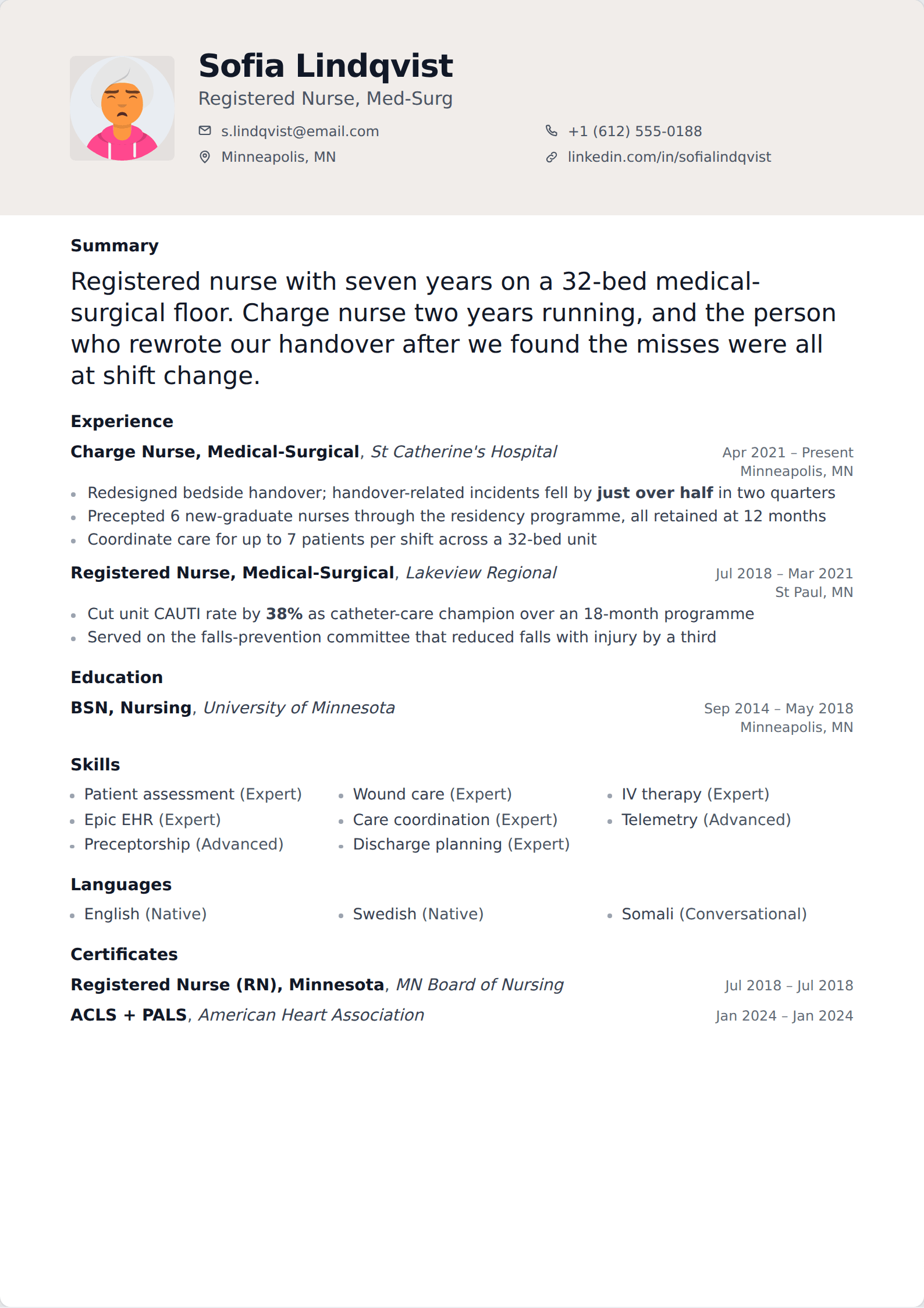
- Tools and platforms — Salesforce, Kubernetes, NetSuite, Epic
- Methodologies — Agile, Lean, MEDDICC, BPMN
- Certifications and licences — PMP, CPA, RN, Security+
- Domain terms — incident response, revenue recognition, TUPE
- Job titles, including the ones you'd call something else
Read the posting twice, for two different things
The first read is for the requirements list, which is where the hard filters live — years of experience, a specific certification, a named system. If you match those, the words should appear on your page in the posting's own form.
The second read is for repetition. Whatever a posting says three times is what the role is actually about, regardless of what the requirements section claims. If "stakeholder management" appears in the summary, the responsibilities and the requirements, that's the job, and your resume should answer it in the top third rather than in a skills list at the bottom.
Where a keyword counts, and where it's wasted
A term in a skills section proves nothing except that you know the word. The same term inside a bullet, attached to something you did with it, is evidence. Both get parsed; only one survives the human read that follows.
So the pattern that works is both: the term in your skills block so it's findable, and the term in a bullet so it's credible. "Kubernetes" in a list, and "migrated 14 services to EKS with no unplanned downtime" in the experience section. One matches the search, the other answers the interview question the search leads to.
Match the posting's exact form, then the variant
Recruiters search for strings, and strings don't reason. If the posting says "Search Engine Optimisation" and you wrote "SEO", a literal search may miss you. Write the acronym with its expansion once — "SEO (search engine optimisation)" — and both forms are on the page without repetition.
The same applies to titles. If your internal title was "Growth Ninja" and the market calls it "Performance Marketing Manager", put the recognisable title on the page. Nobody searches for a job title that only exists inside one company.
The honesty constraint is the whole limit
Every keyword on your resume is a question you've agreed to answer. That's the real ceiling on this technique, and it's why stuffing fails even when it works: you get the interview and then spend it being found out on a tool you used once.
The test is simple. For each term, could you talk for two minutes about something you did with it? If not, take it off. A resume with eight defensible keywords beats one with forty that collapse under a follow-up question.
What not to do
White text, hidden layers, keyword blocks behind images, and pasted chunks of the job description are all detectable, and all read as deception rather than as optimisation. The cost when found is not a lower ranking — it's a discarded application.
Repeating the same term eight times doesn't help either. Most systems don't weight frequency the way the folklore assumes, and the human reading afterwards notices immediately.
Customising the whole resume, not just the words
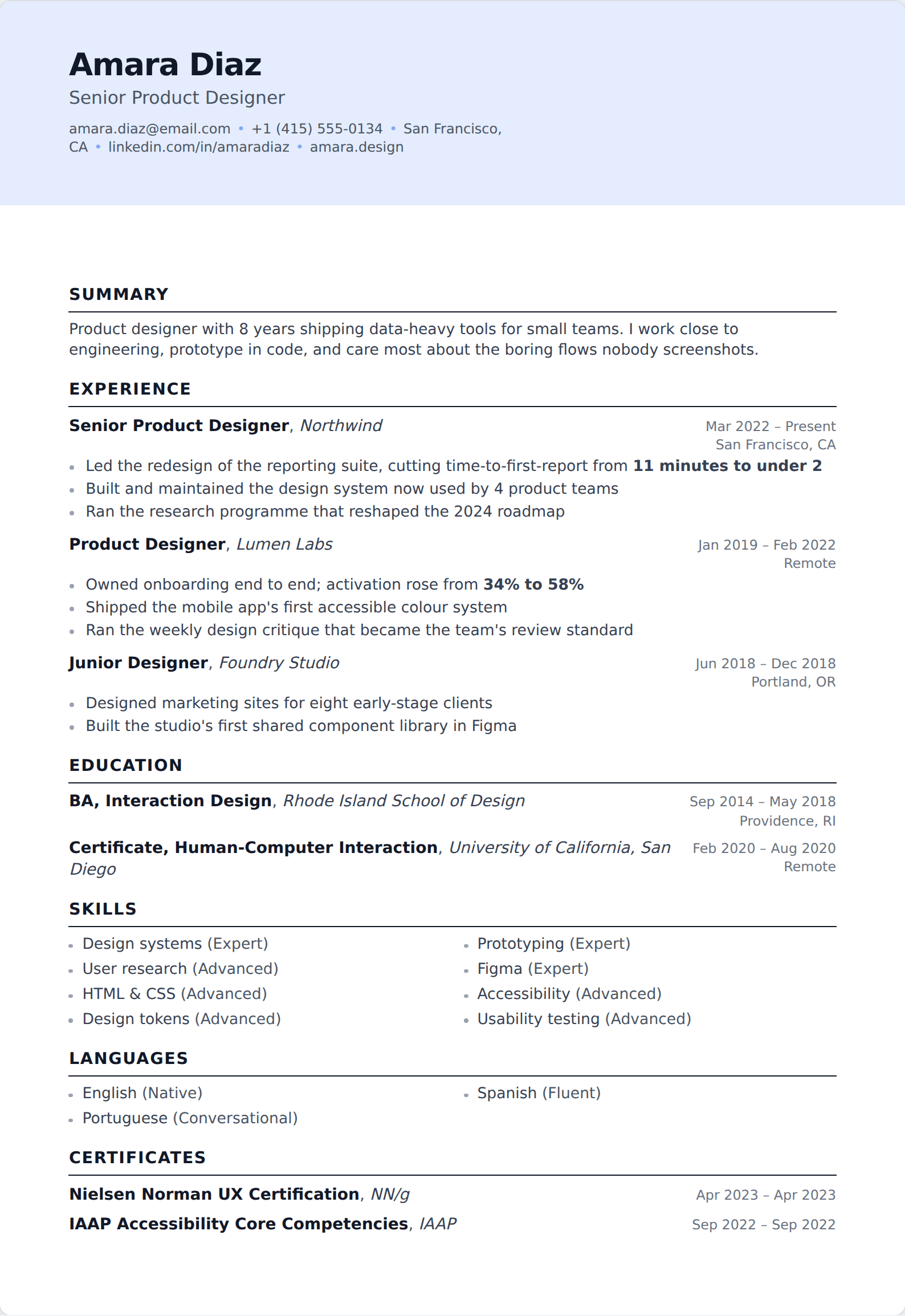
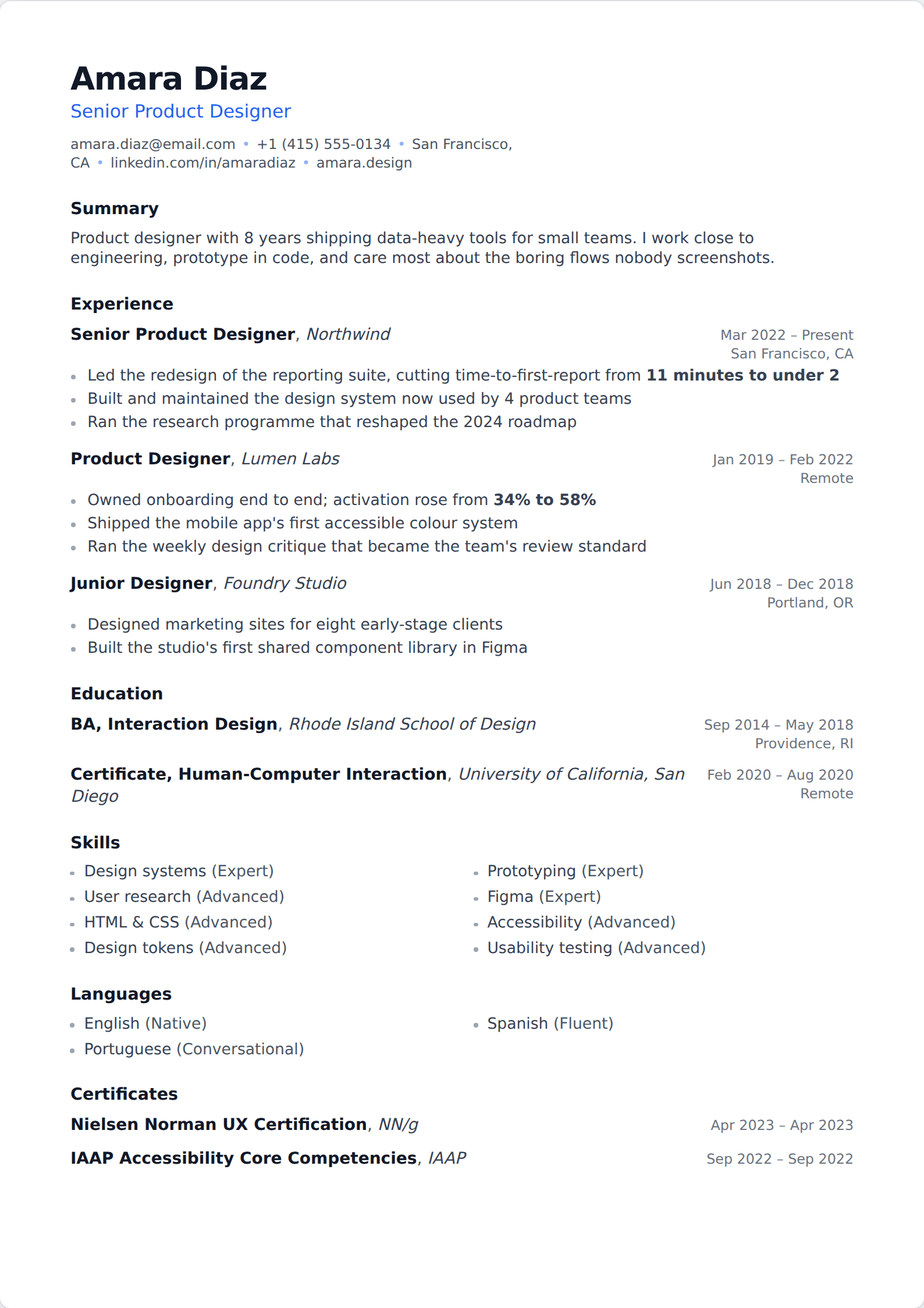
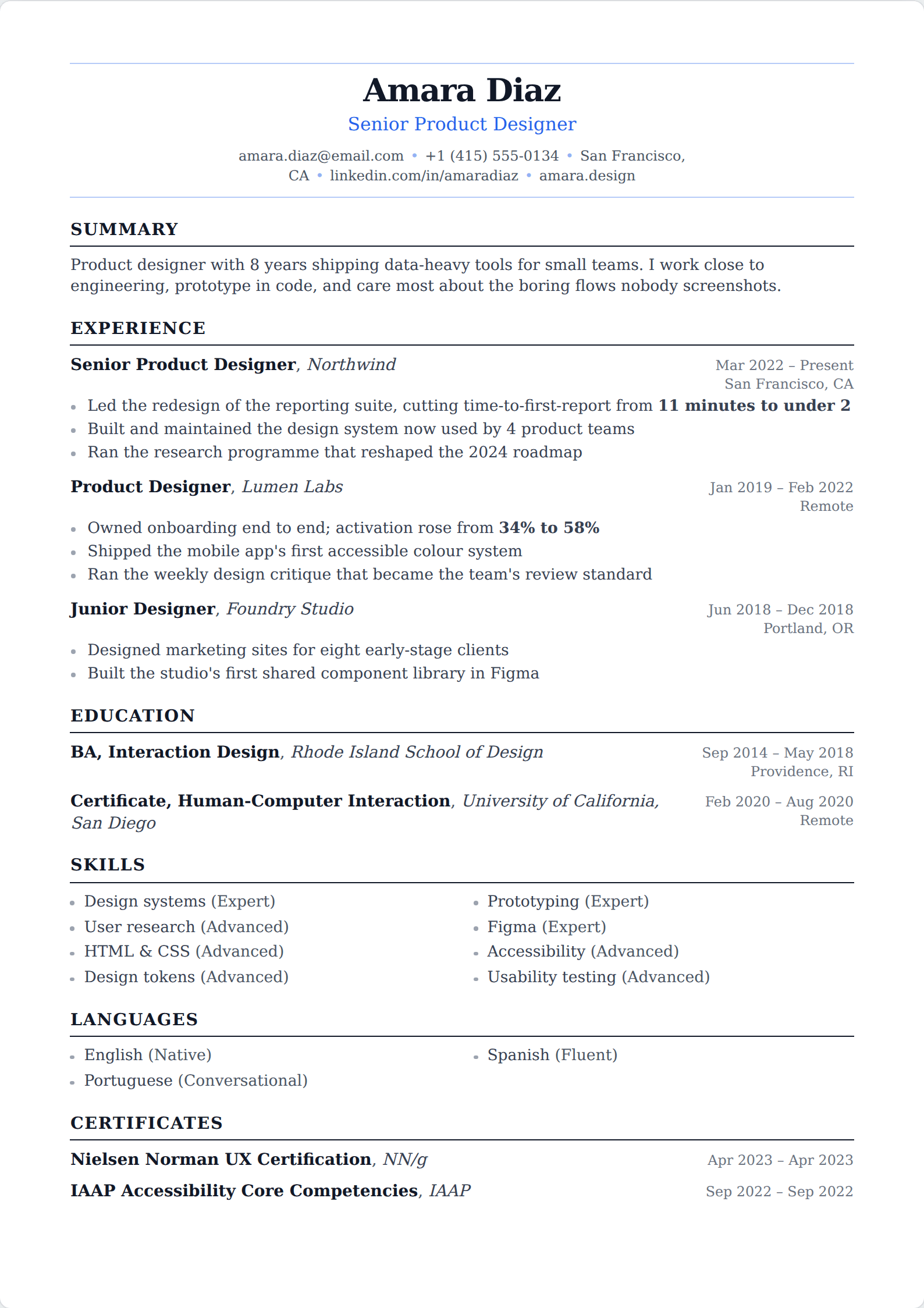
Keyword matching is the smallest part of tailoring a resume to a job description, and treating it as the whole job is why so many "customised" resumes still read as generic. The terms get swapped, and the document underneath still argues for a different role.
The larger moves are structural, and they take about fifteen minutes. Reorder your bullets within each job so the ones matching the posting's emphasis come first — a reader gives the top bullet of each role several times the attention of the fourth. Rewrite the summary to name the specific role. Promote or demote whole sections: a posting that leads on stakeholder management should not reach your management evidence on page two.
Then cut. Every bullet that is irrelevant to this posting is competing for attention with the ones that are, and removing three of them does more than adding three keywords.
- Rewrite the summary to name the role and the specific evidence that fits it
- Reorder bullets within each job so the relevant ones are first
- Promote the section the posting leads with — skills, projects, certifications
- Cut bullets that are irrelevant to this posting, even if they are good
- Adopt the posting's vocabulary for things you genuinely do
- Keep a master document with everything, and cut versions from it rather than editing one file forever
How much to tailor, realistically
Not every application deserves the full pass, and pretending otherwise is how people stop applying. A workable split: a master resume, two or three variants for the distinct kinds of role you are pursuing, and a fifteen-minute pass on the applications you actually care about.
The variants do most of the work. If you are applying to both platform engineering and developer tooling roles, those are two documents with different emphasis, and having them already built means the per-application pass is genuinely fifteen minutes rather than an evening.
Where tailoring pays most is the top third of the page — the summary and the first two bullets of your most recent role. That is what gets read on the first pass, and it is where a document written for this posting becomes visible.