
Two-column resume templates
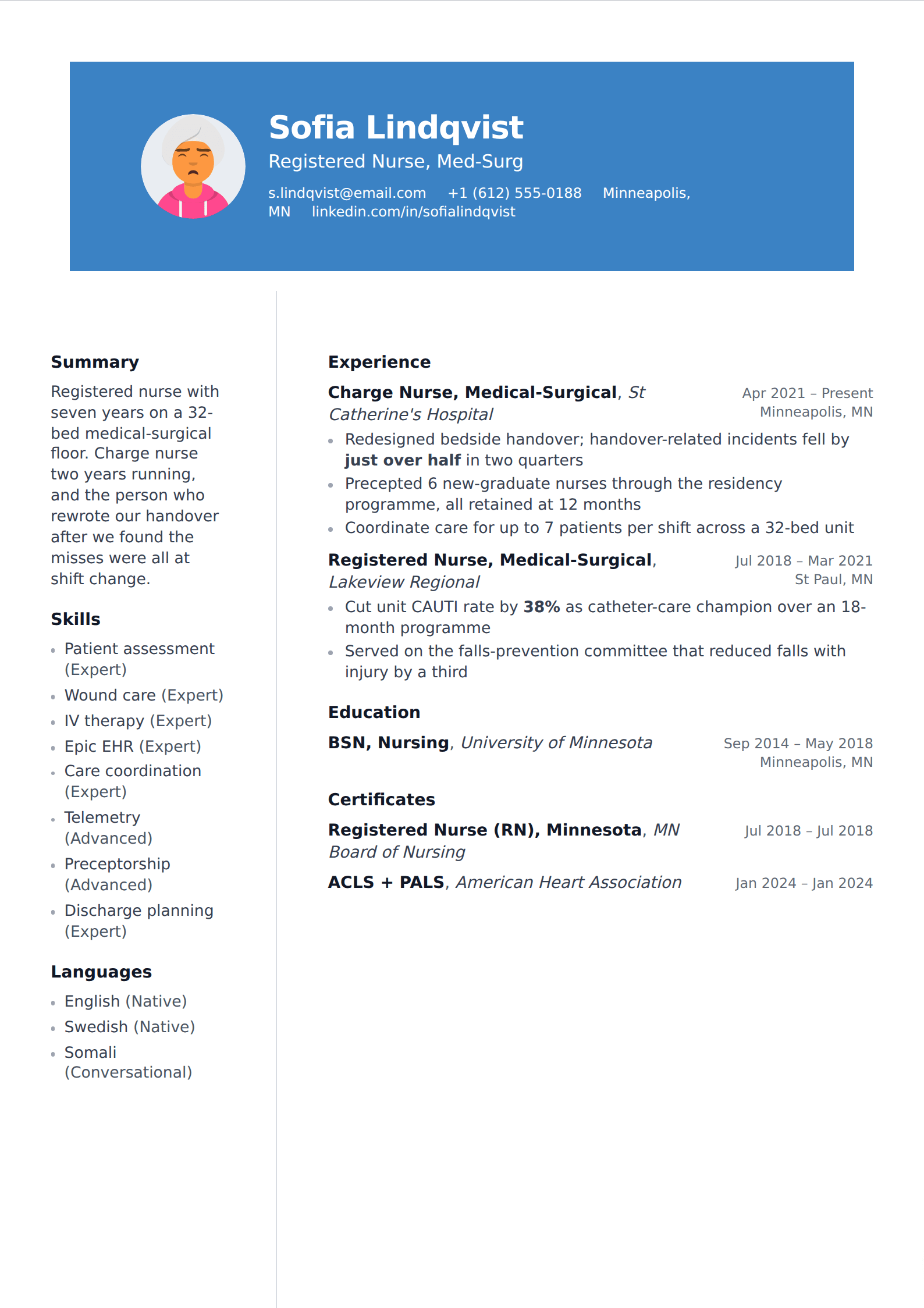
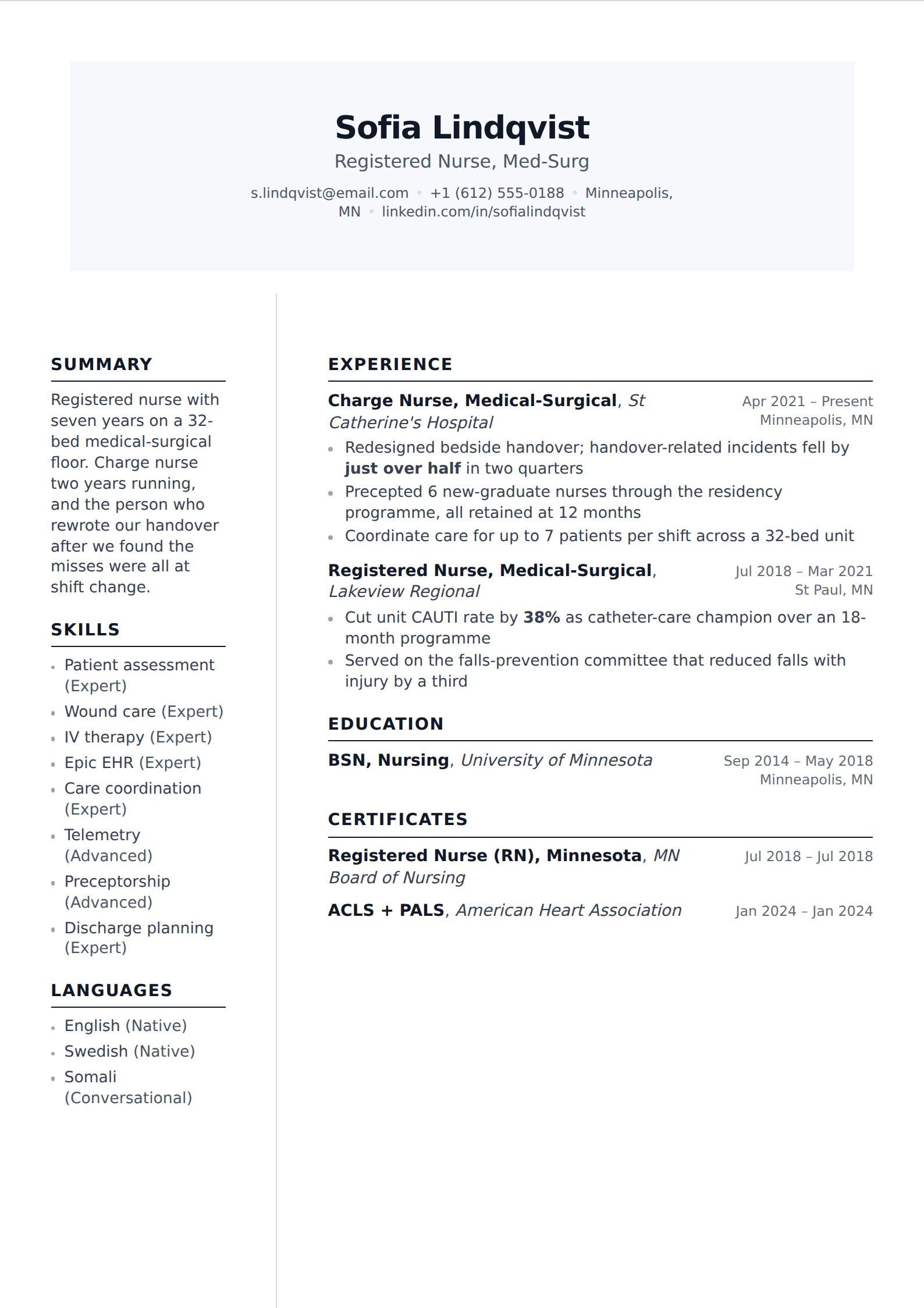
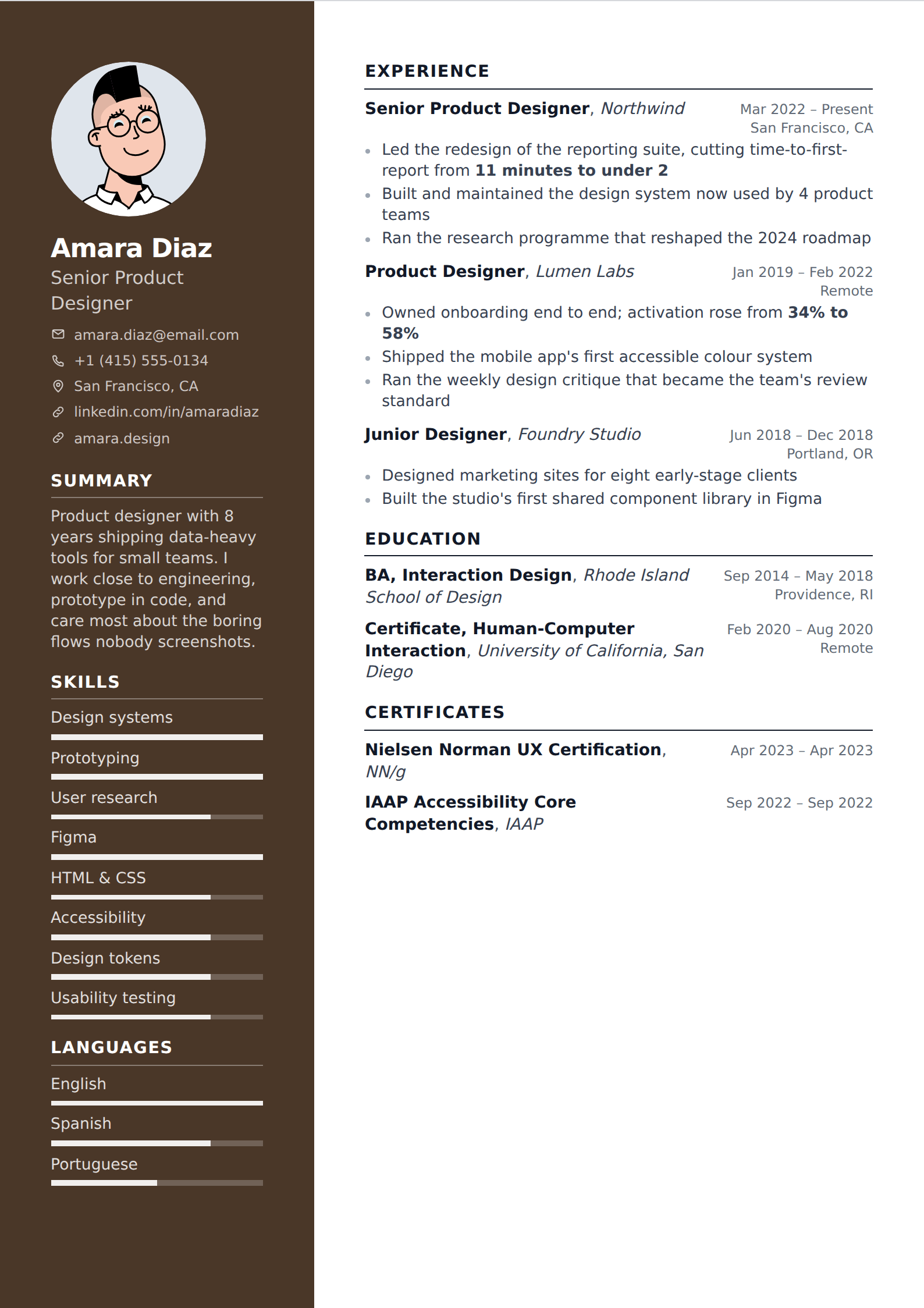
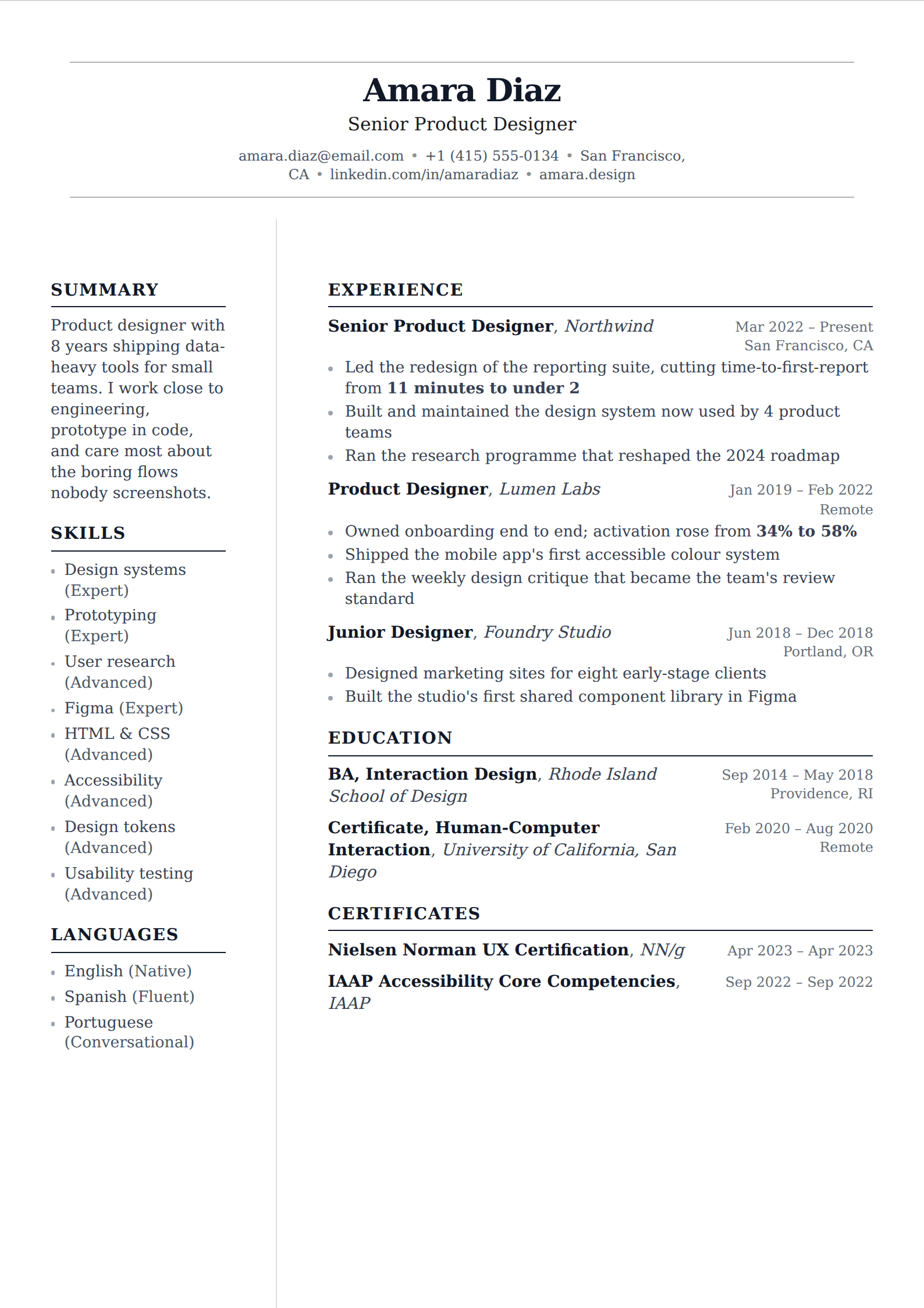
A sidebar buys you density: skills, languages, contact details and tools move out of the main flow, and the space left over goes to your experience. It also carries the one layout risk worth taking seriously. Both halves of that are covered below.
132 of our templates match this. Every one is free to use, with unlimited watermark-free PDF downloads.
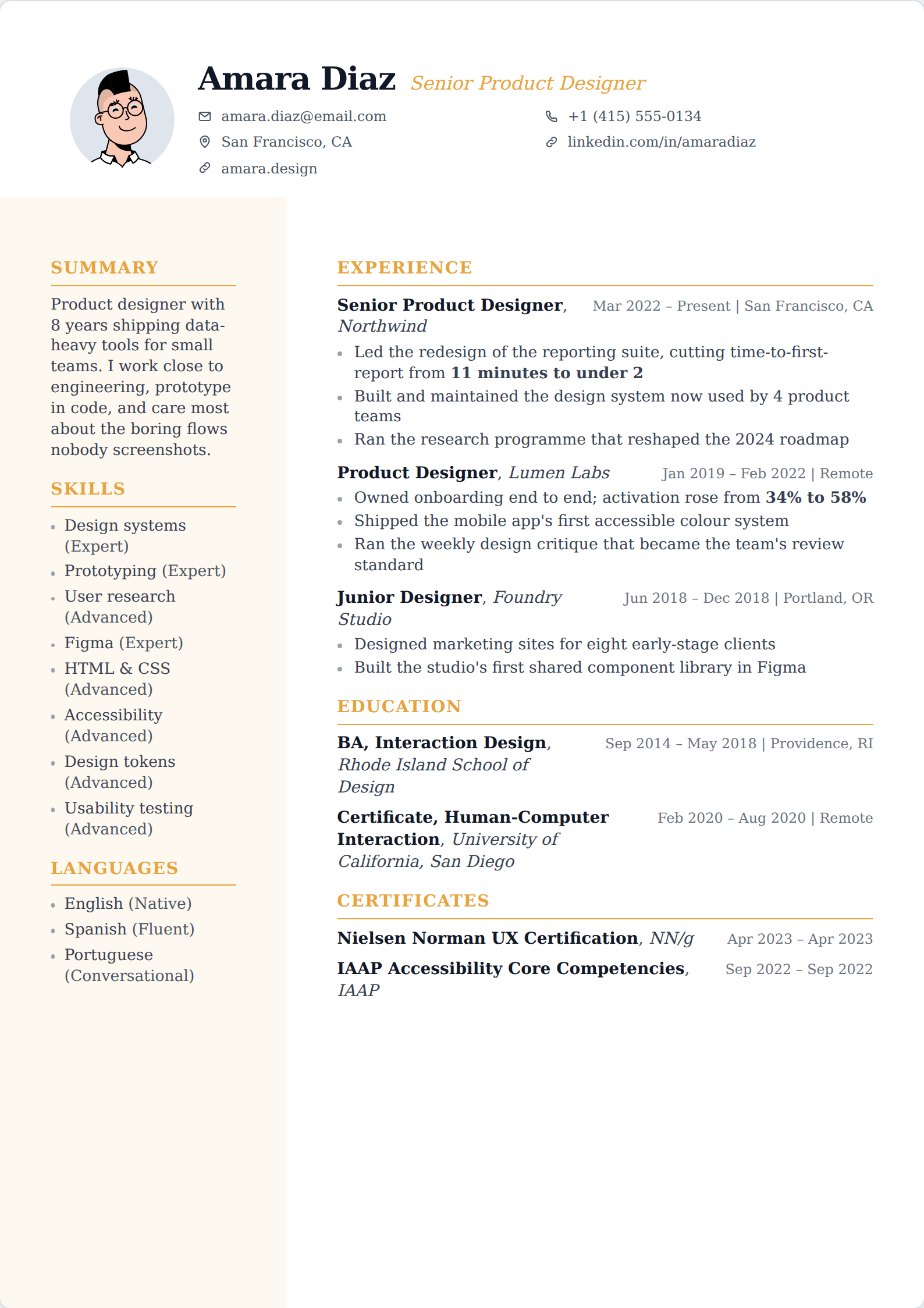
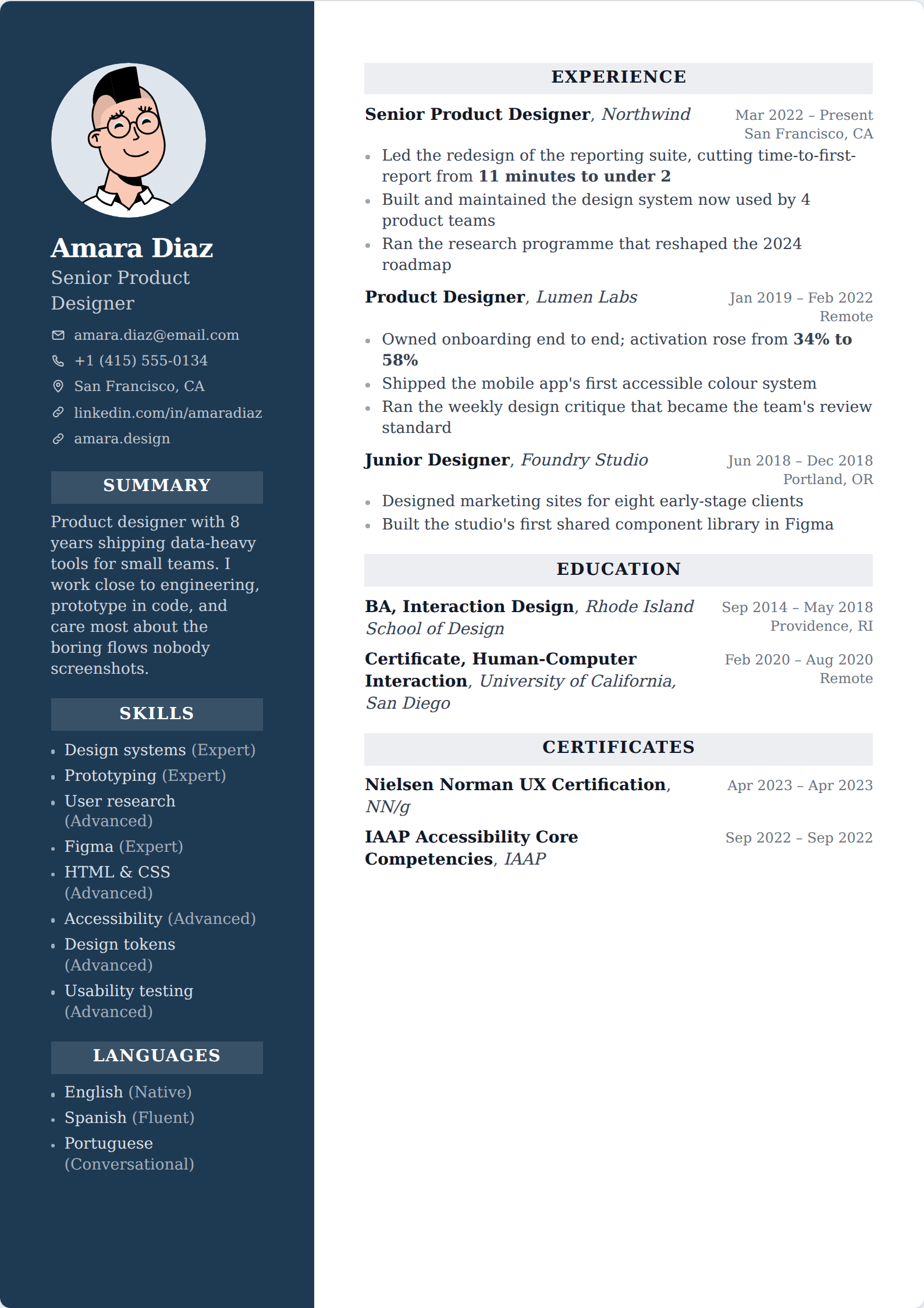
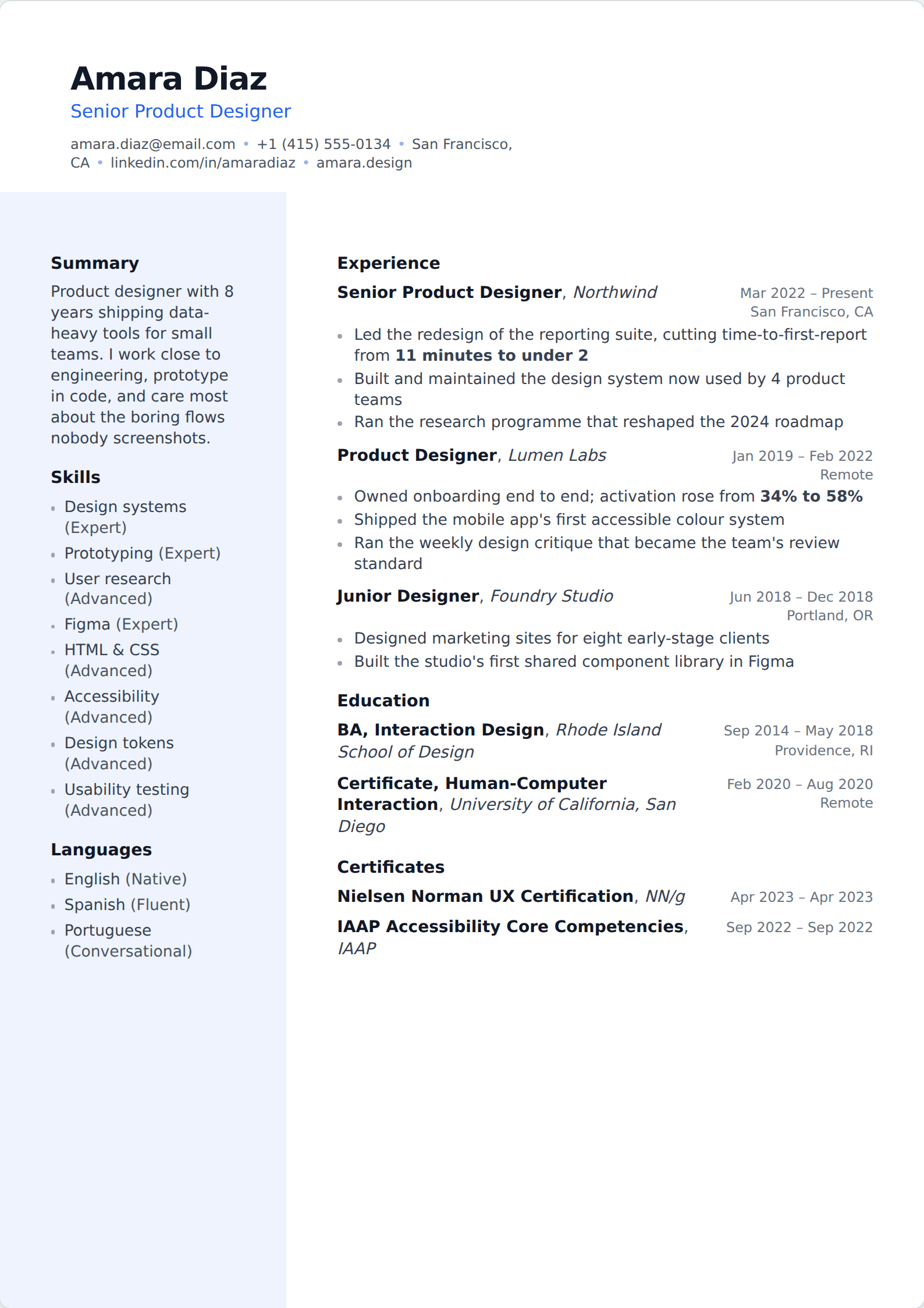
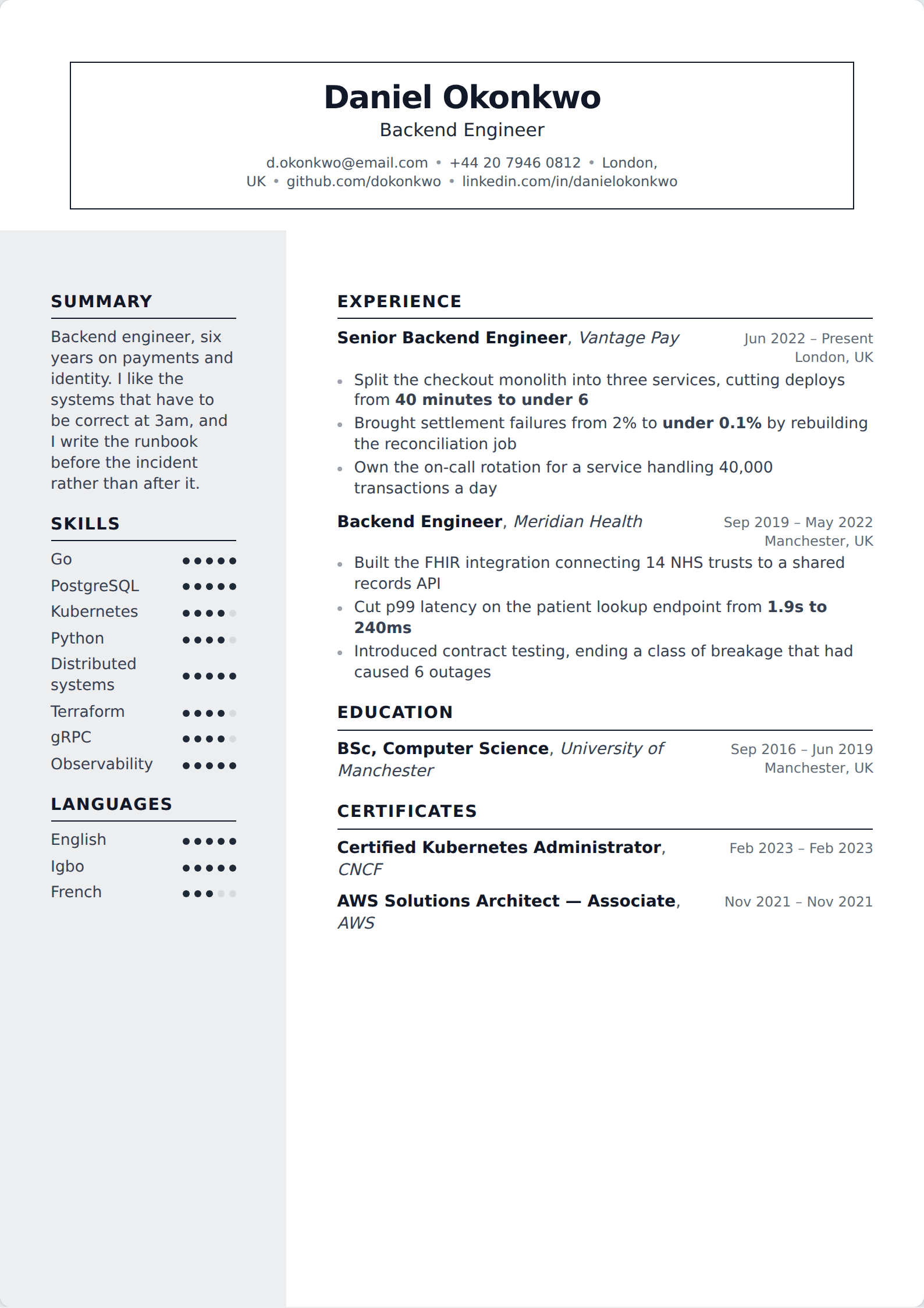
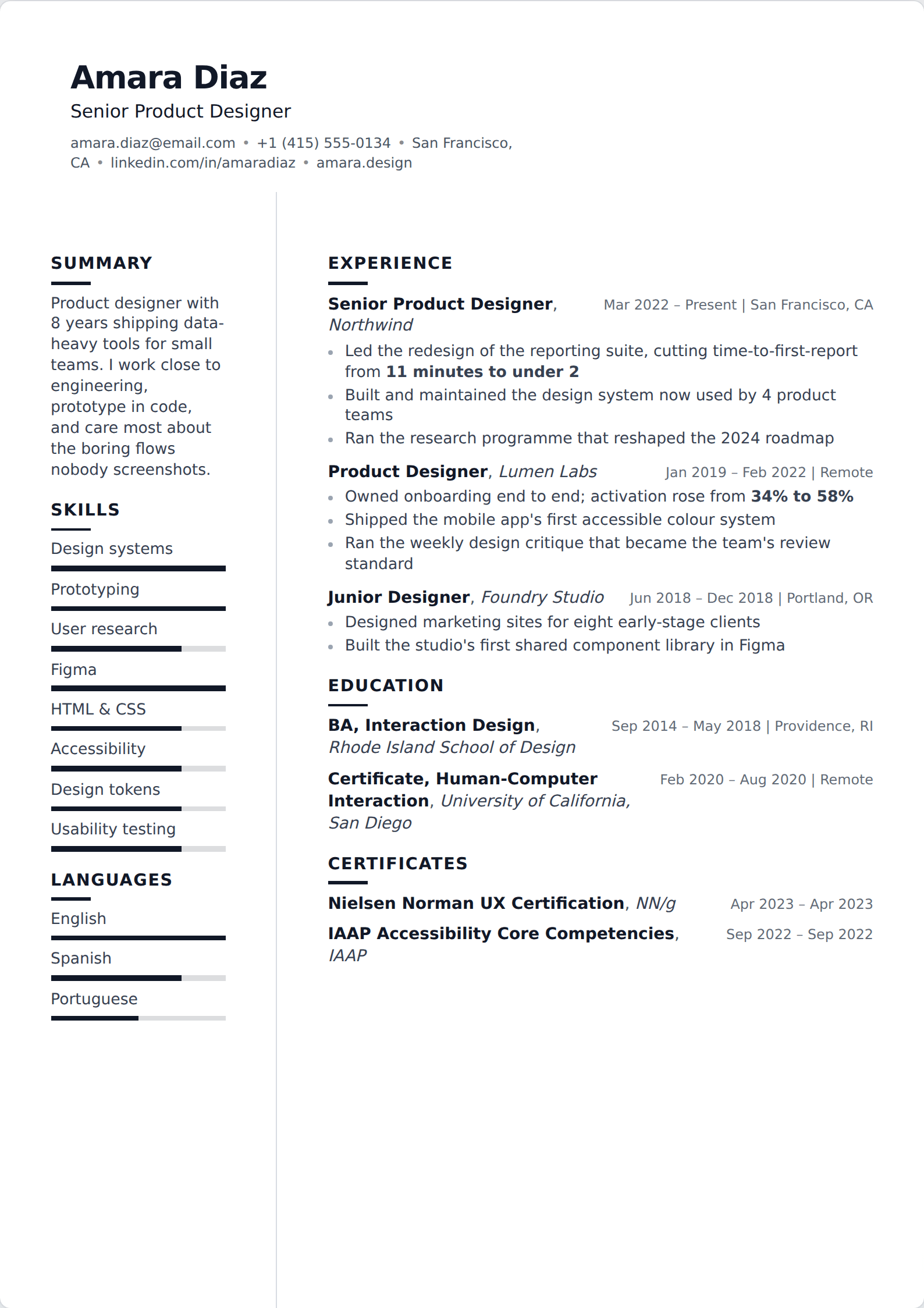
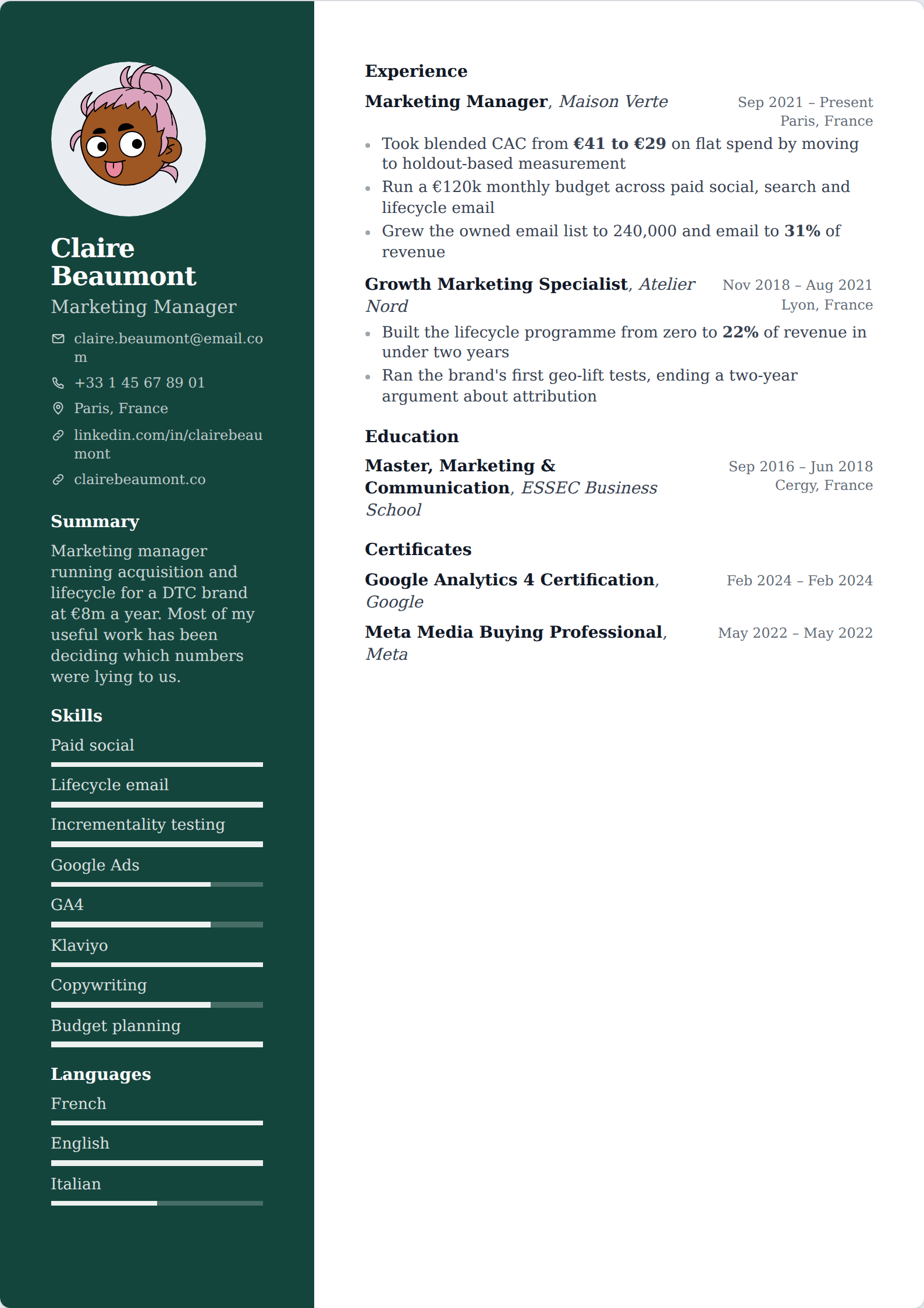
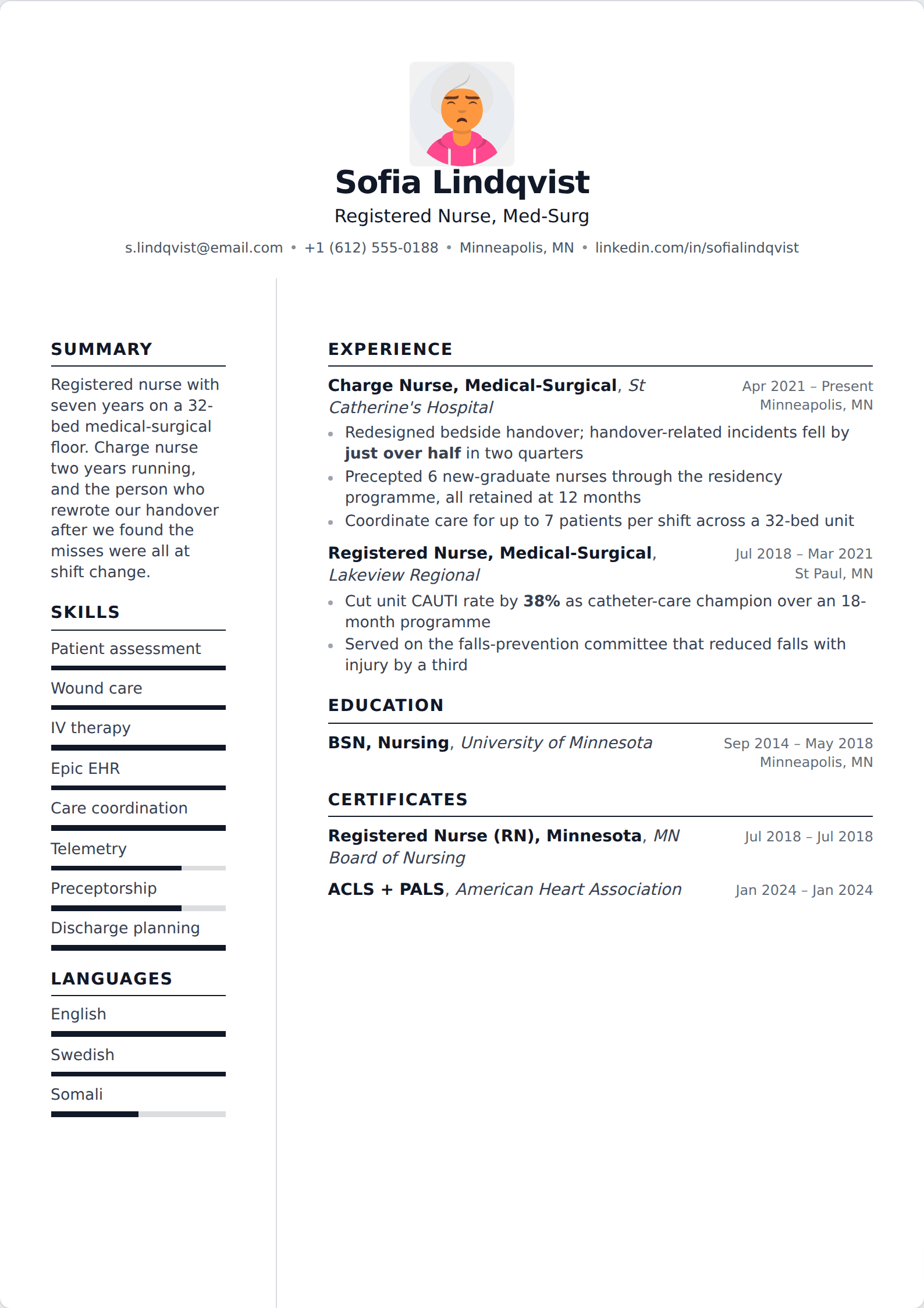
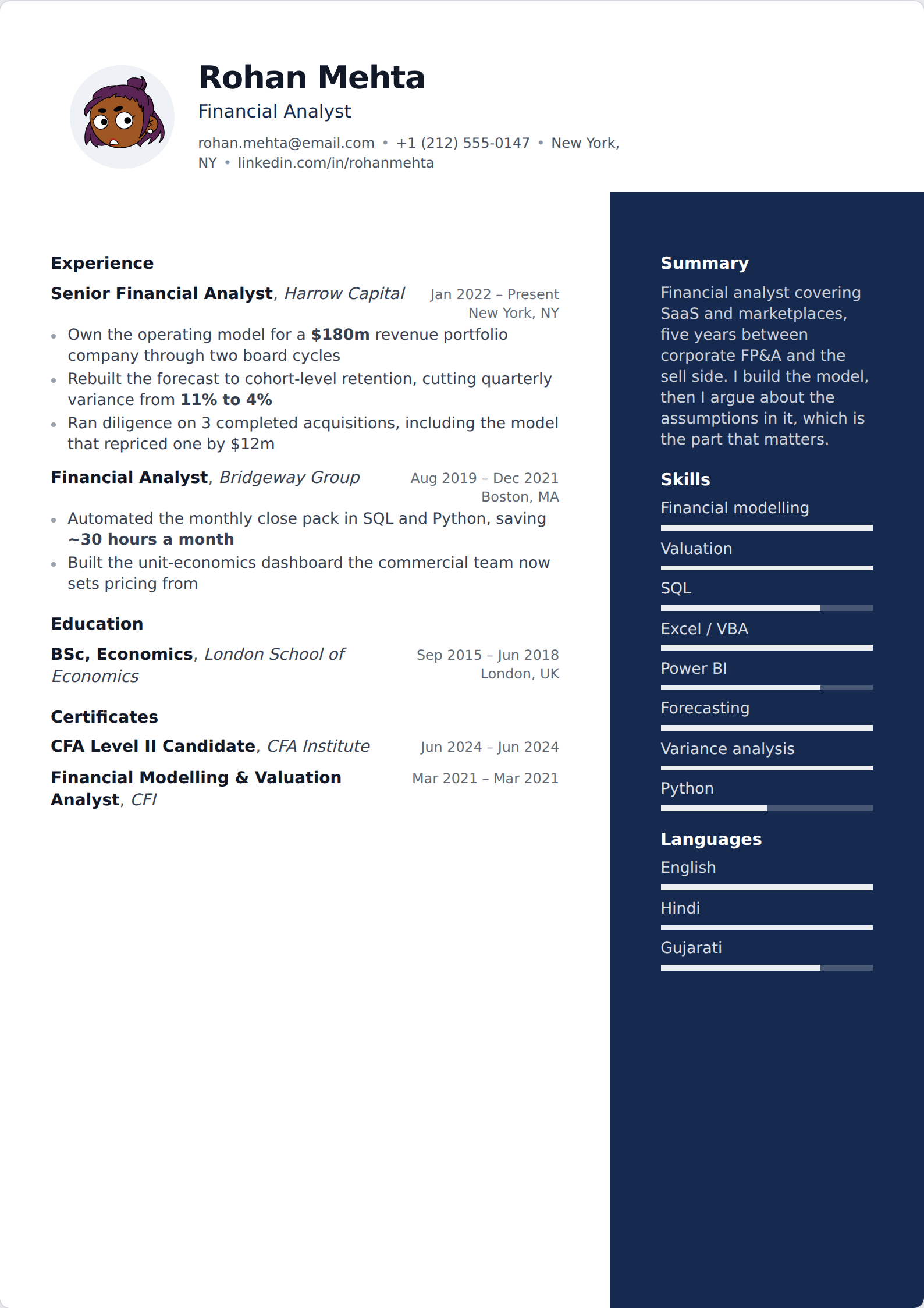
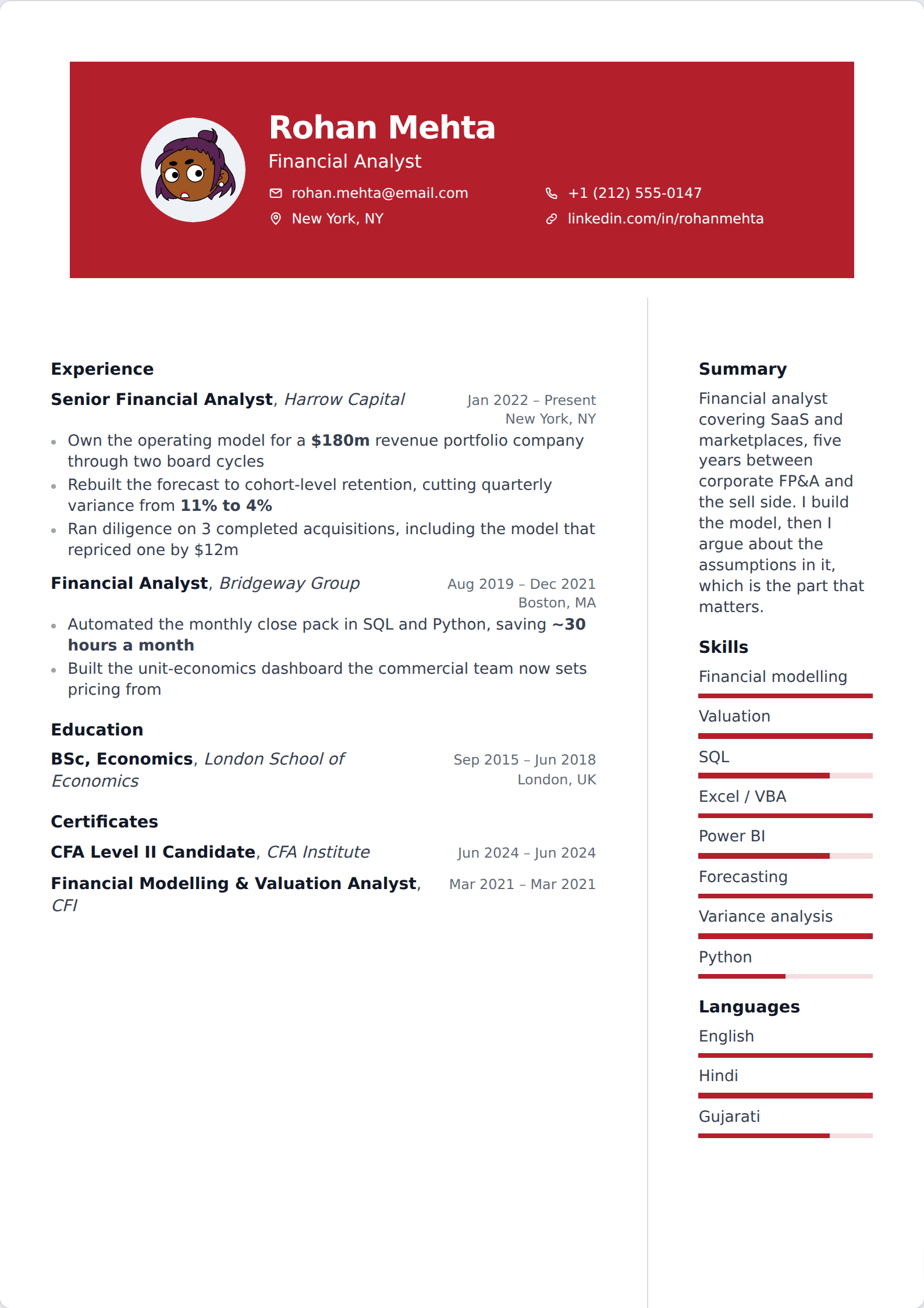
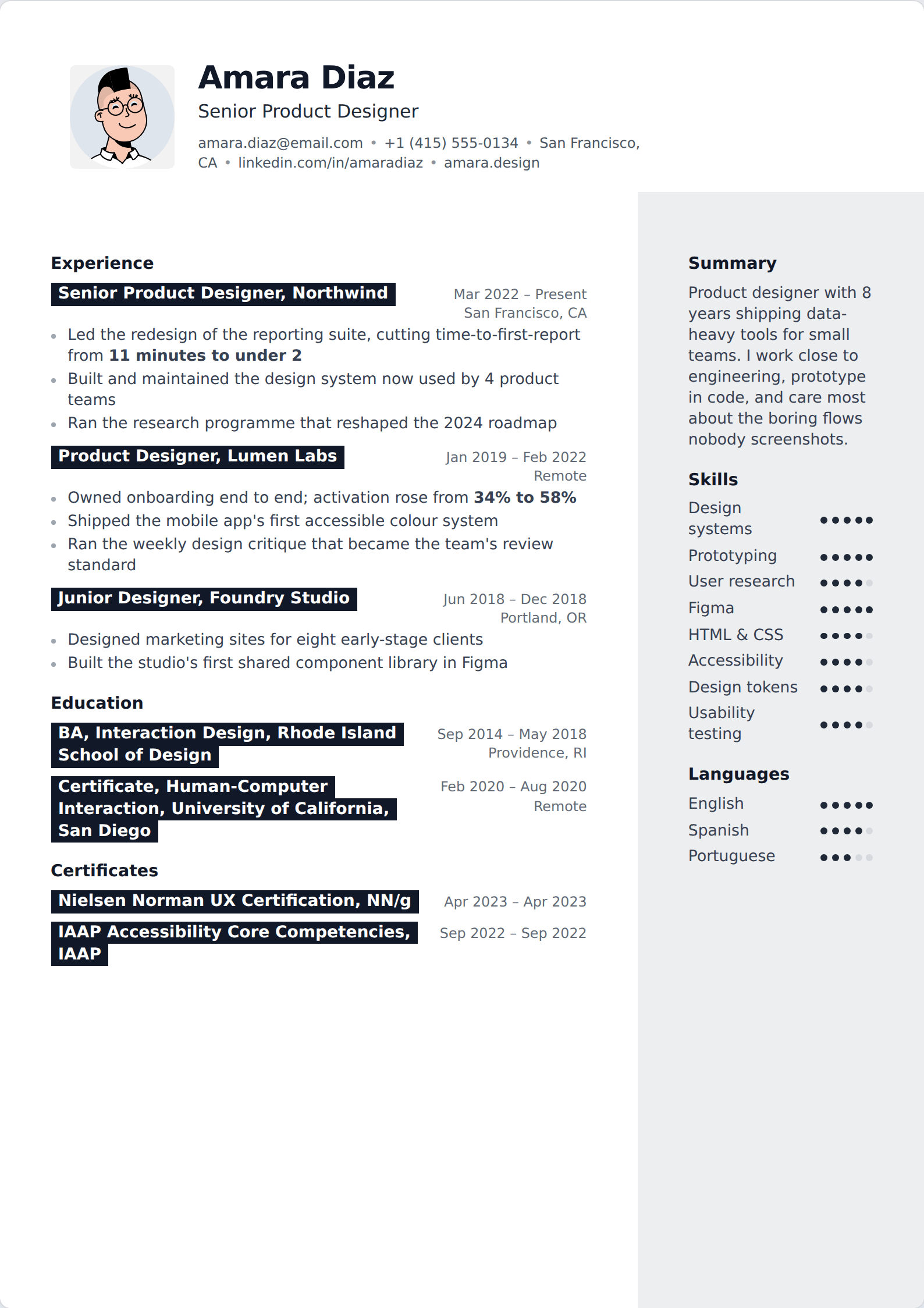
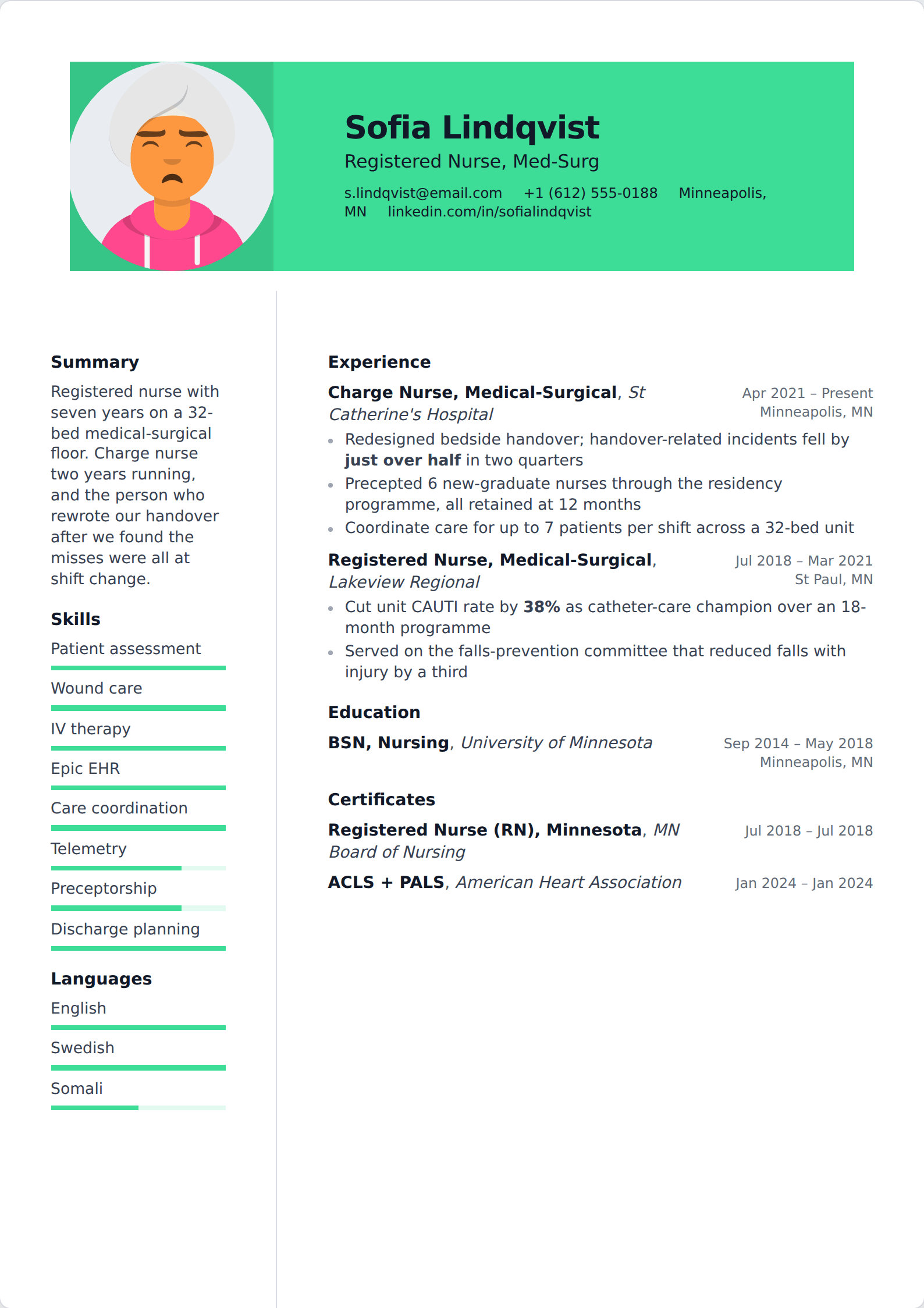
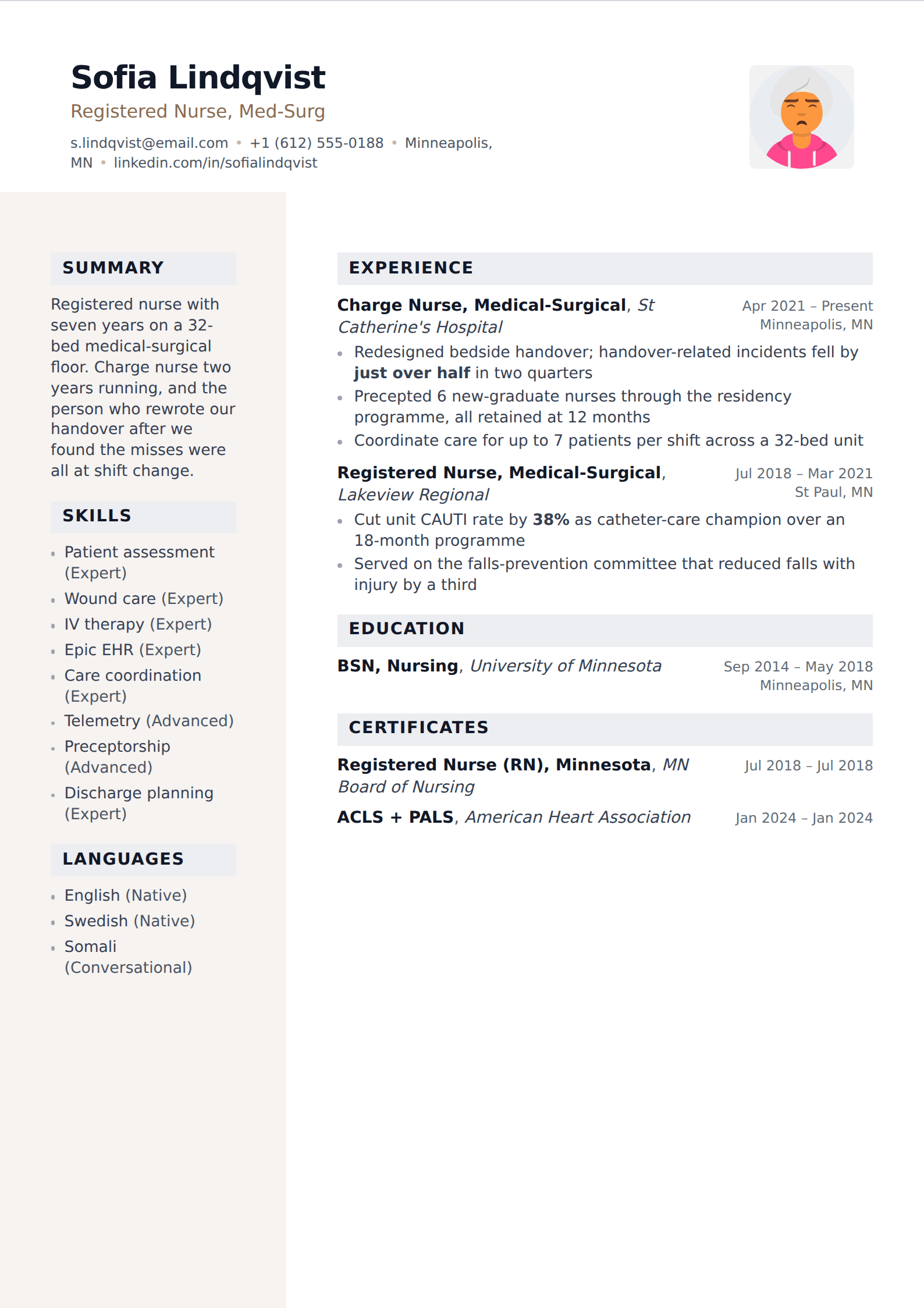
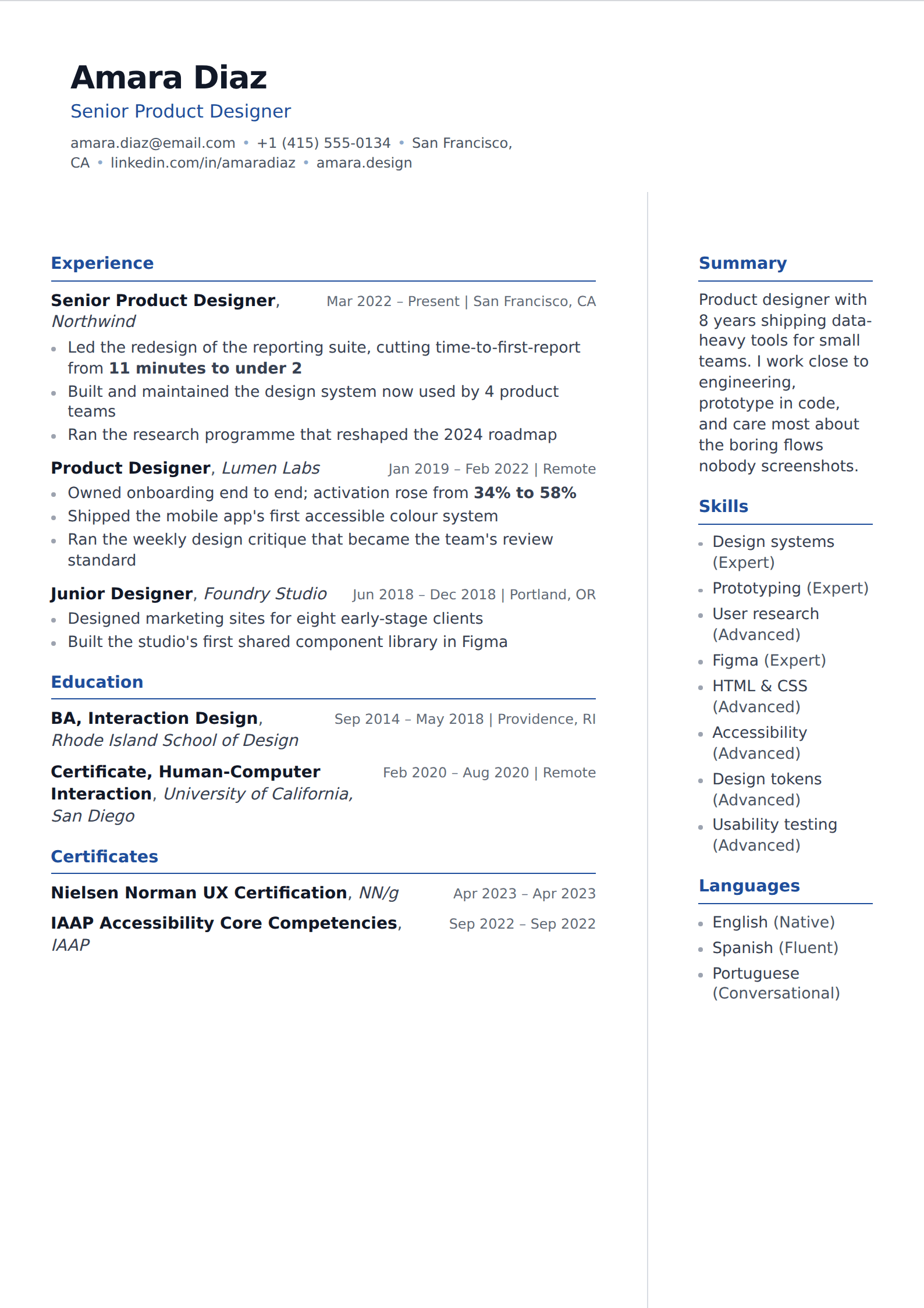
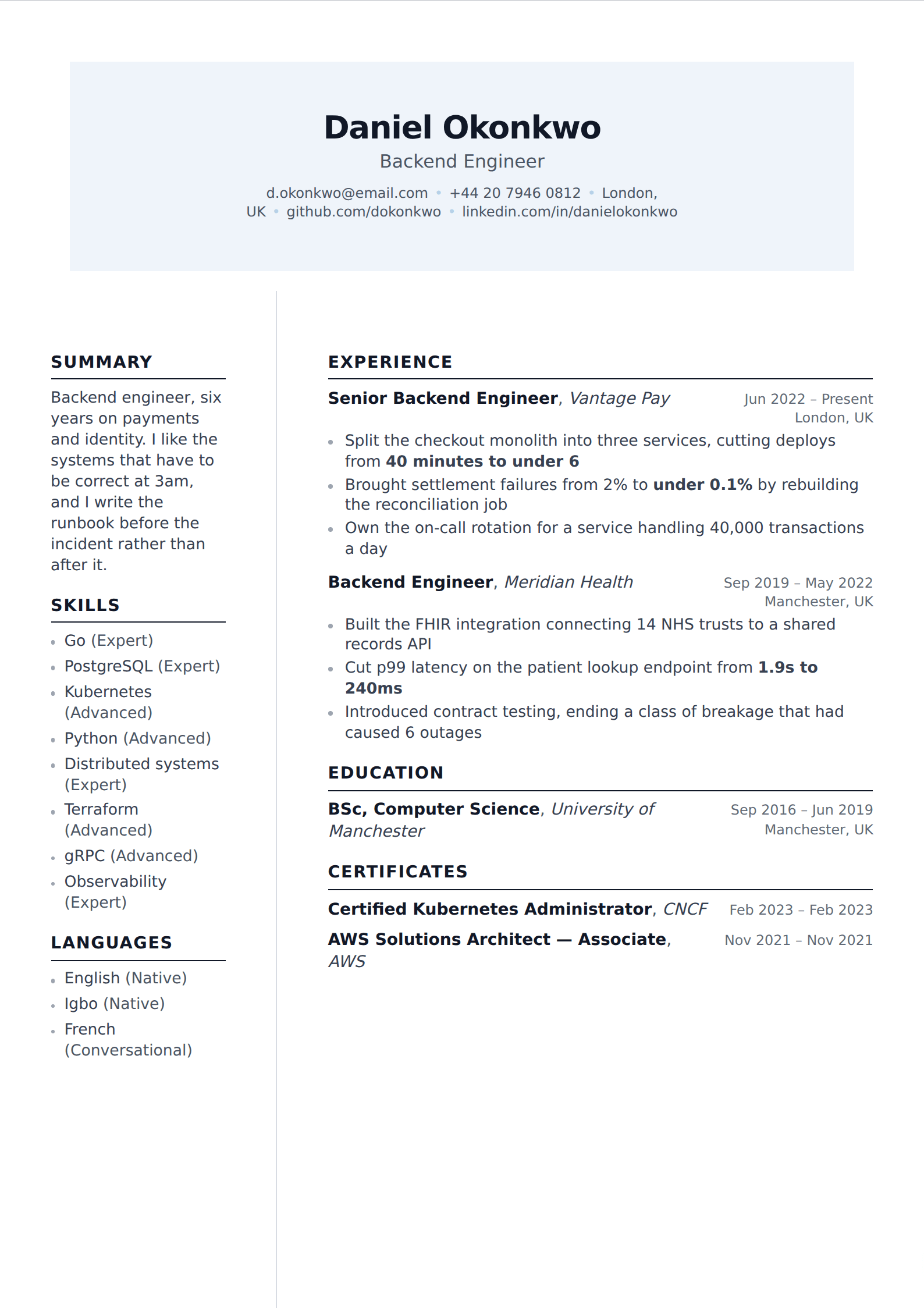
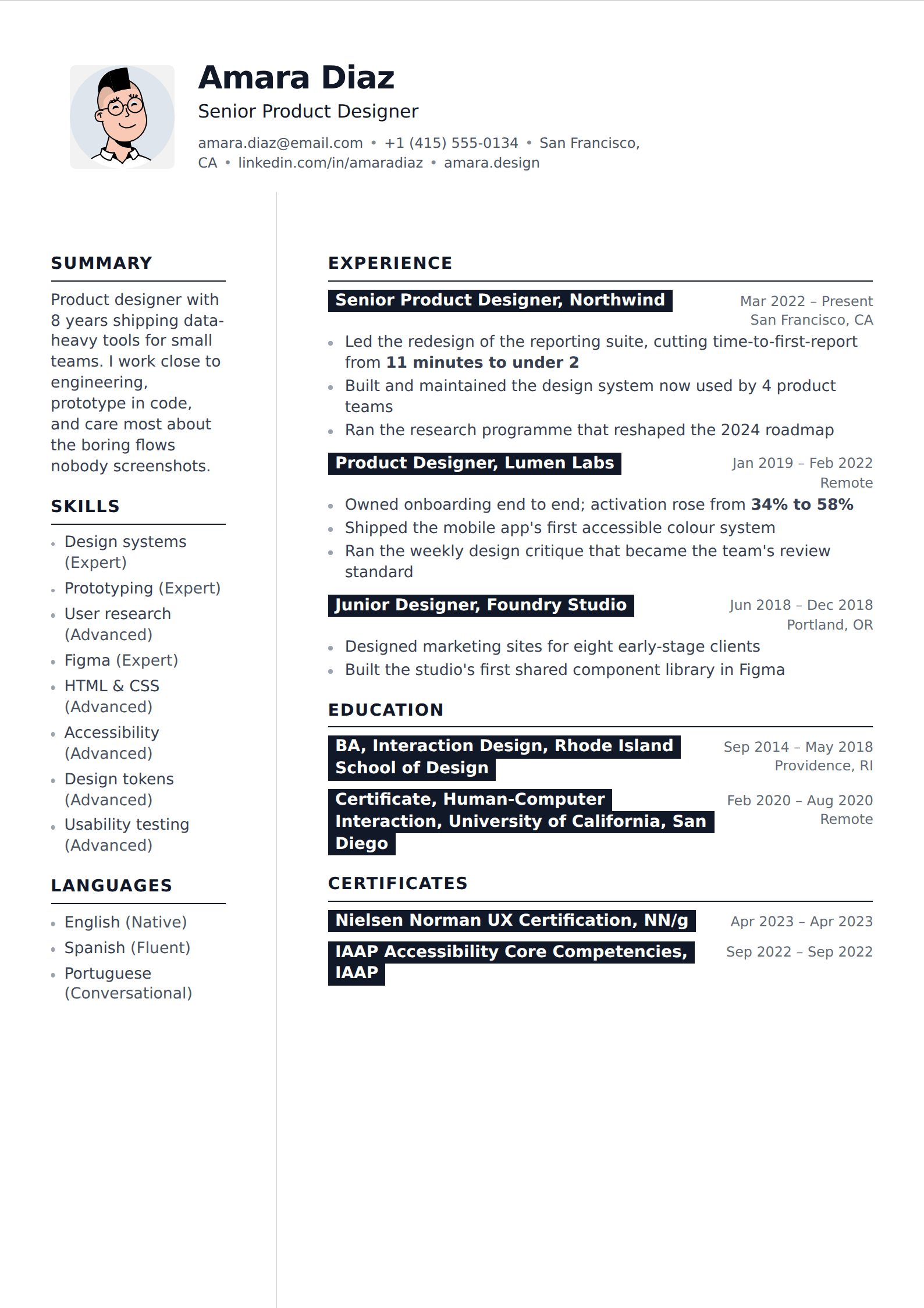
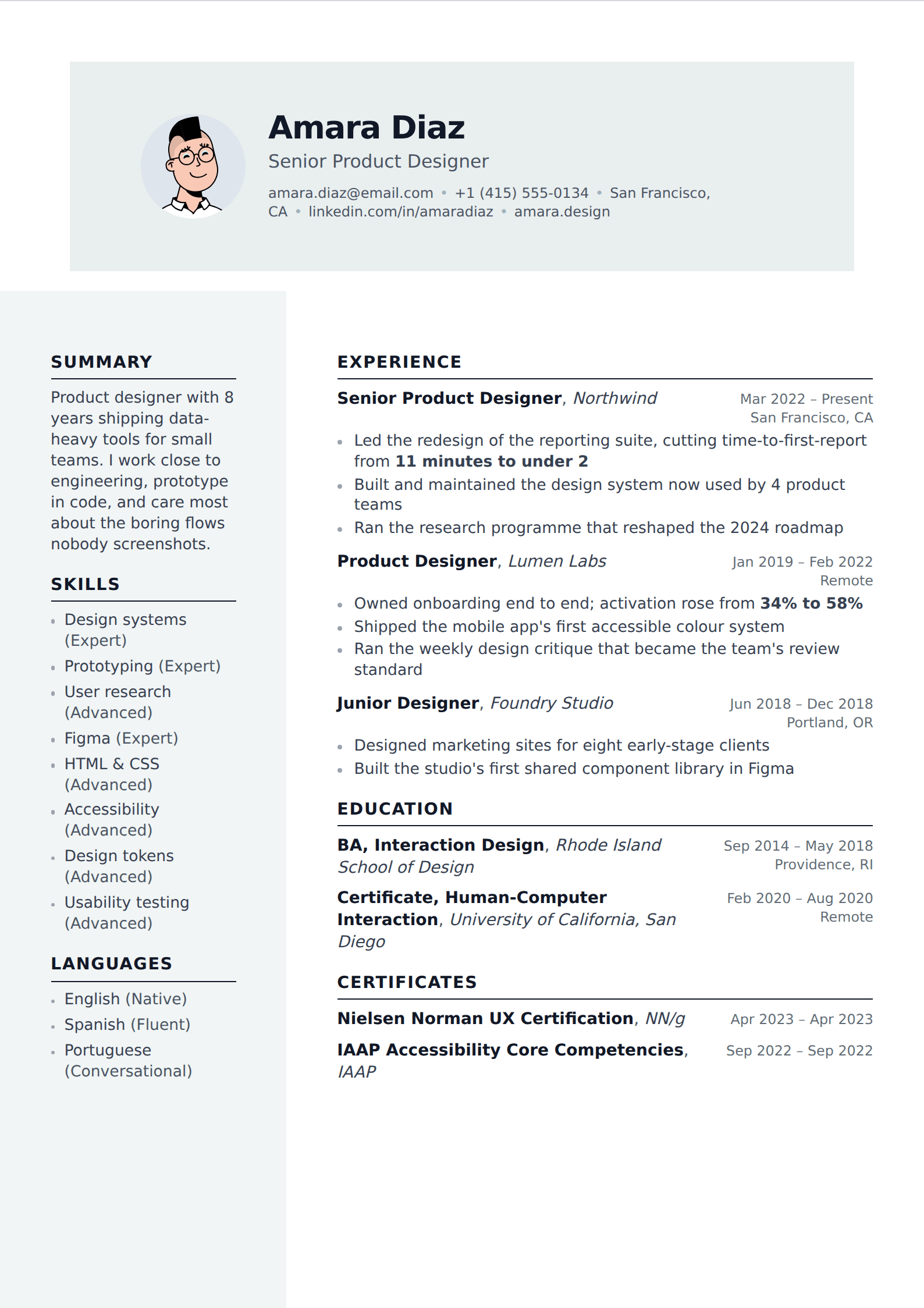
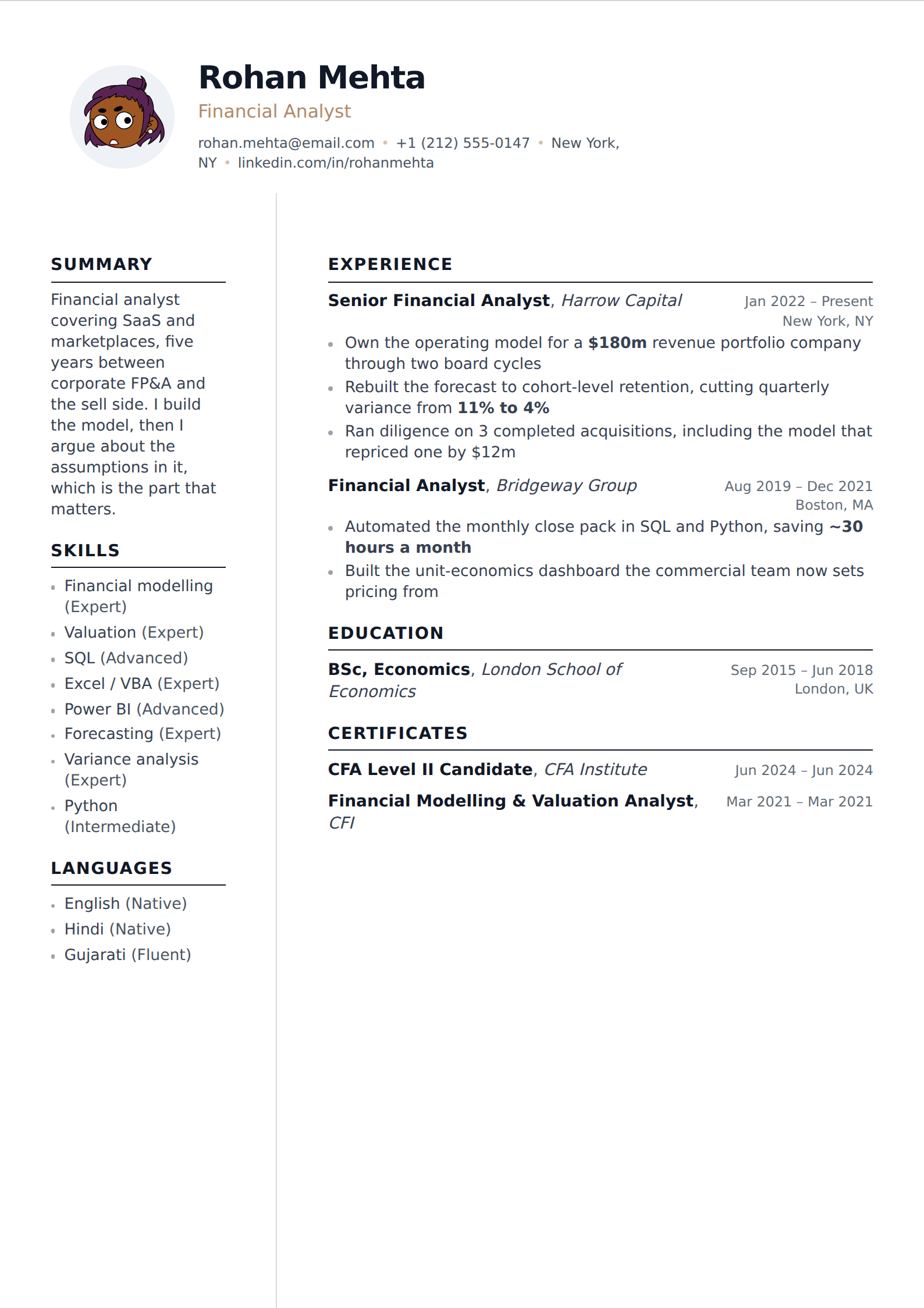
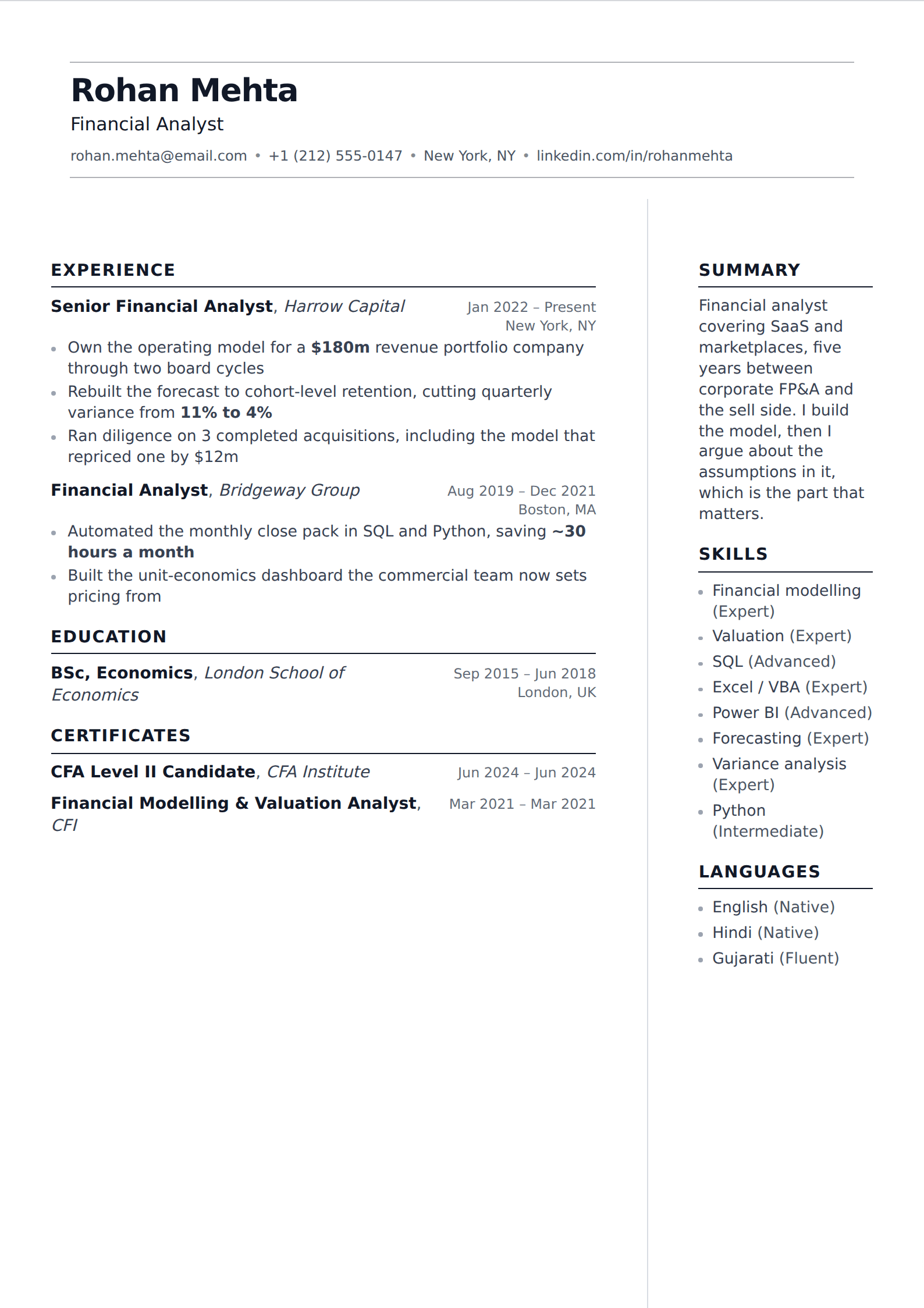
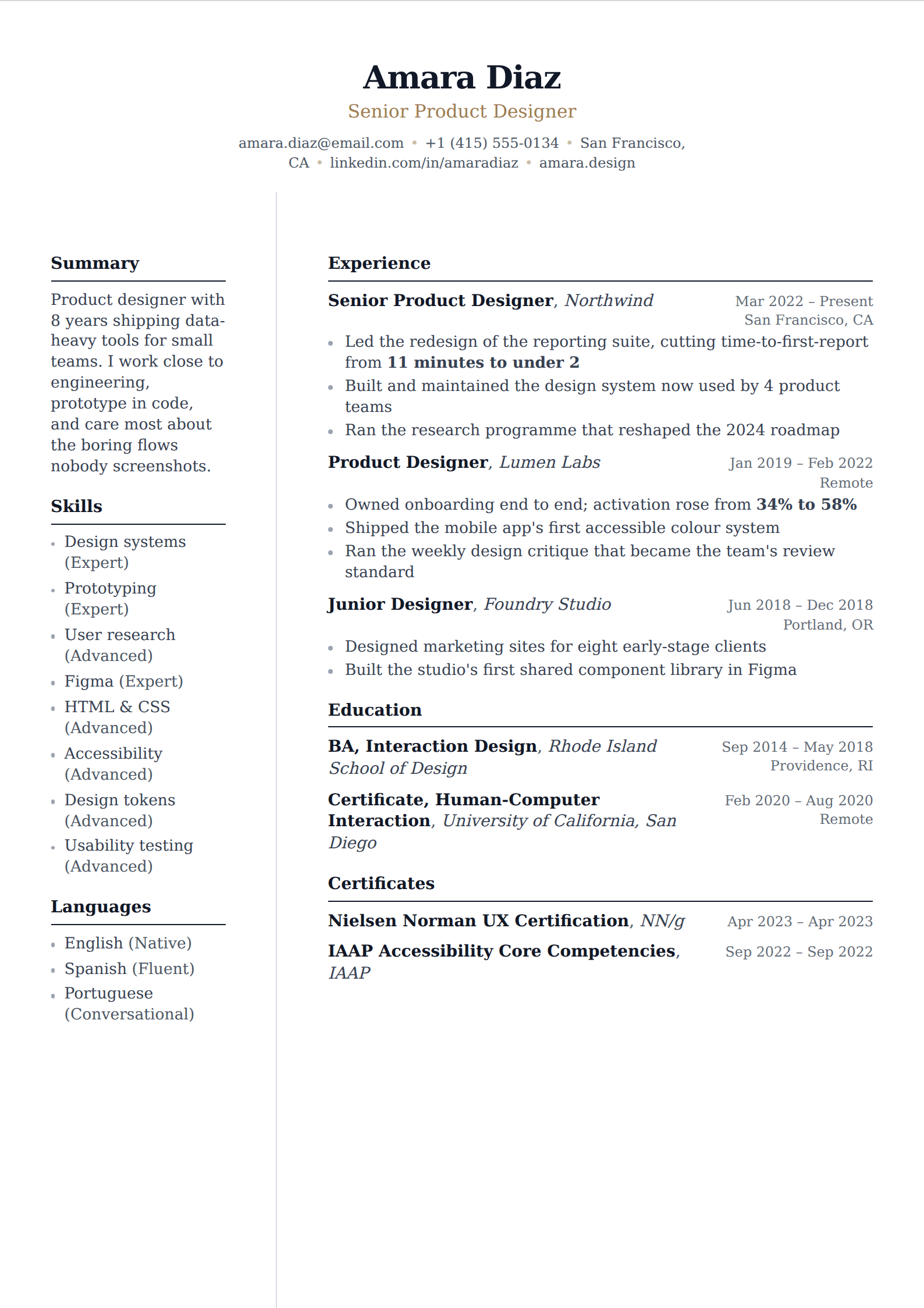
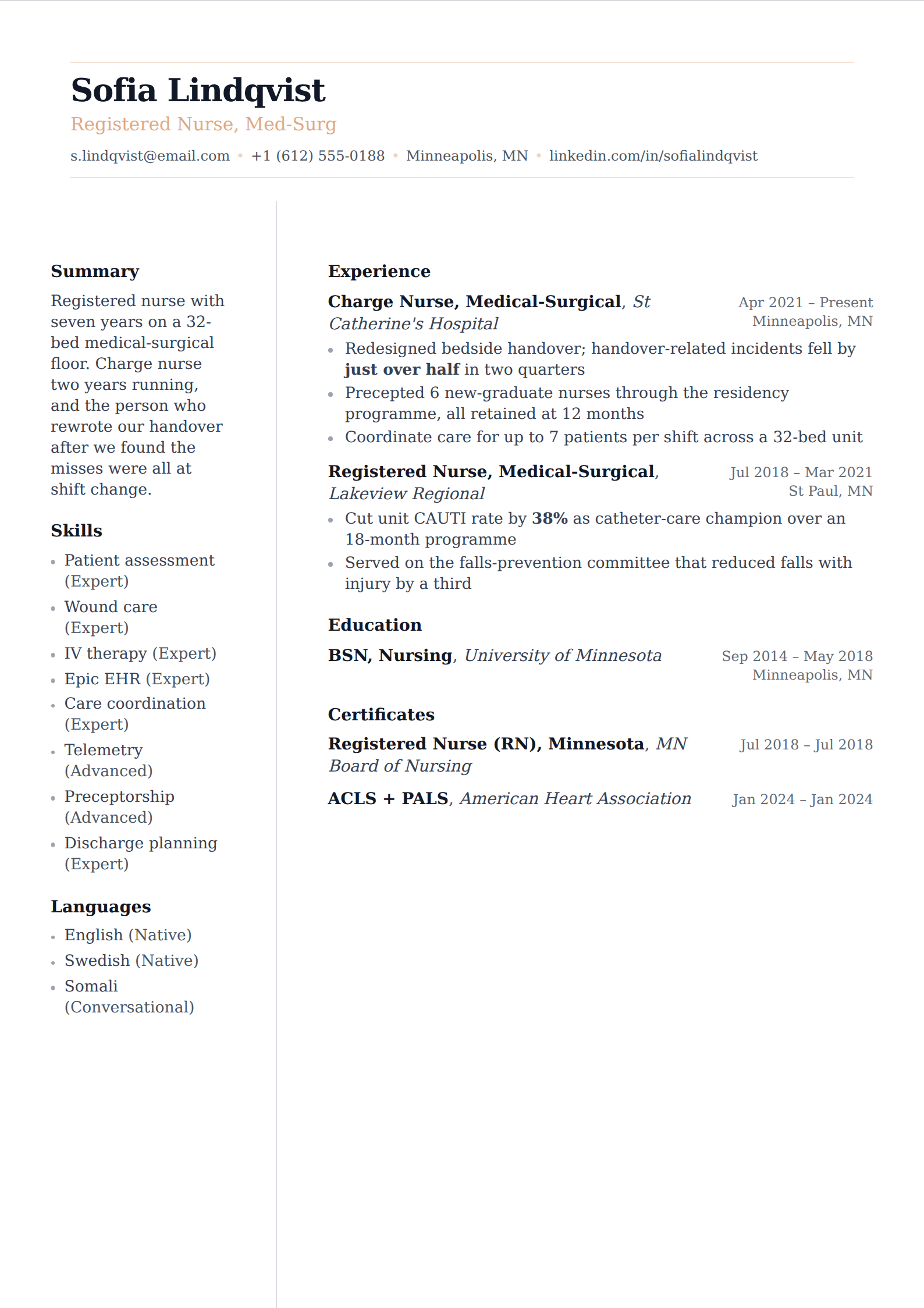
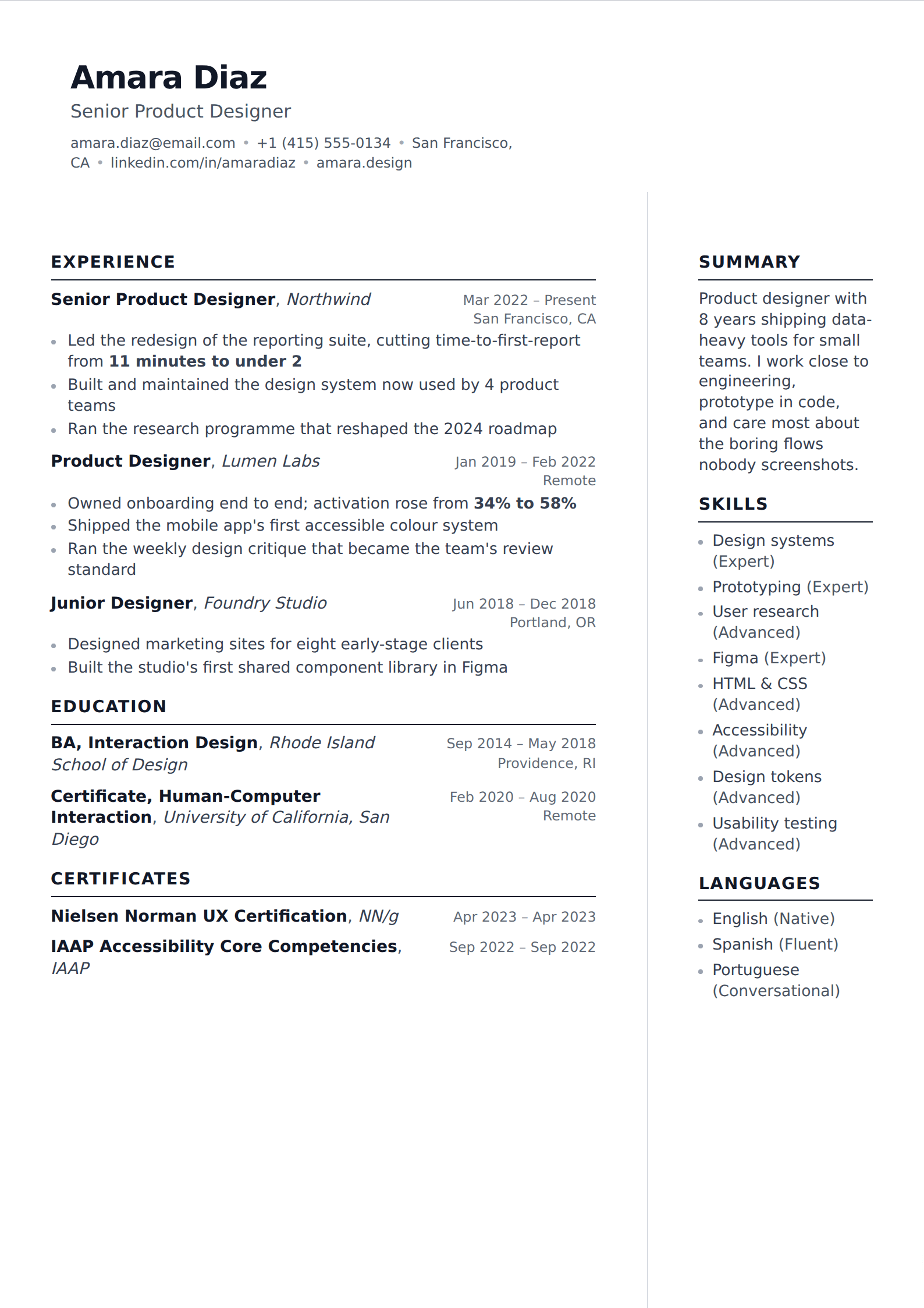
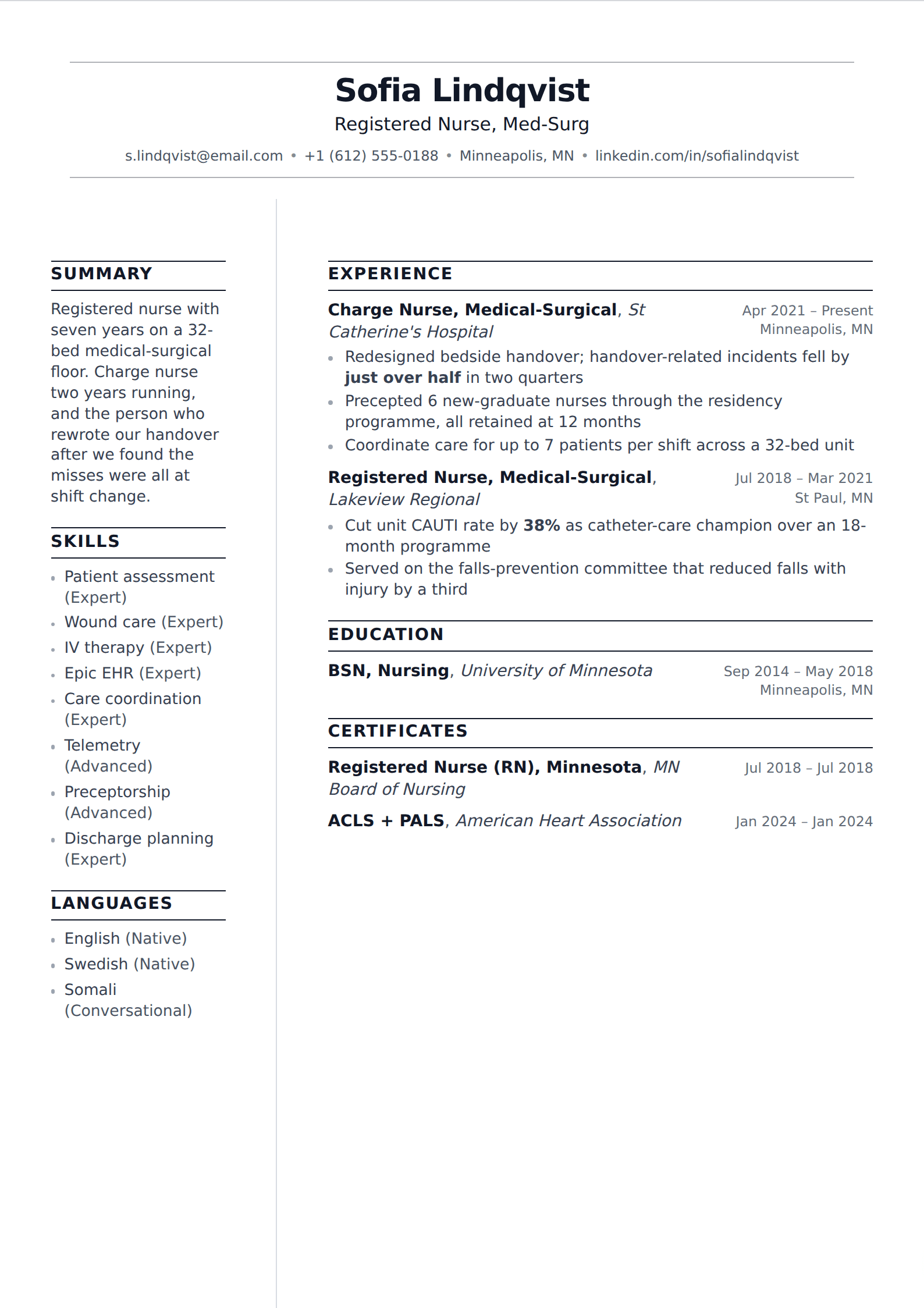
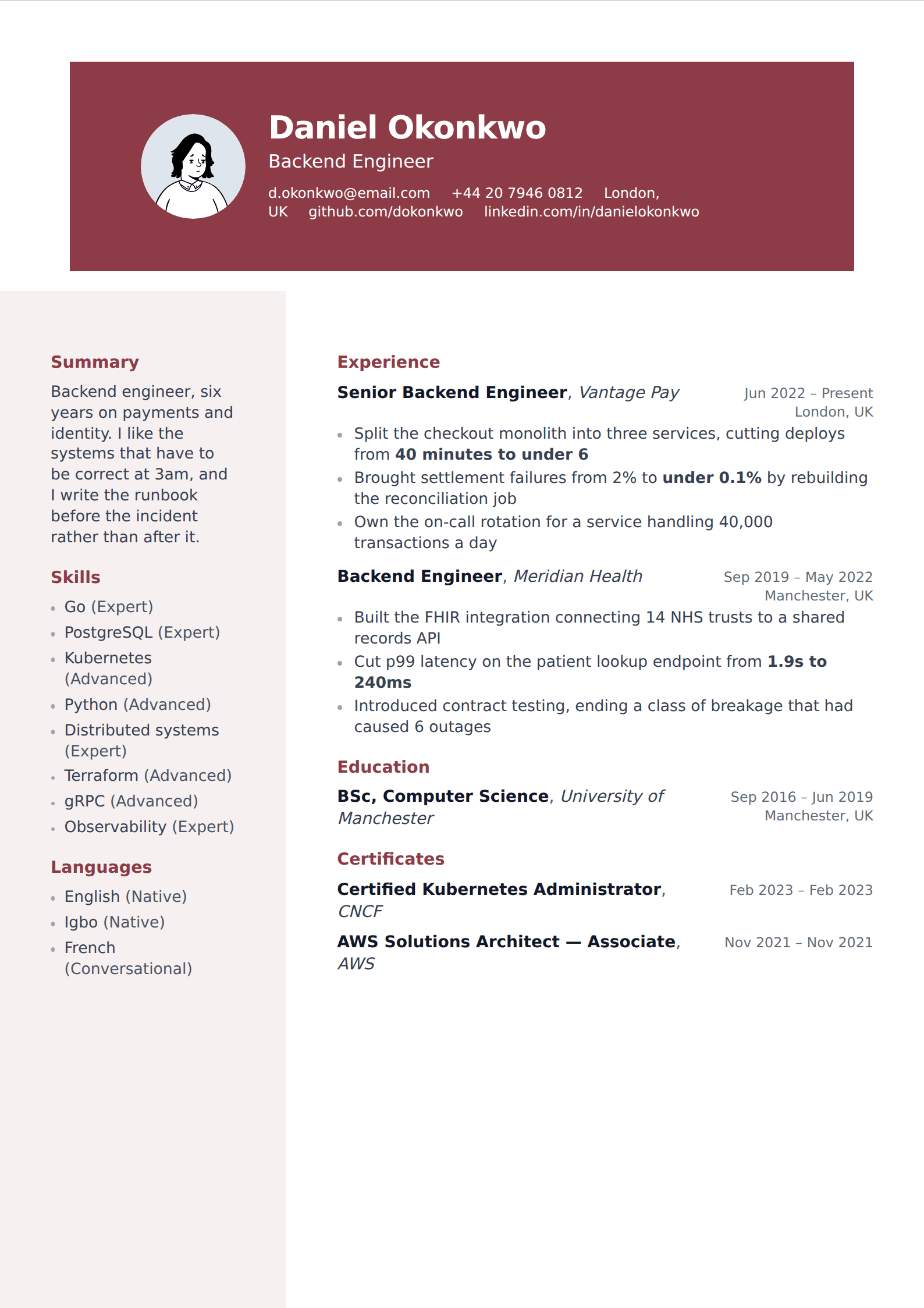
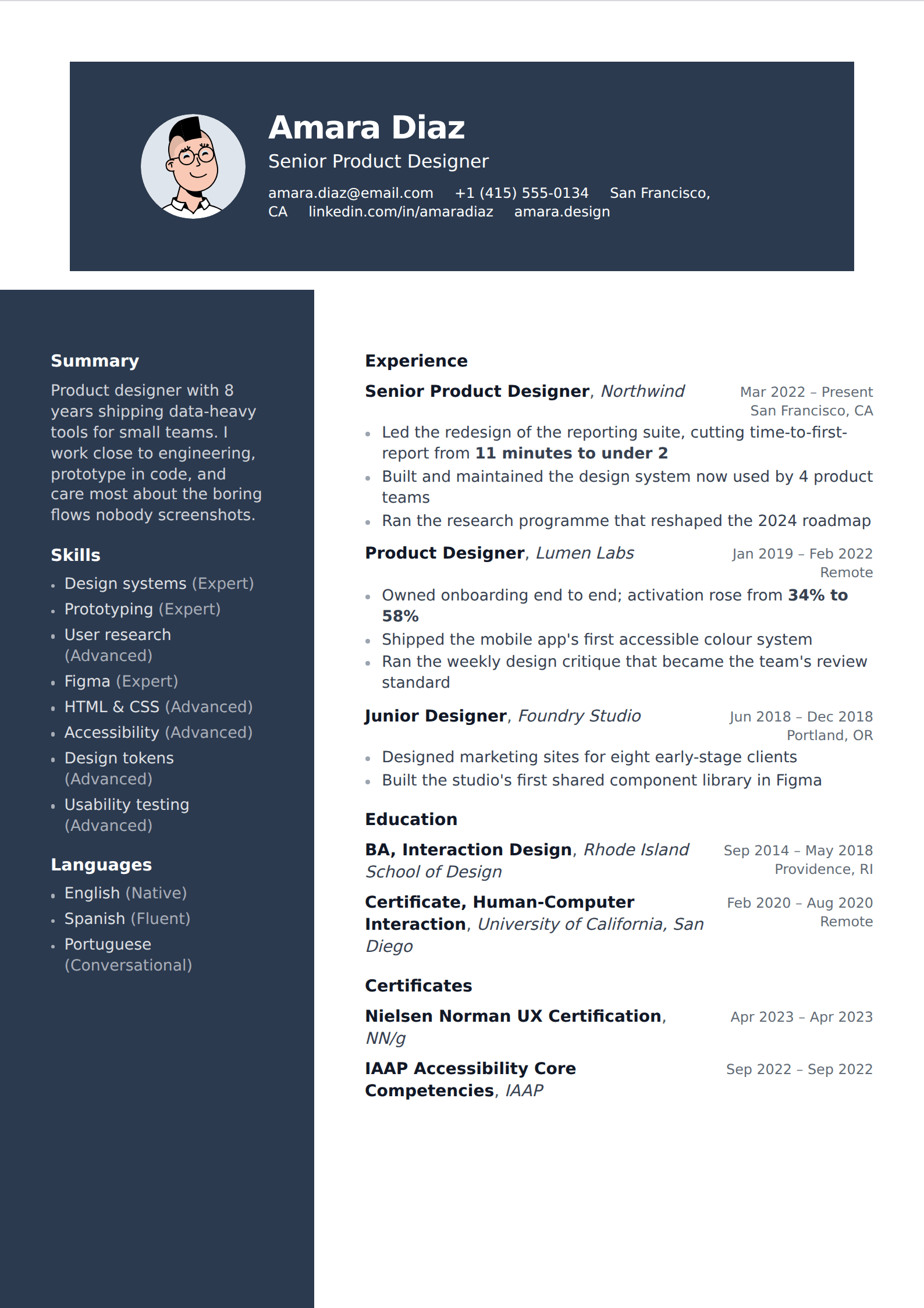
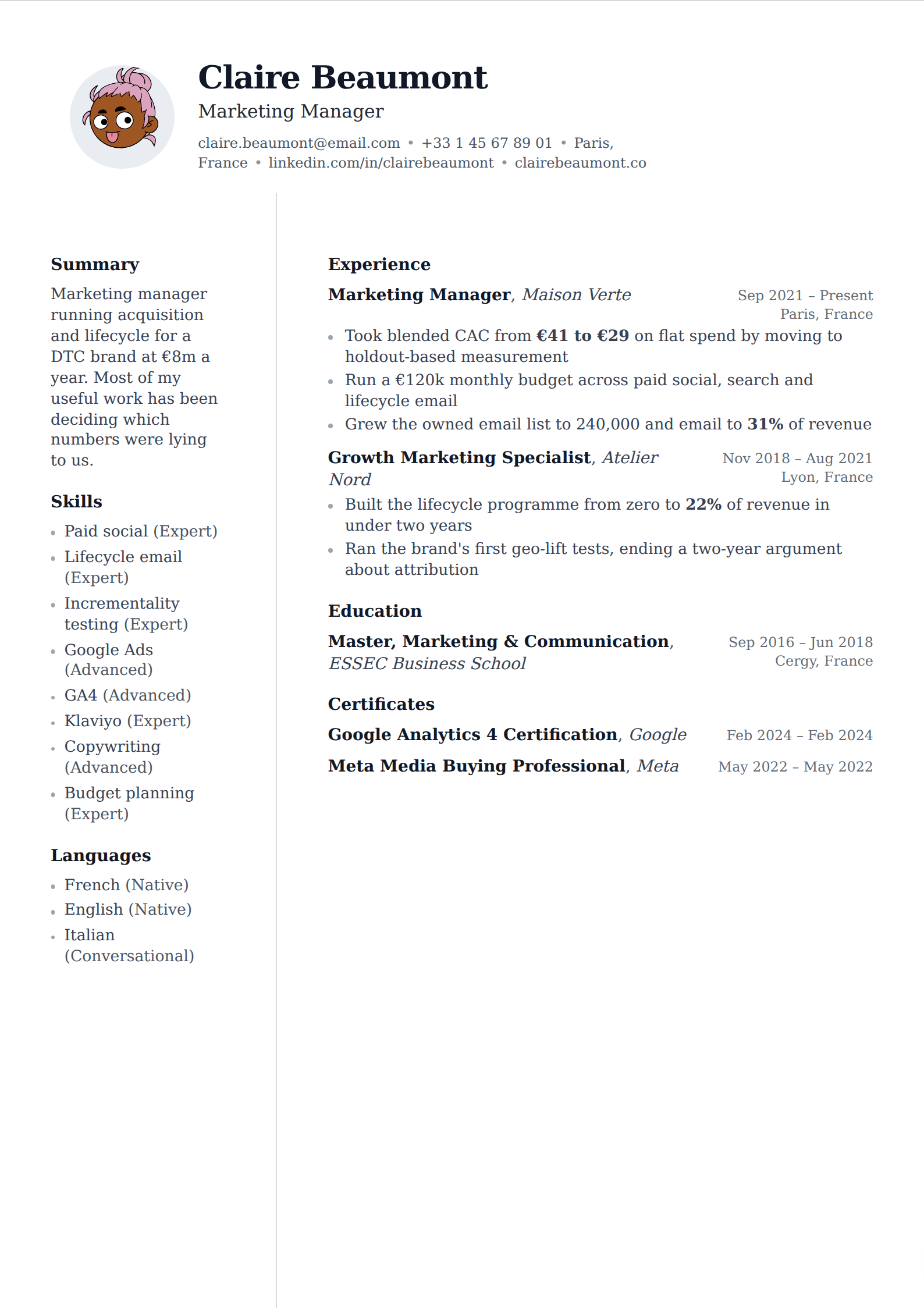
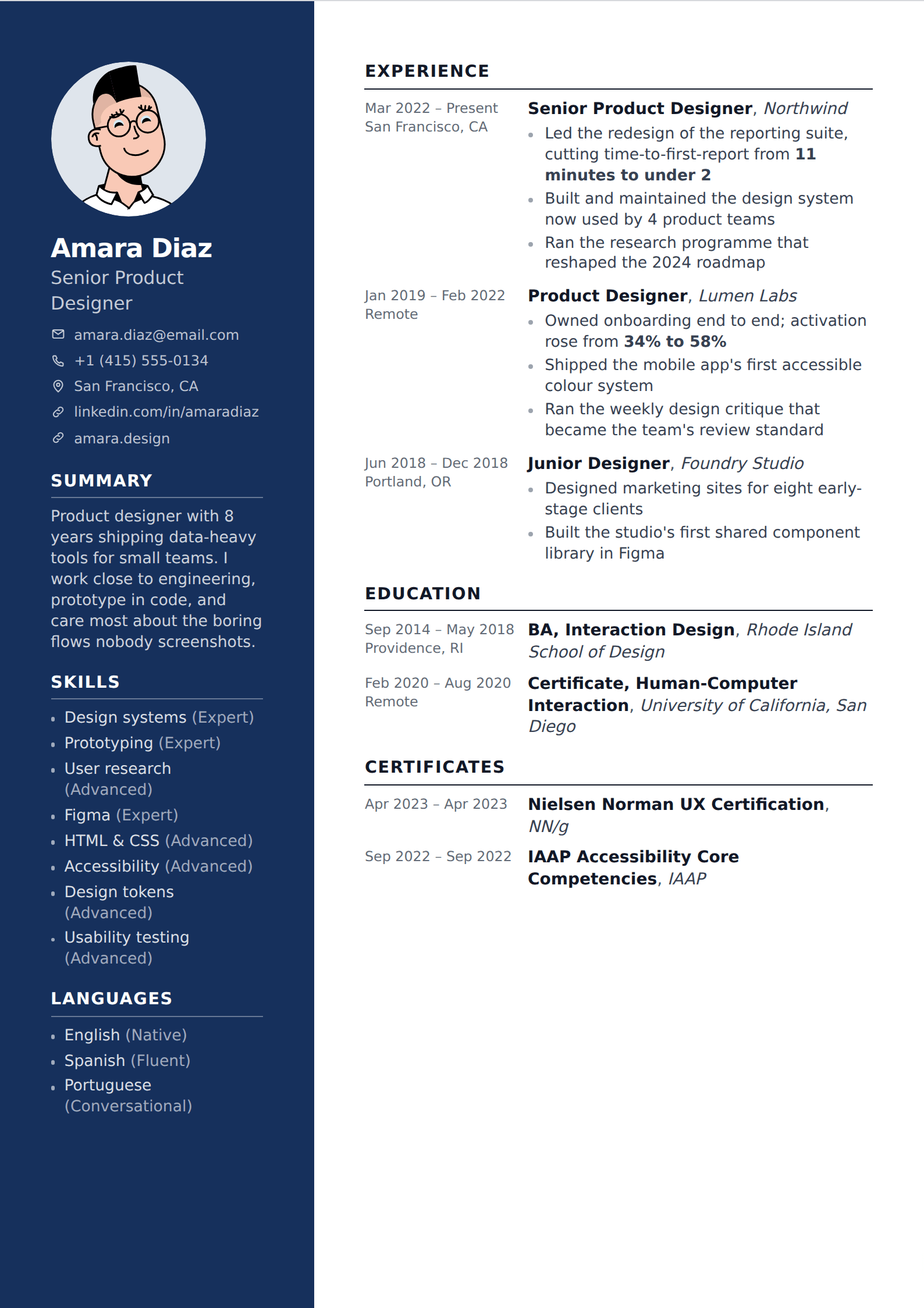
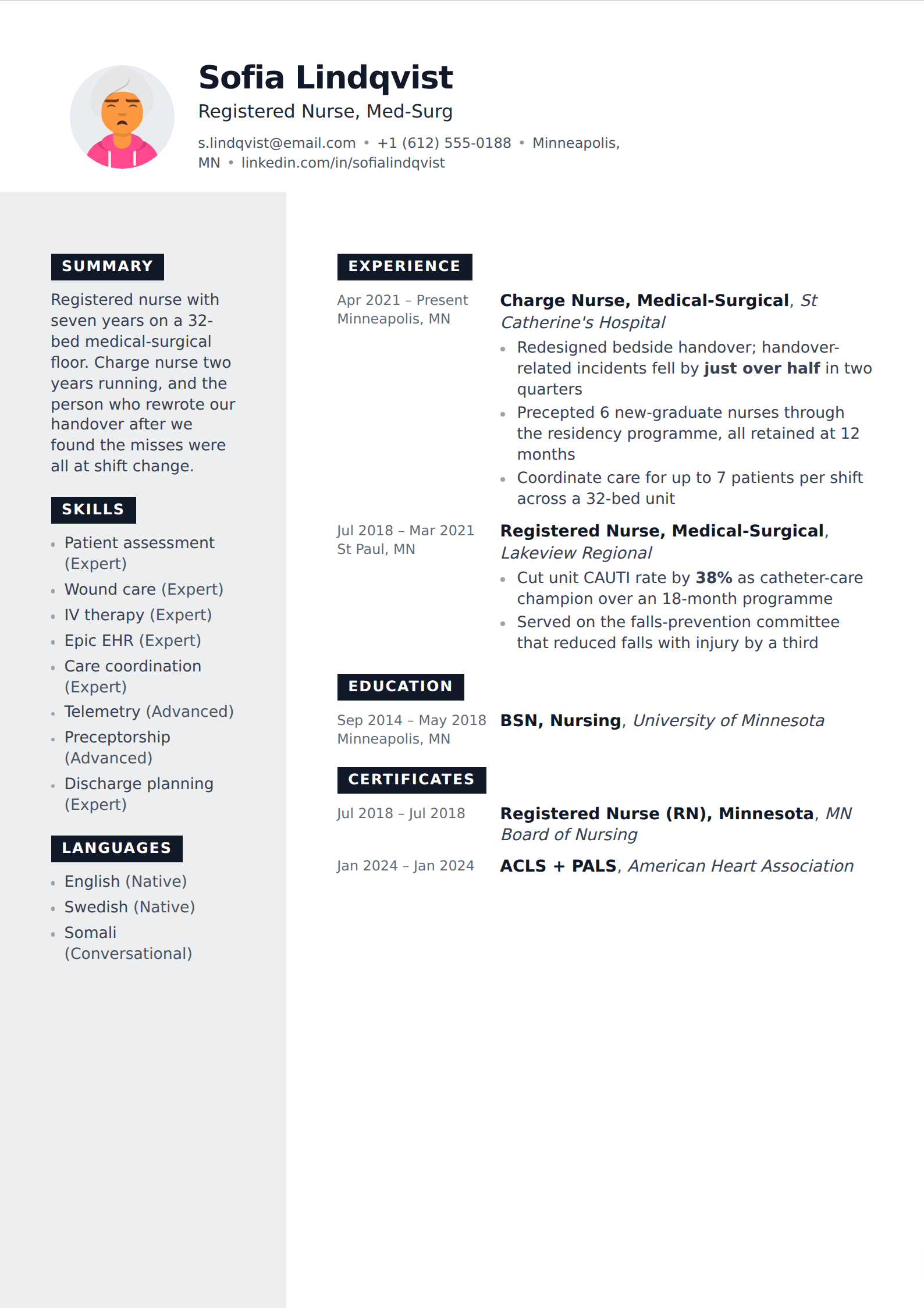
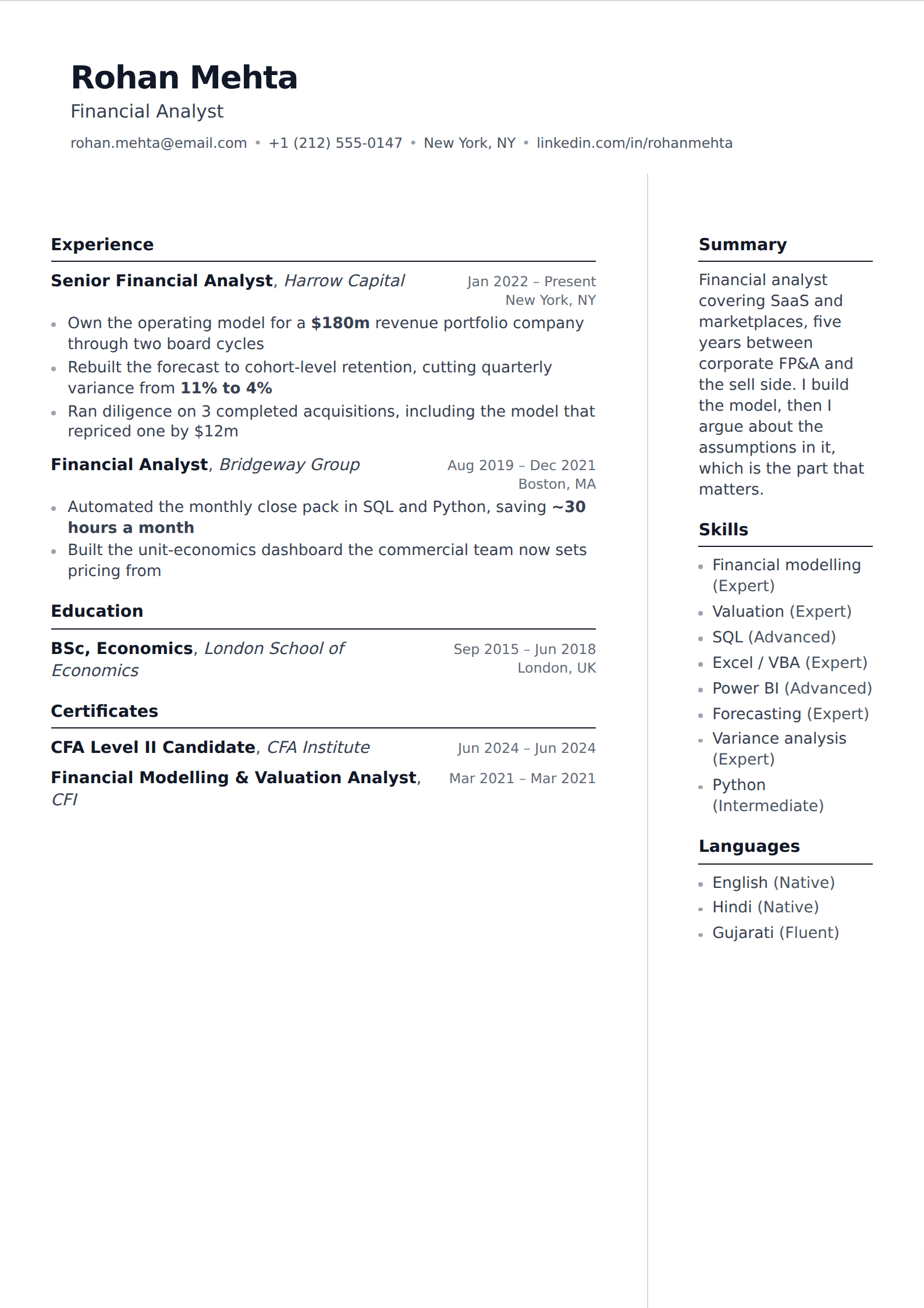
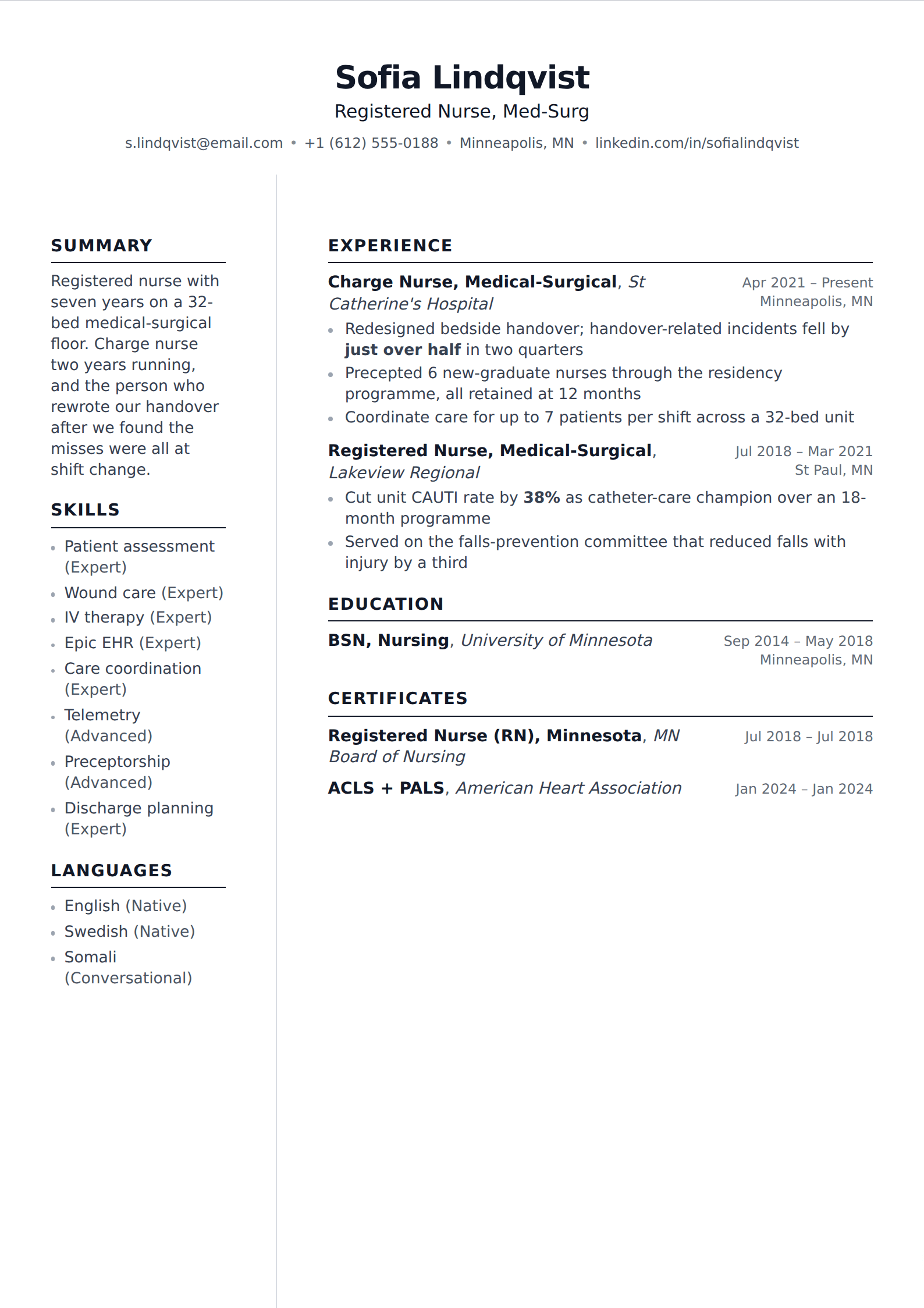
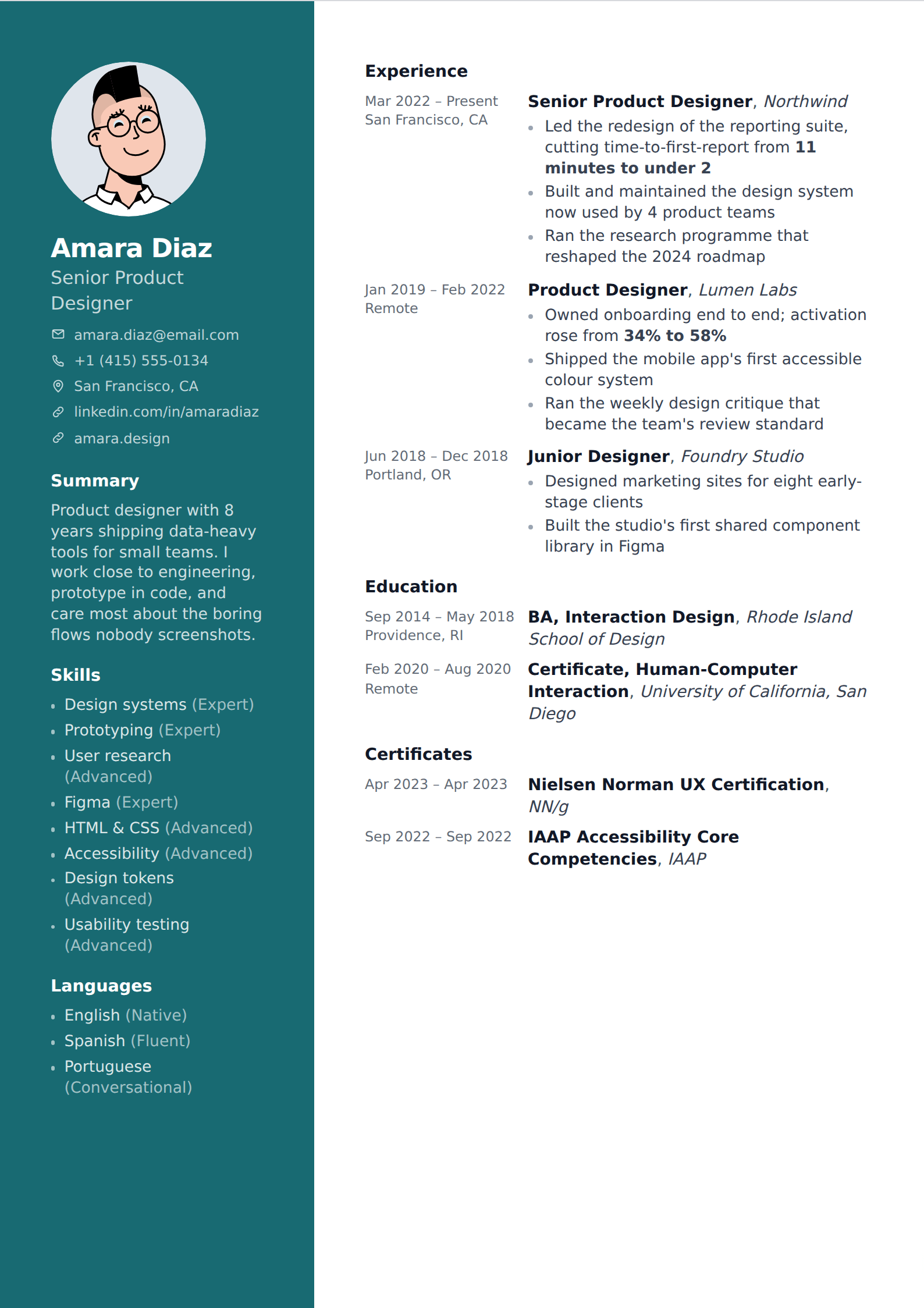
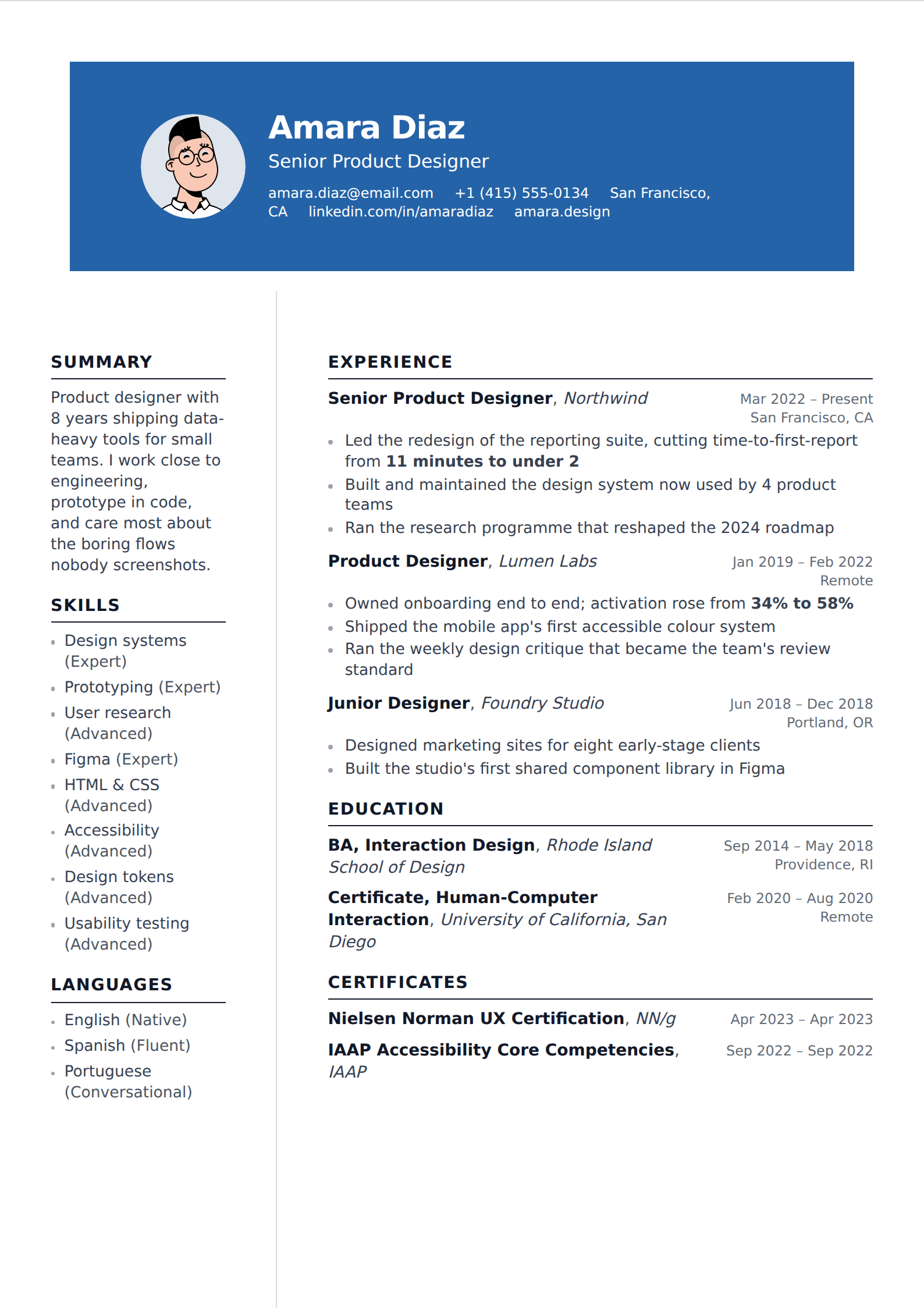
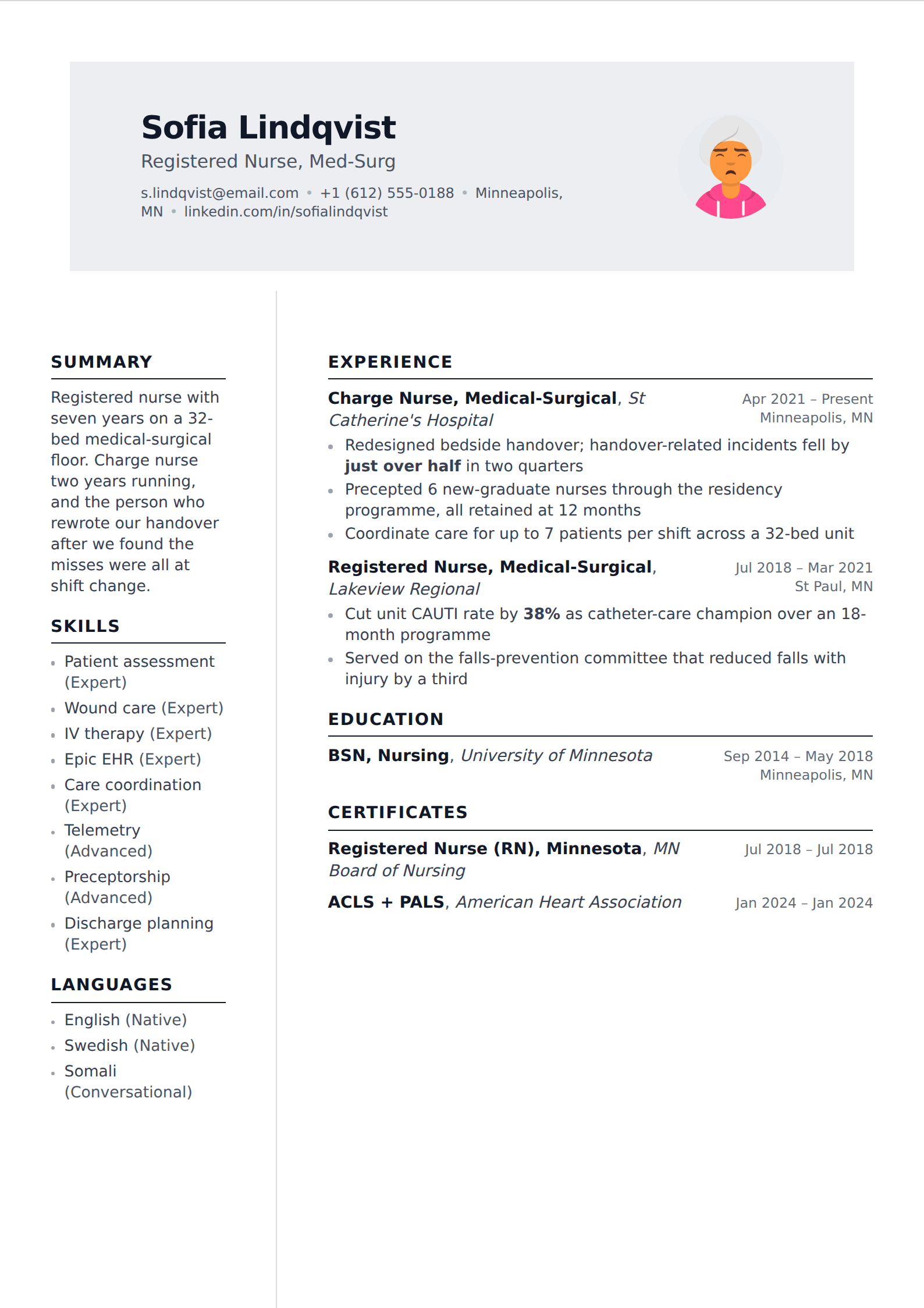
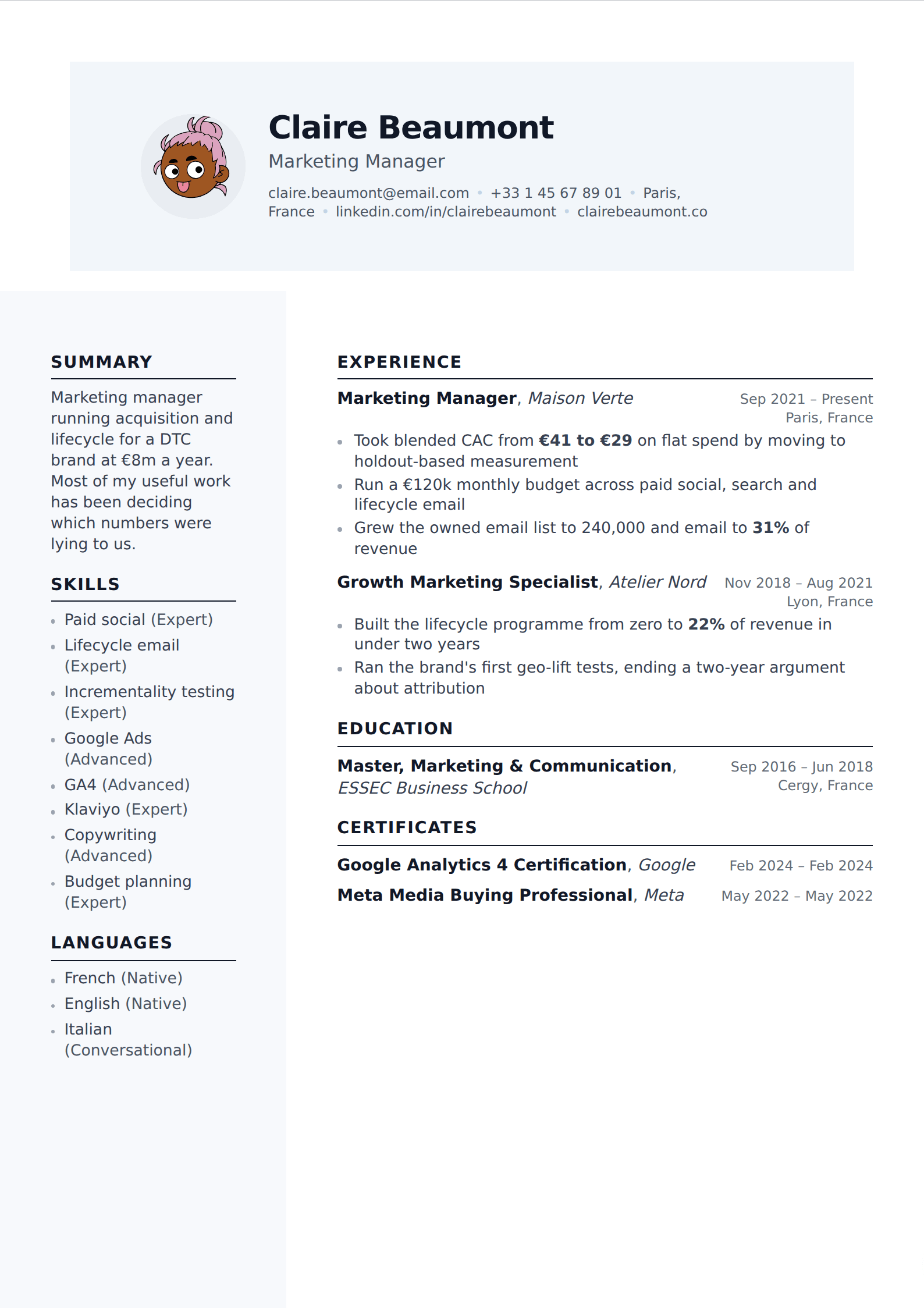
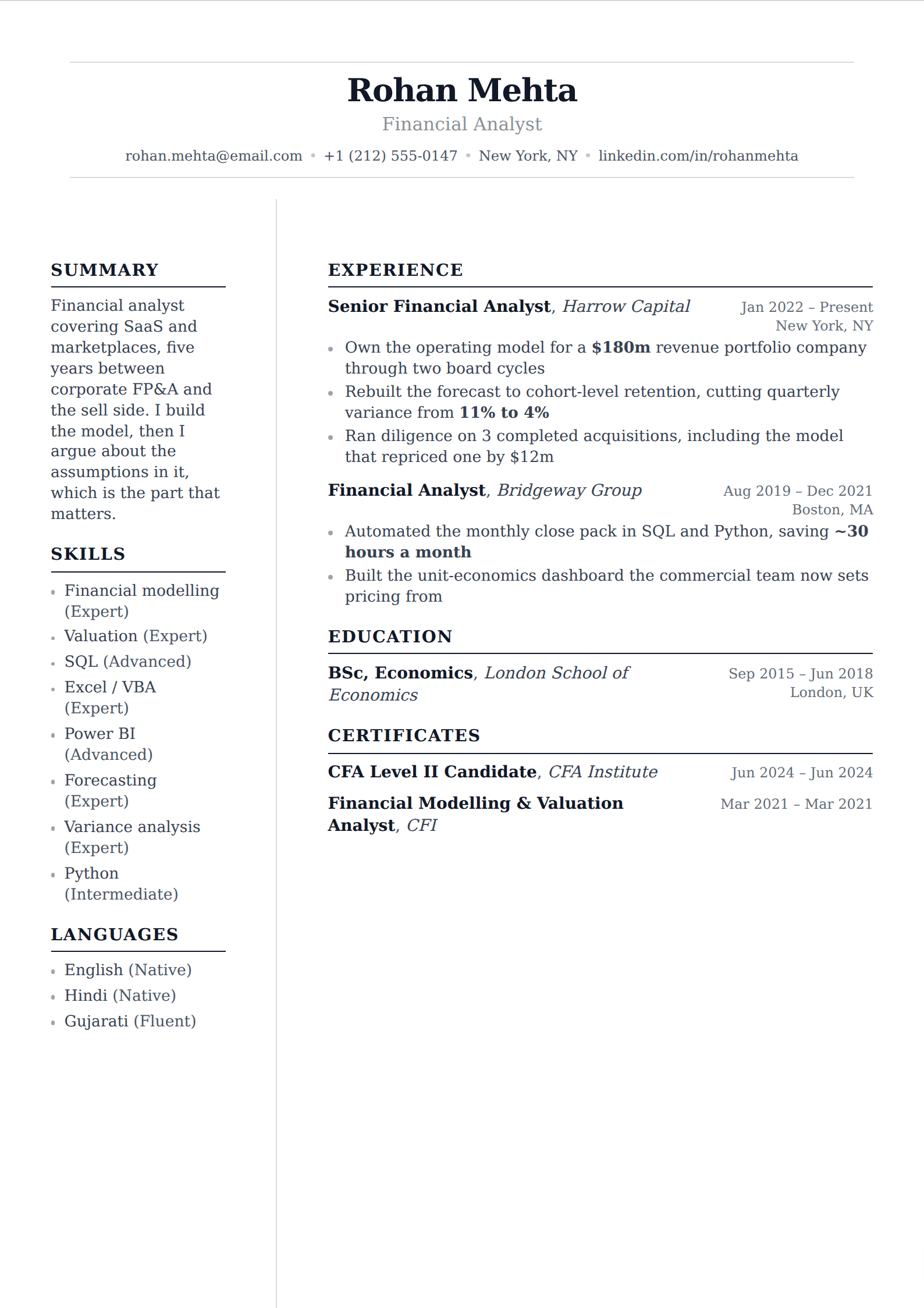
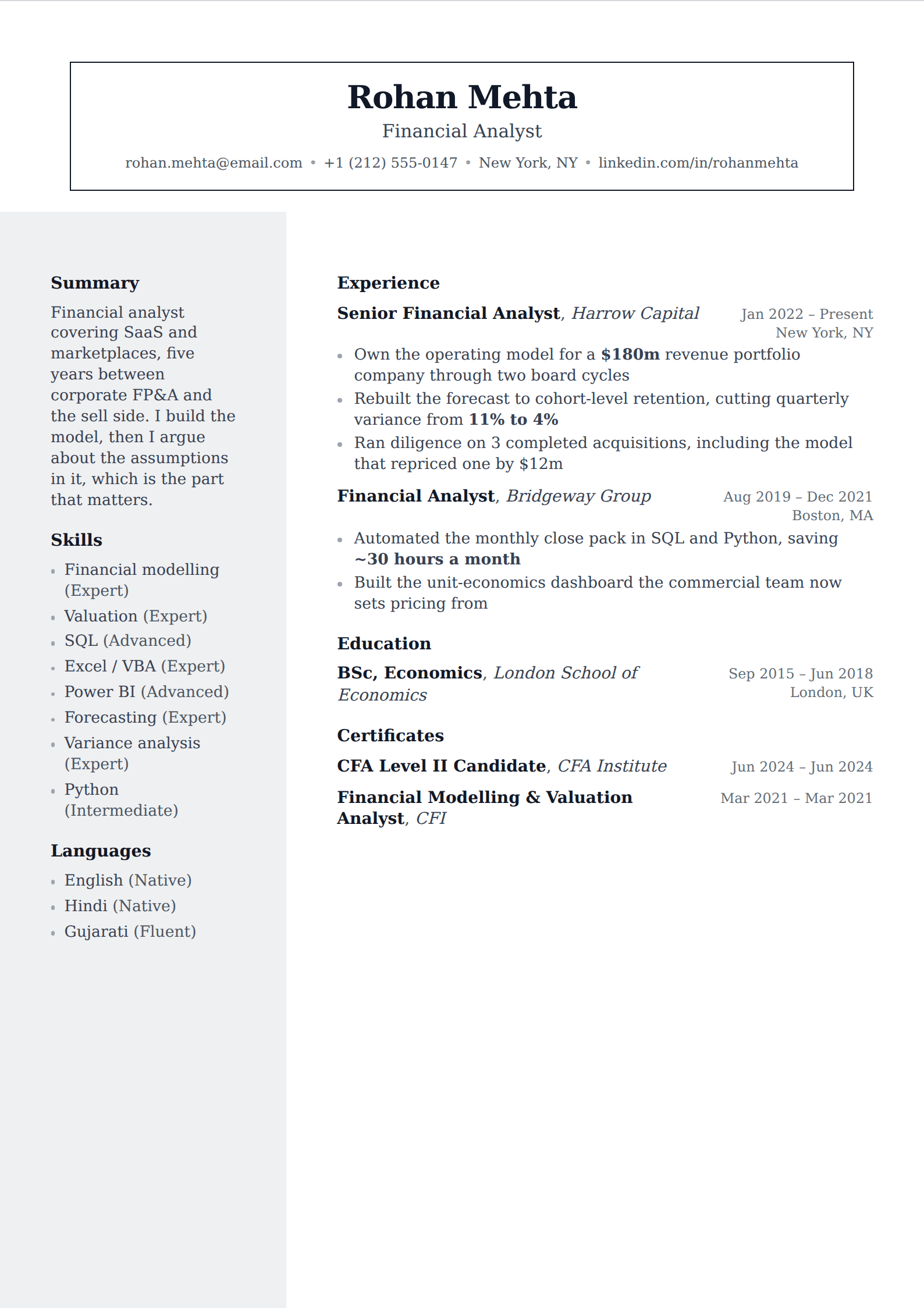
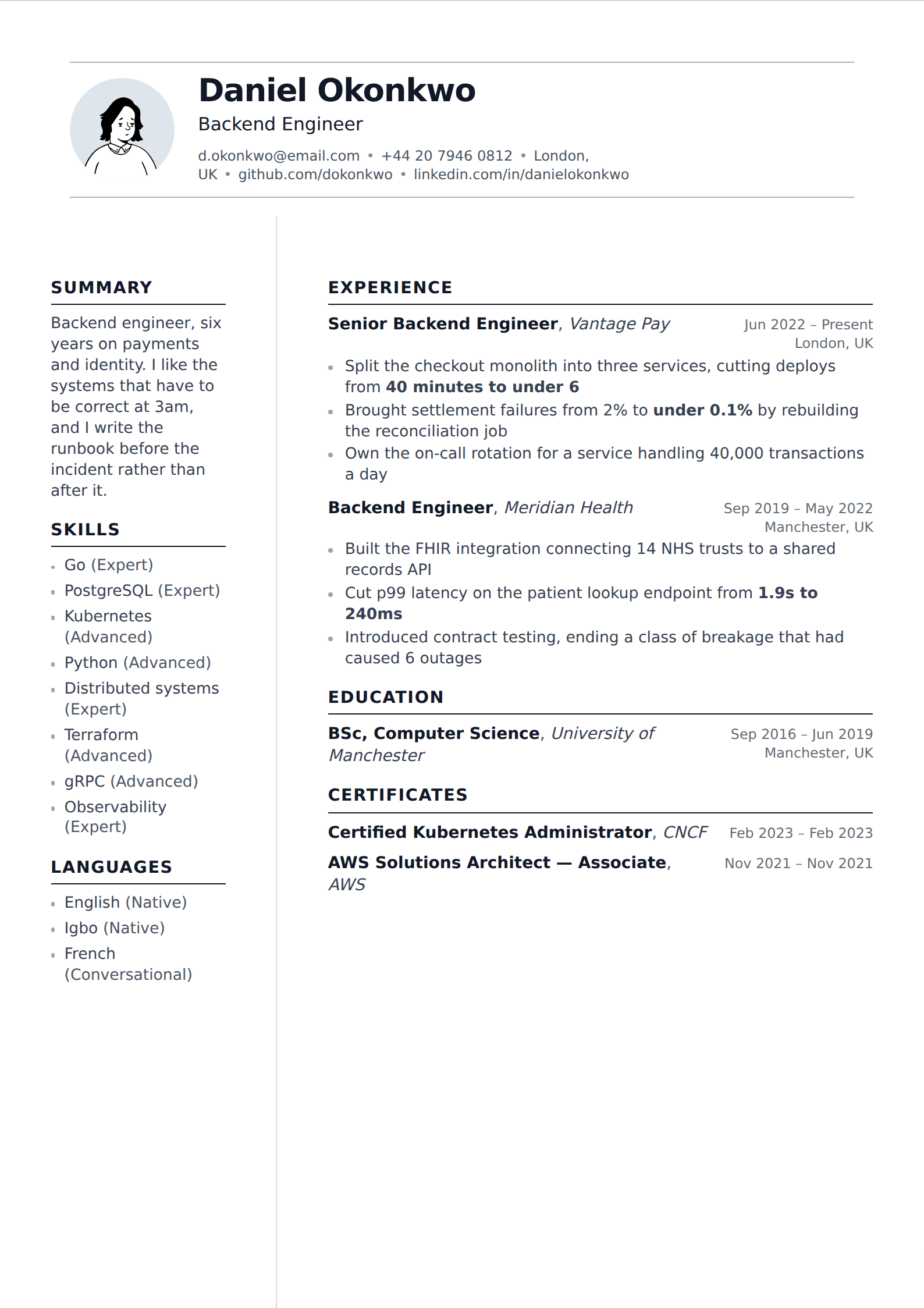
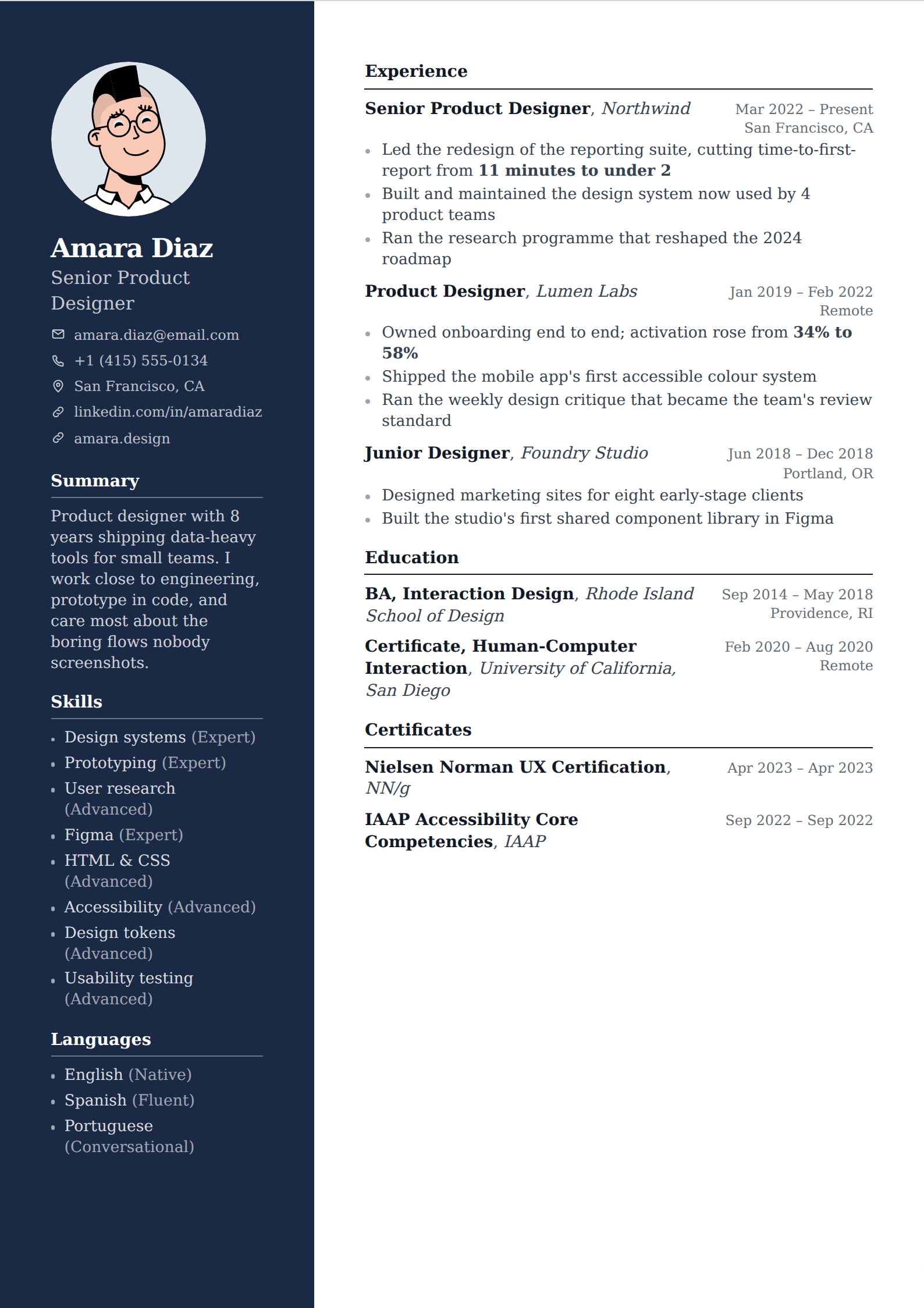
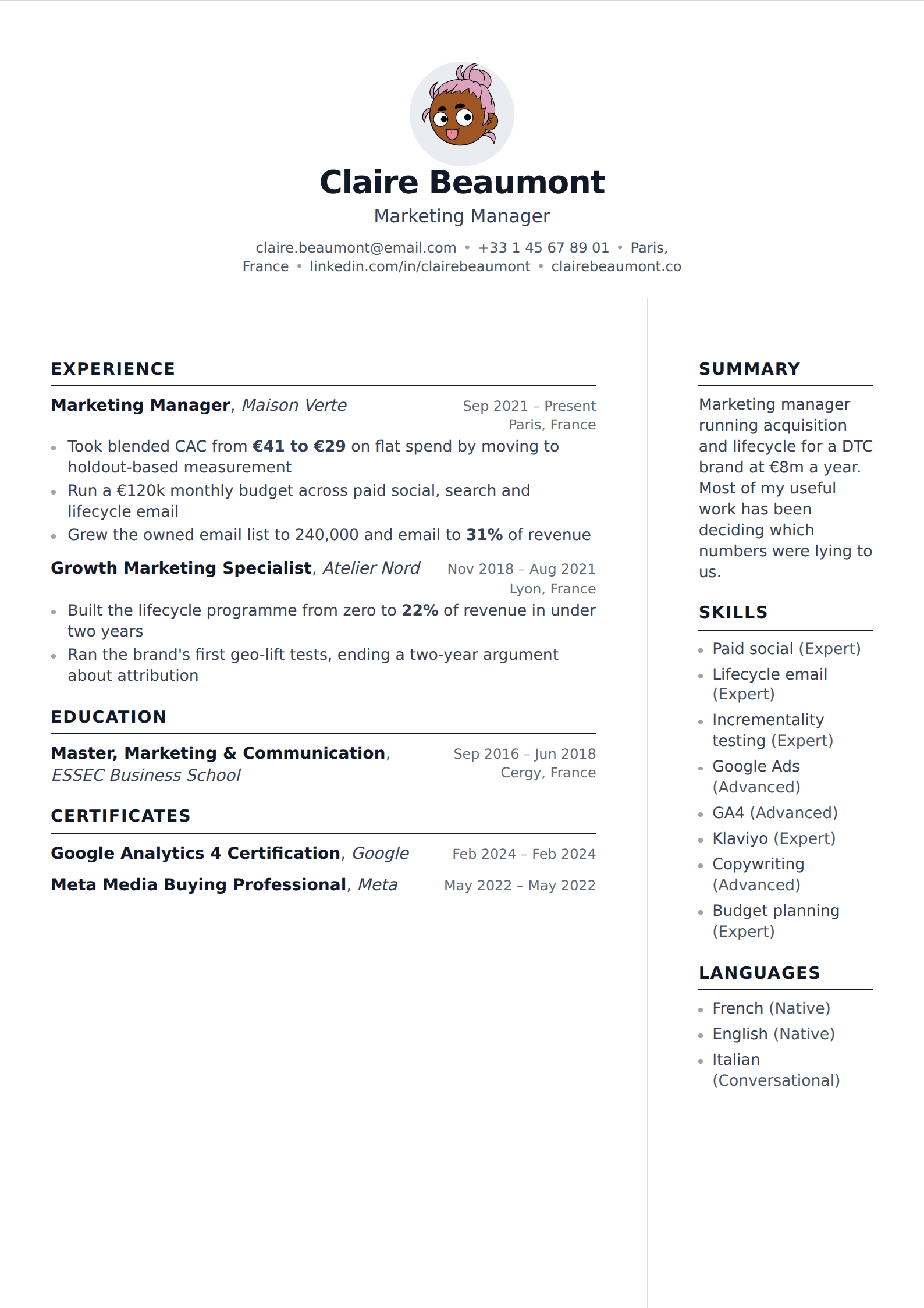
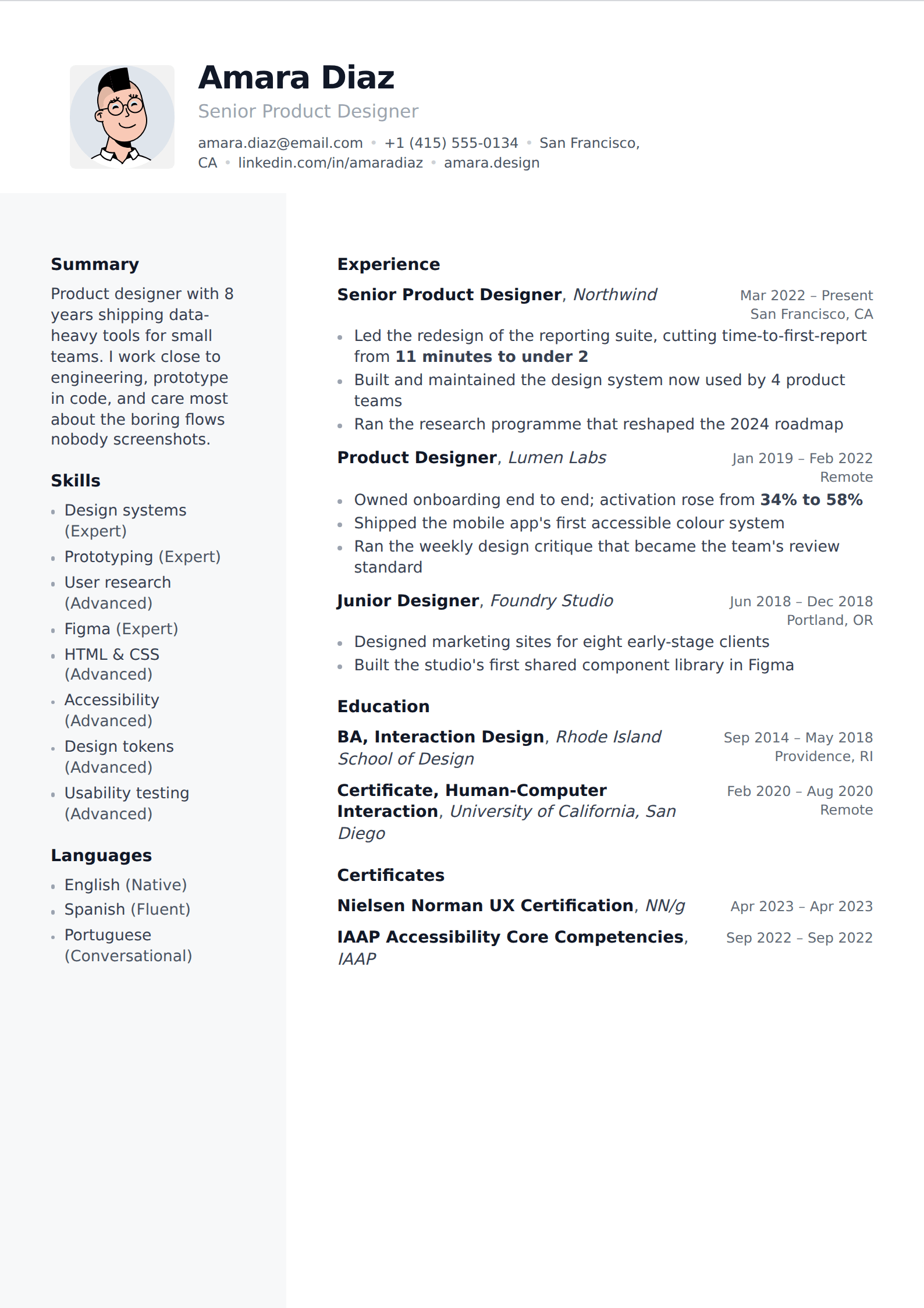
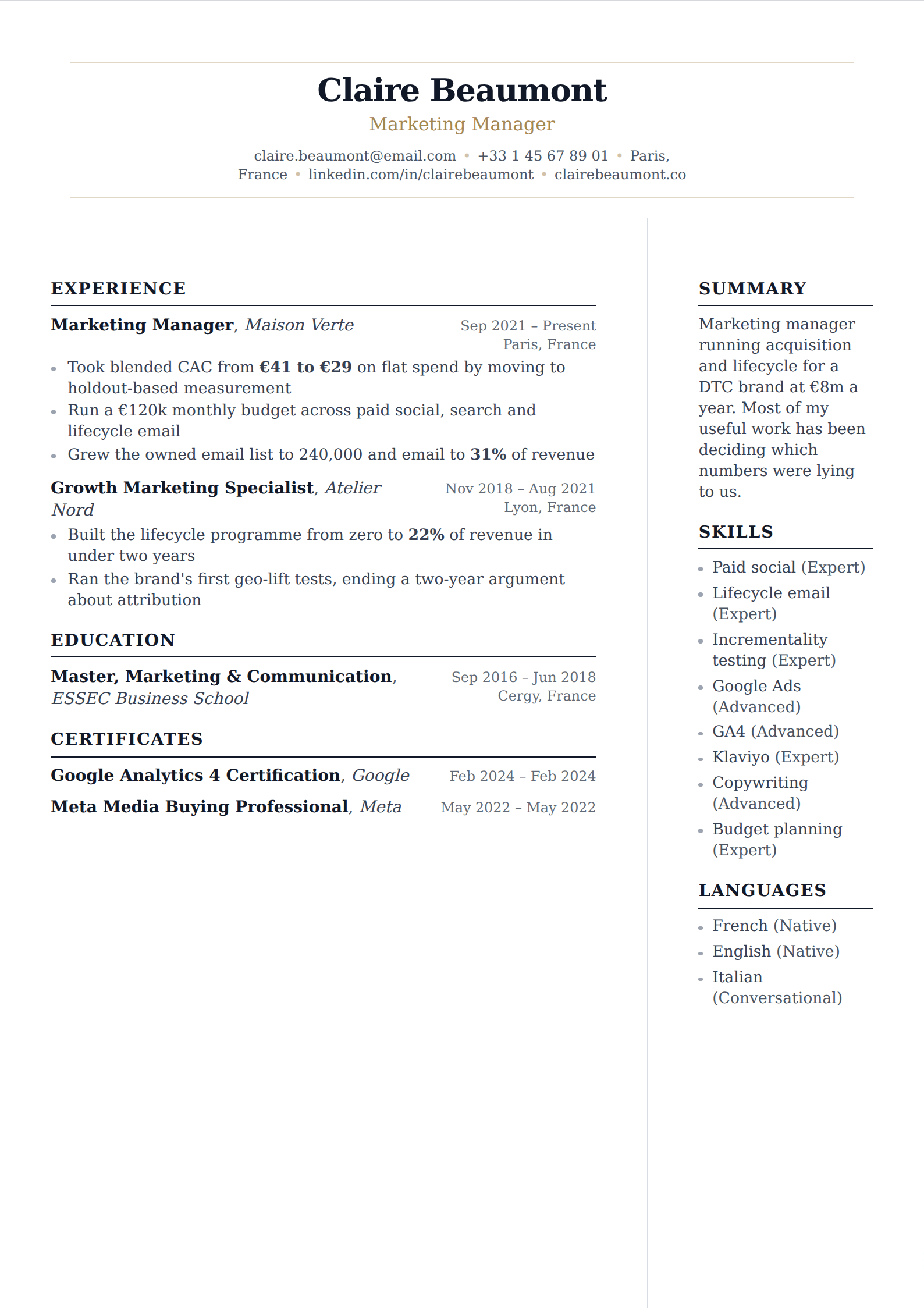
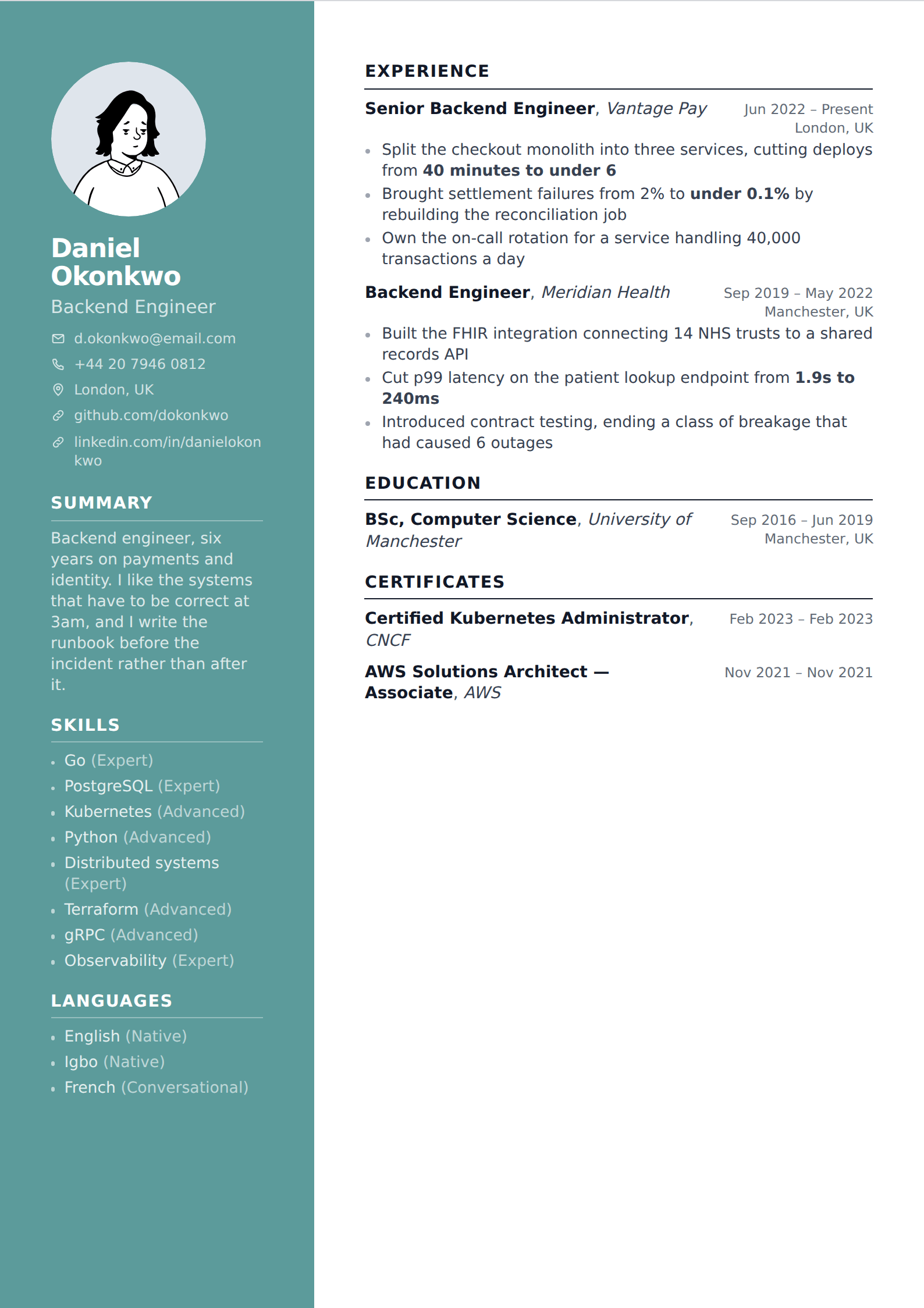
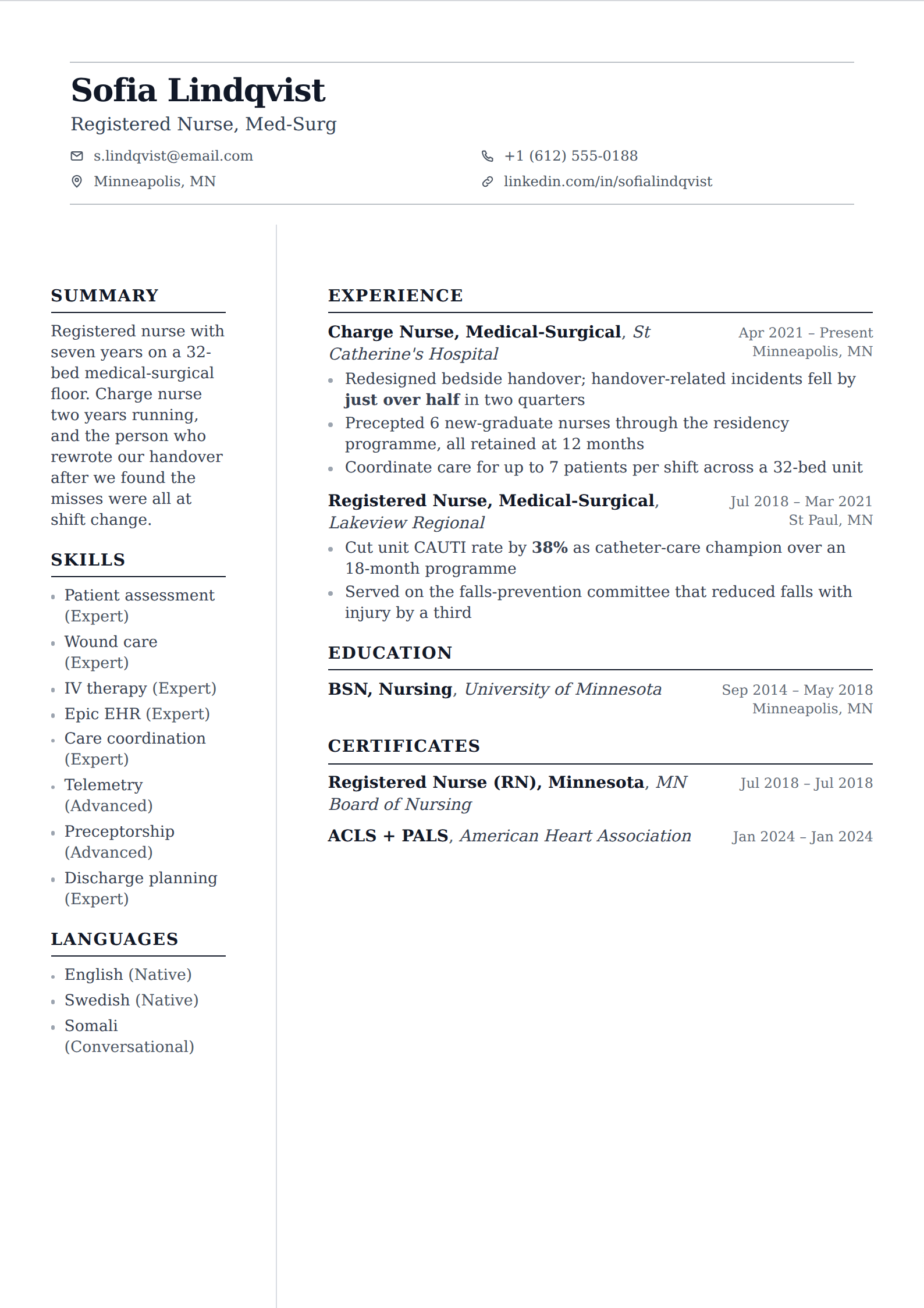
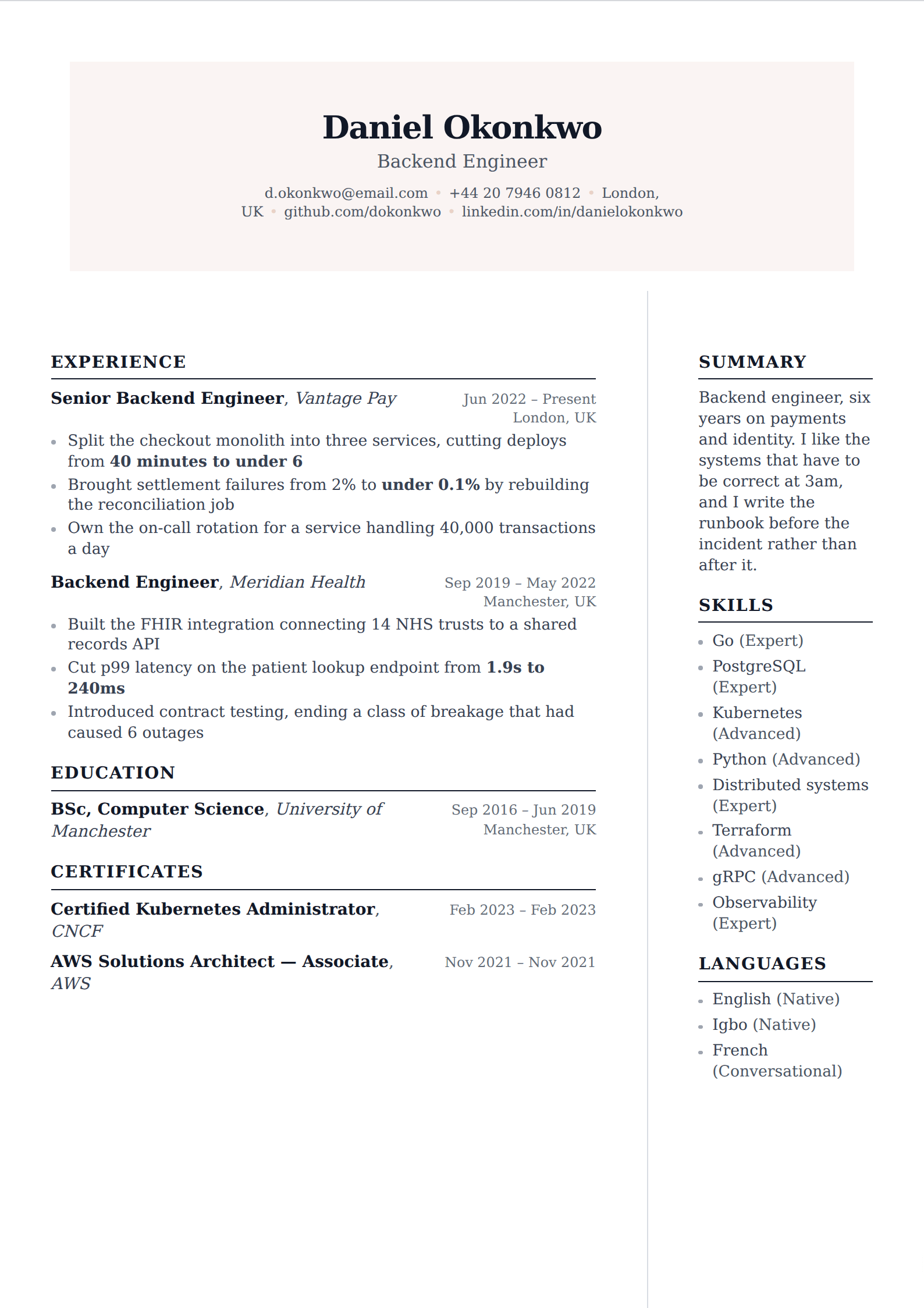
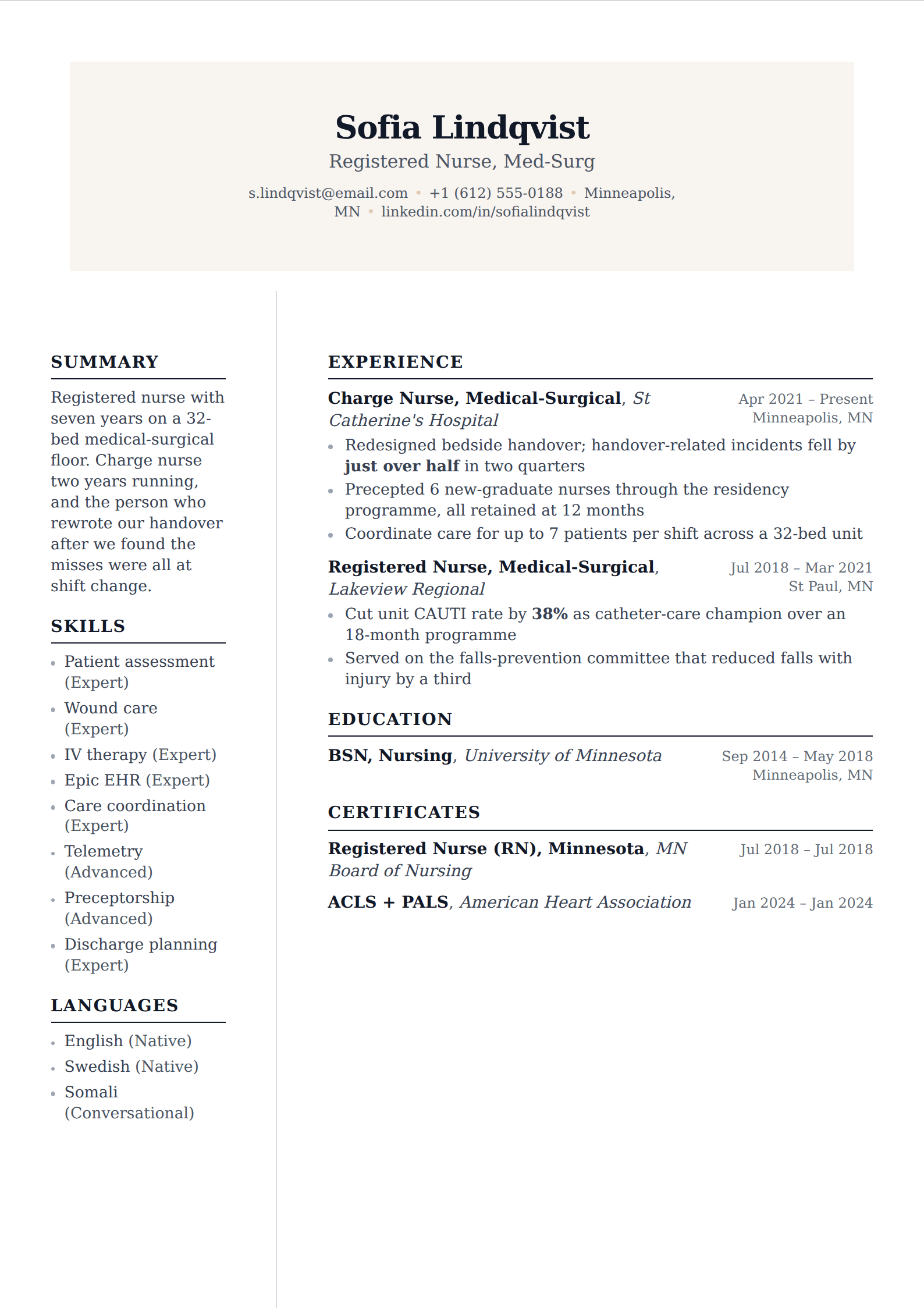
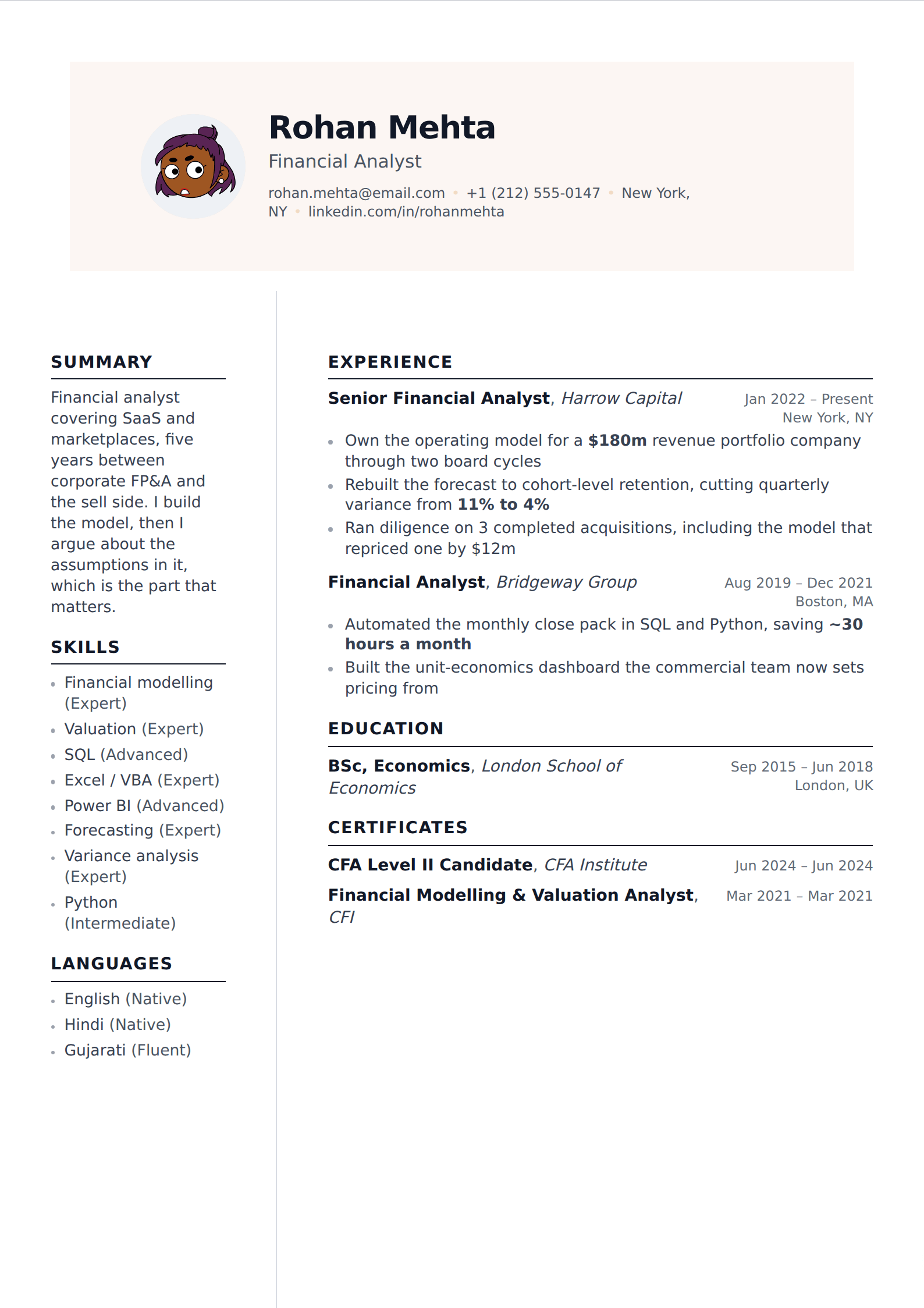
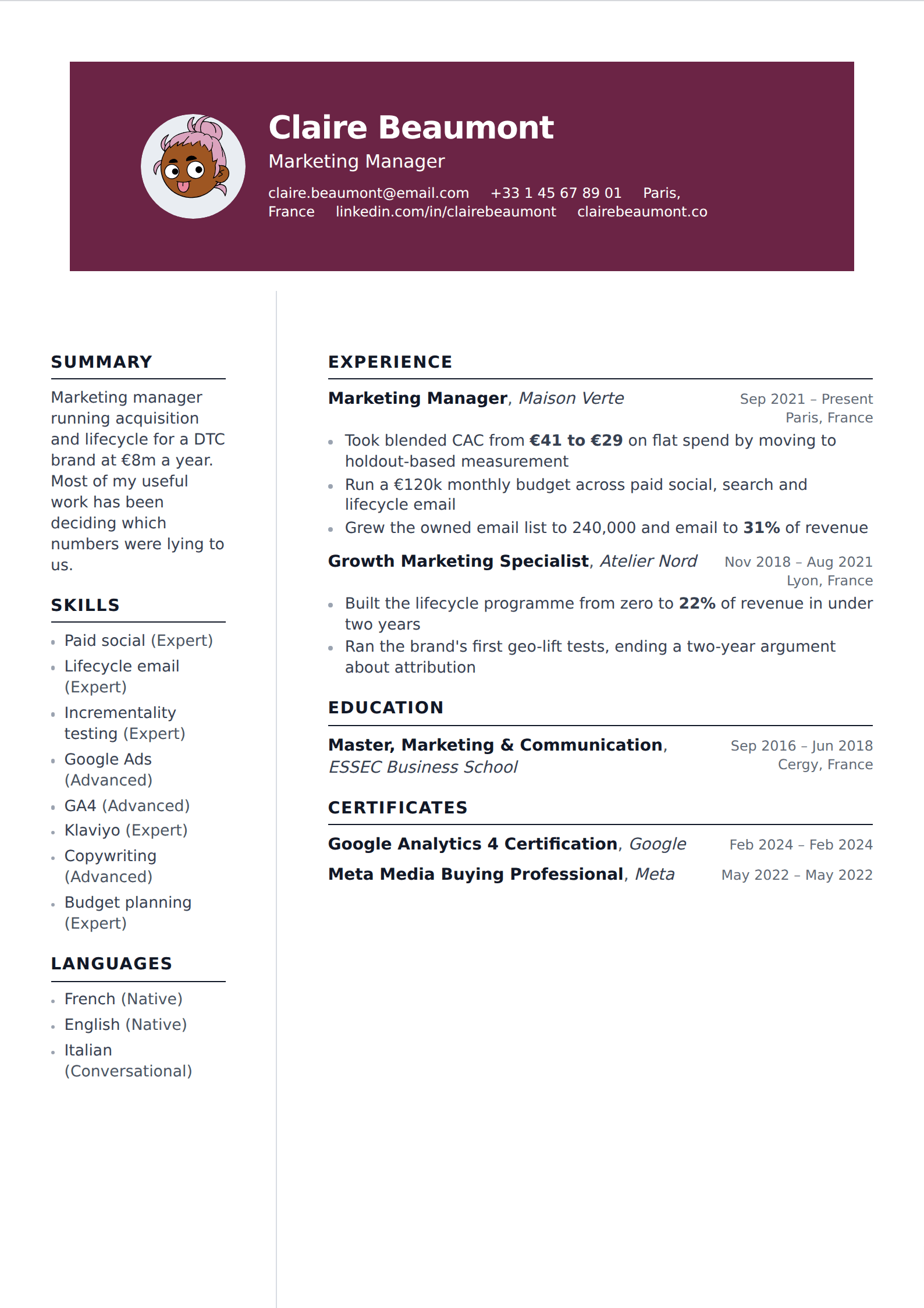
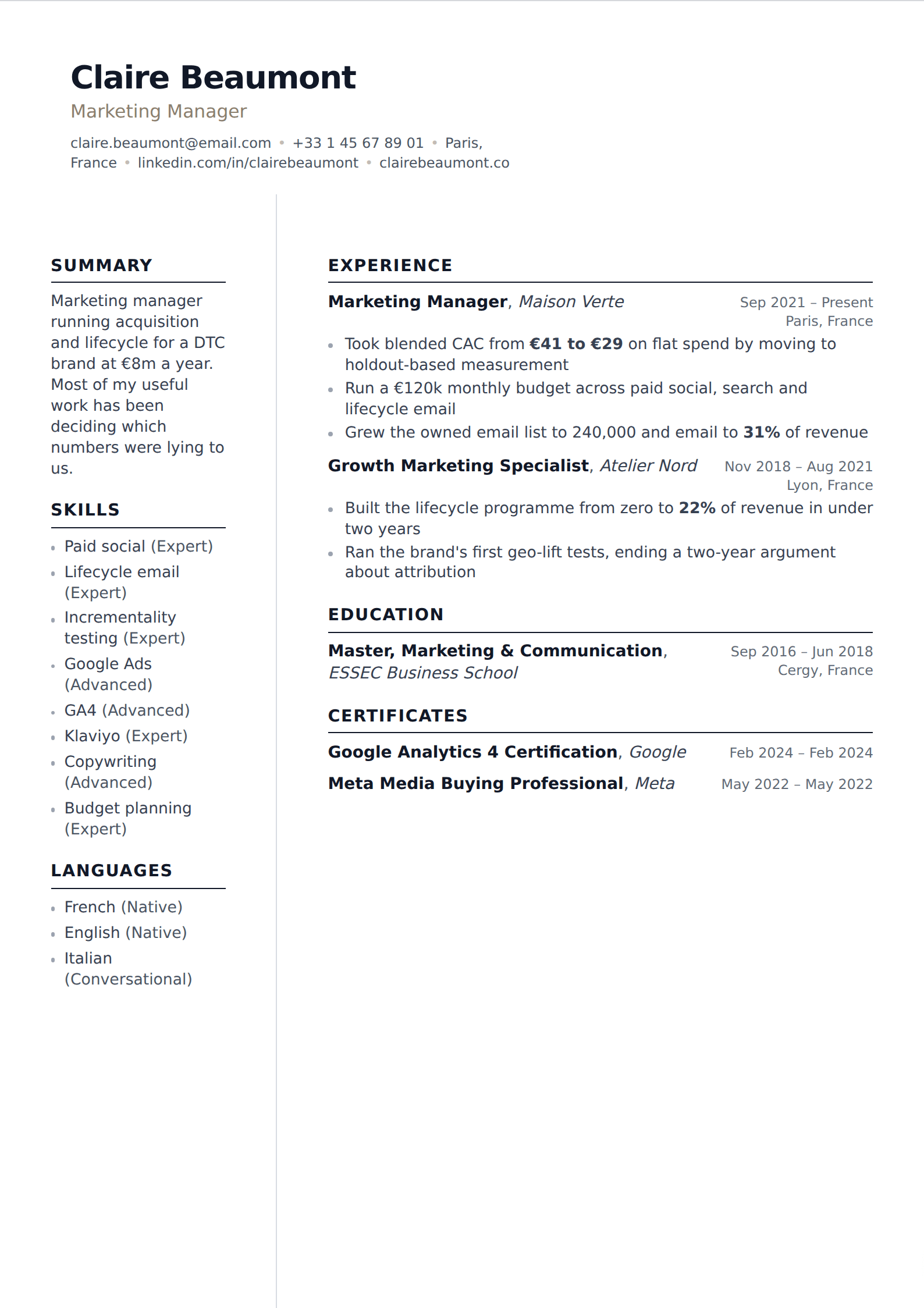
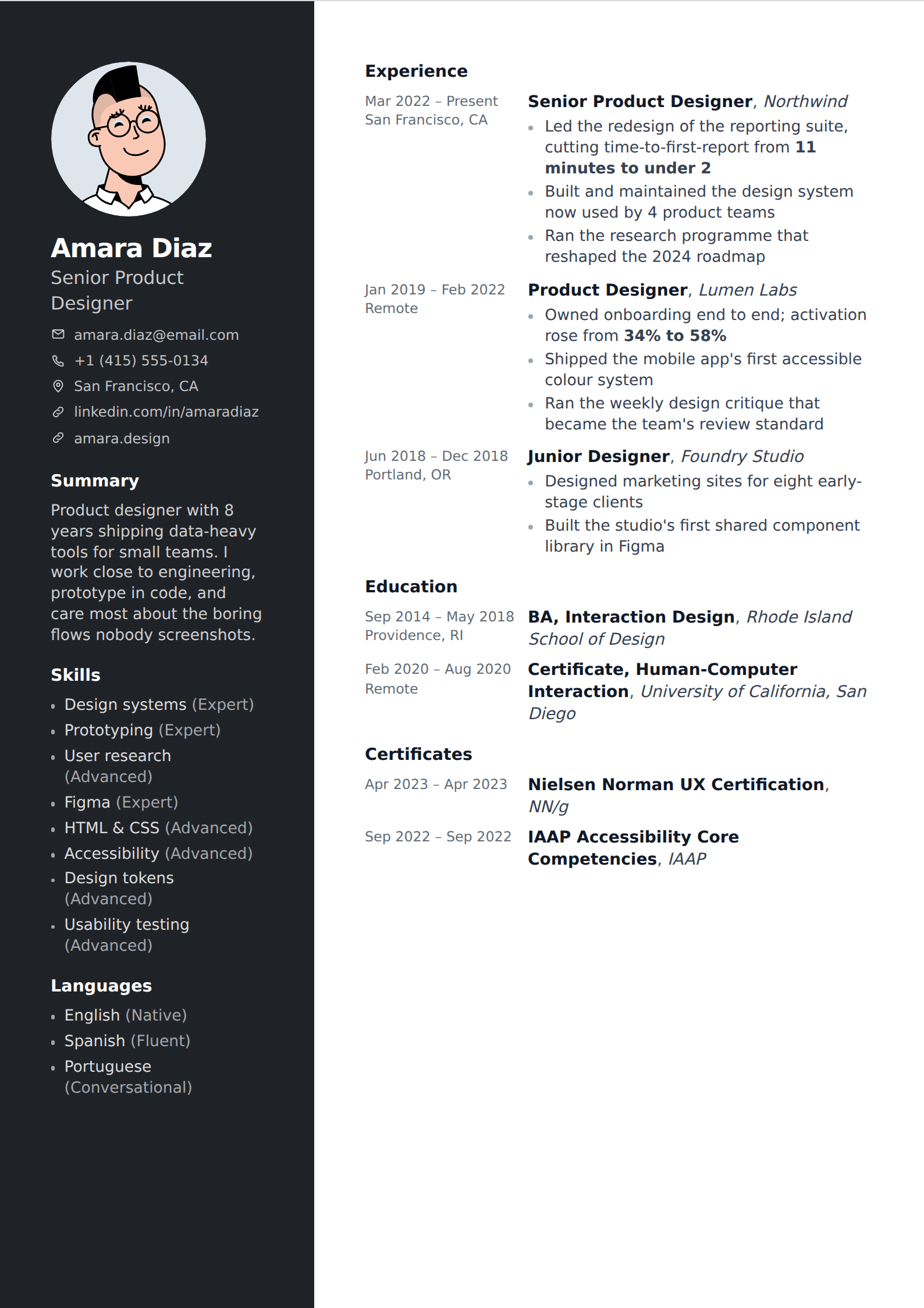
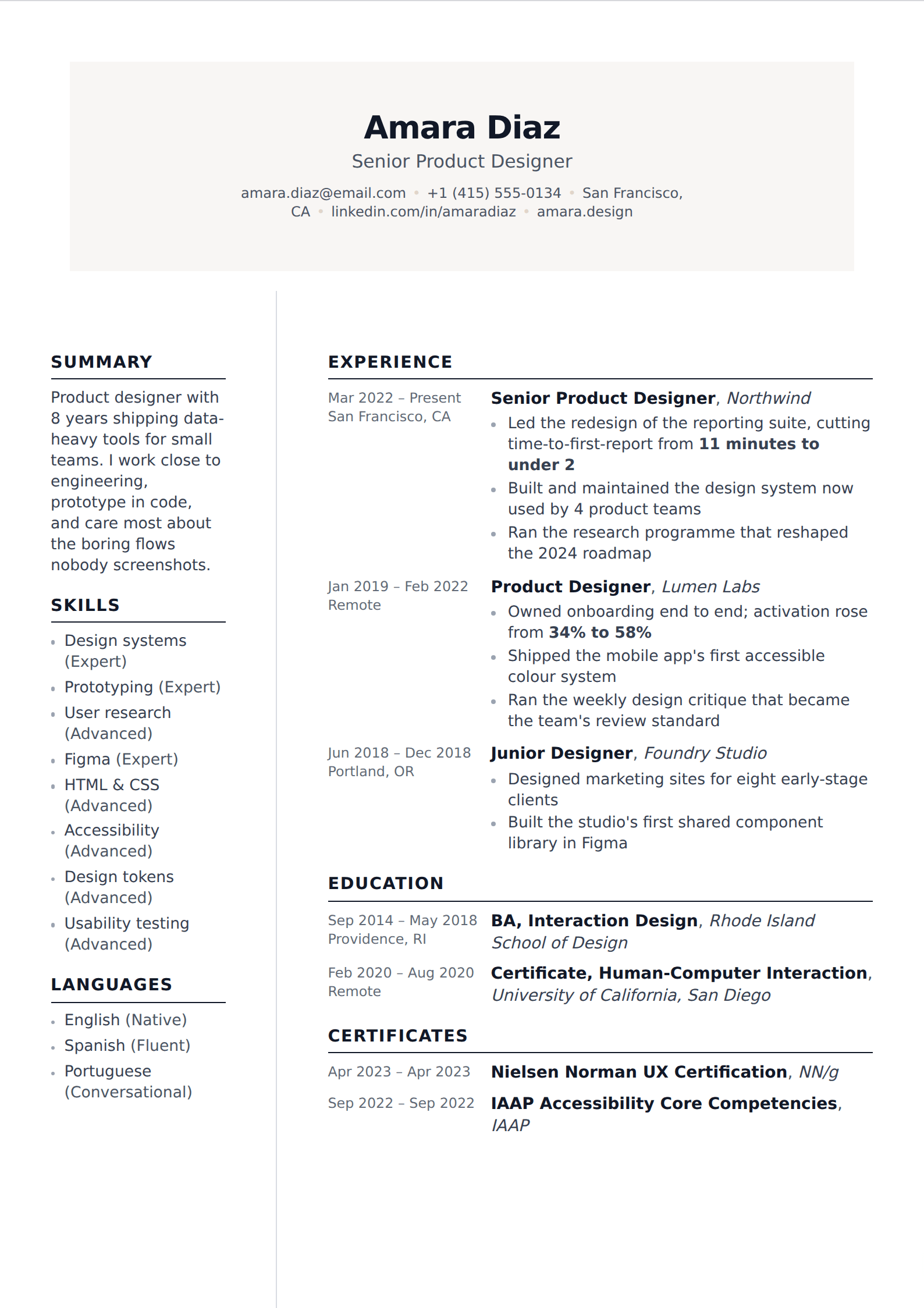
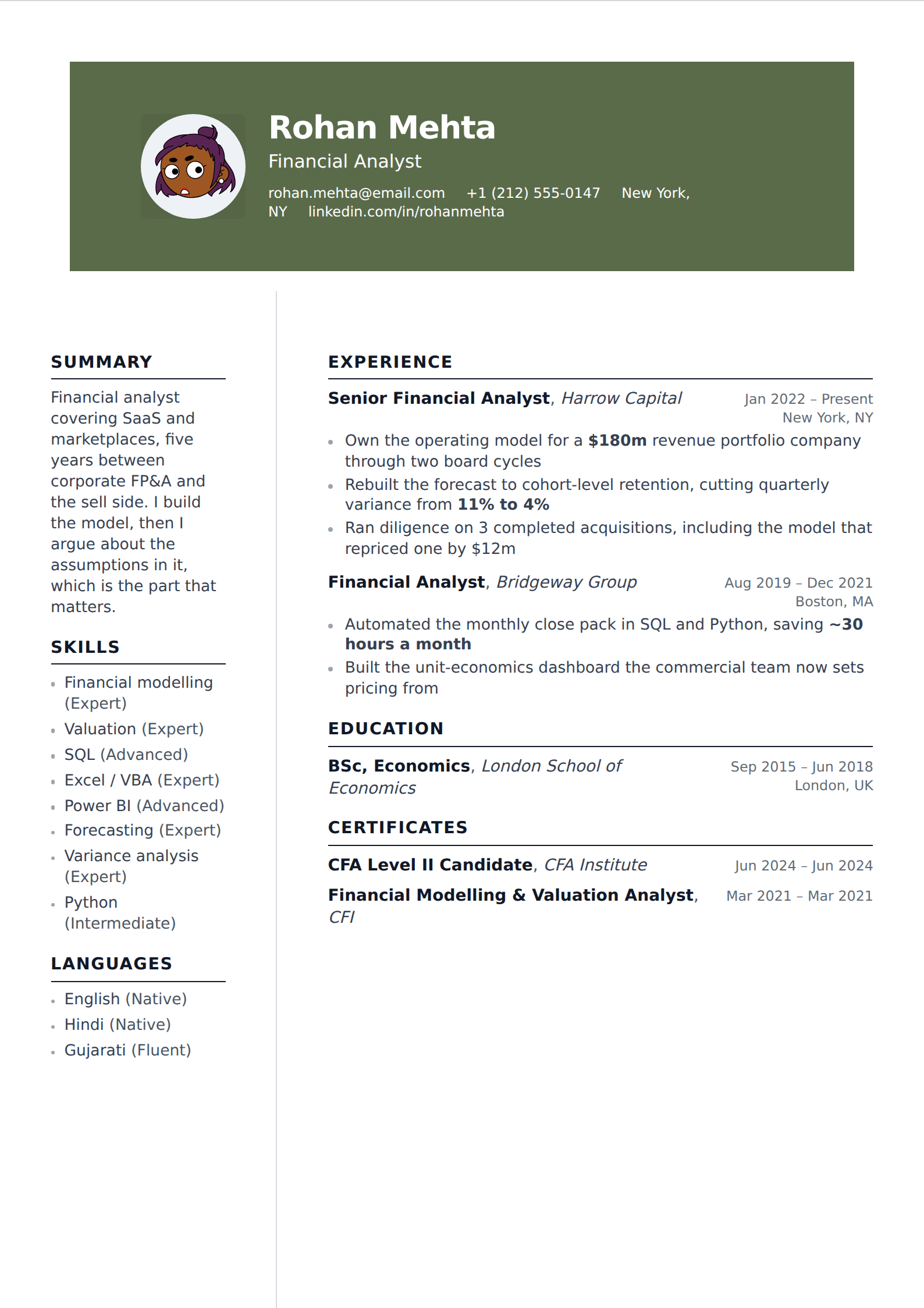
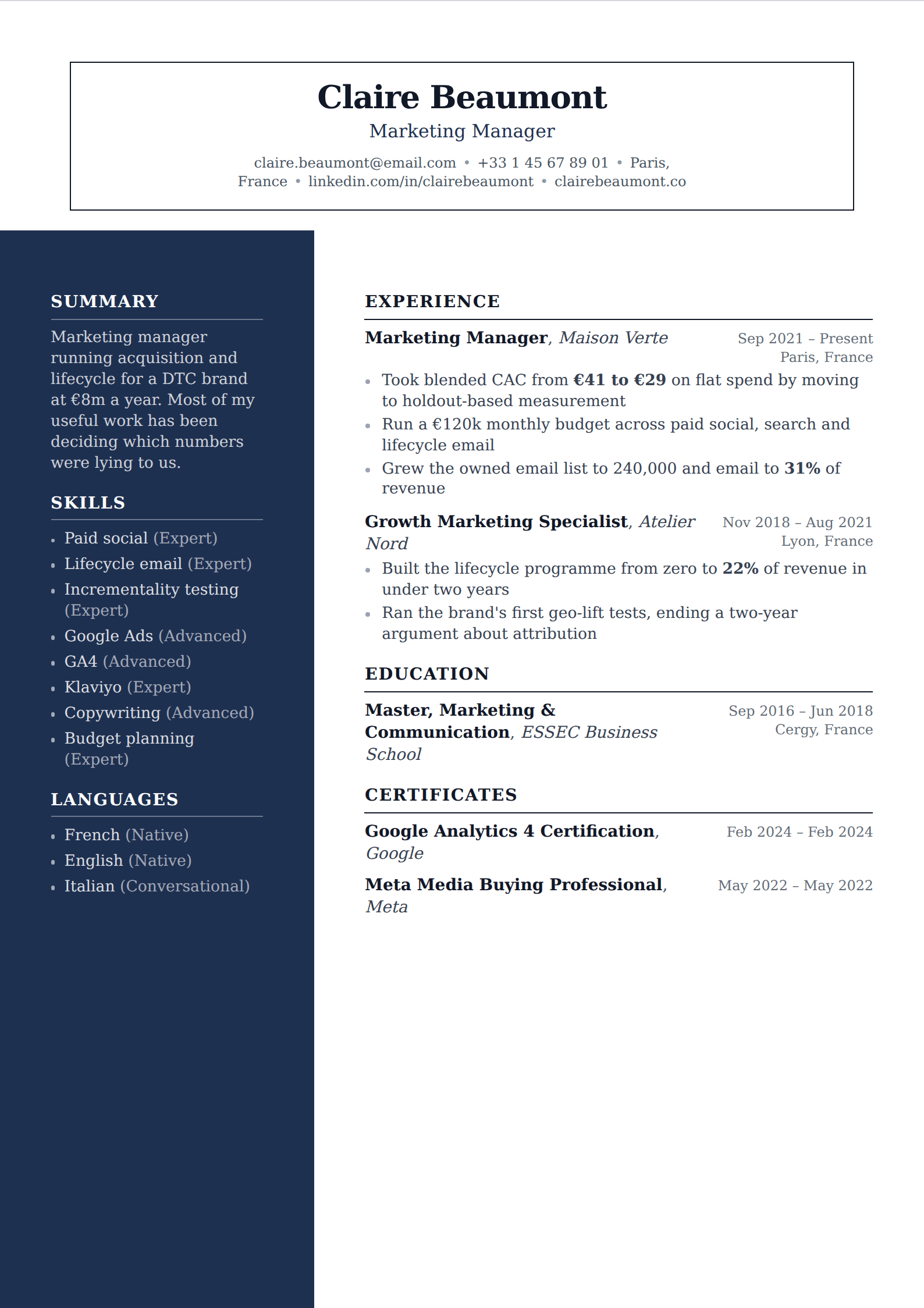
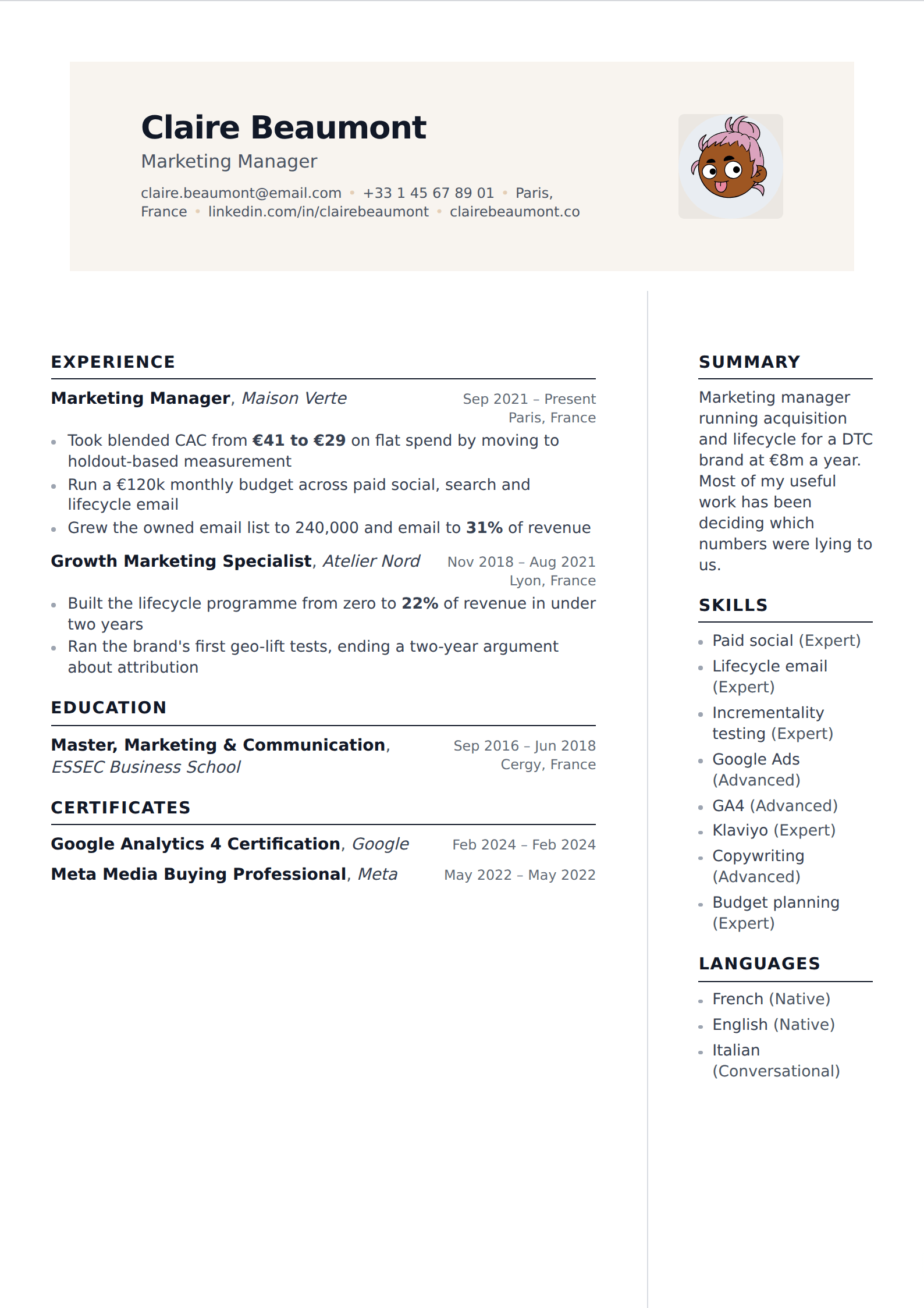
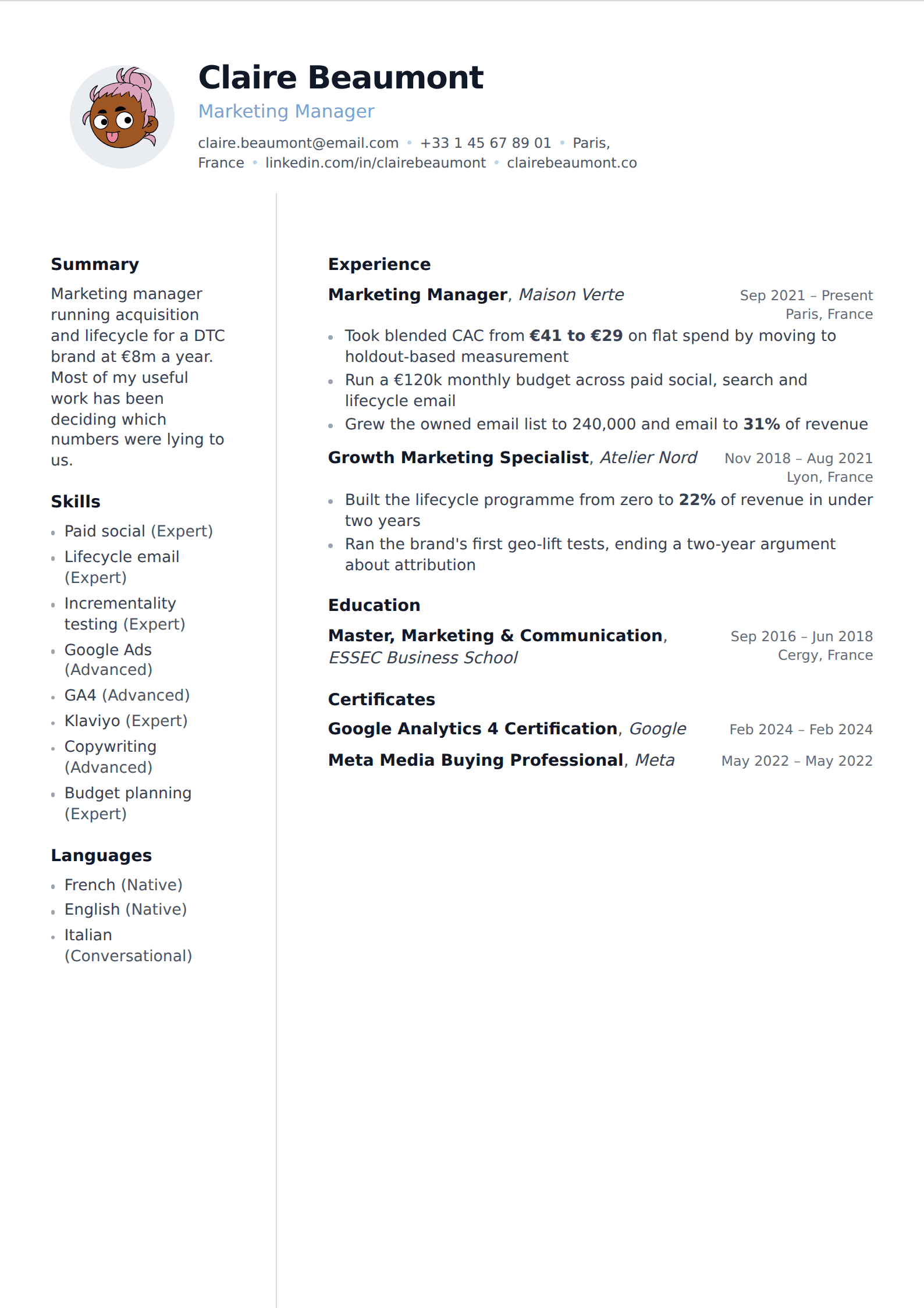
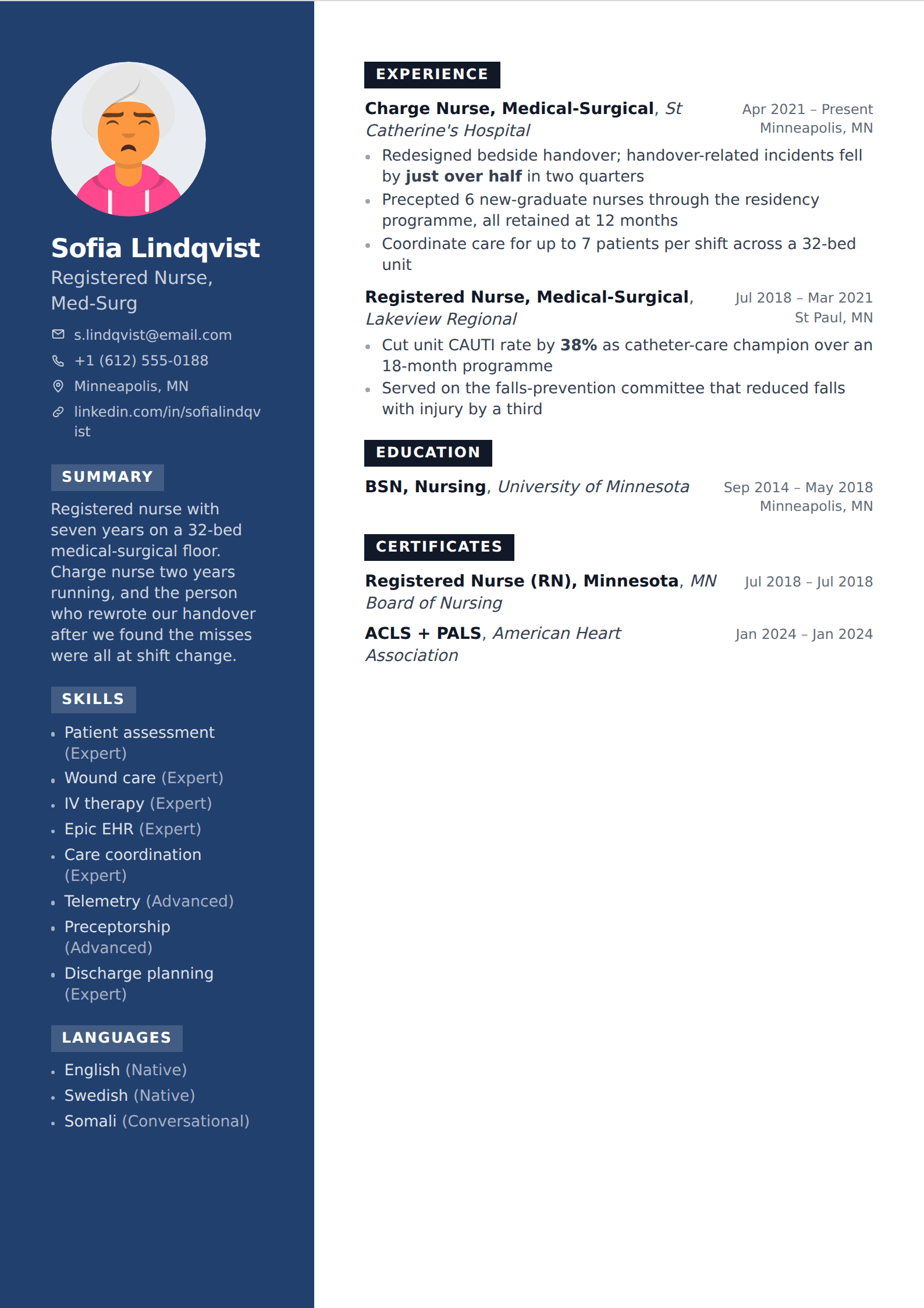
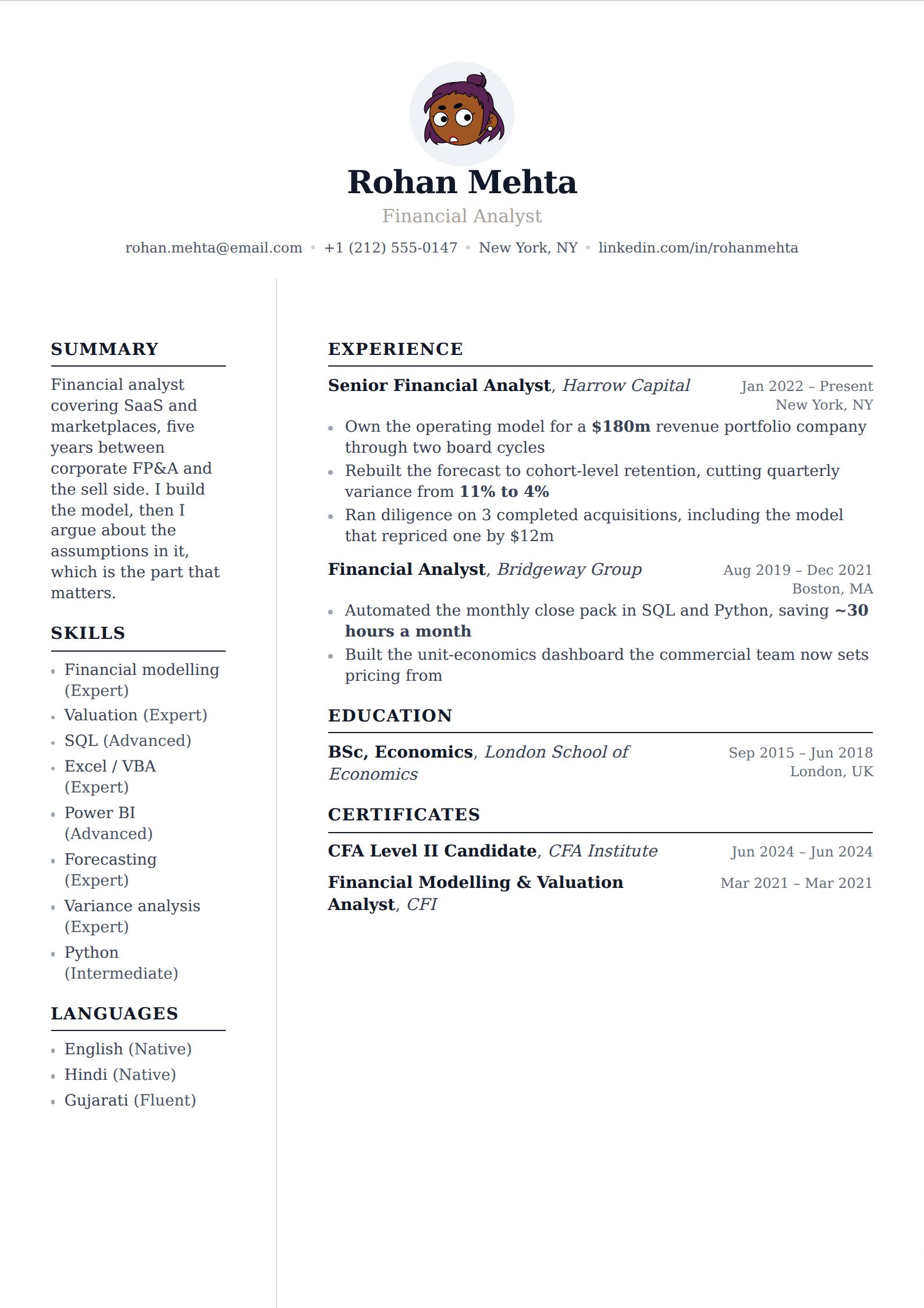
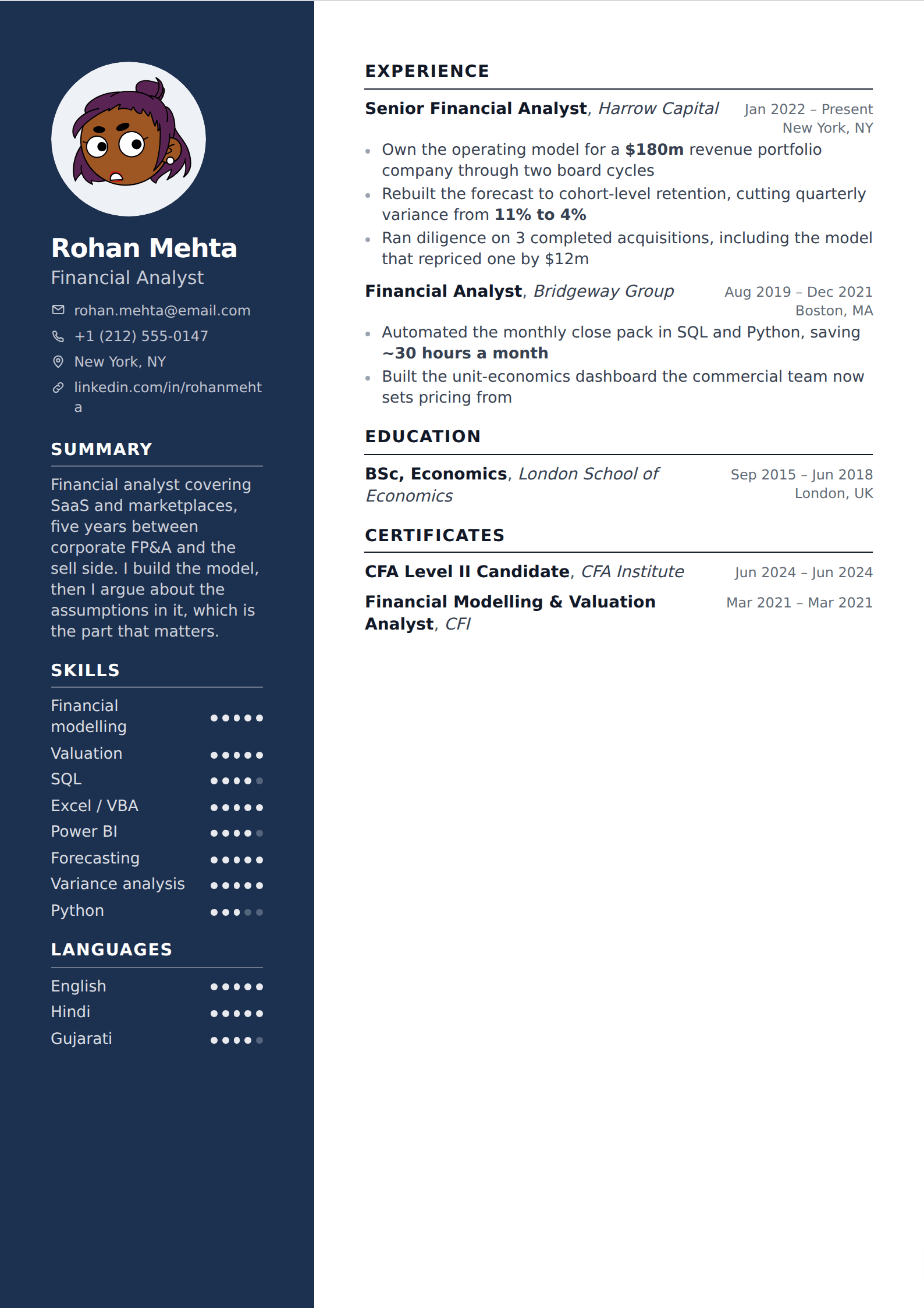
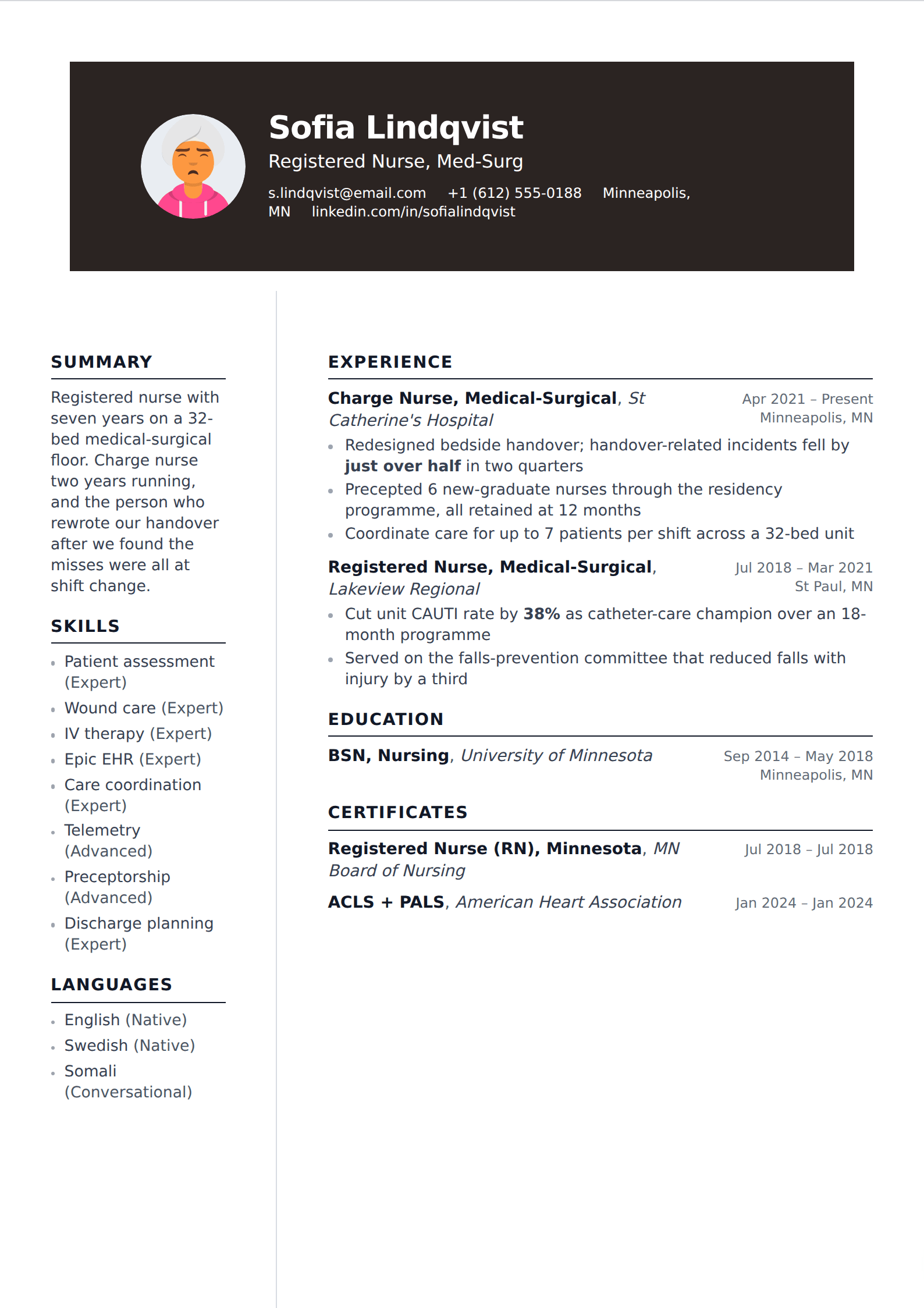
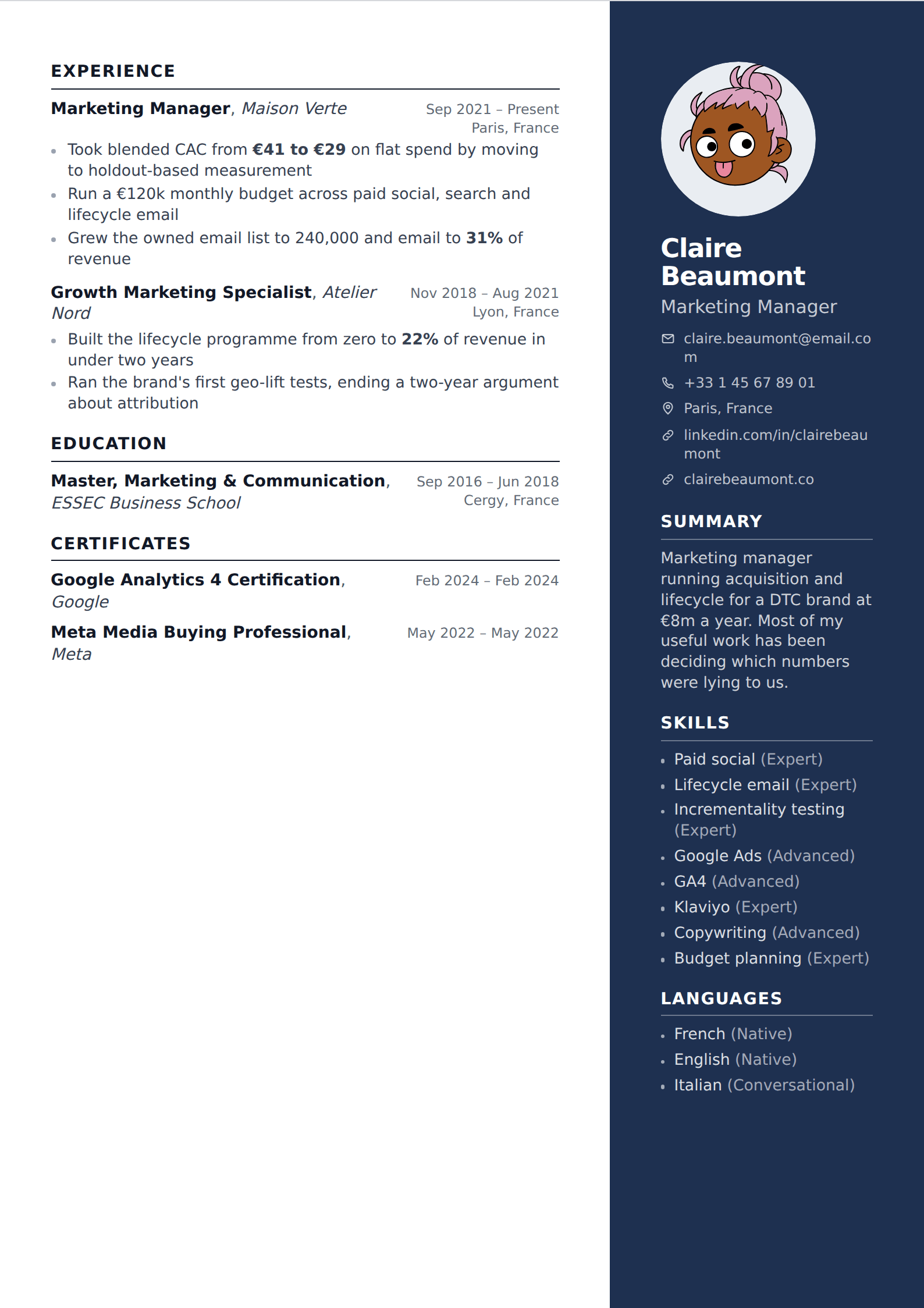
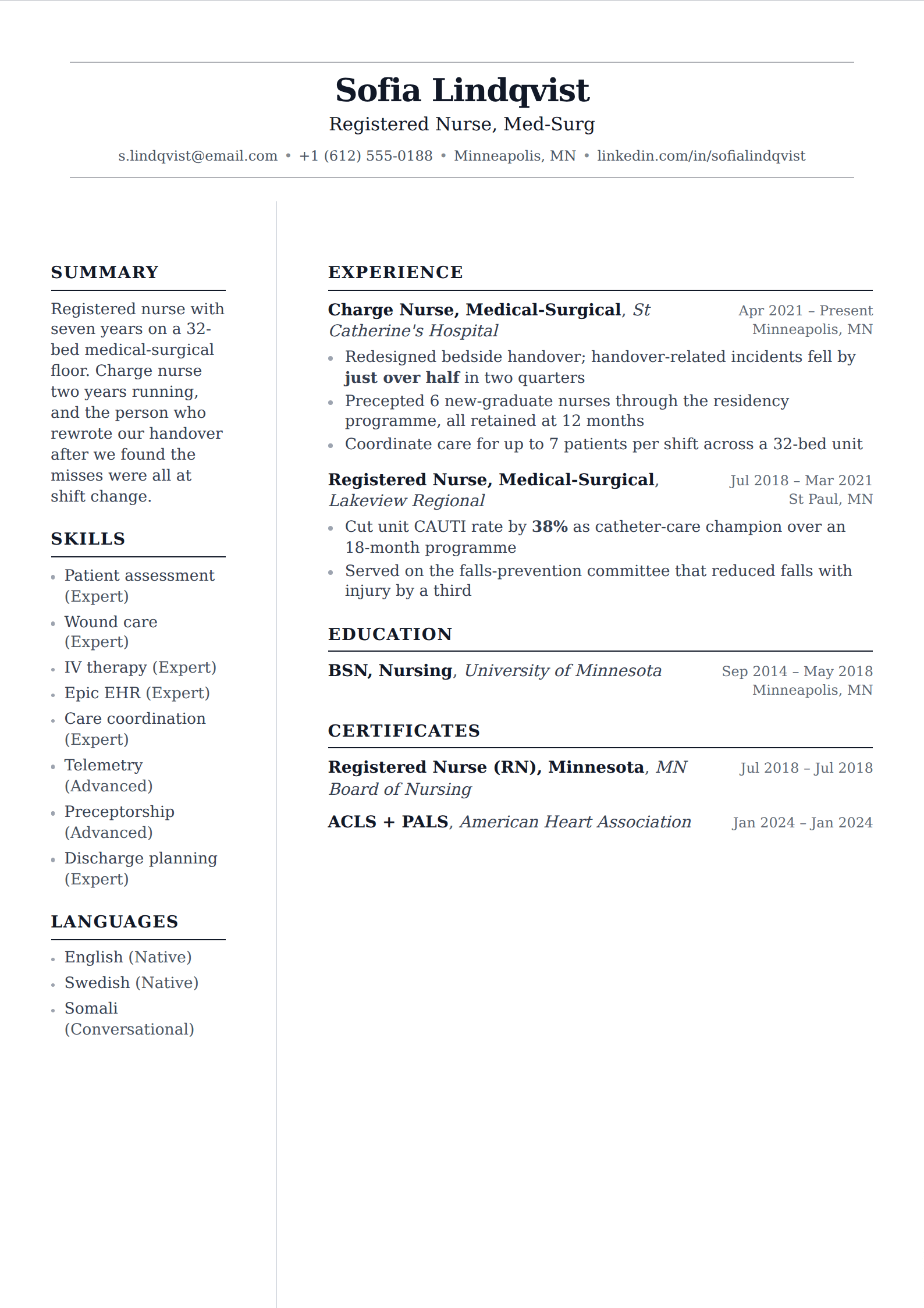
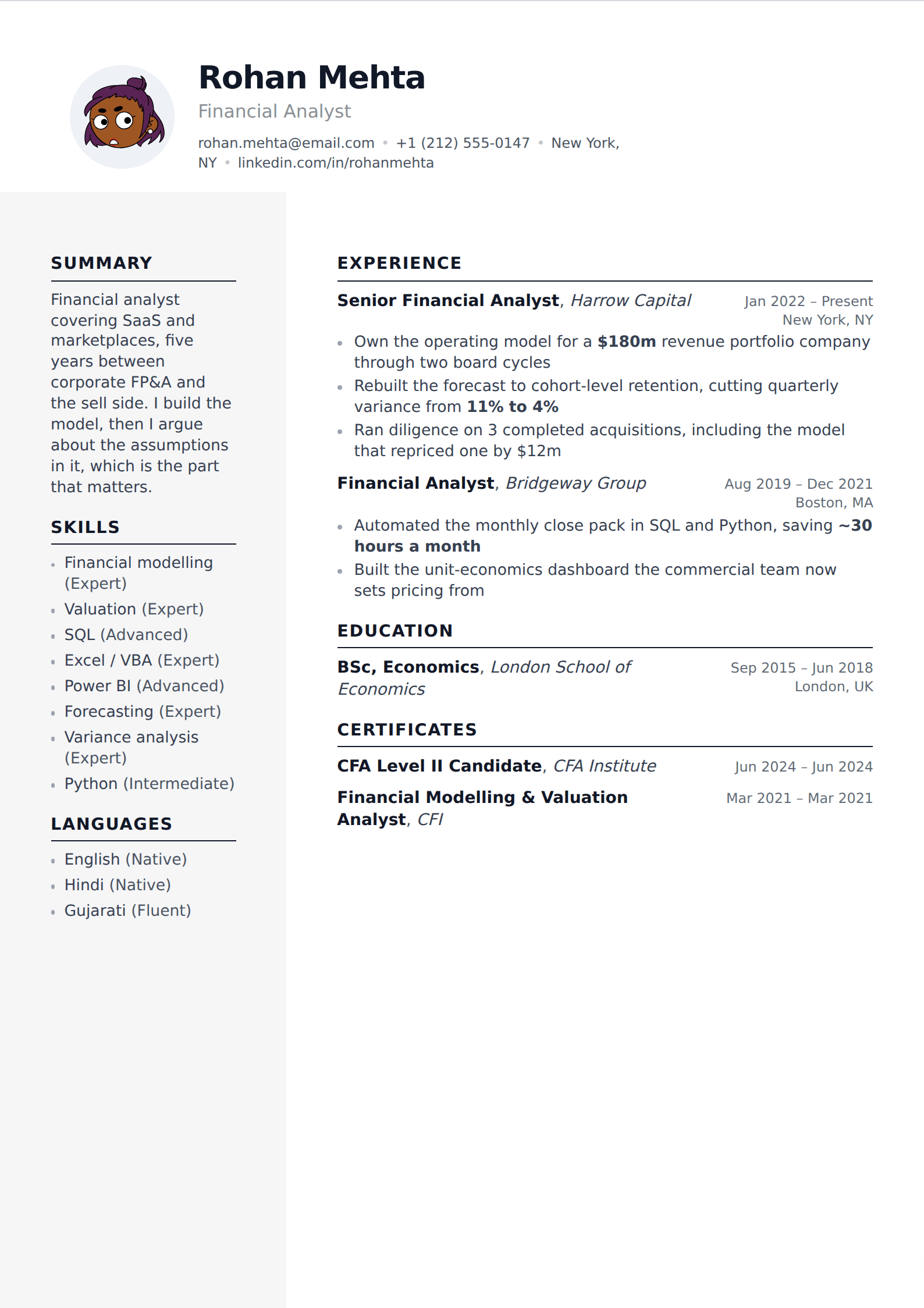
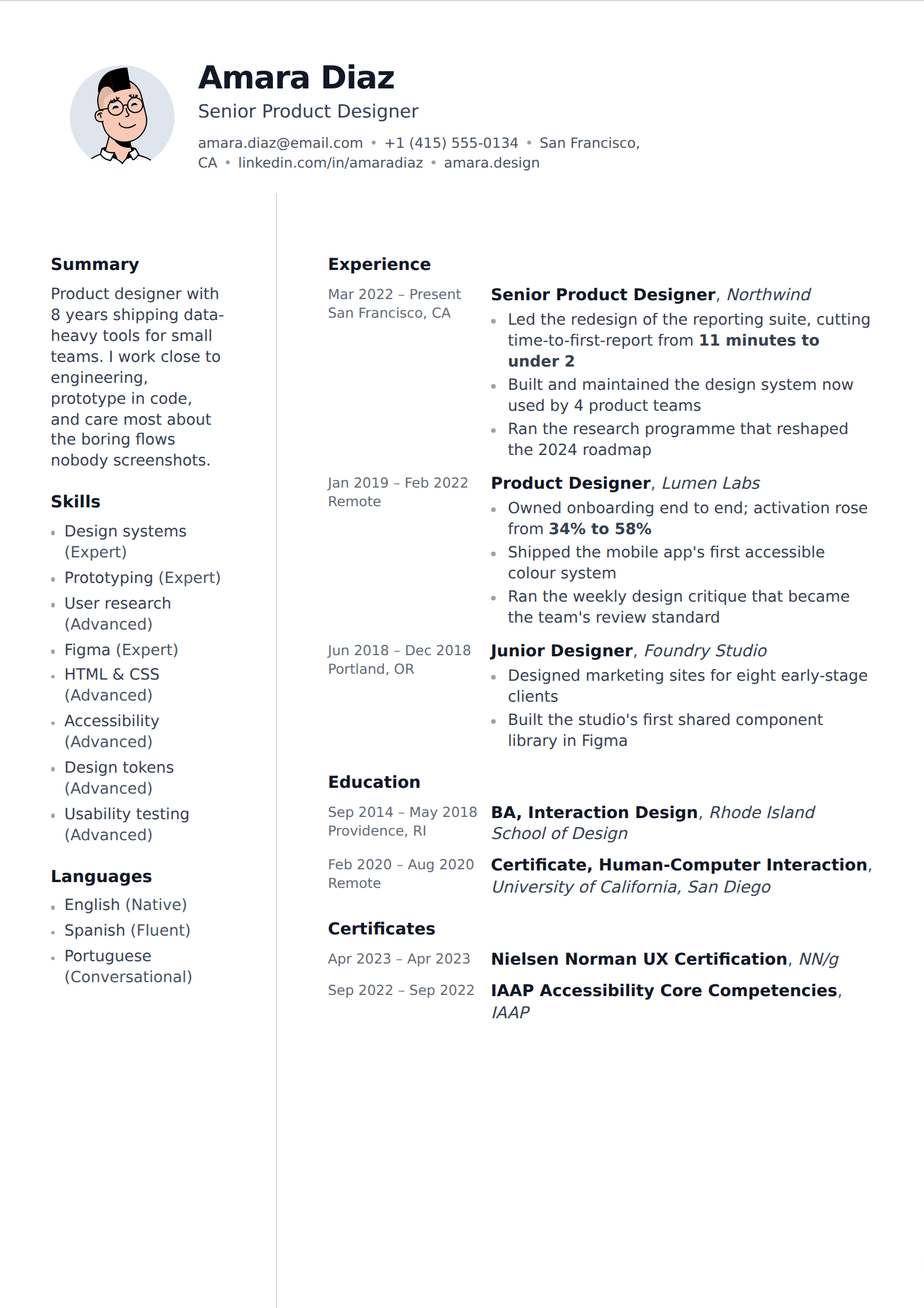
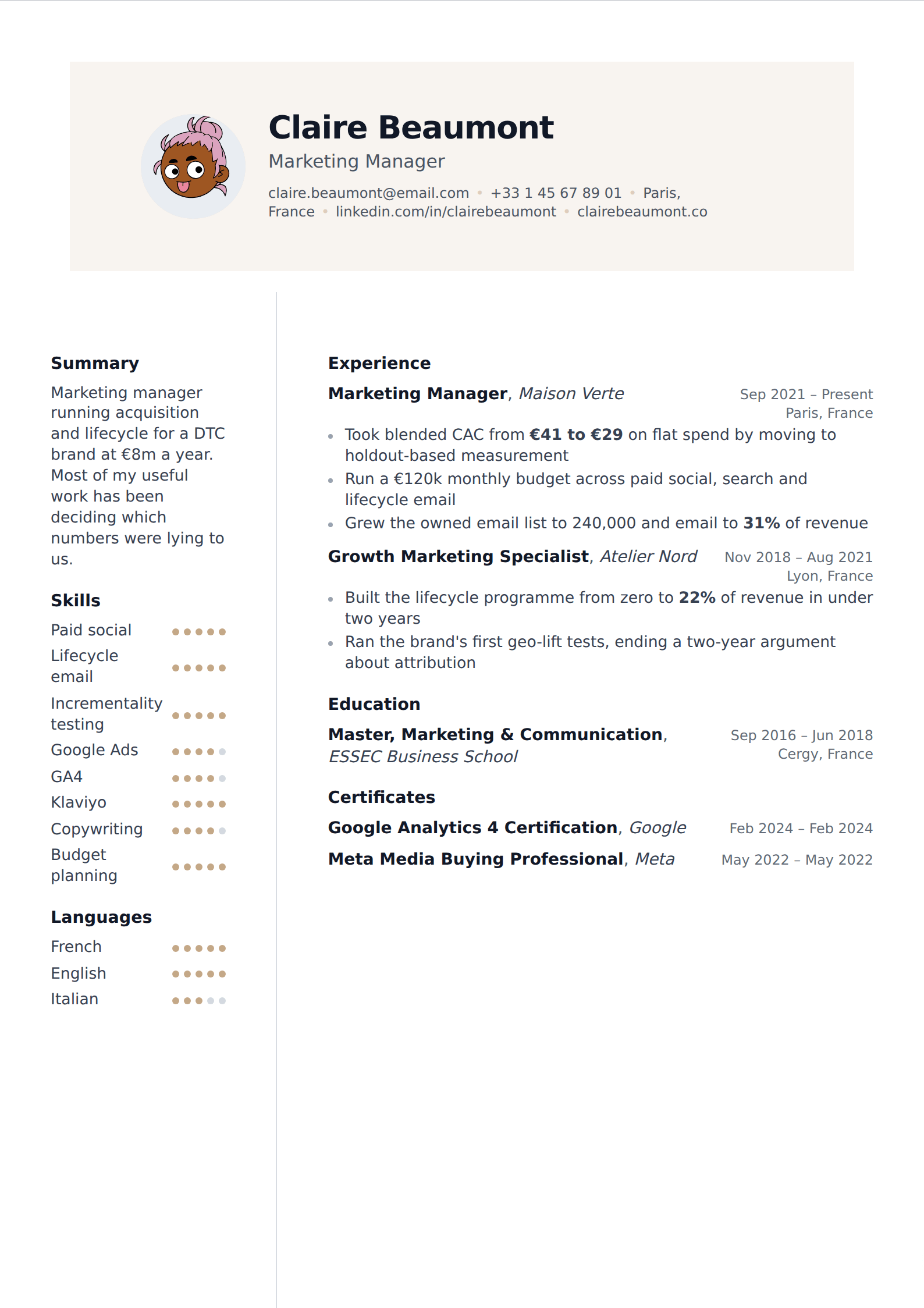
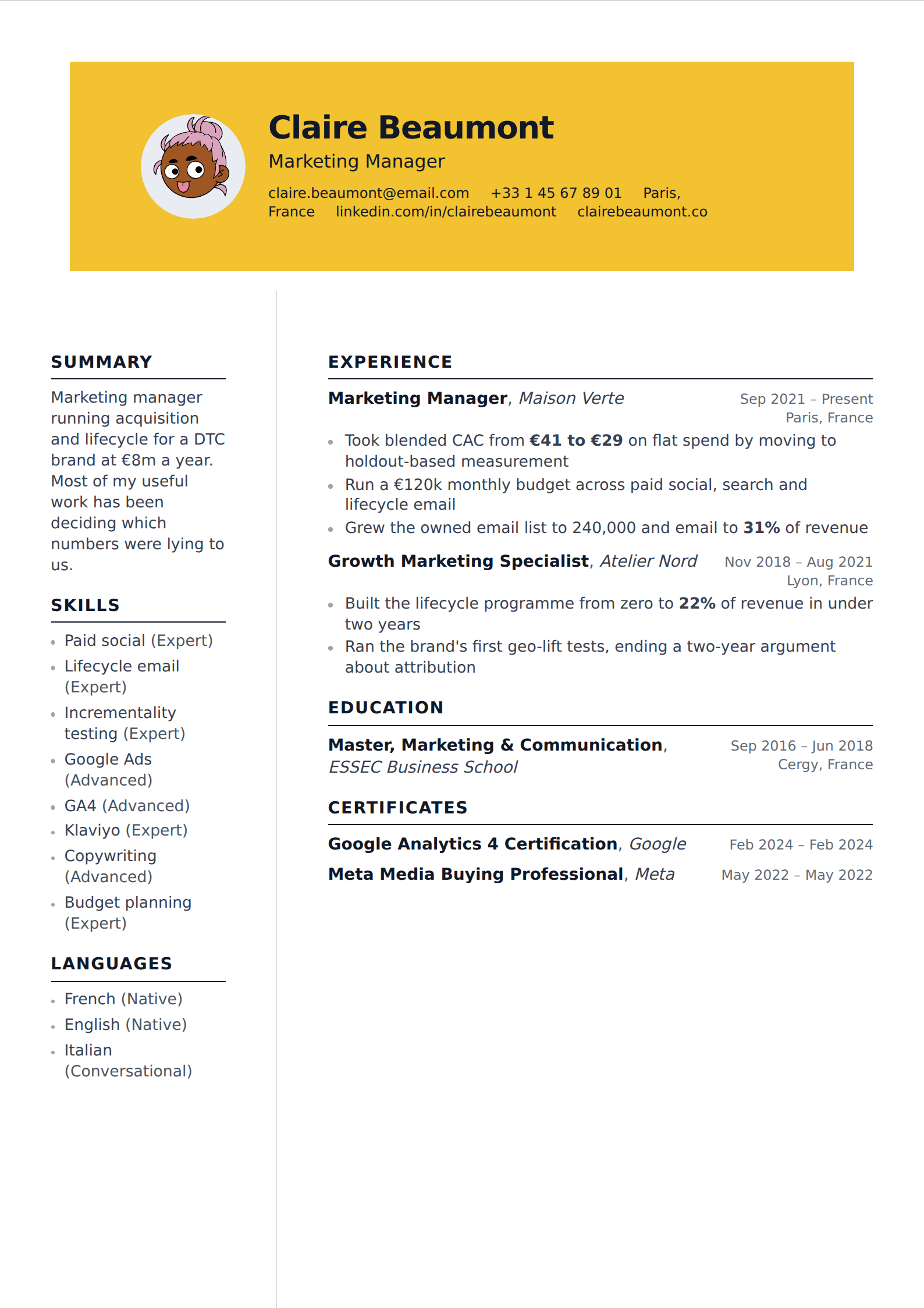
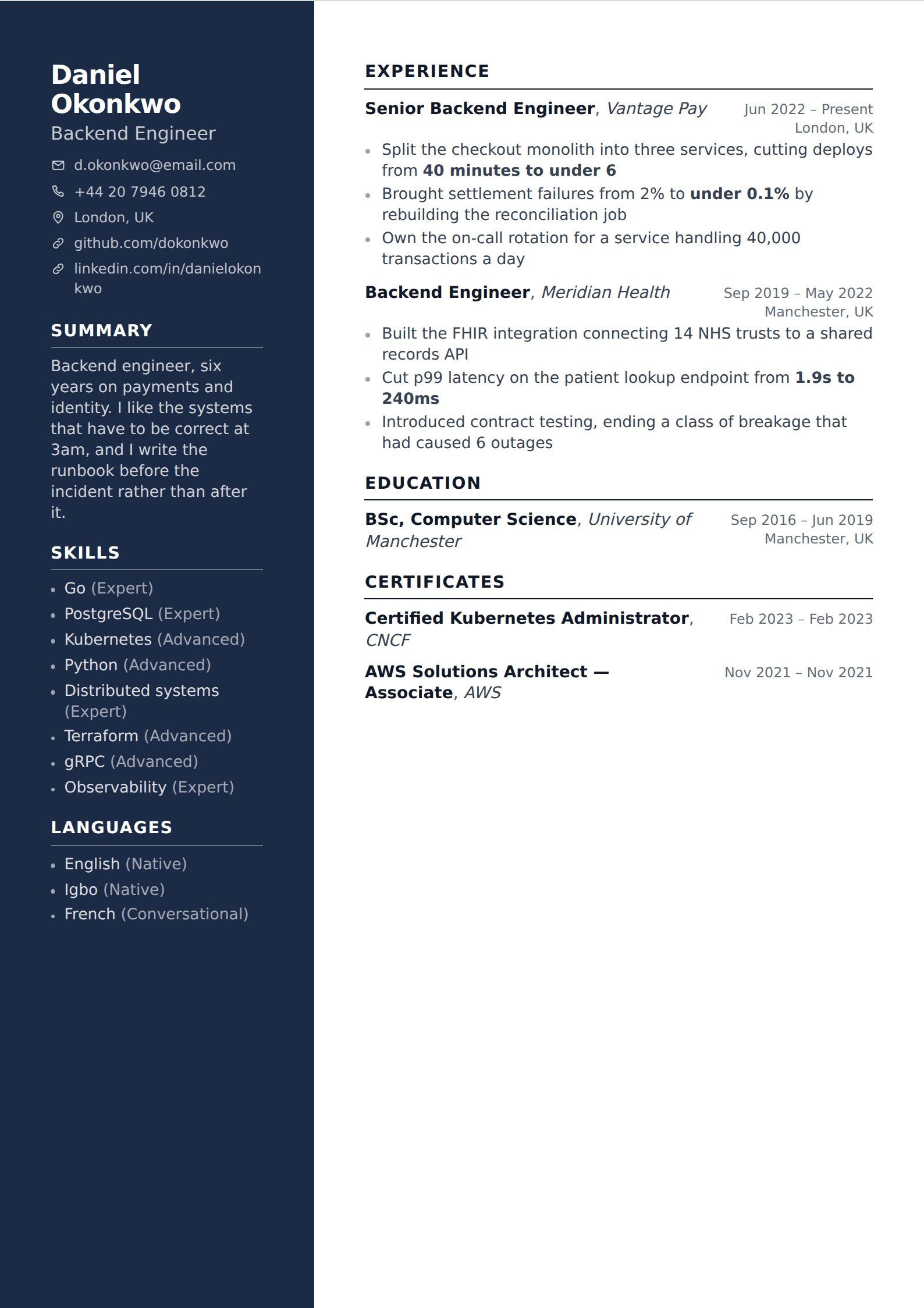
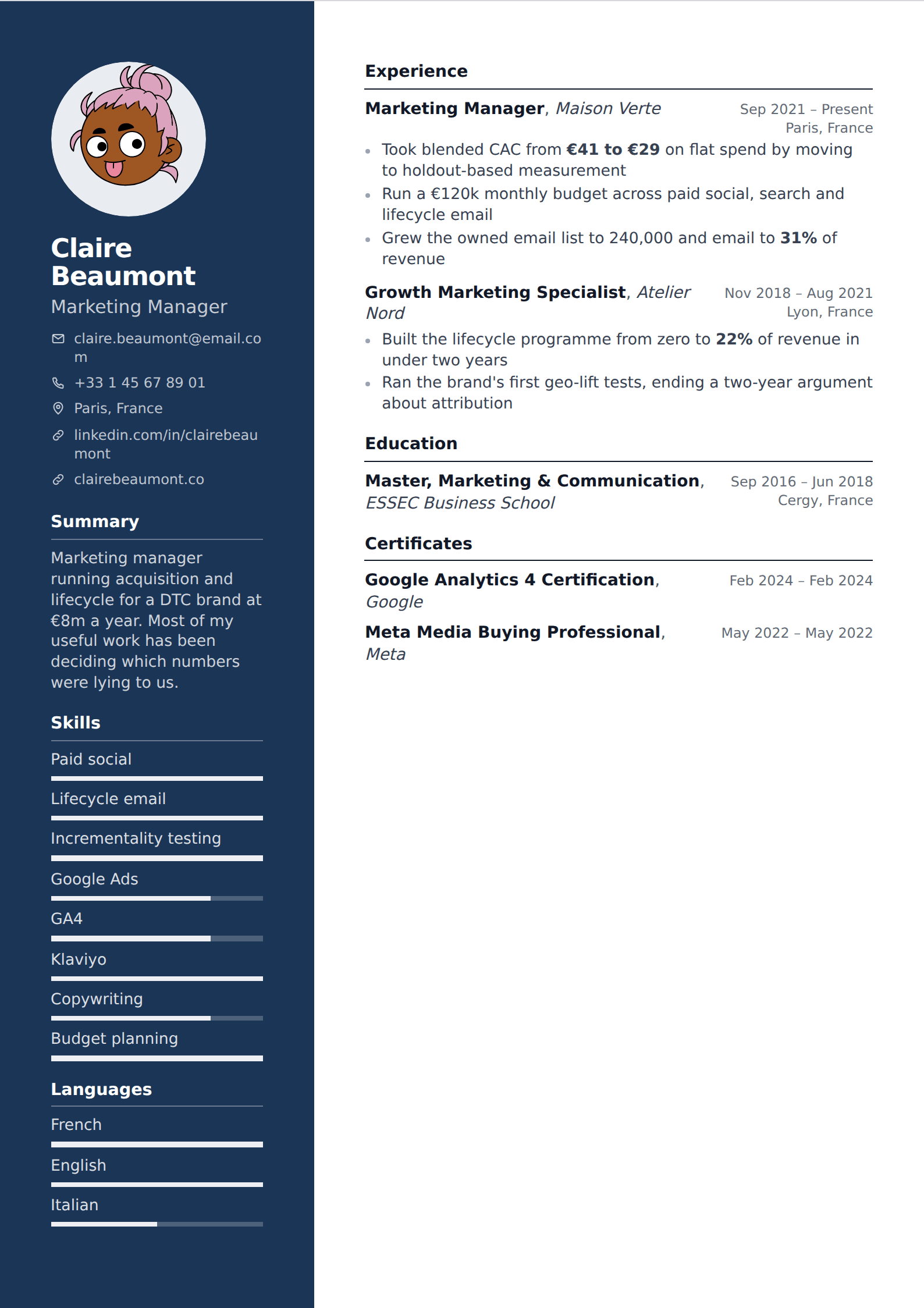
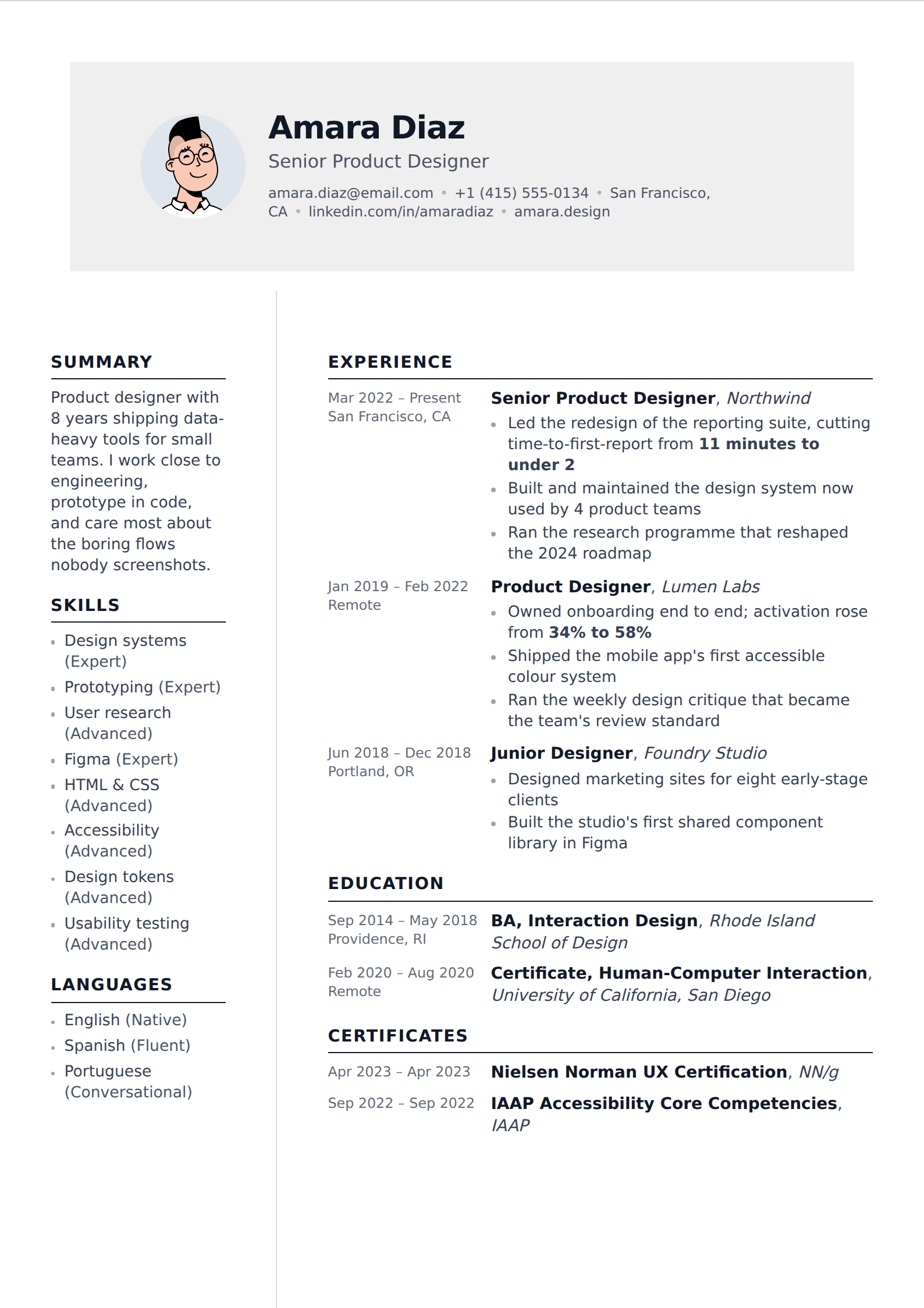
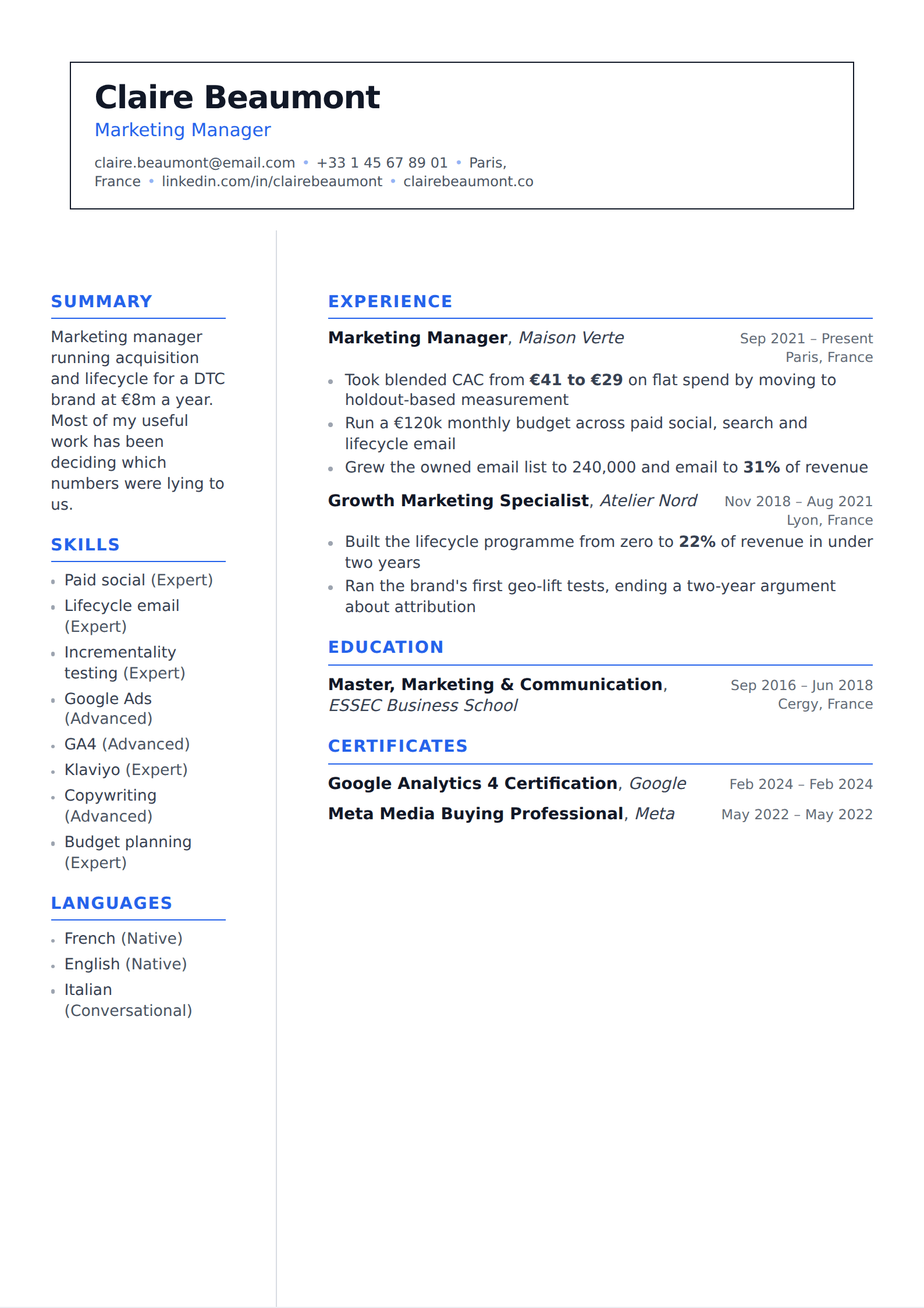
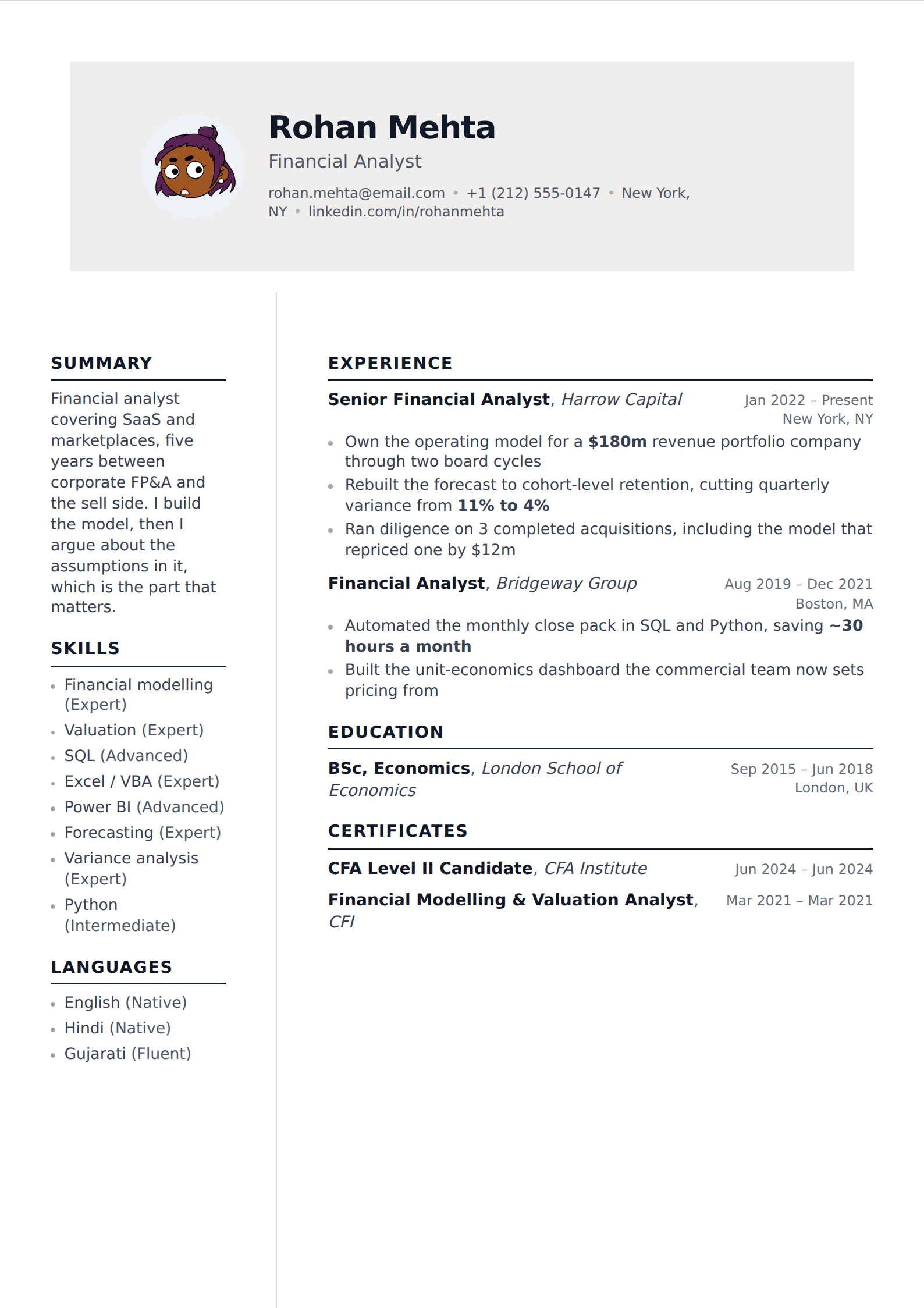
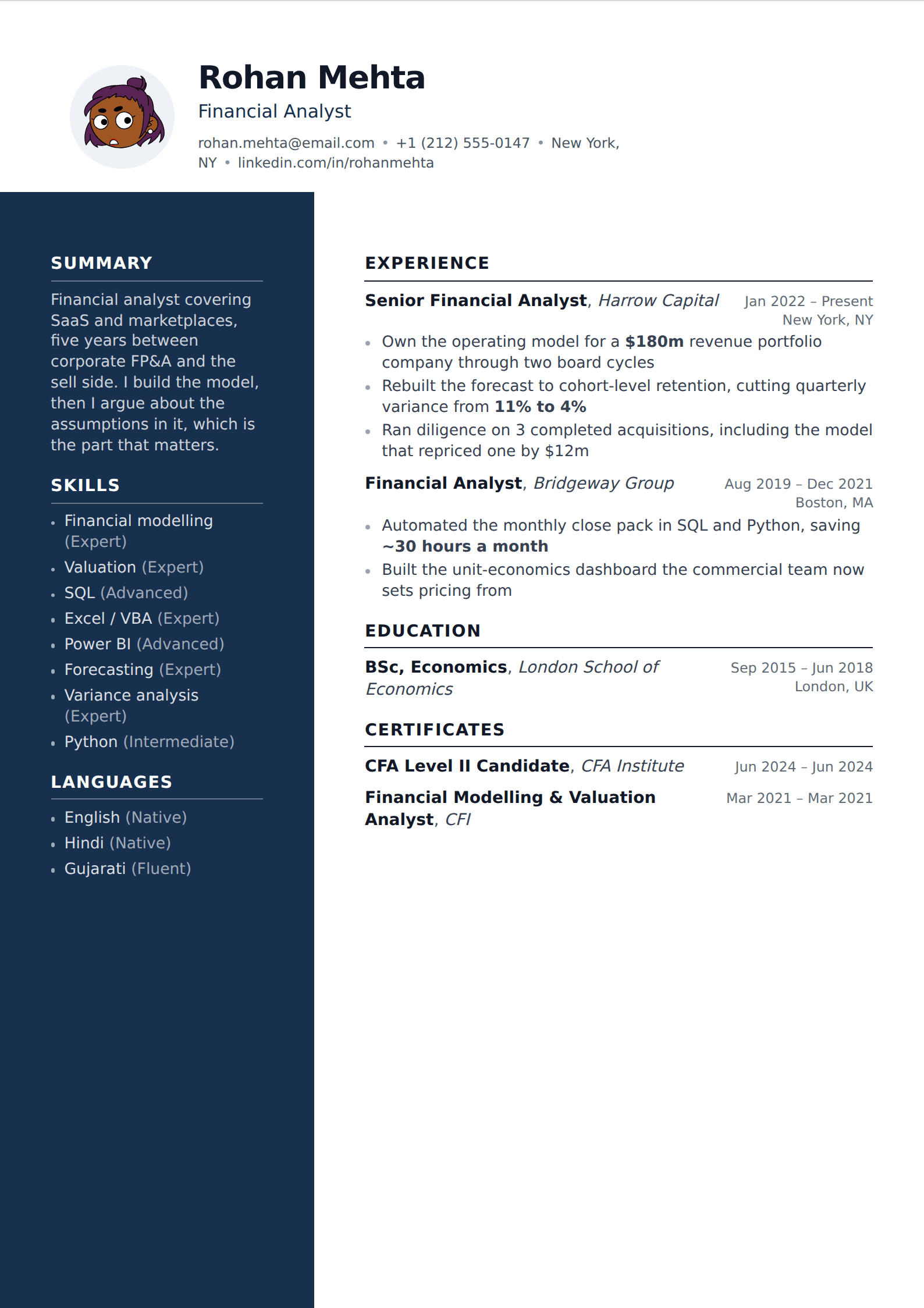
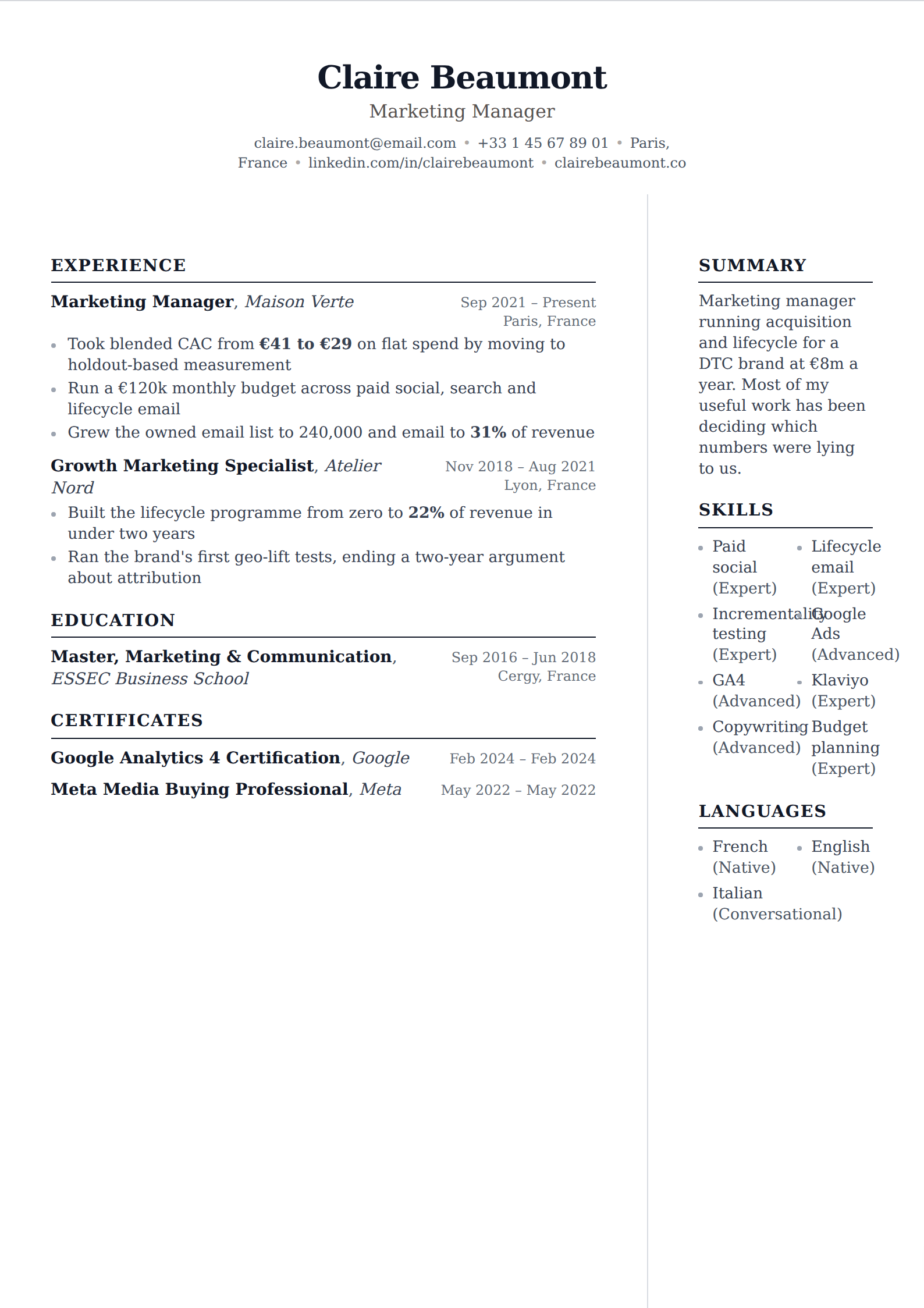
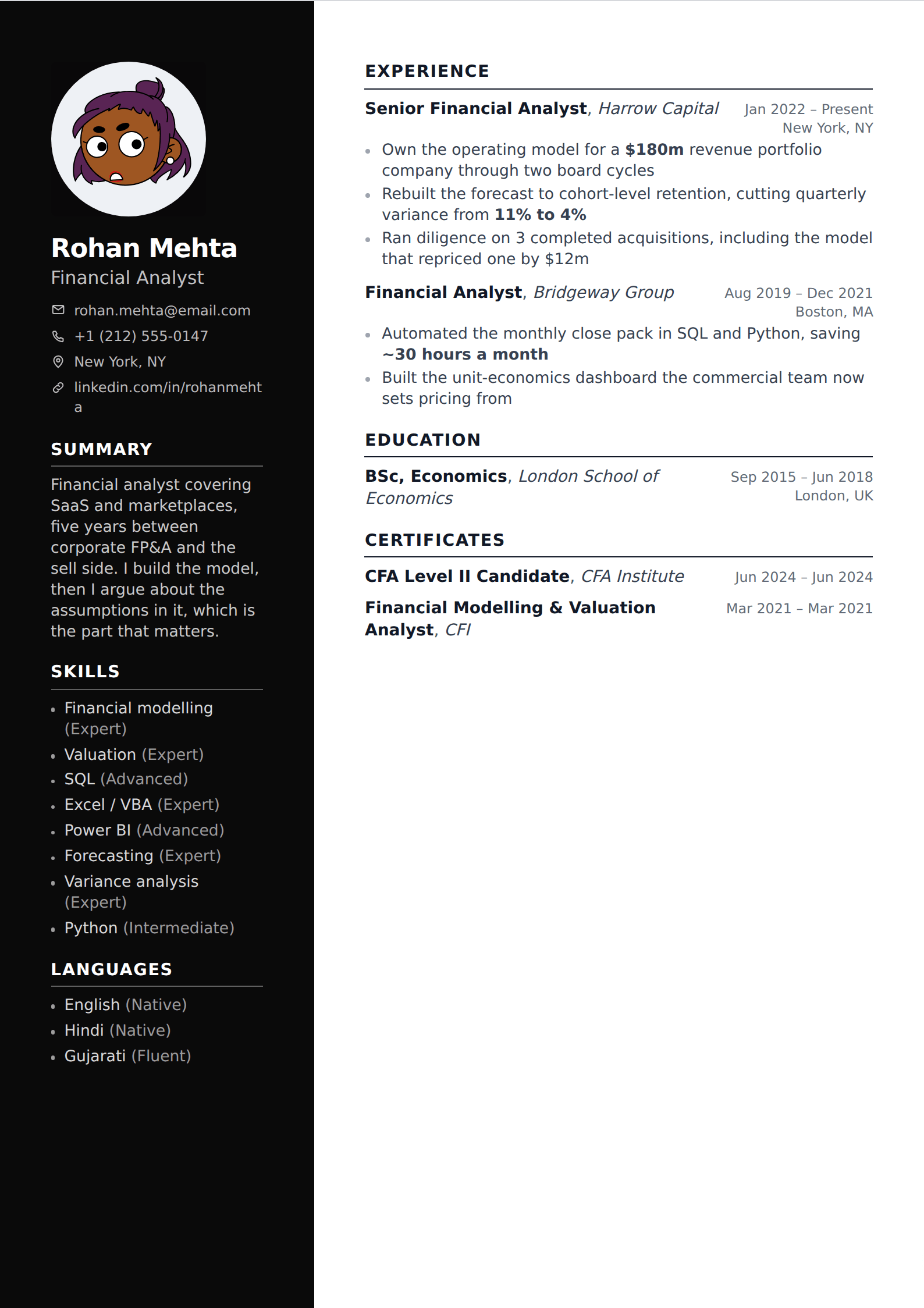
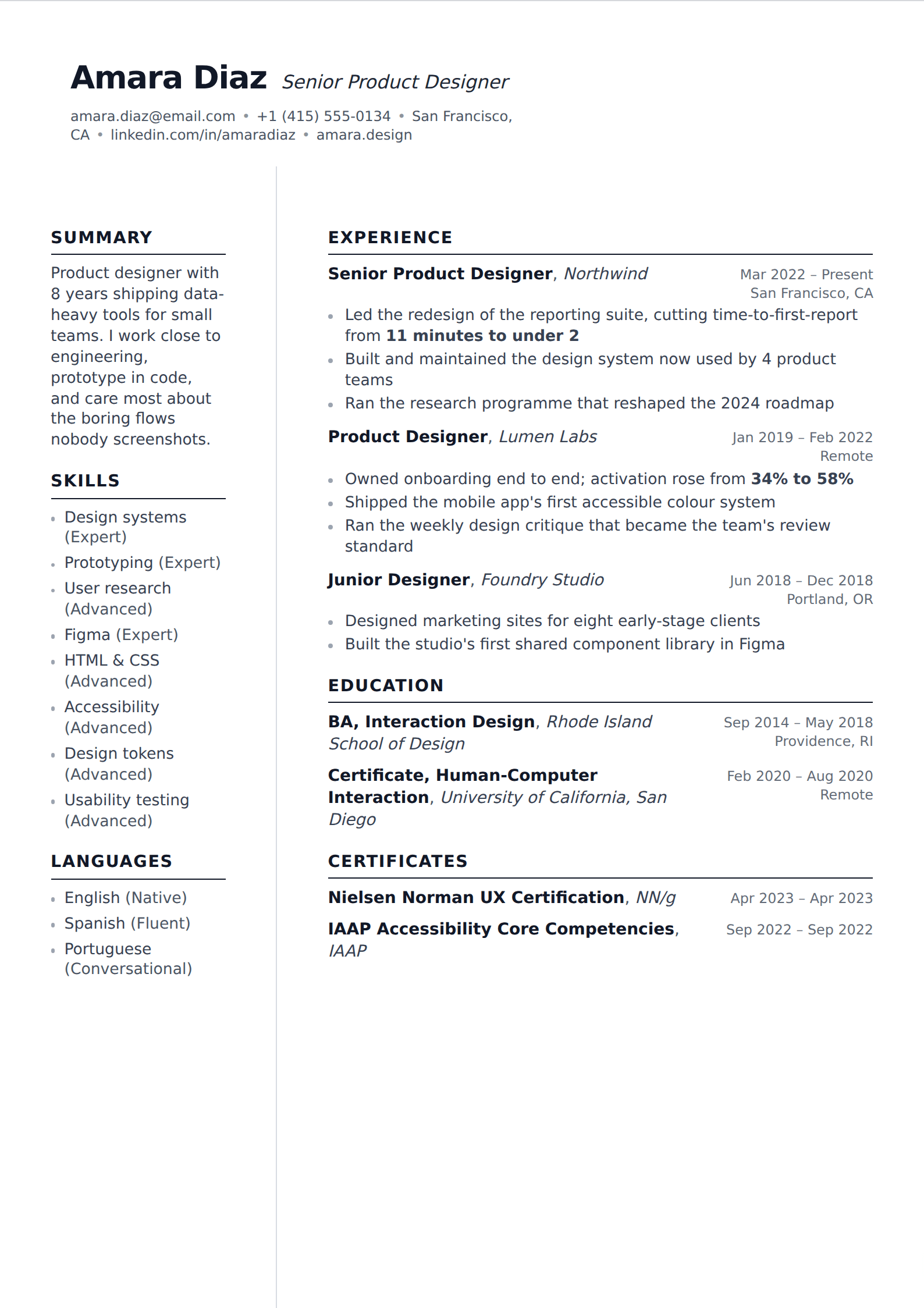
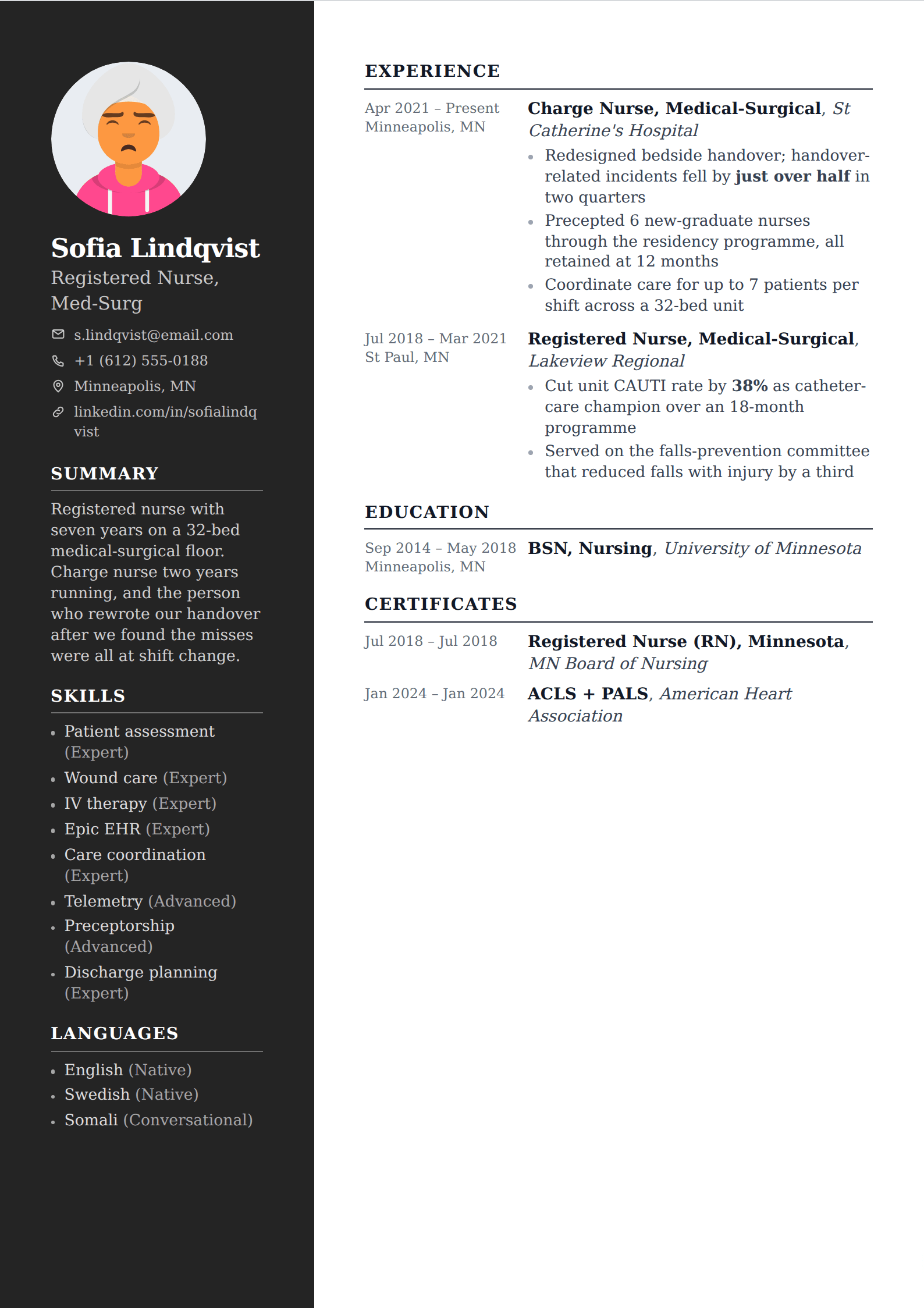
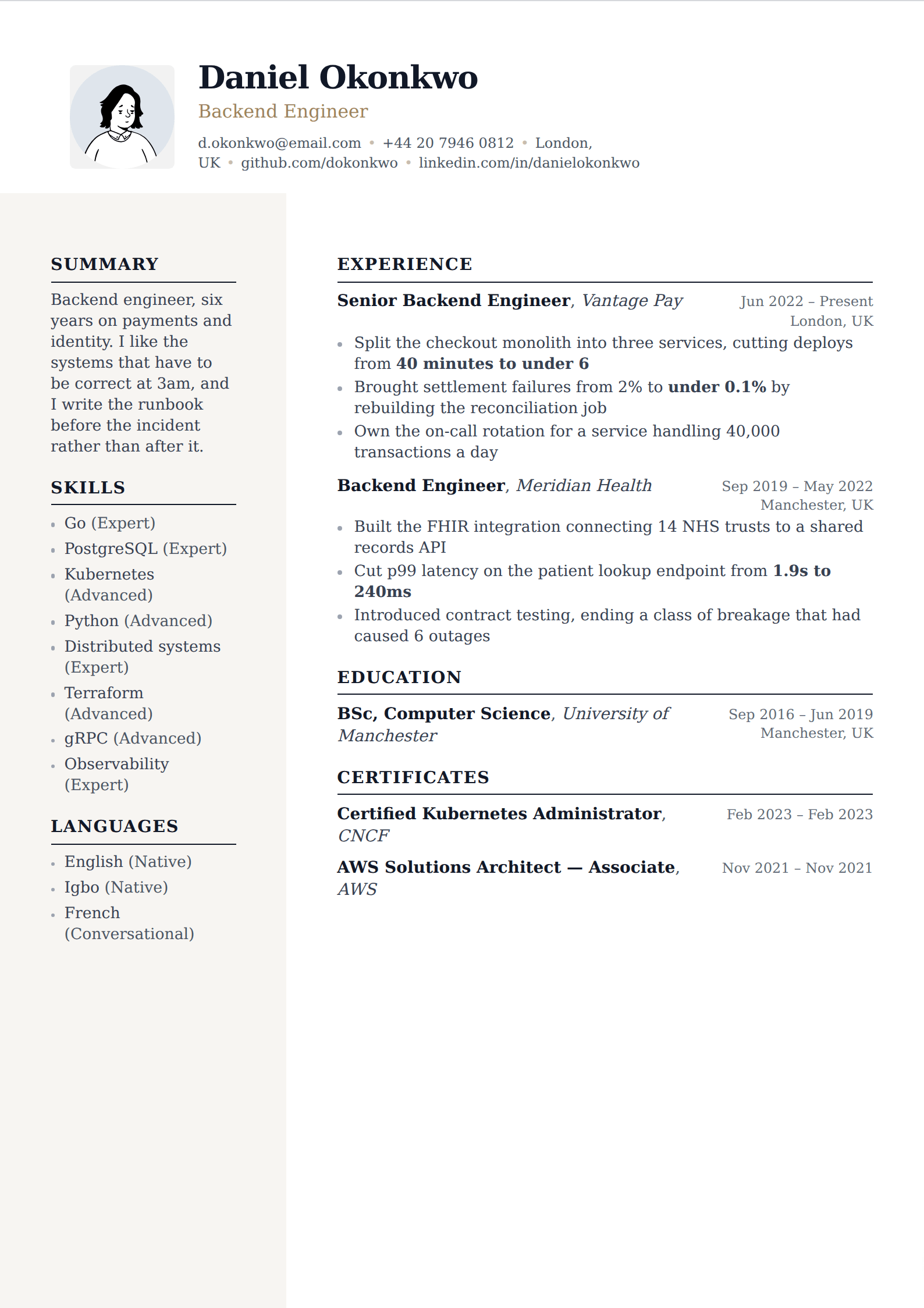
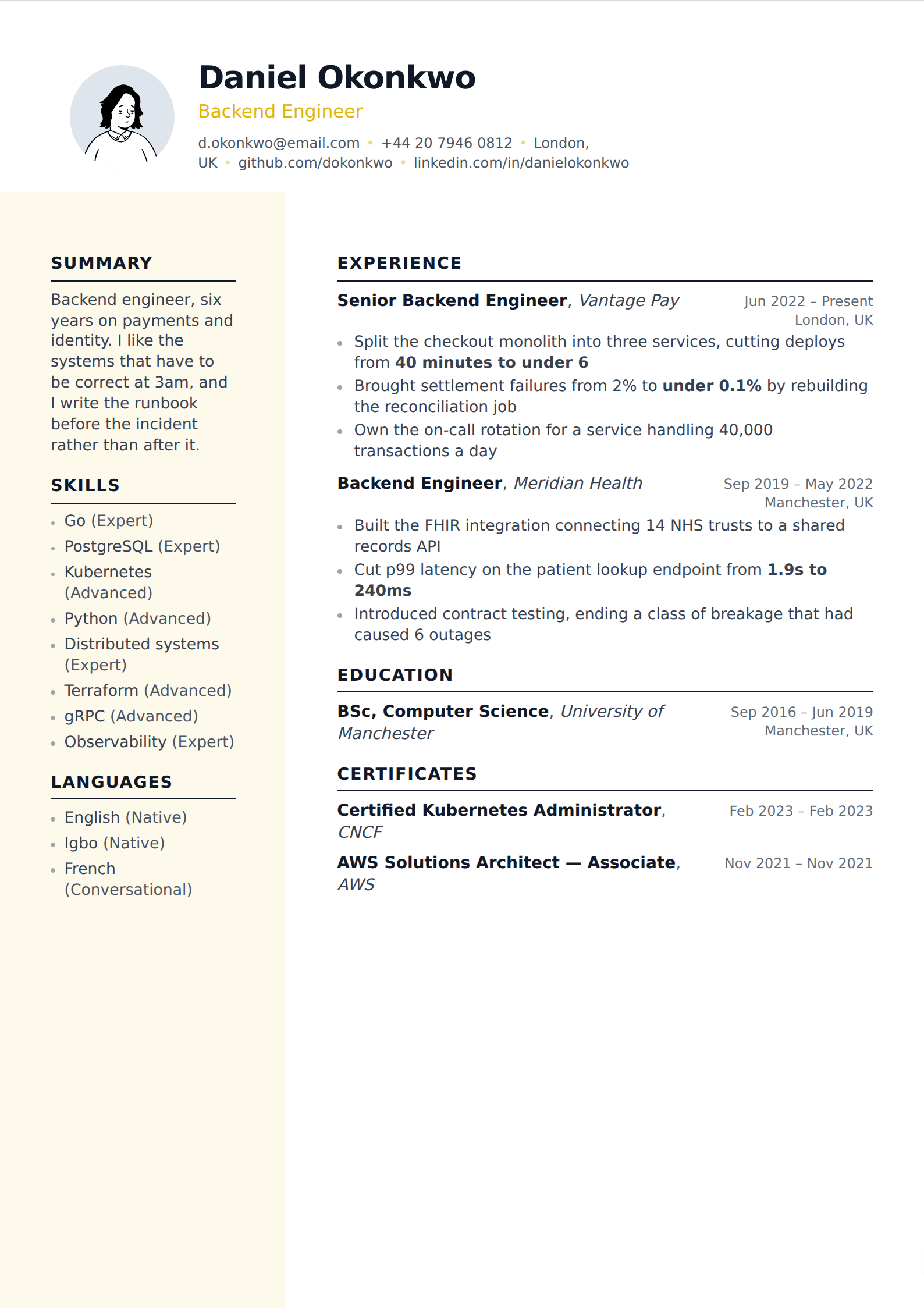
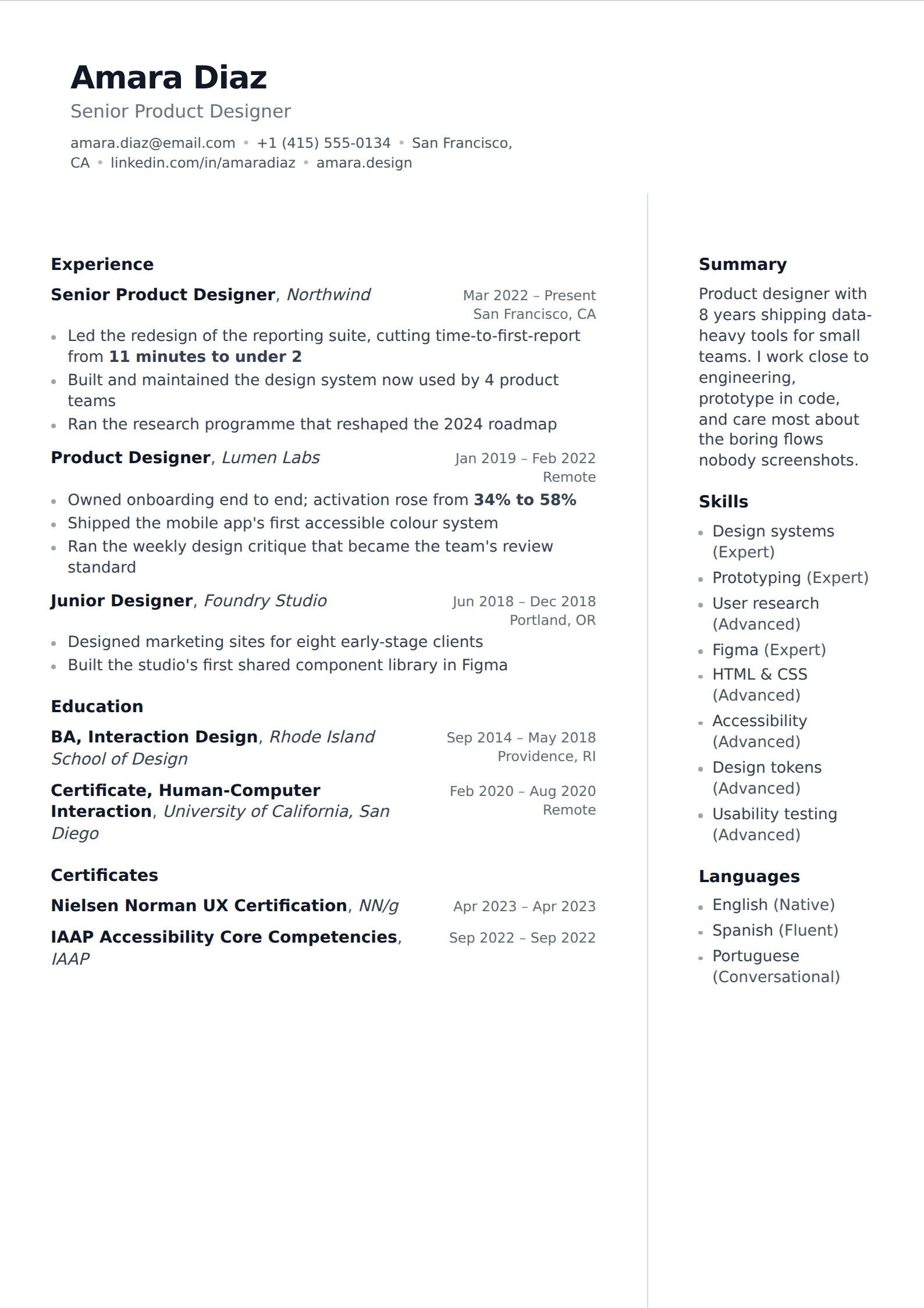
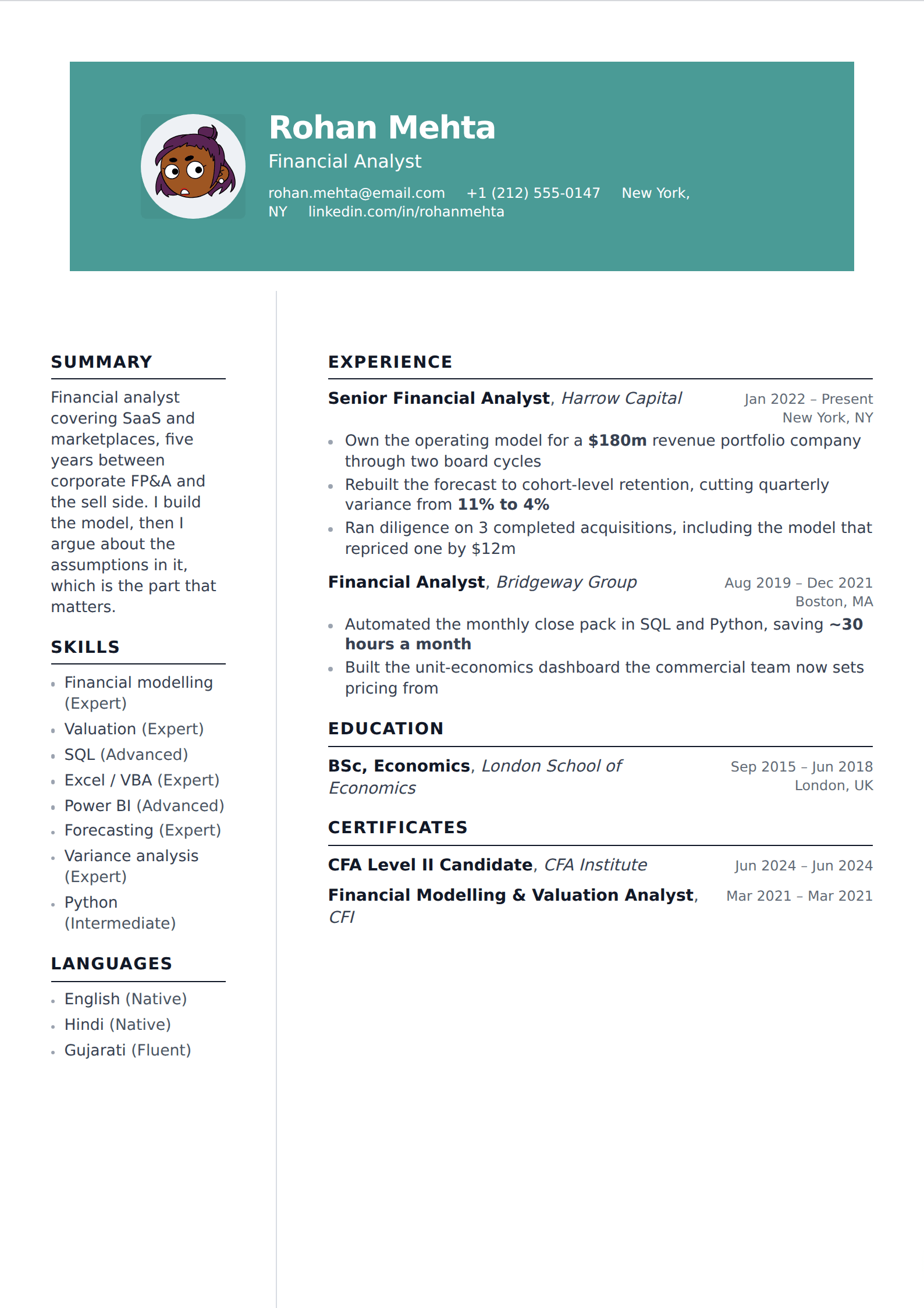
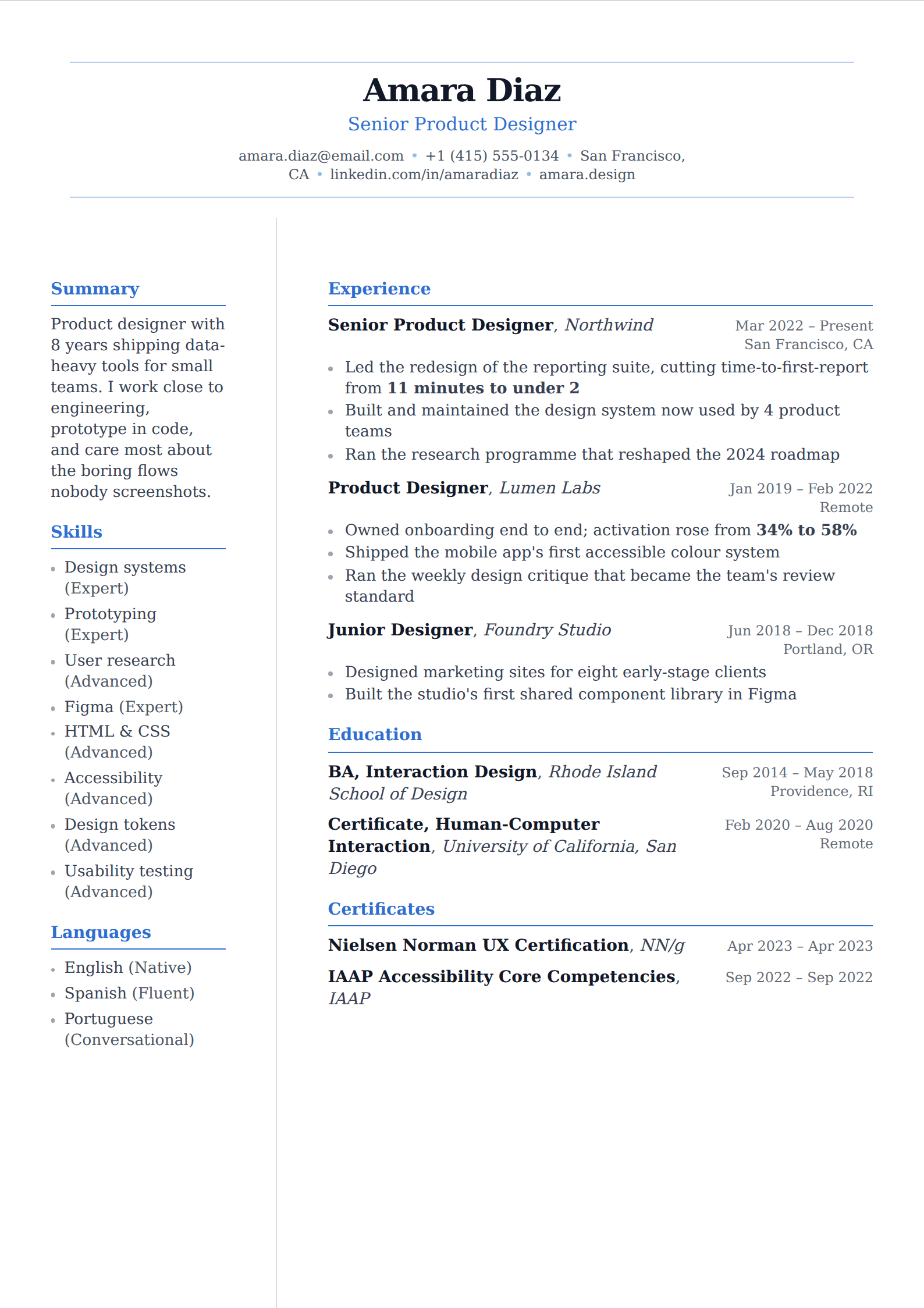
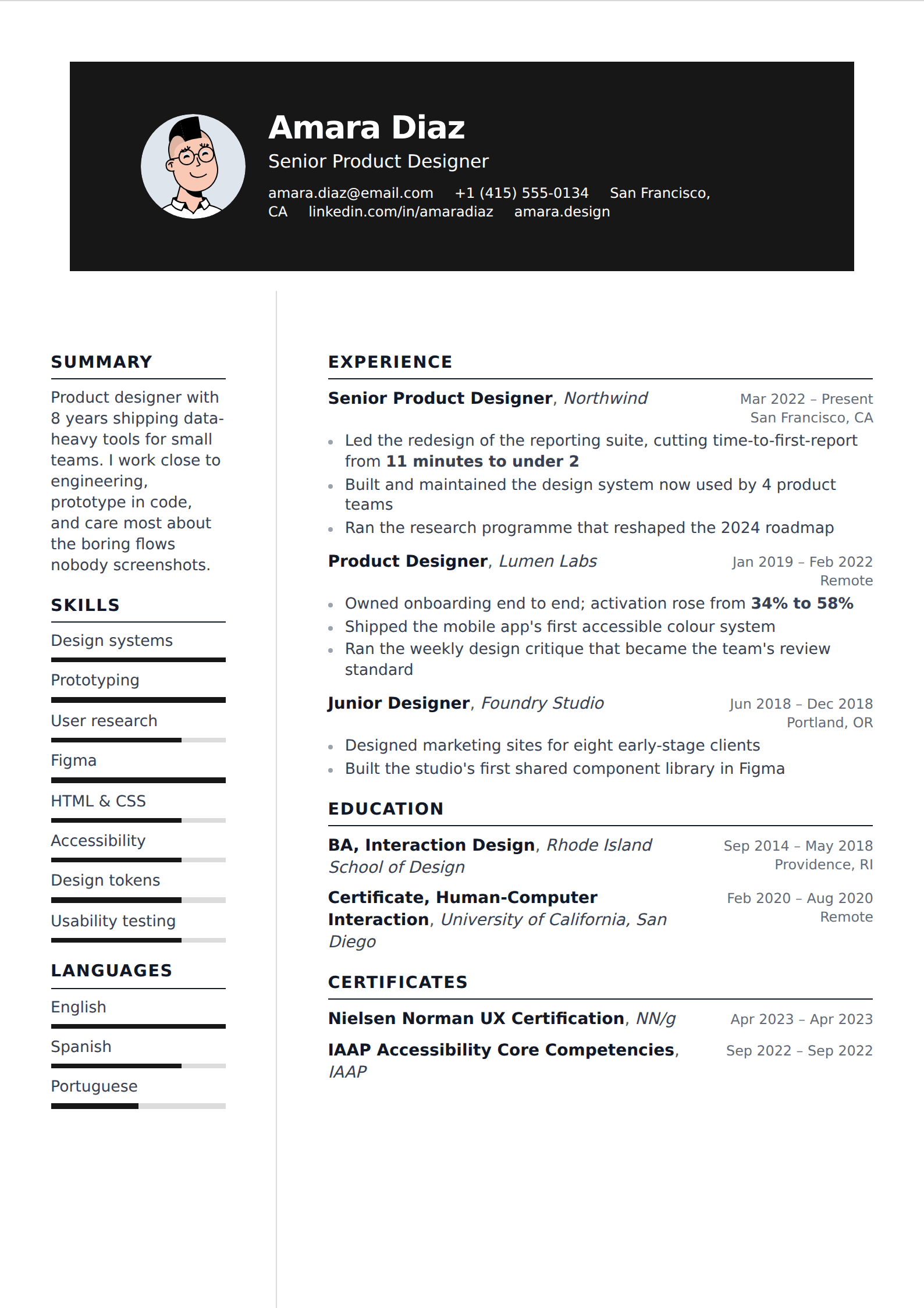
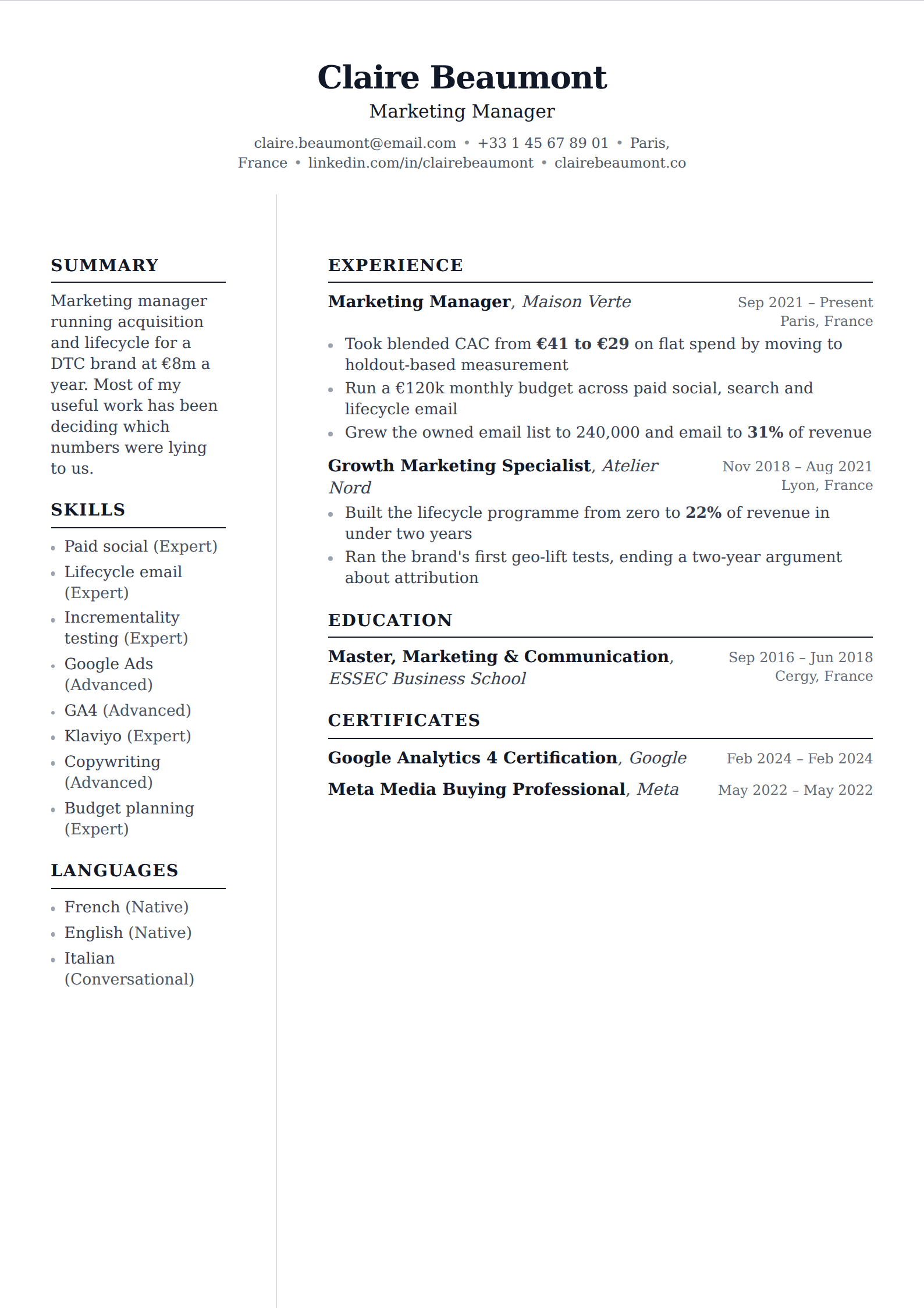
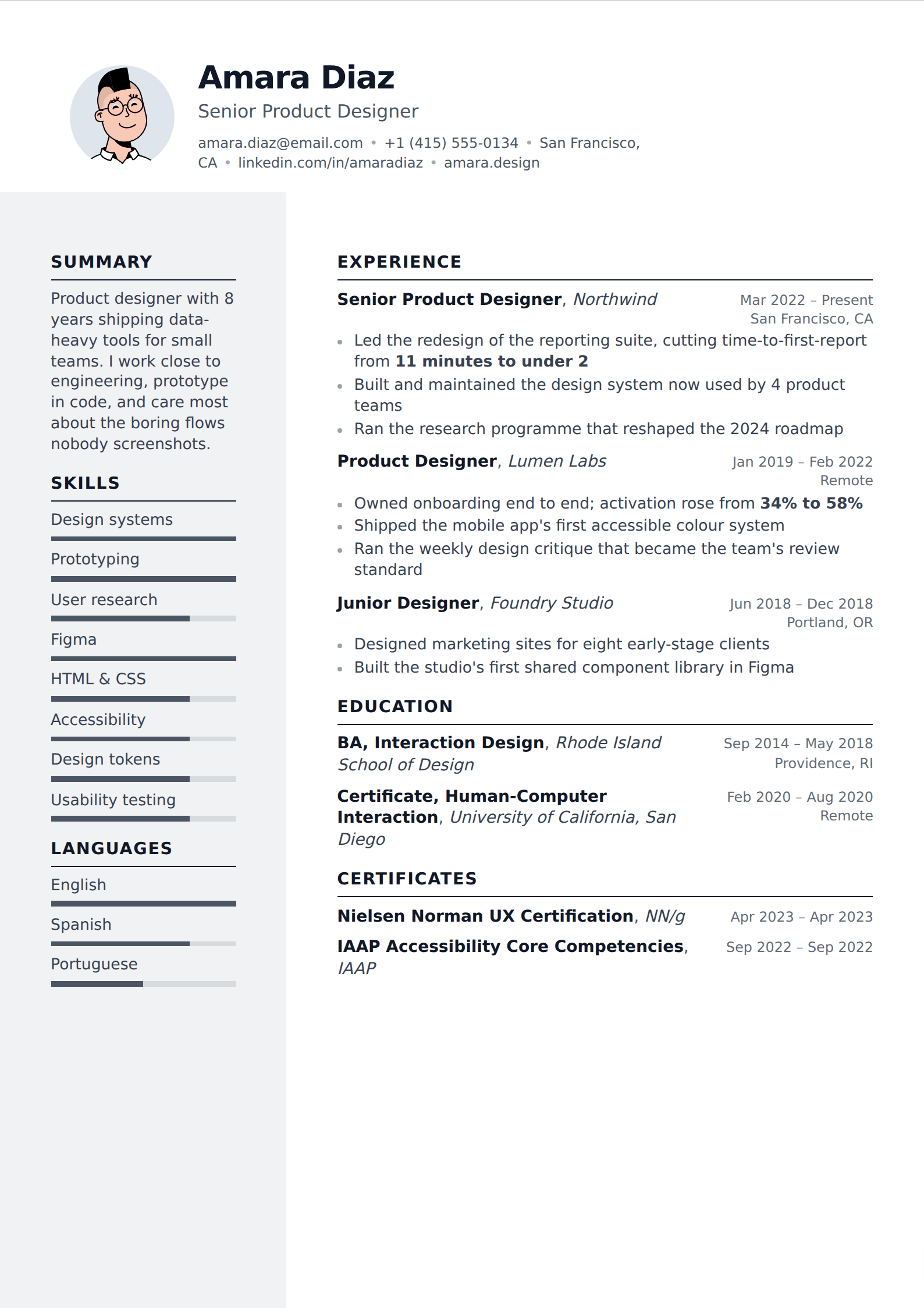
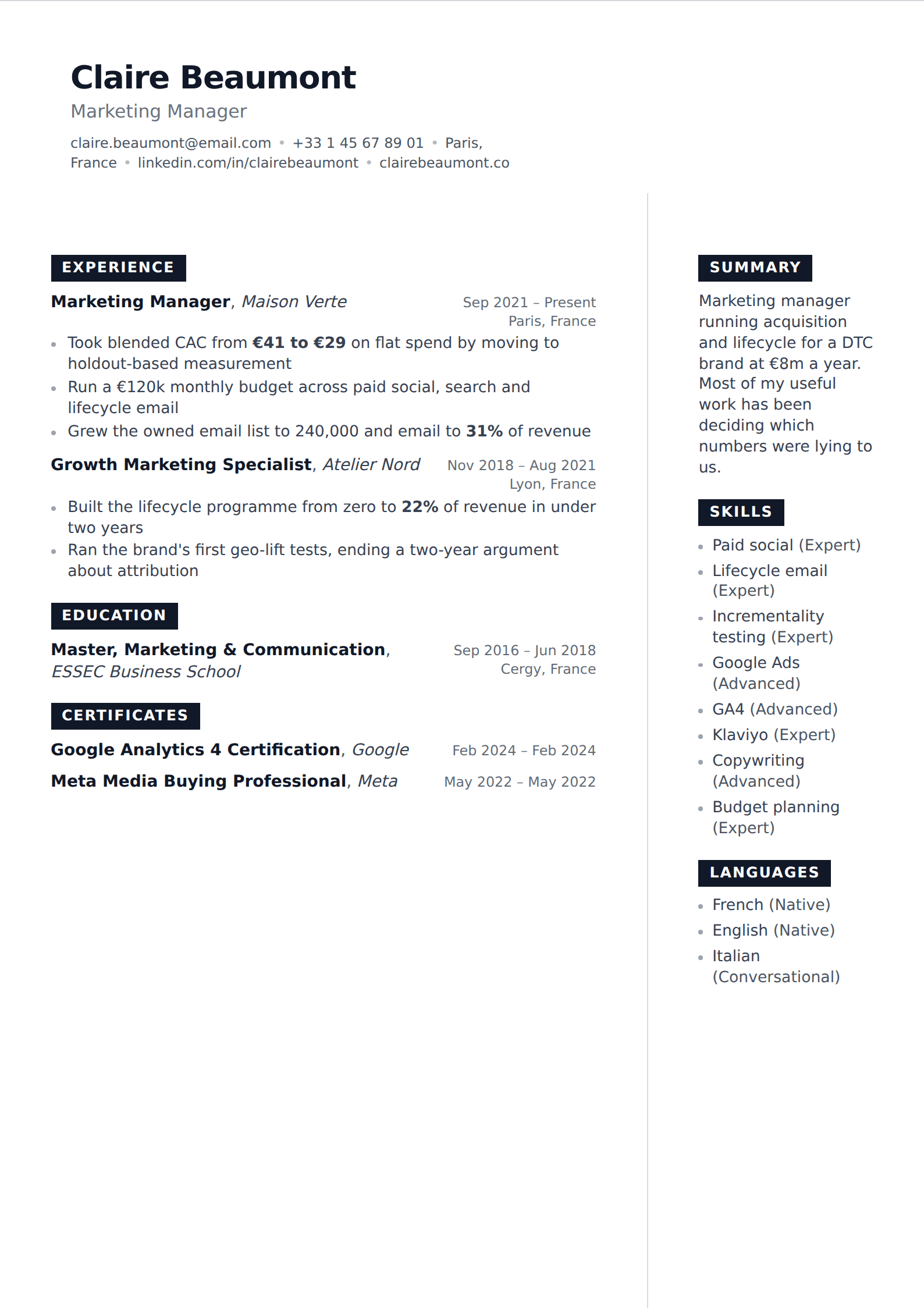
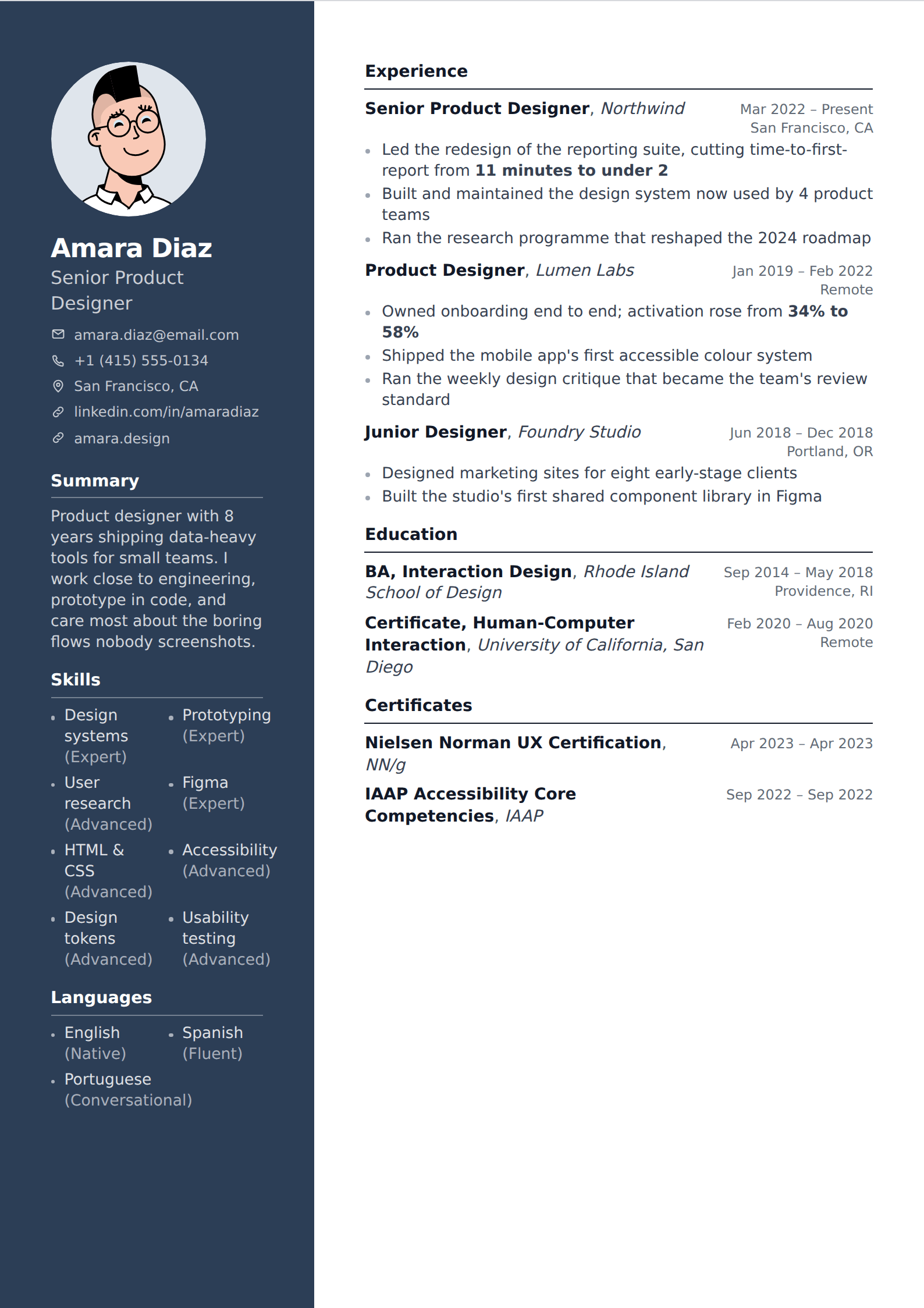
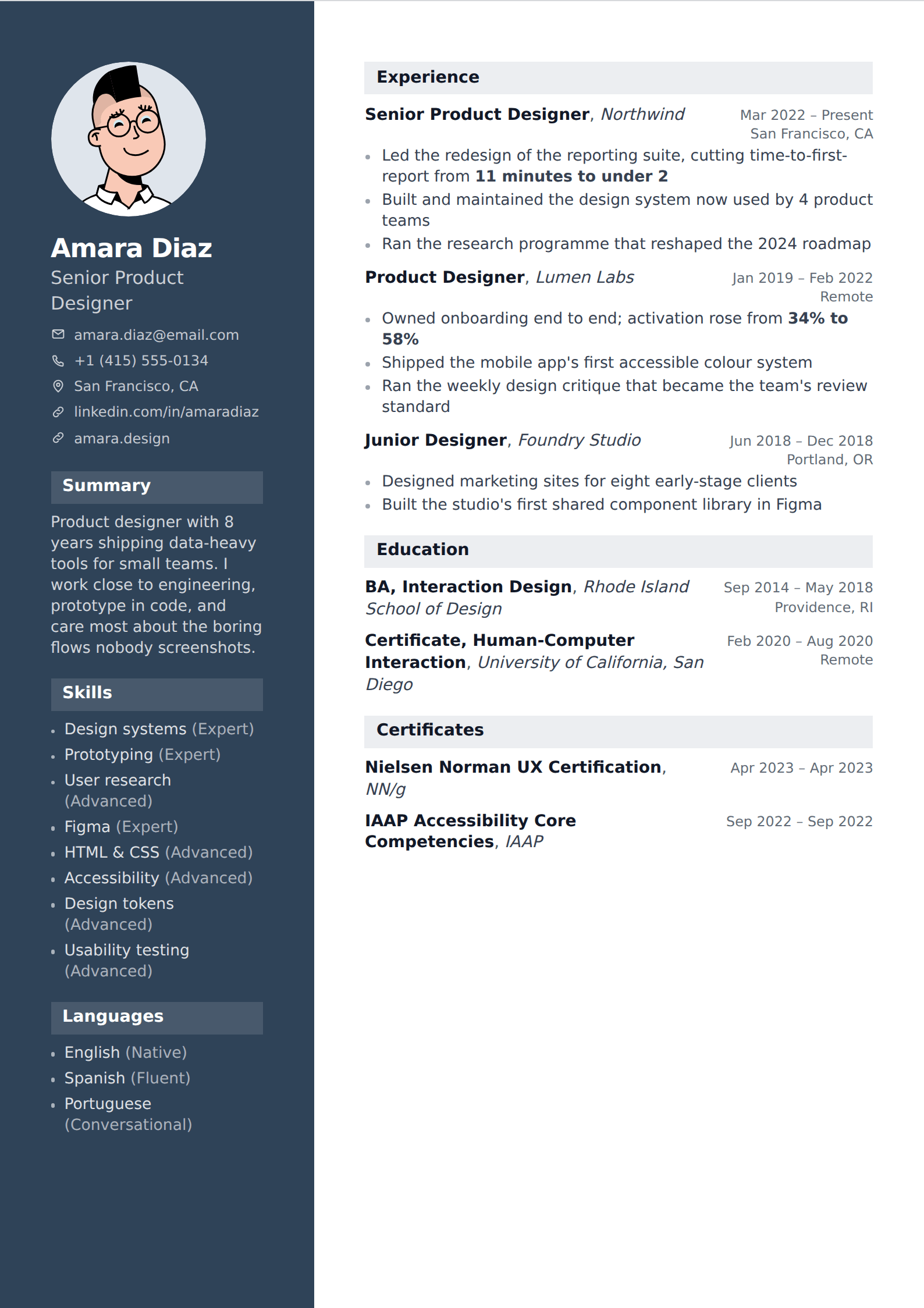
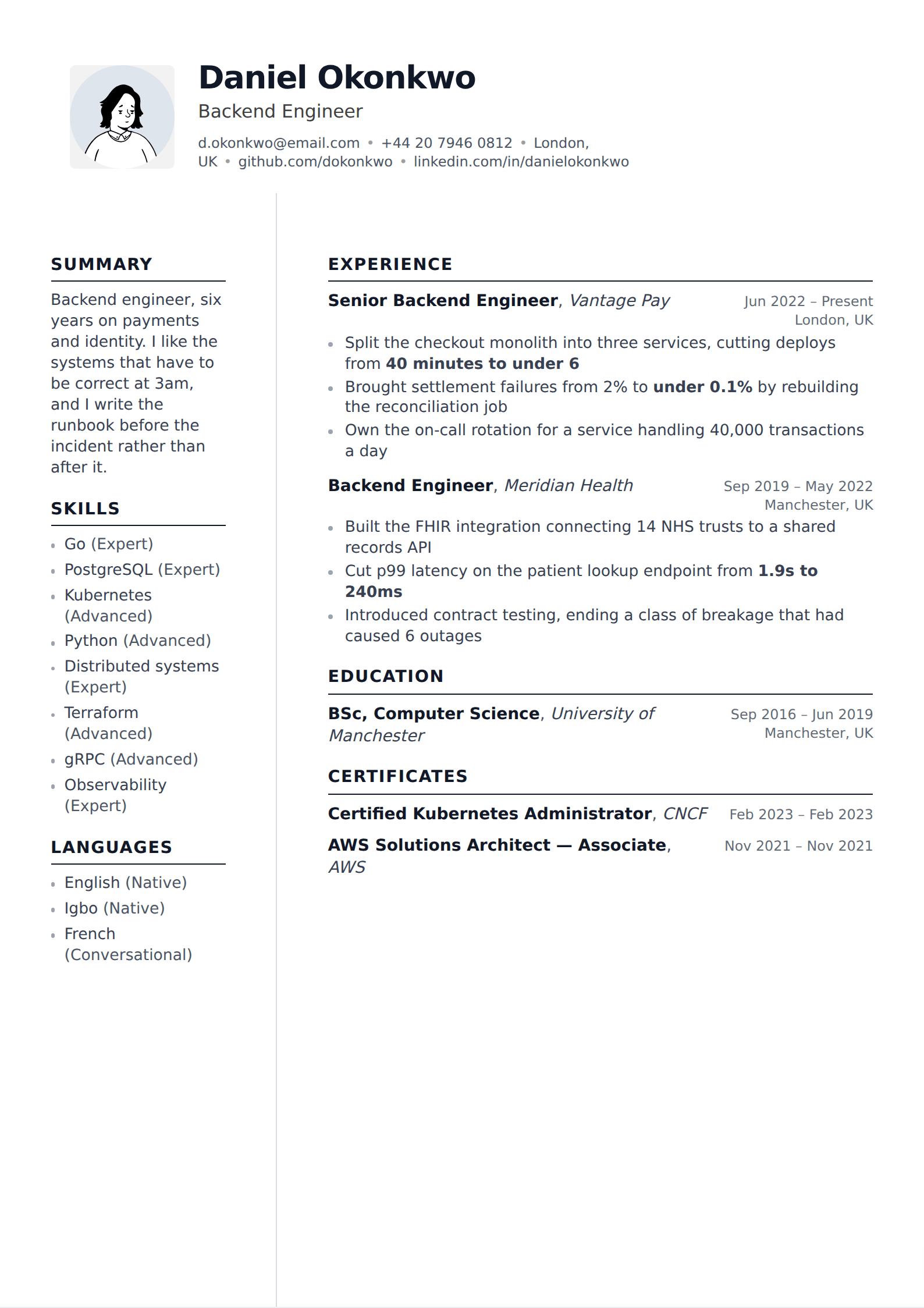
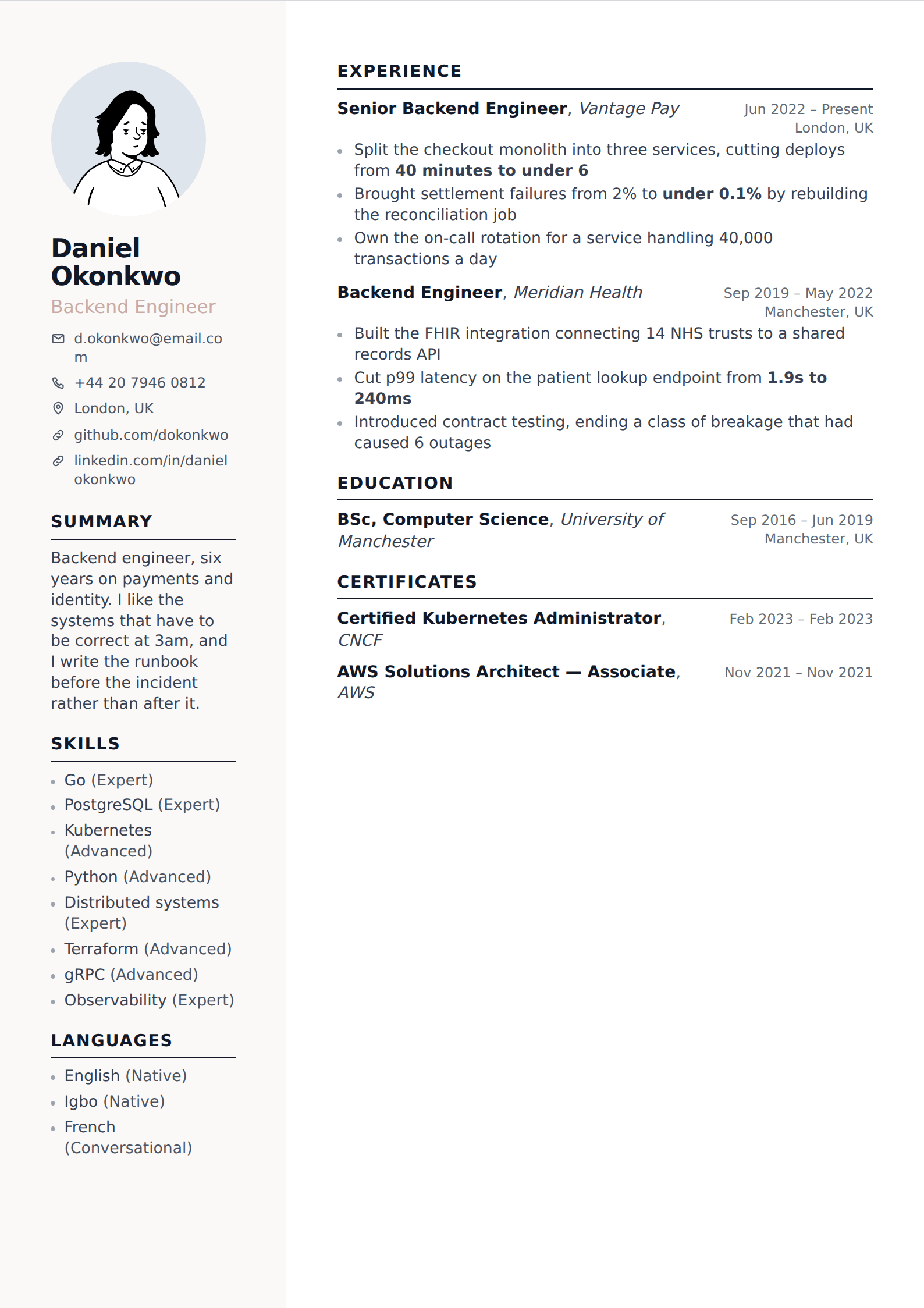
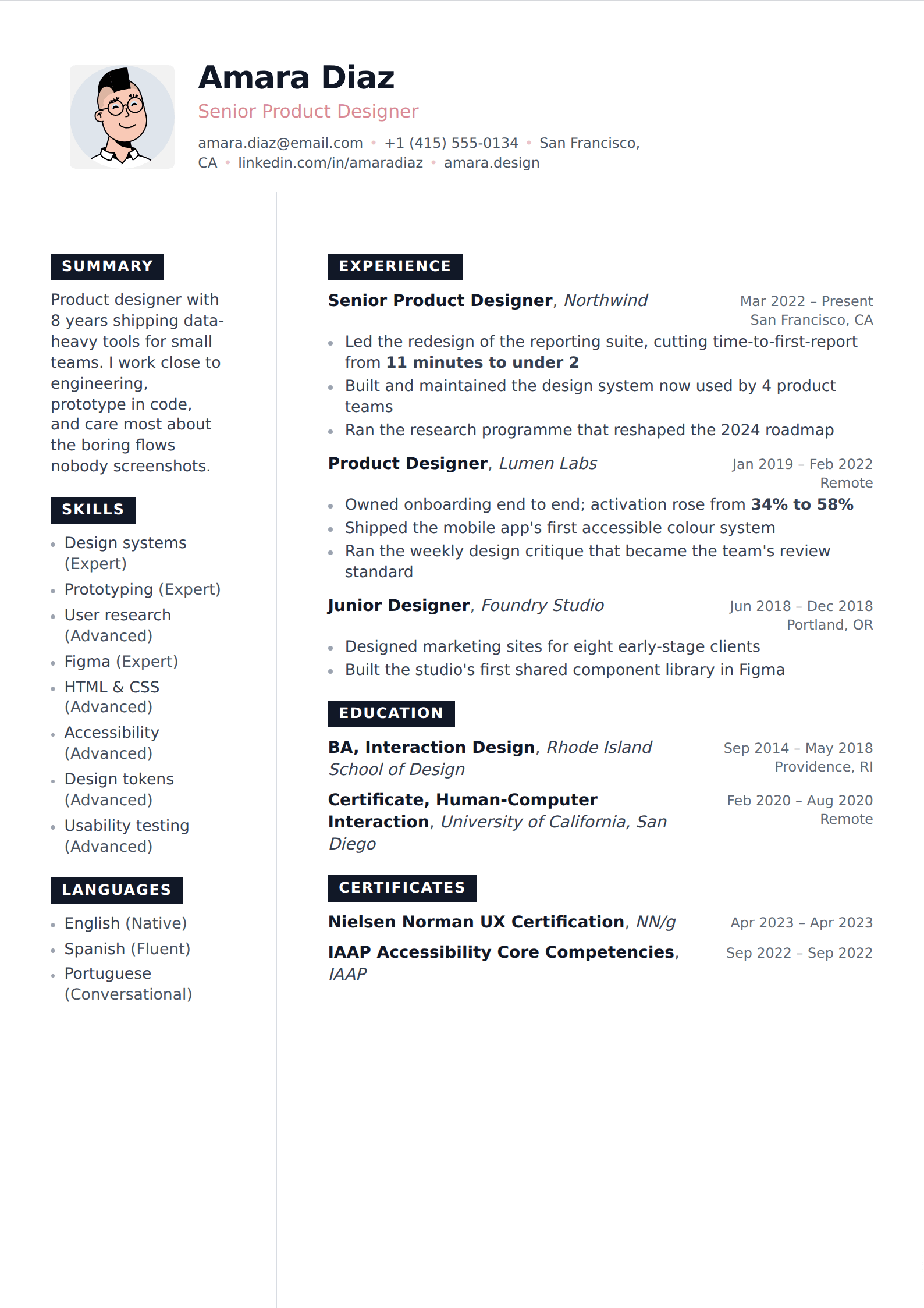
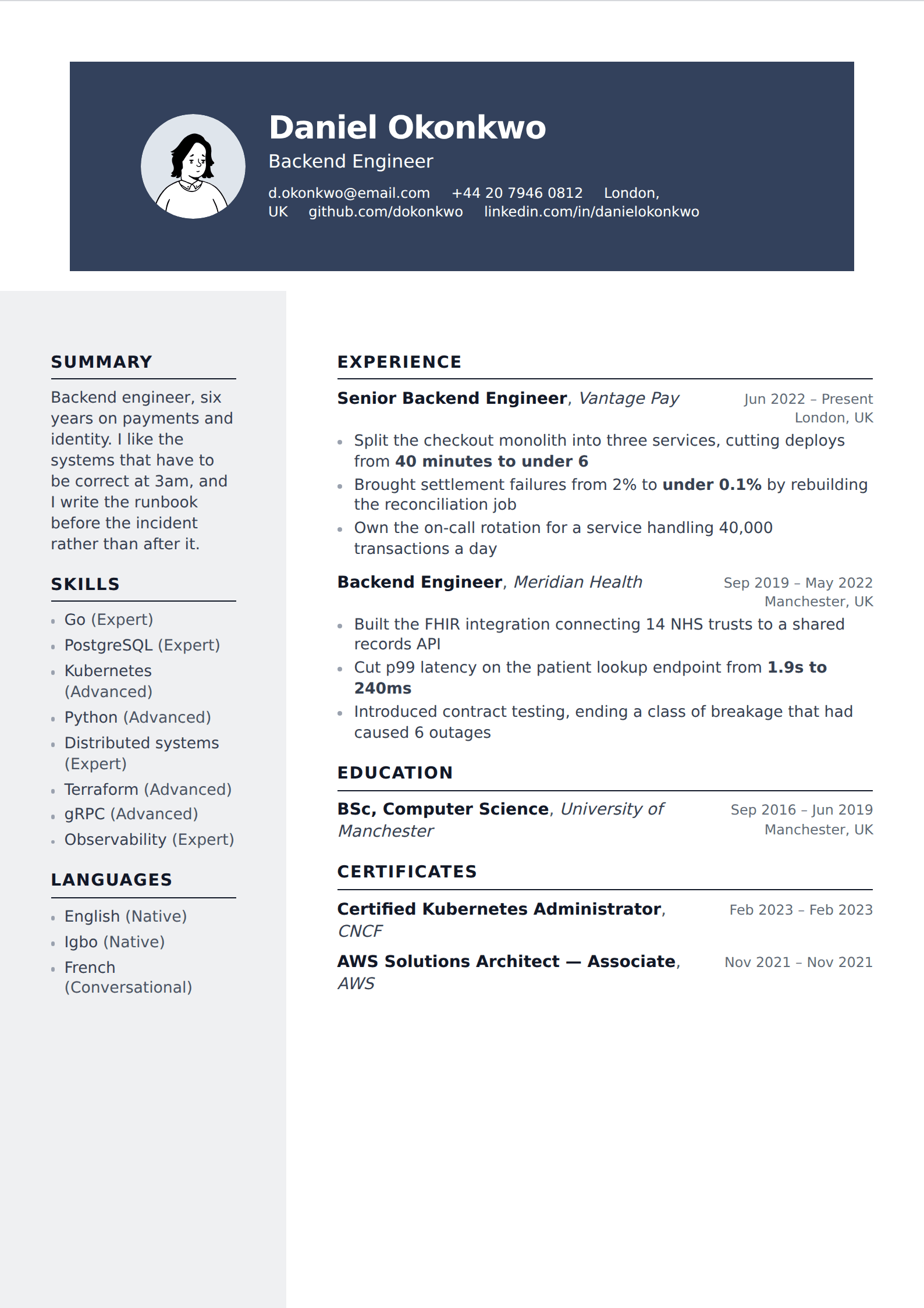
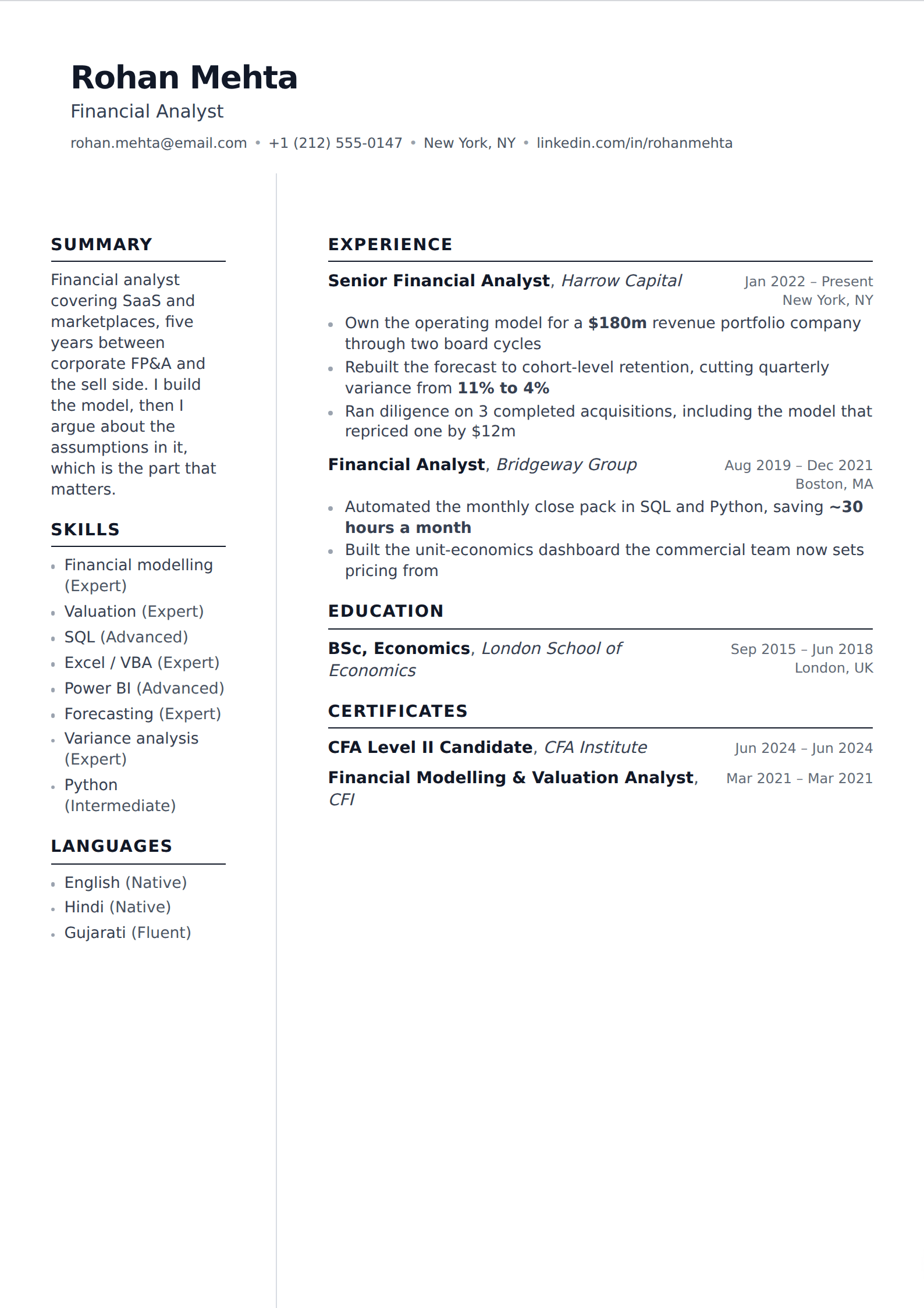
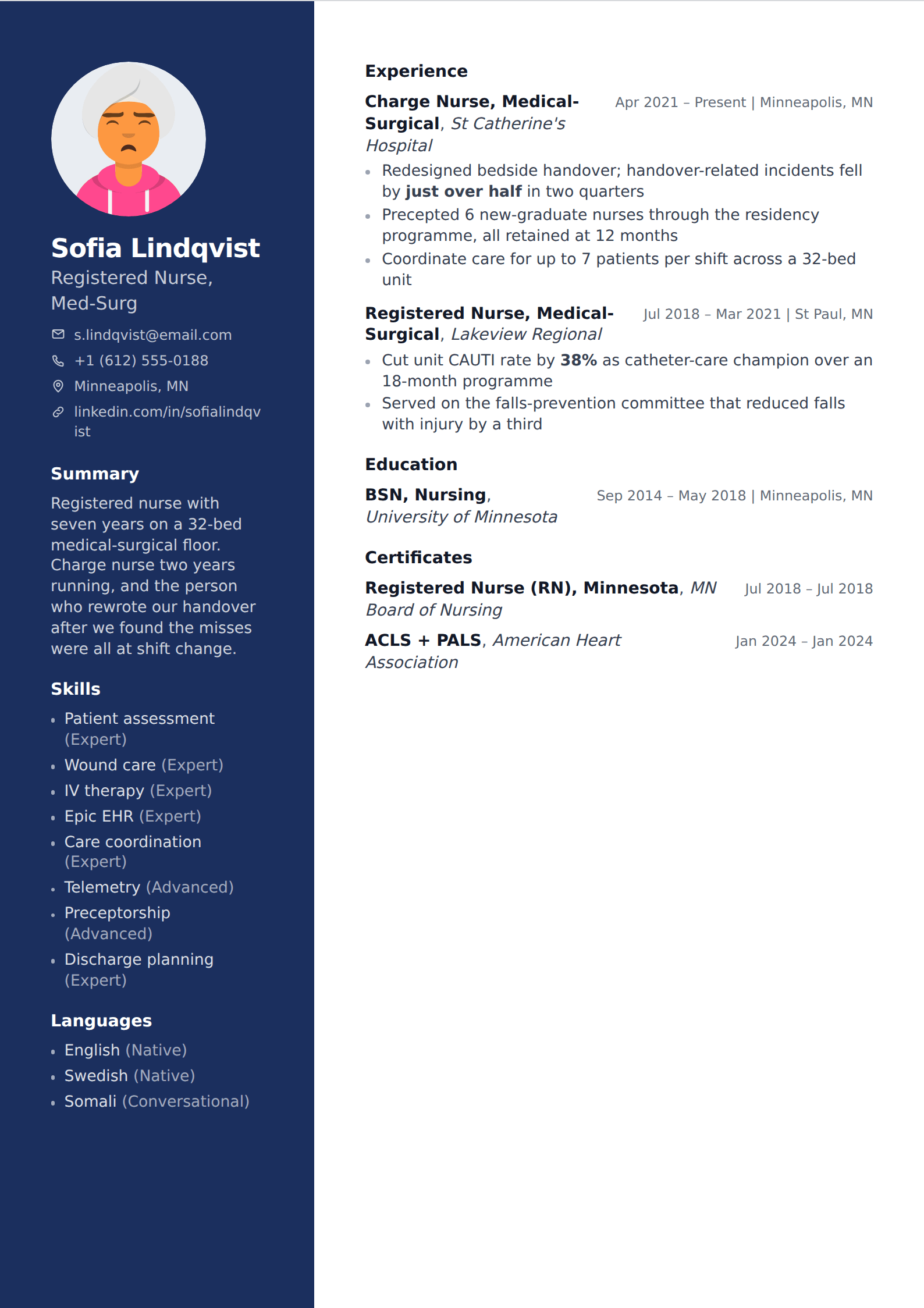
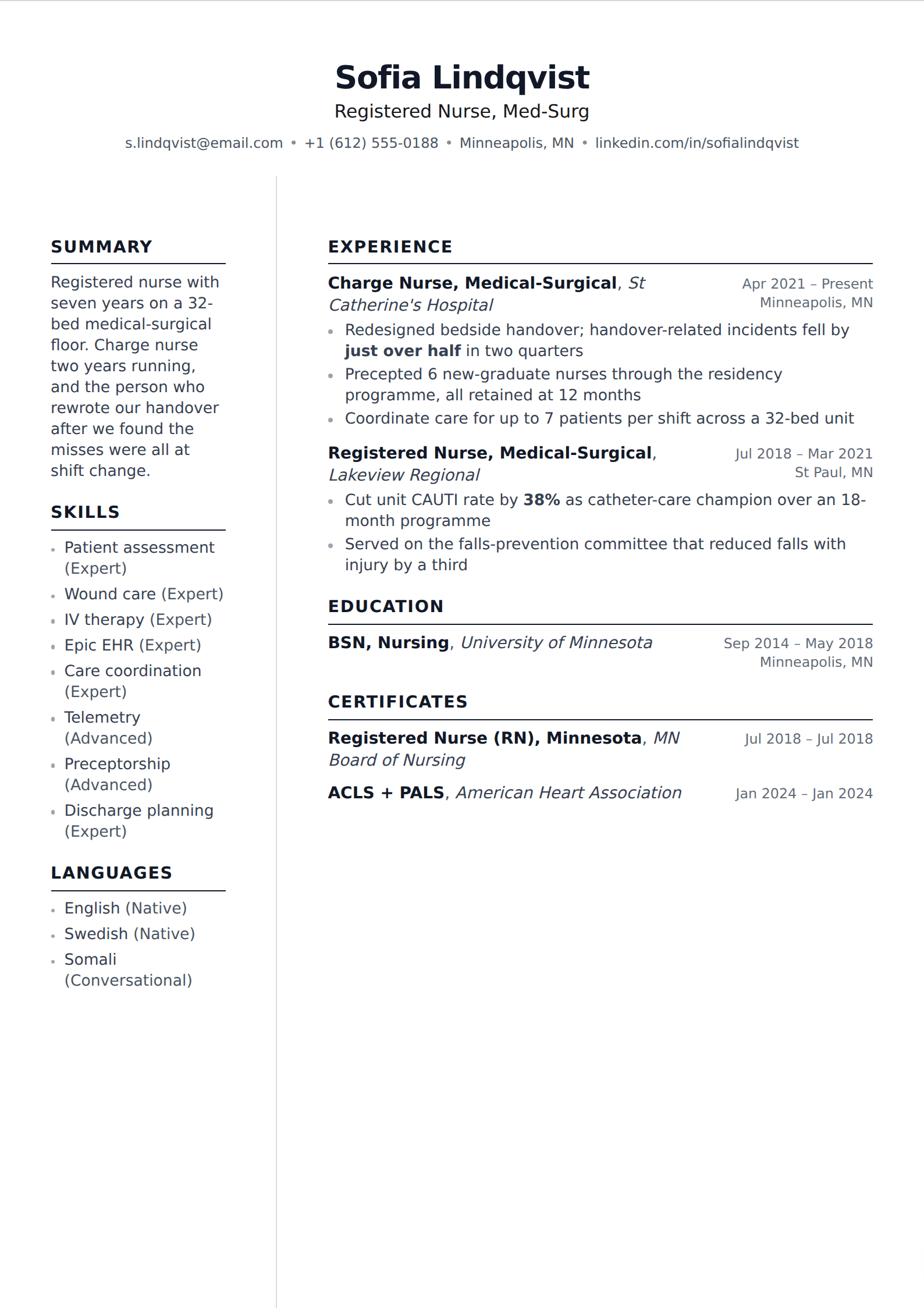
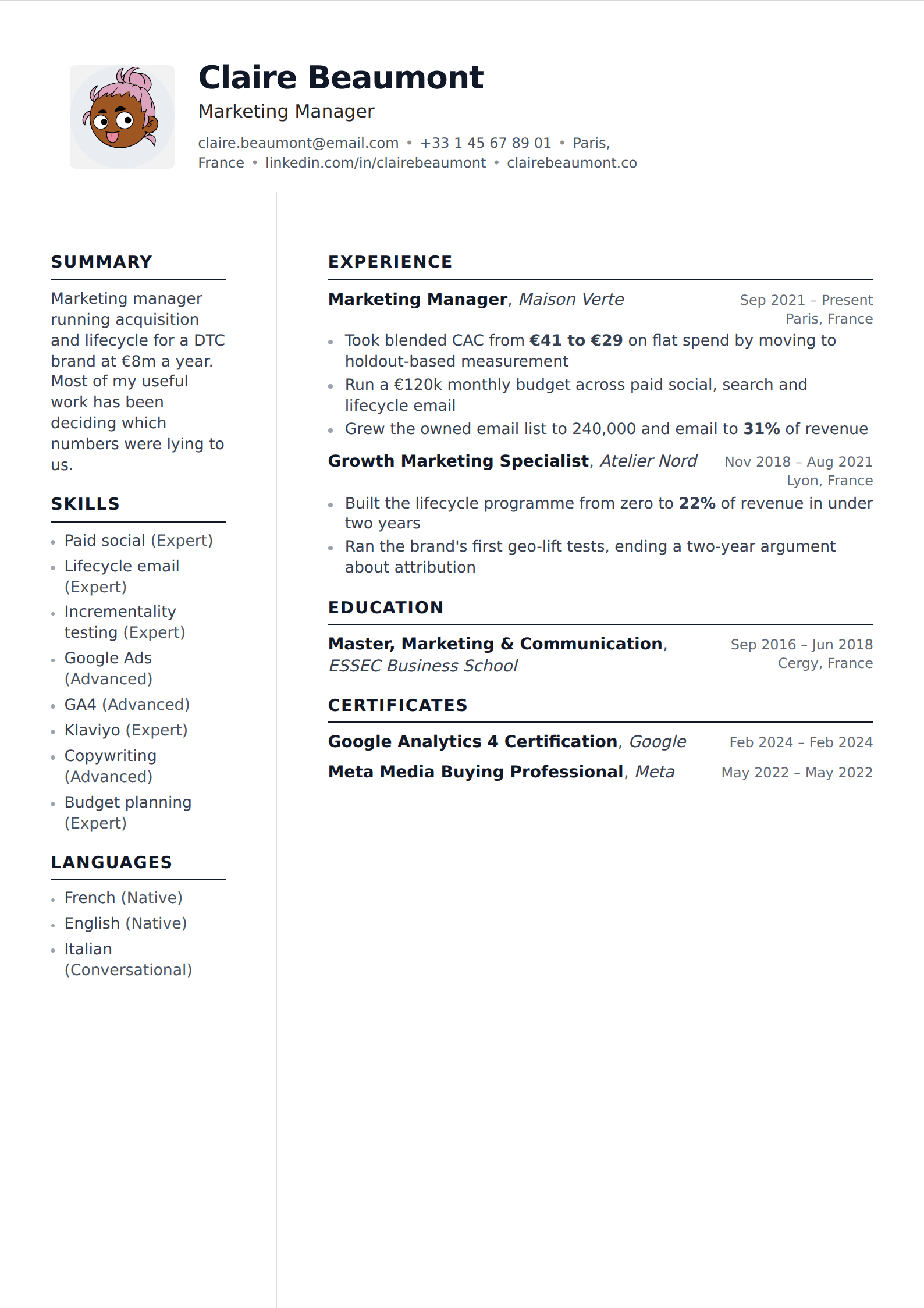
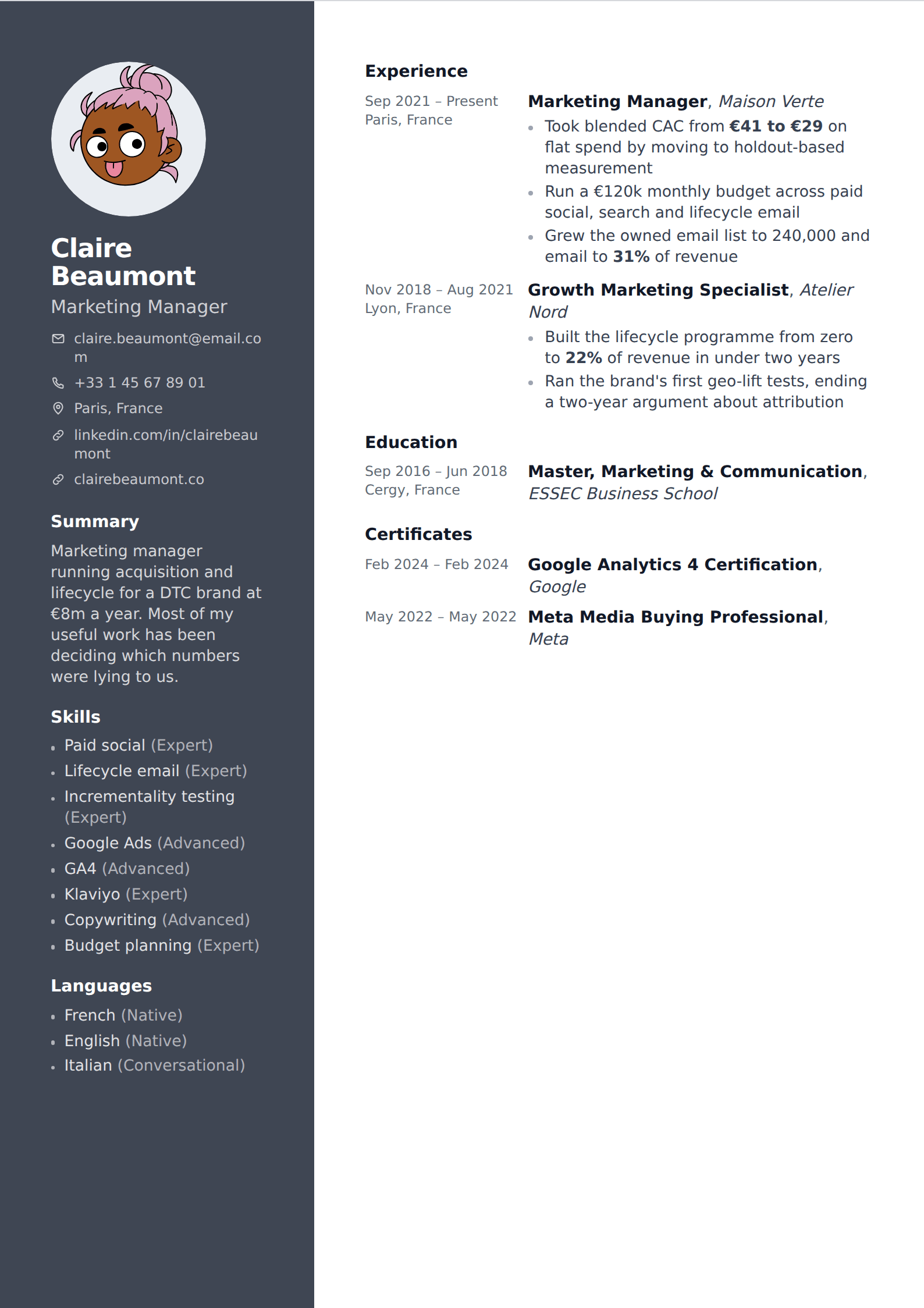
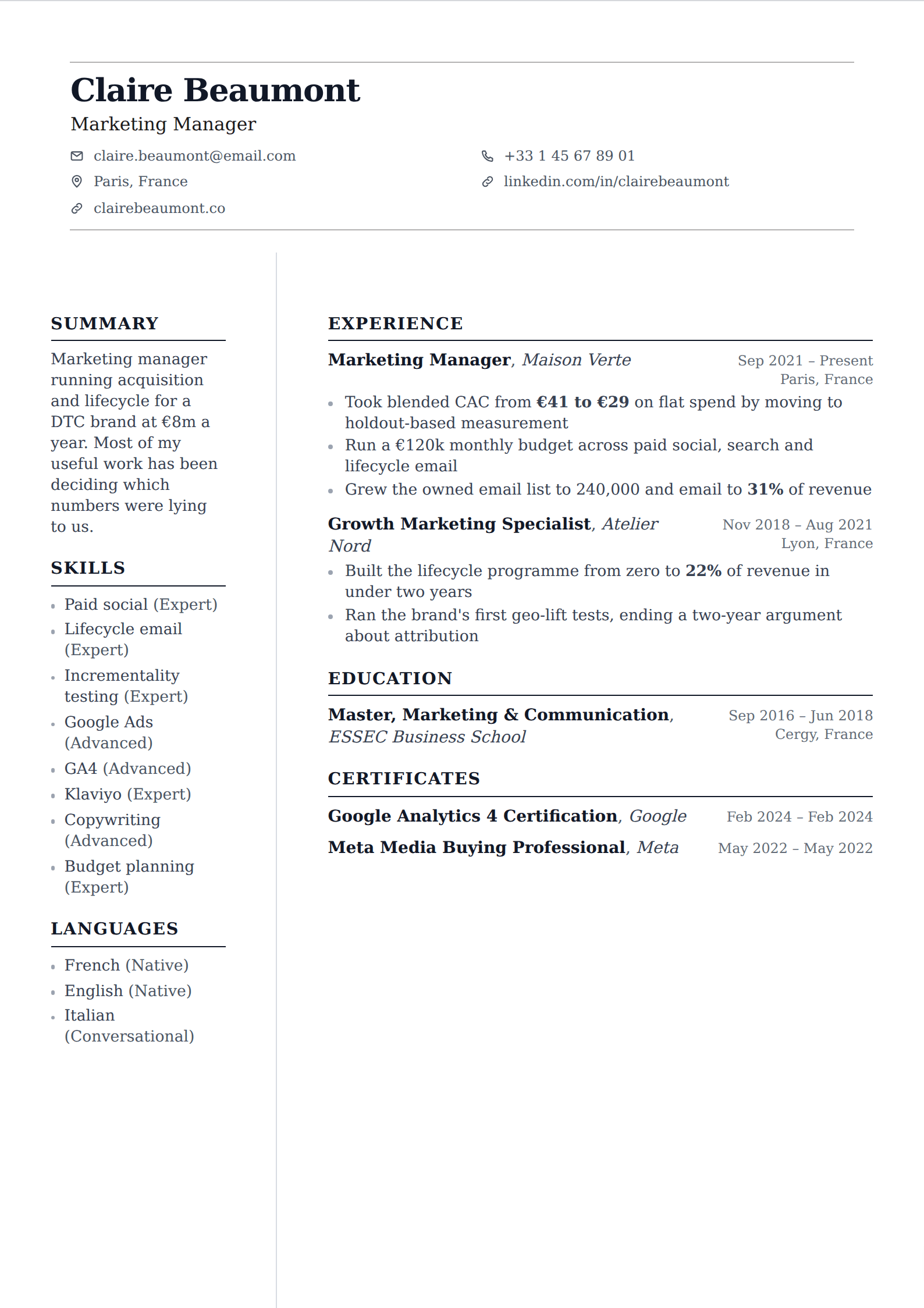
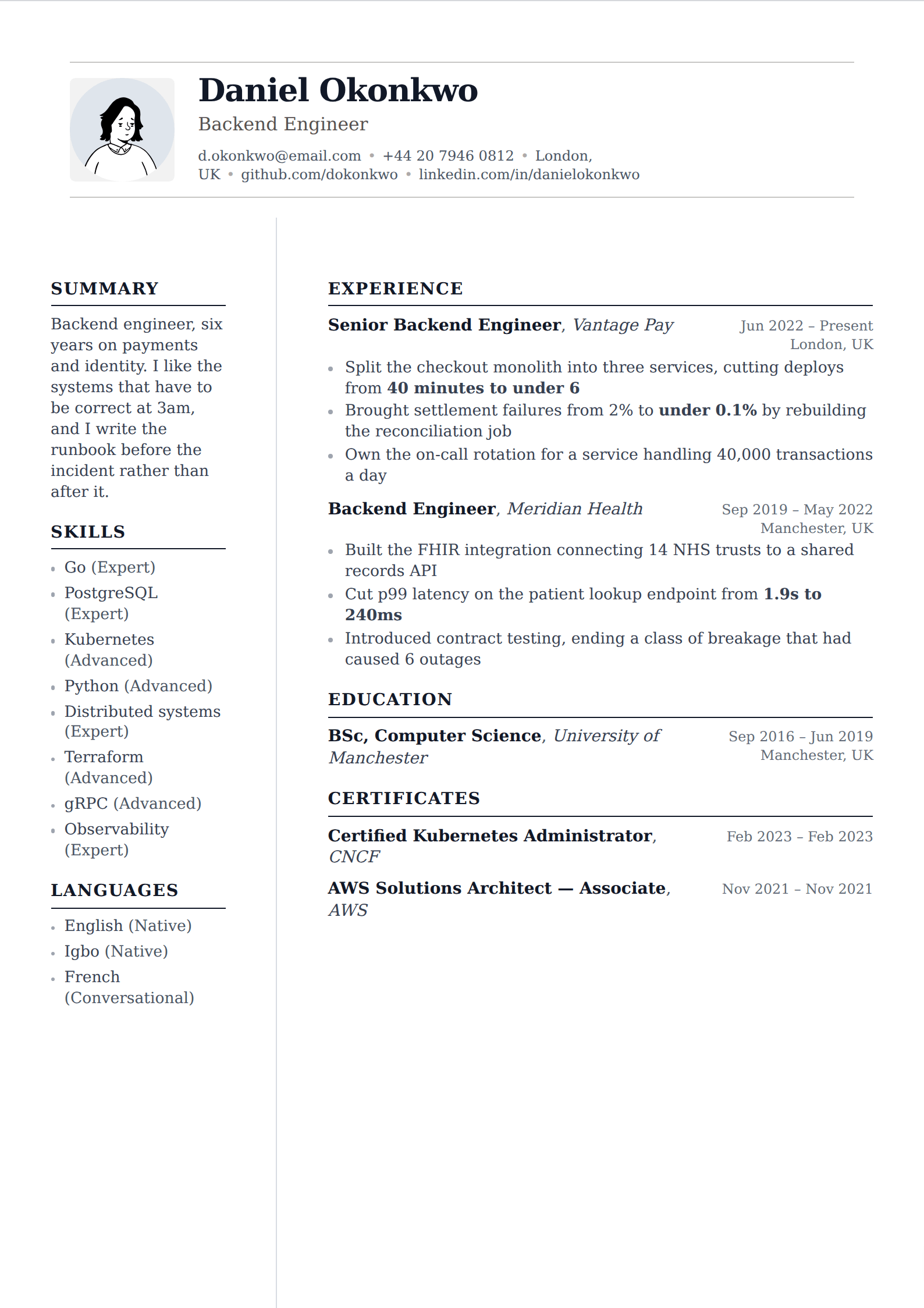
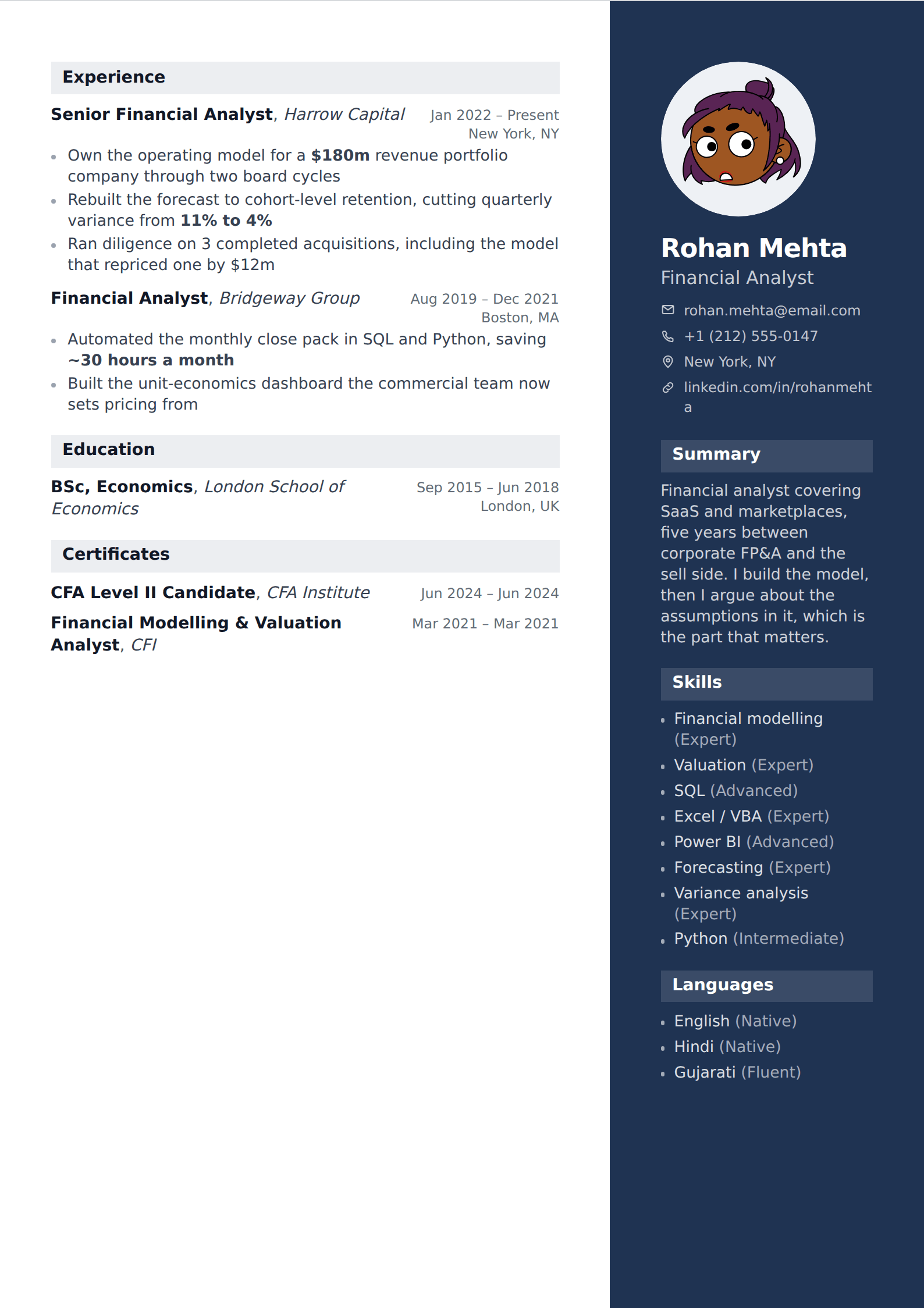
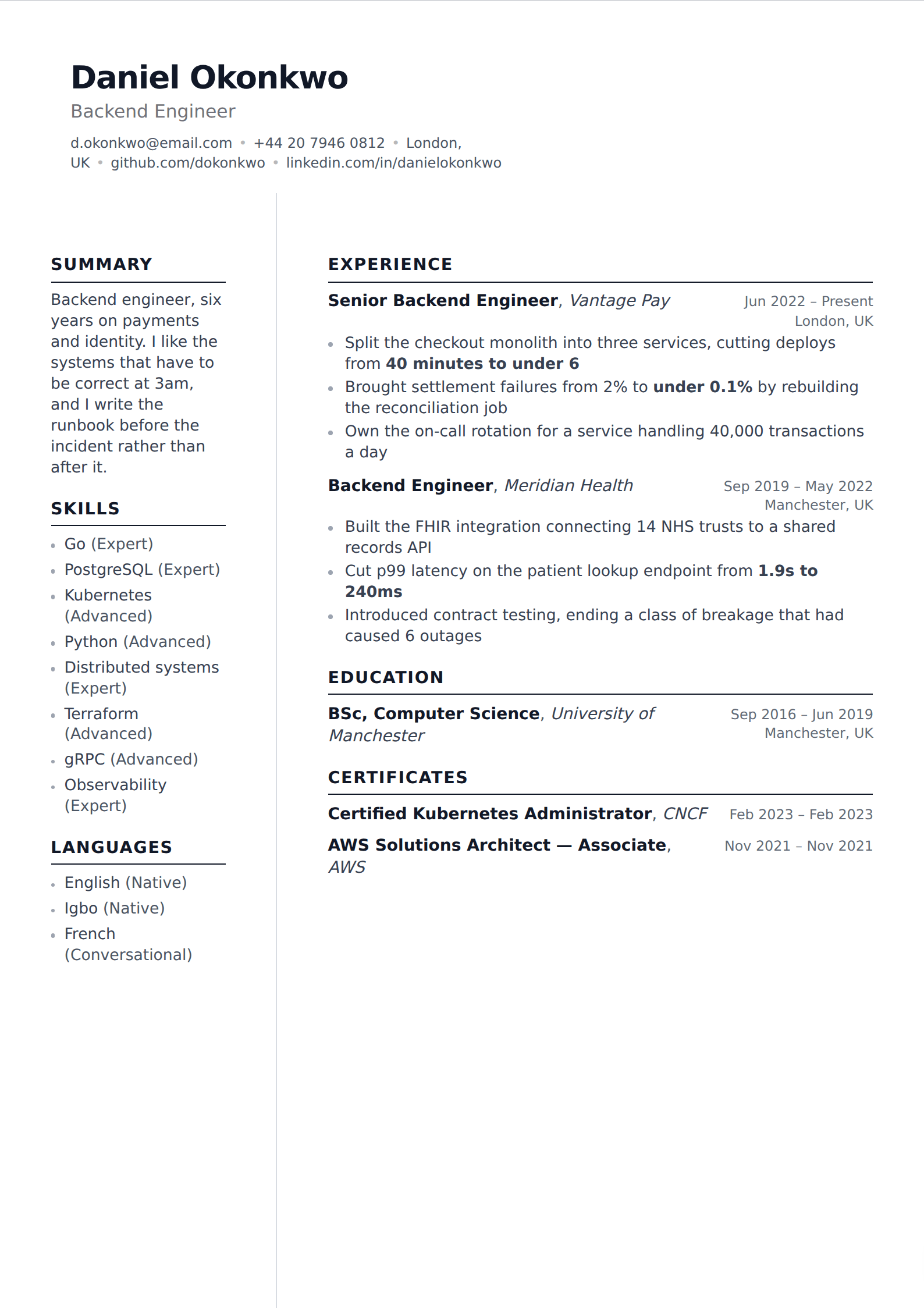
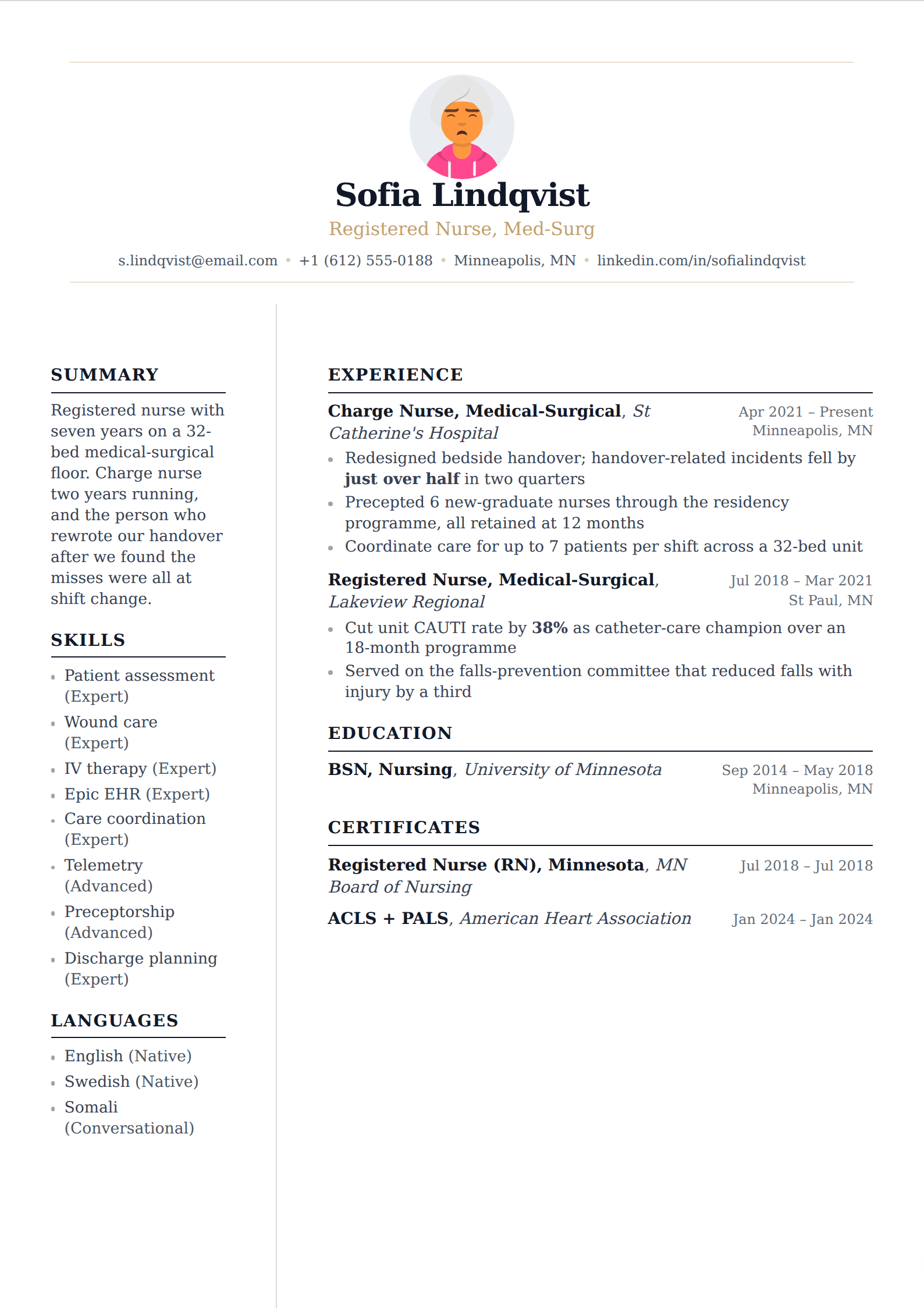
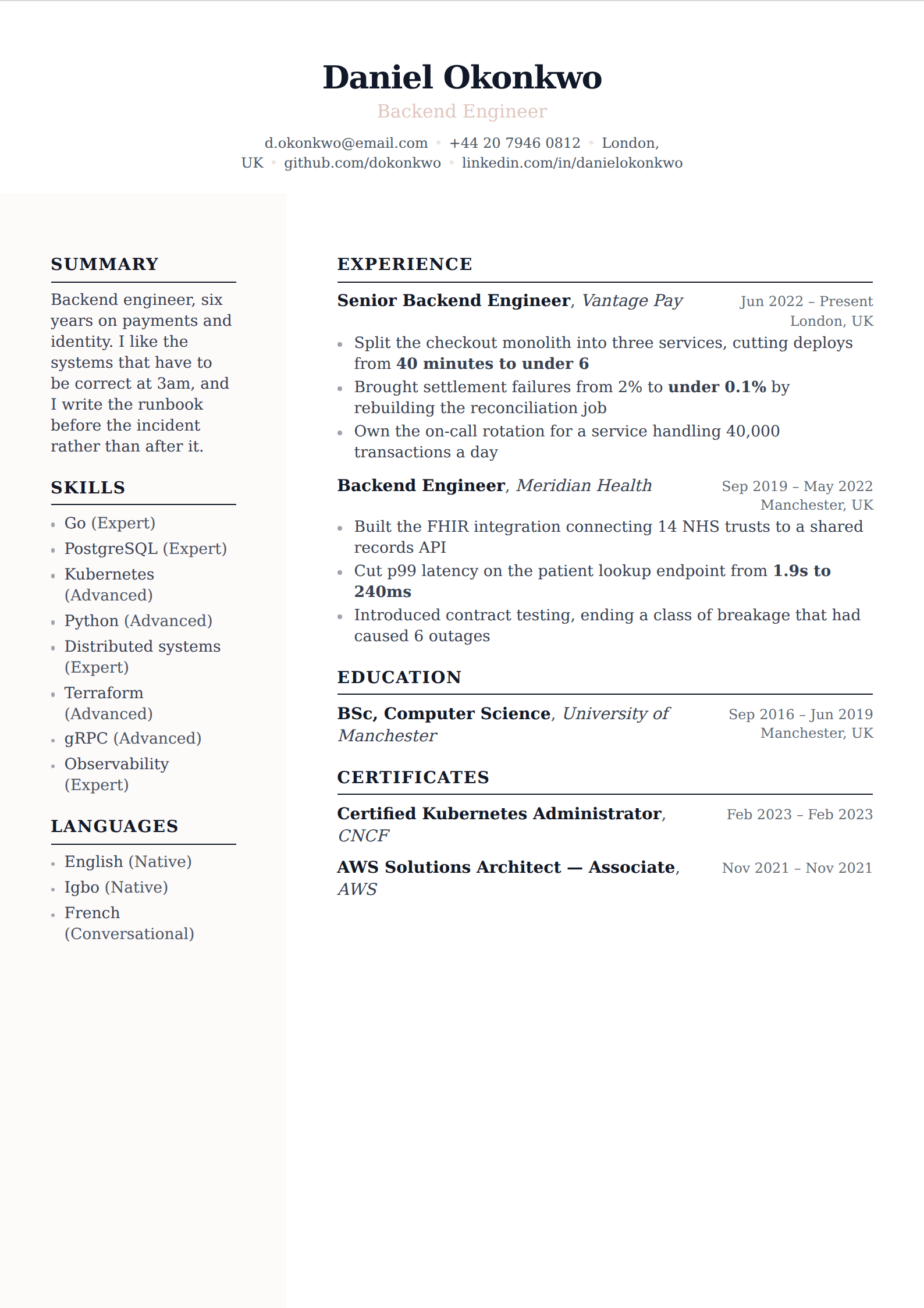
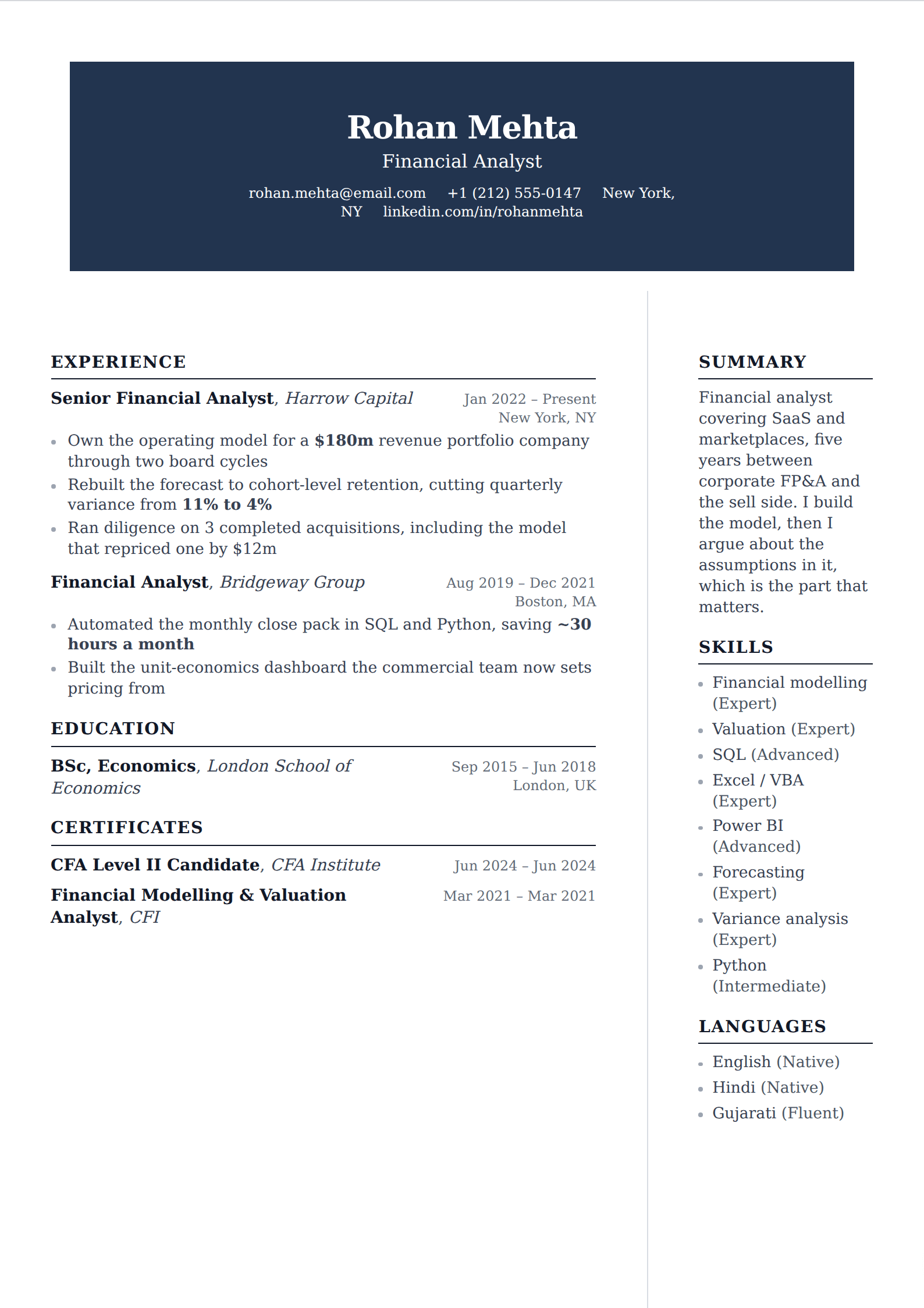
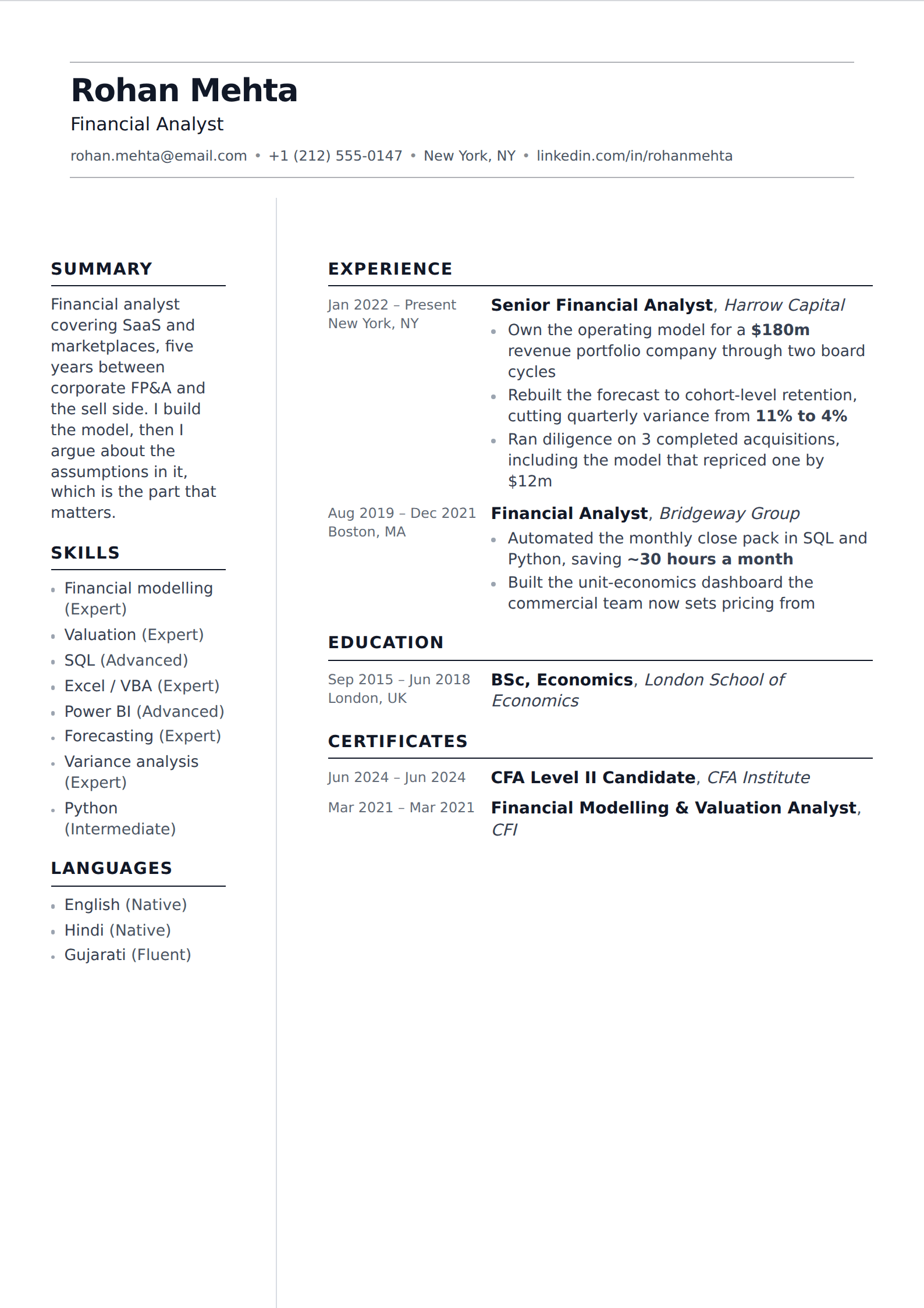
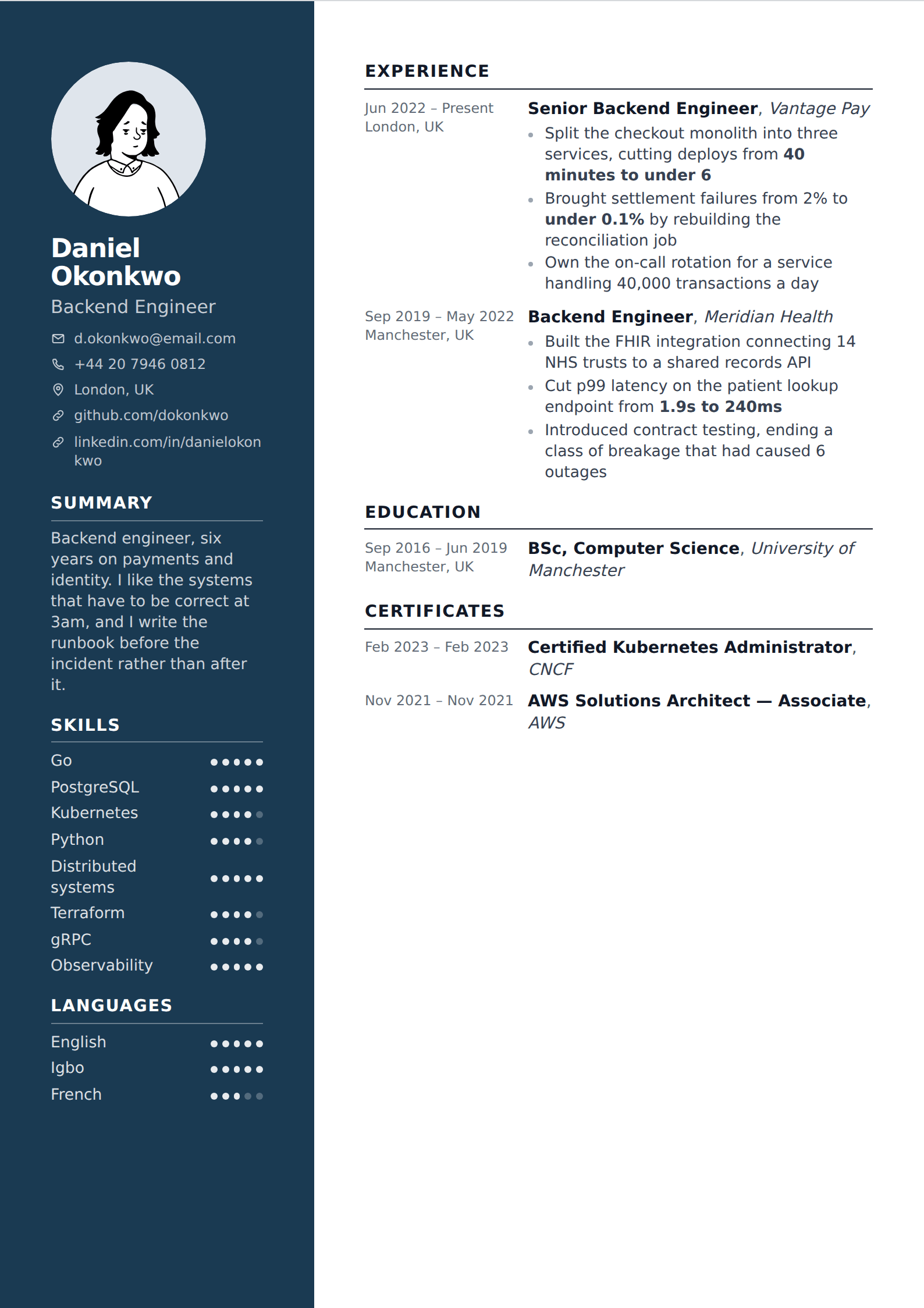
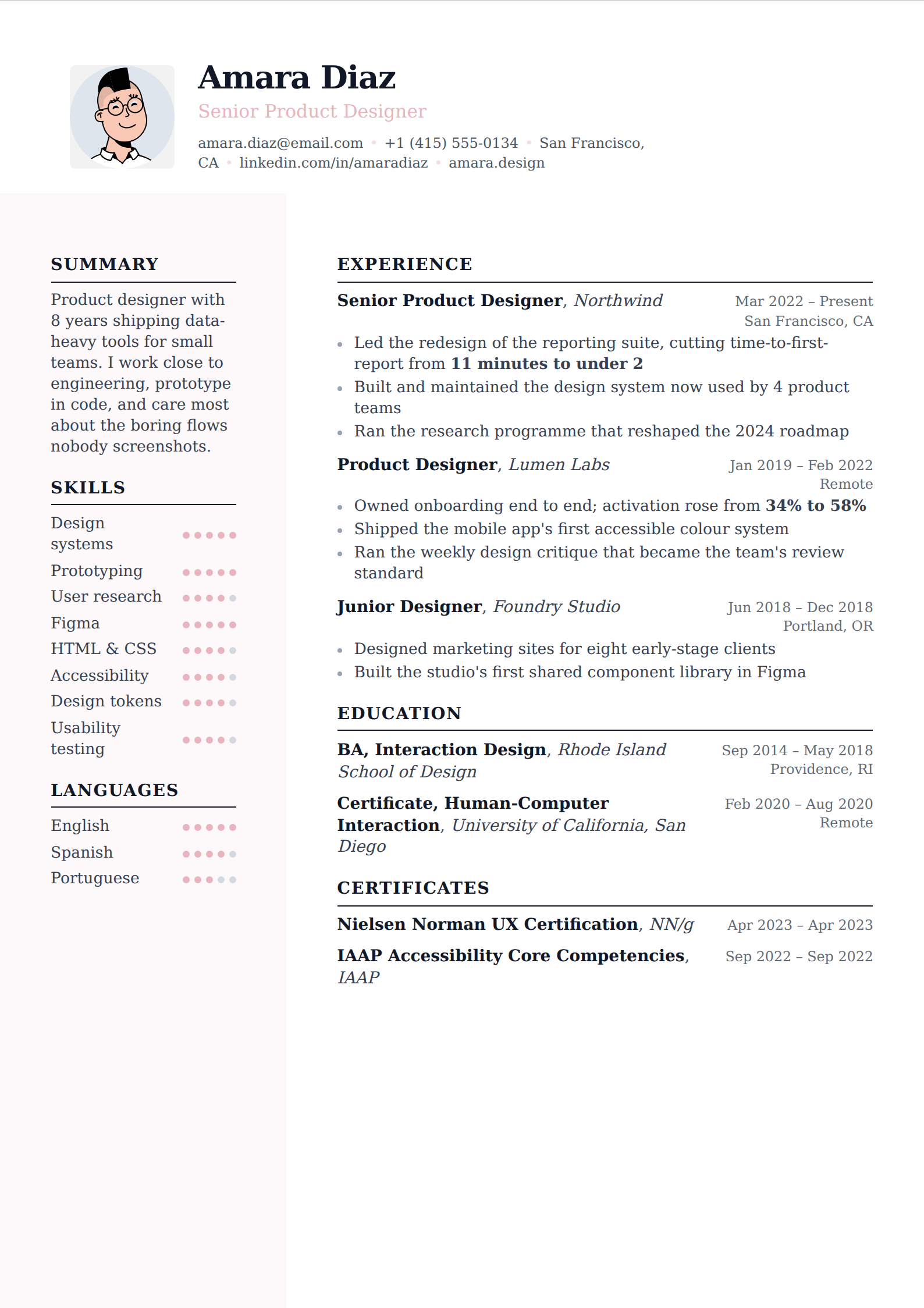
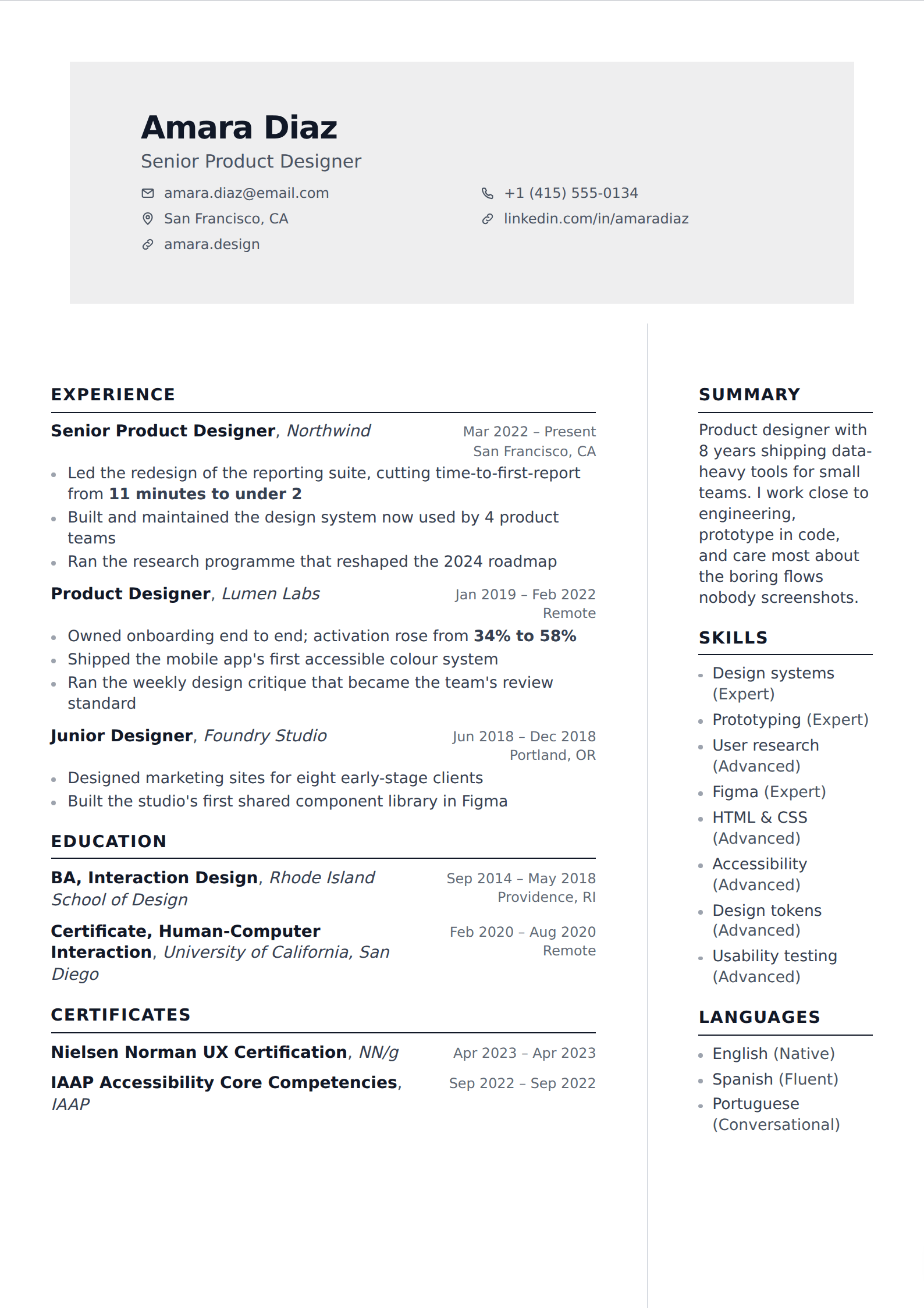
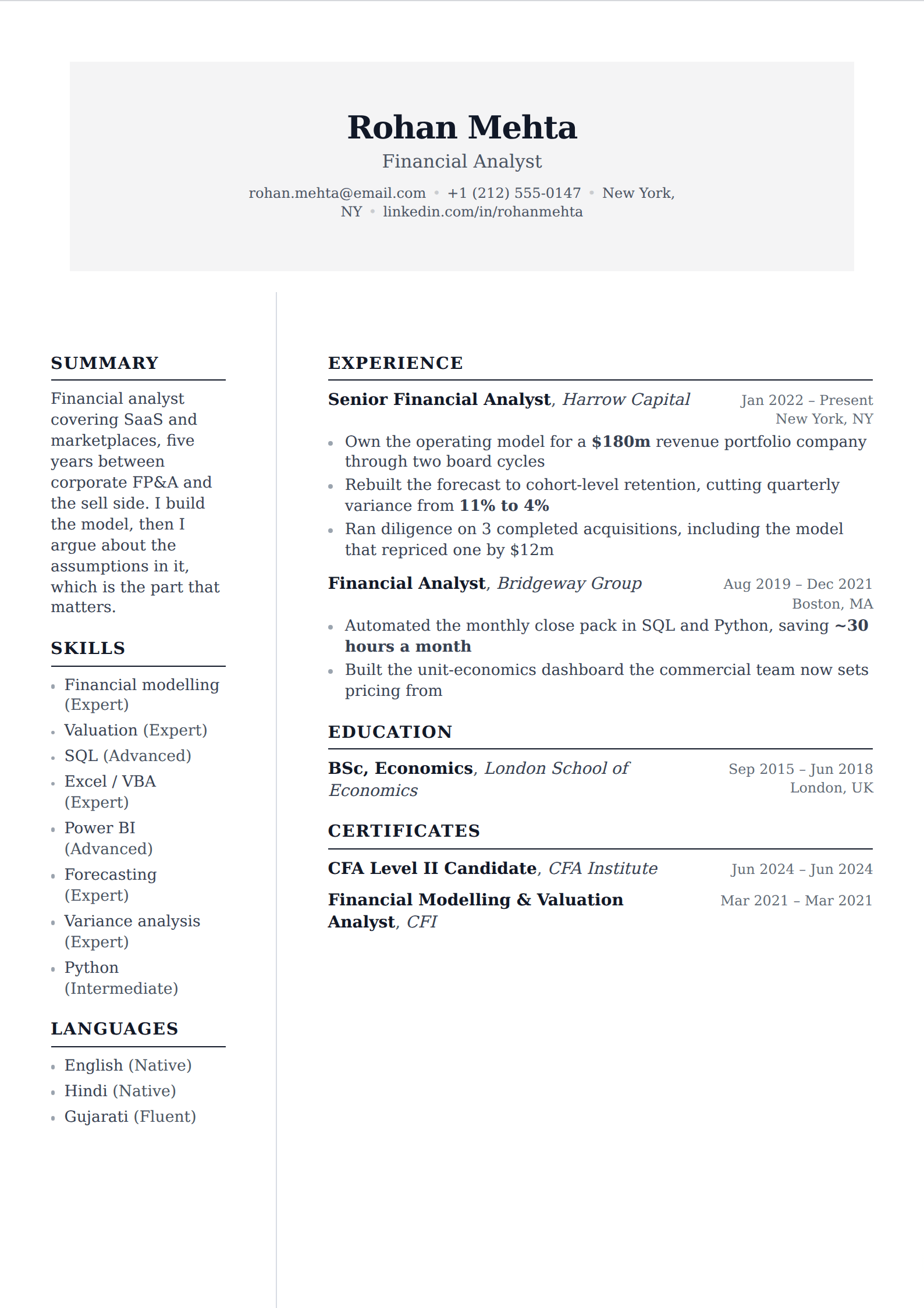
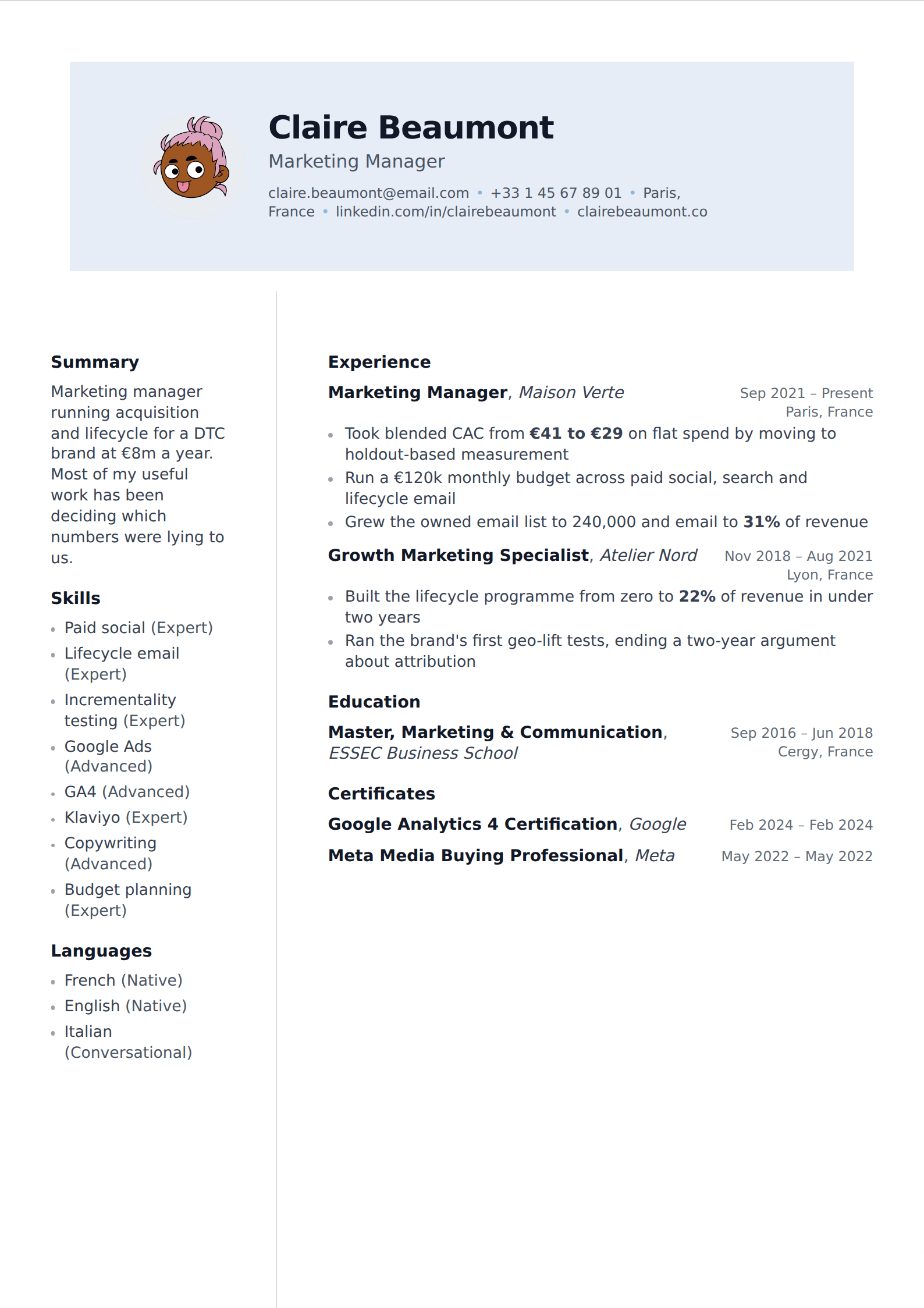
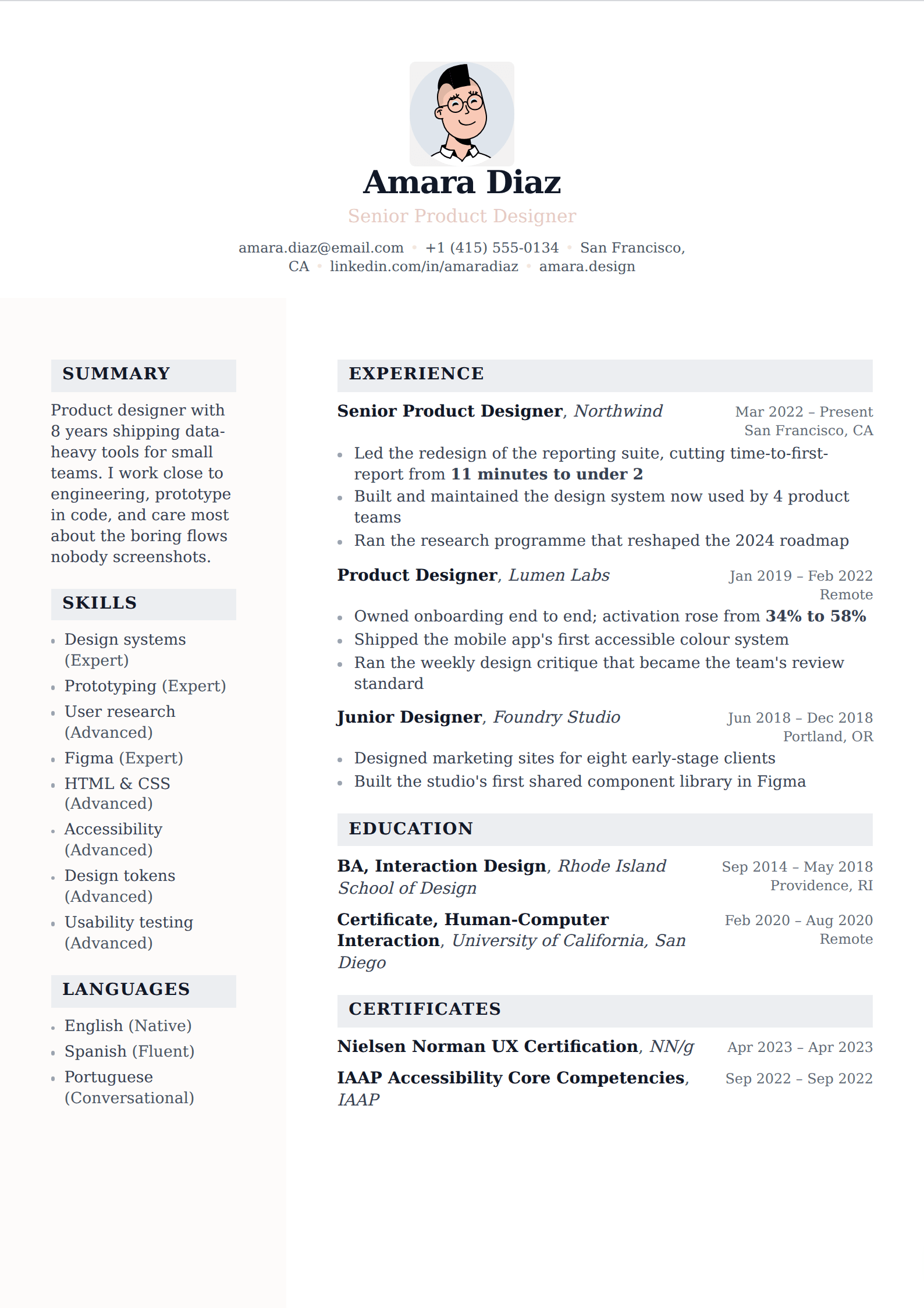
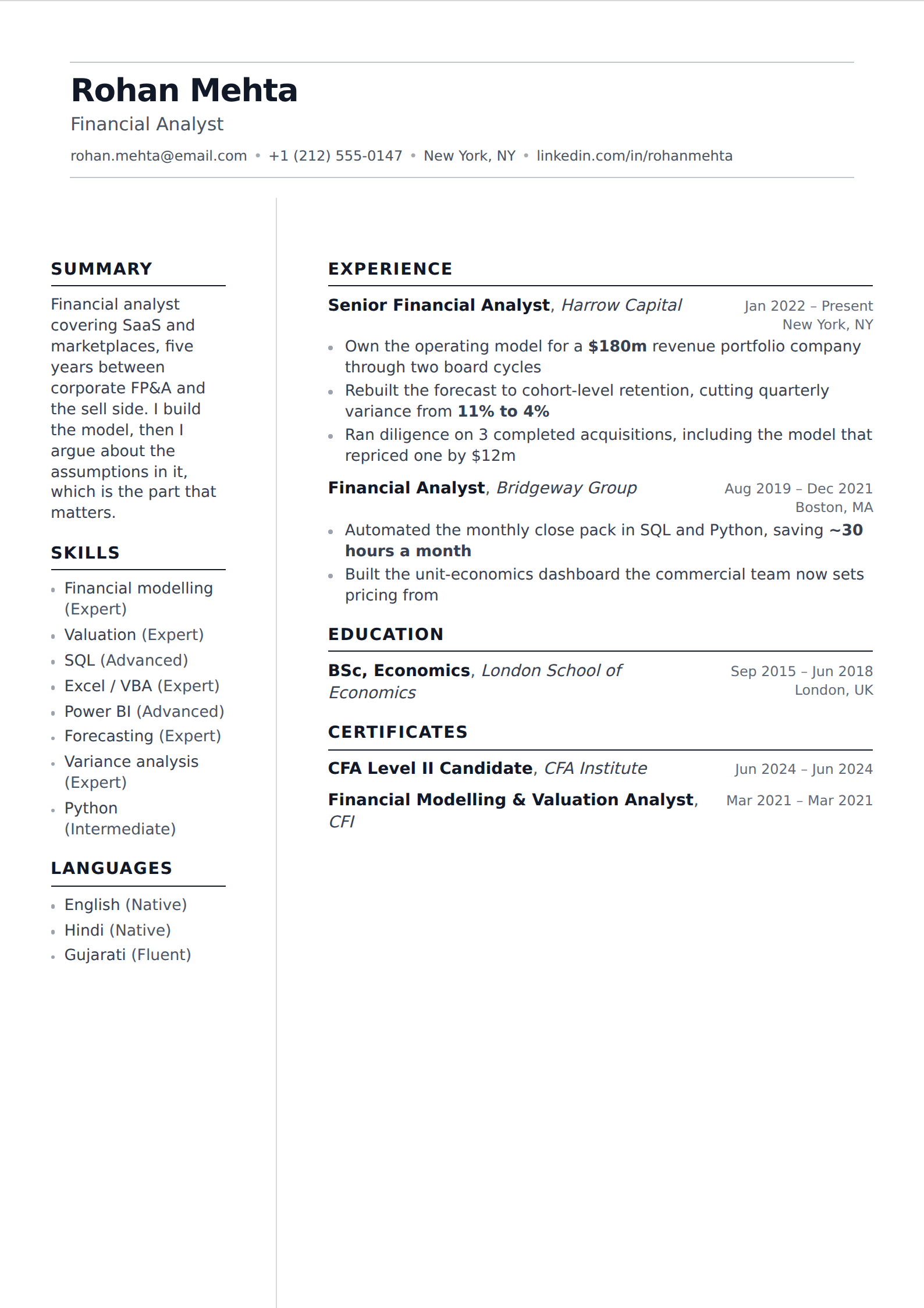
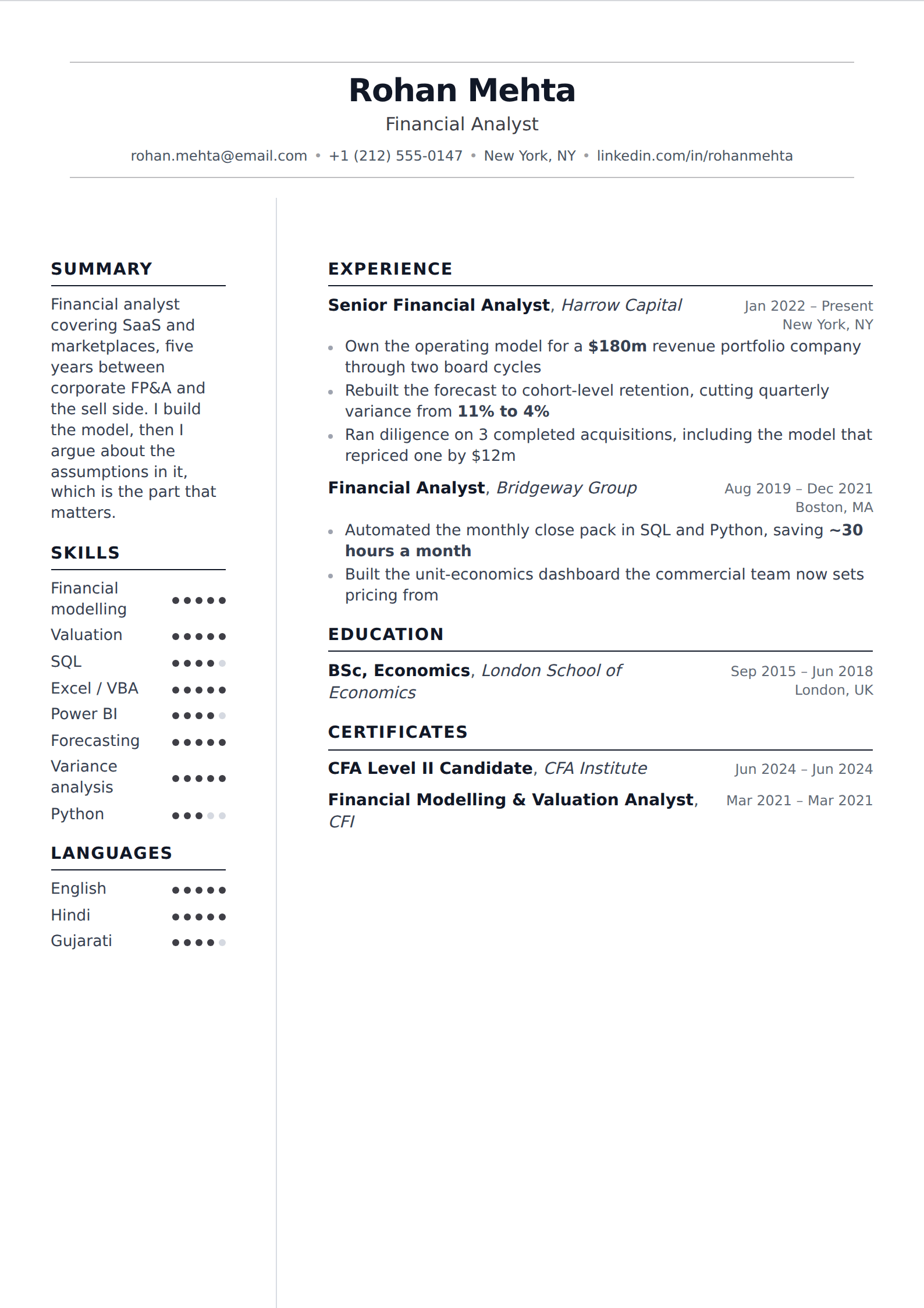
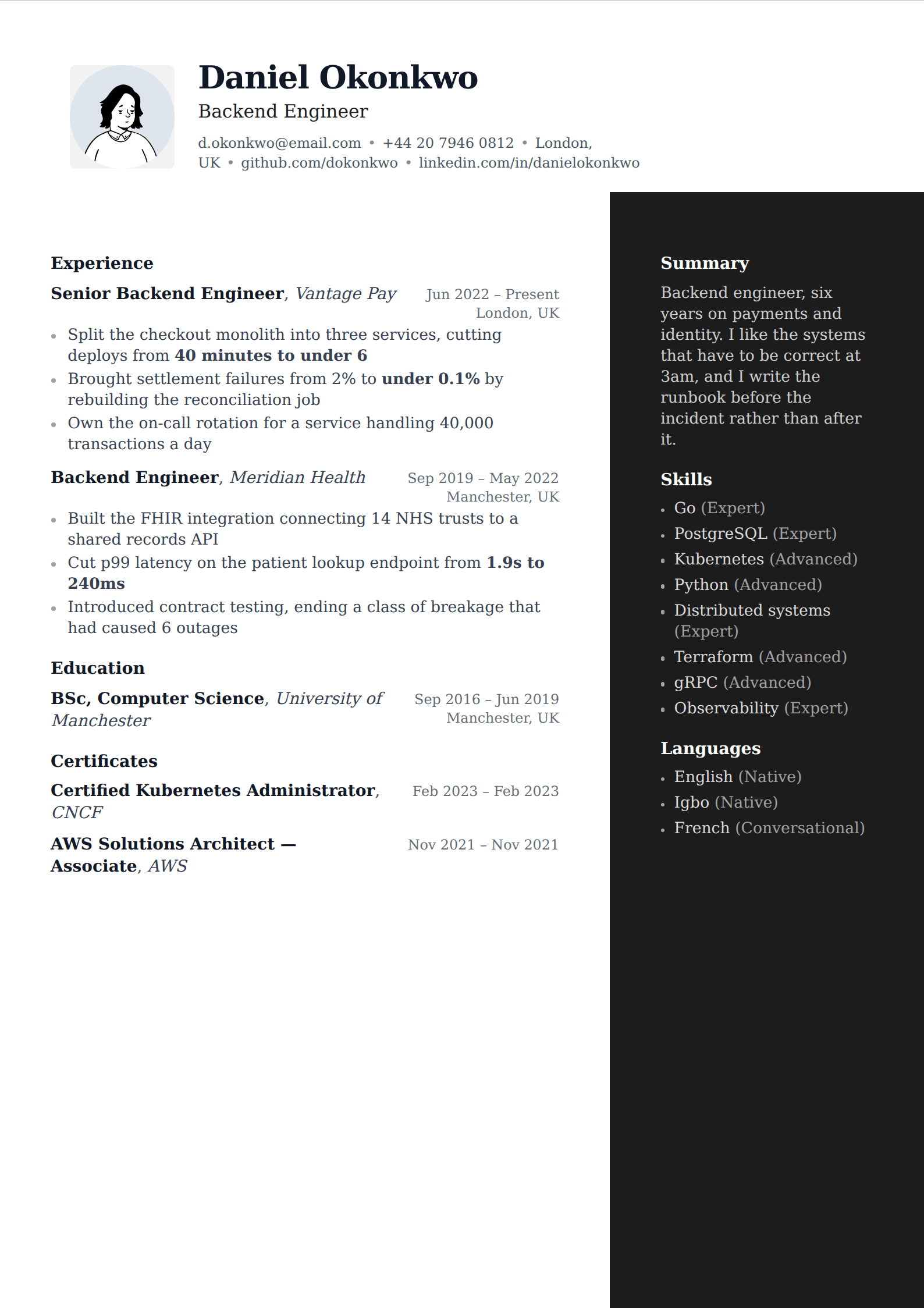
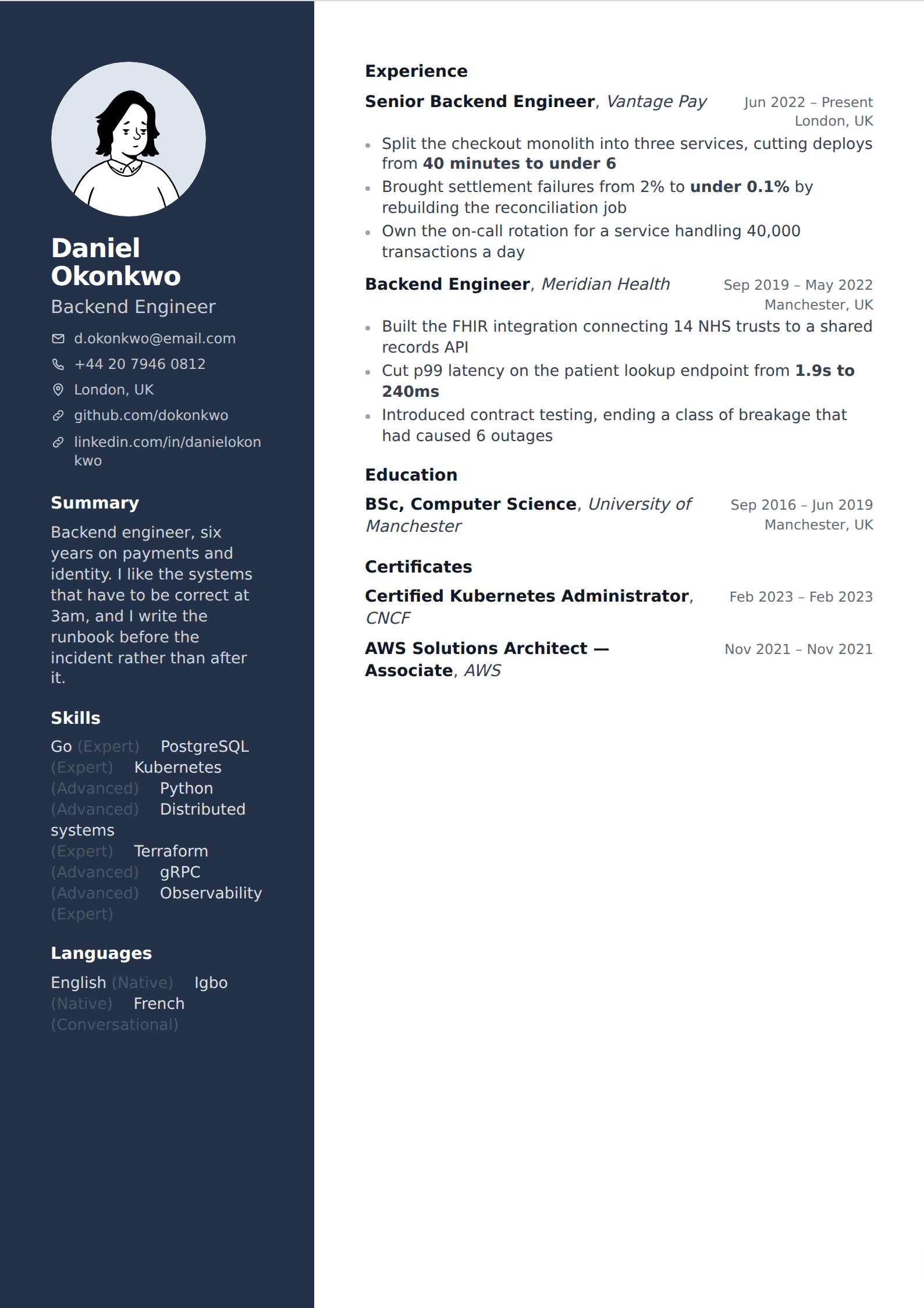
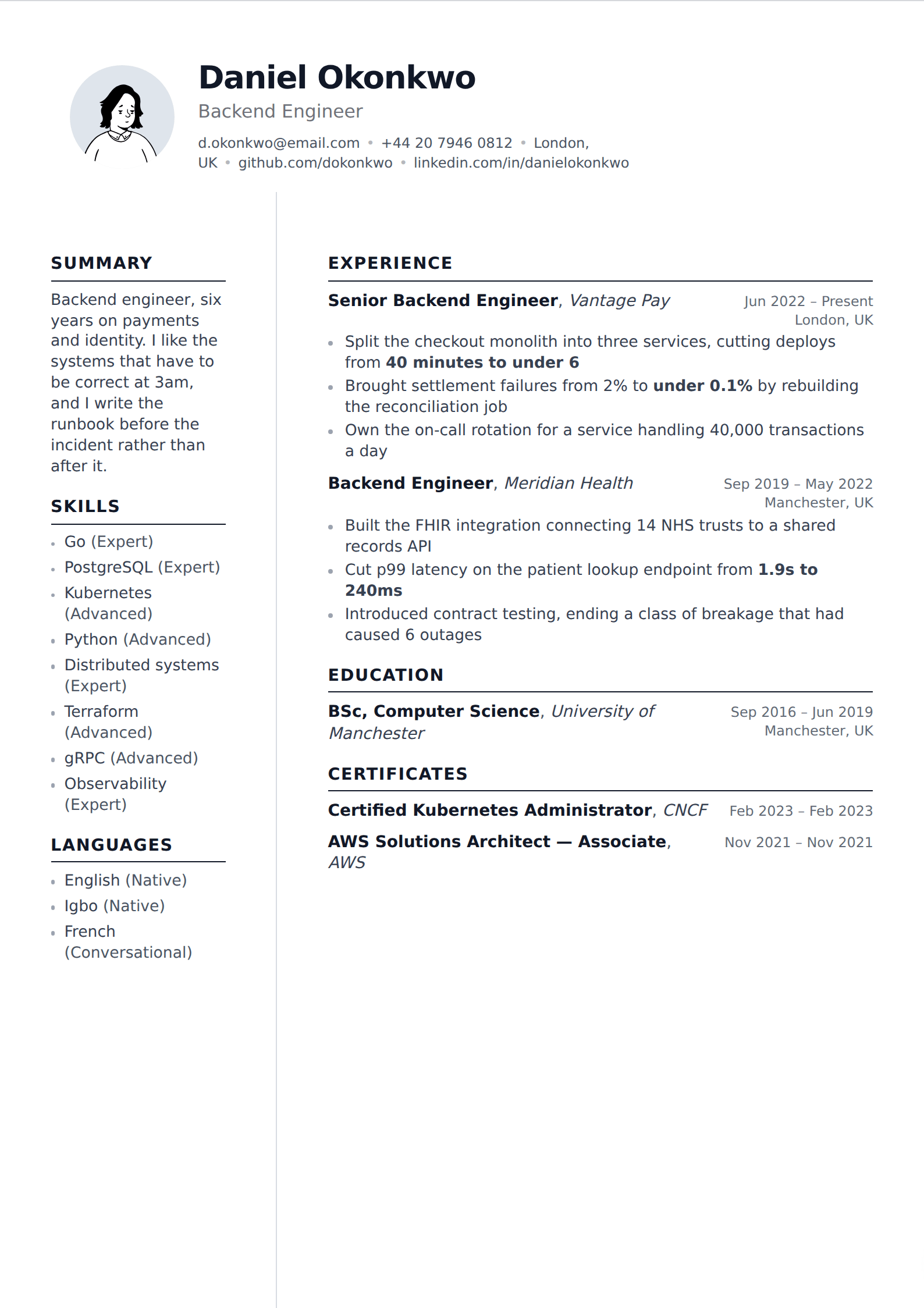
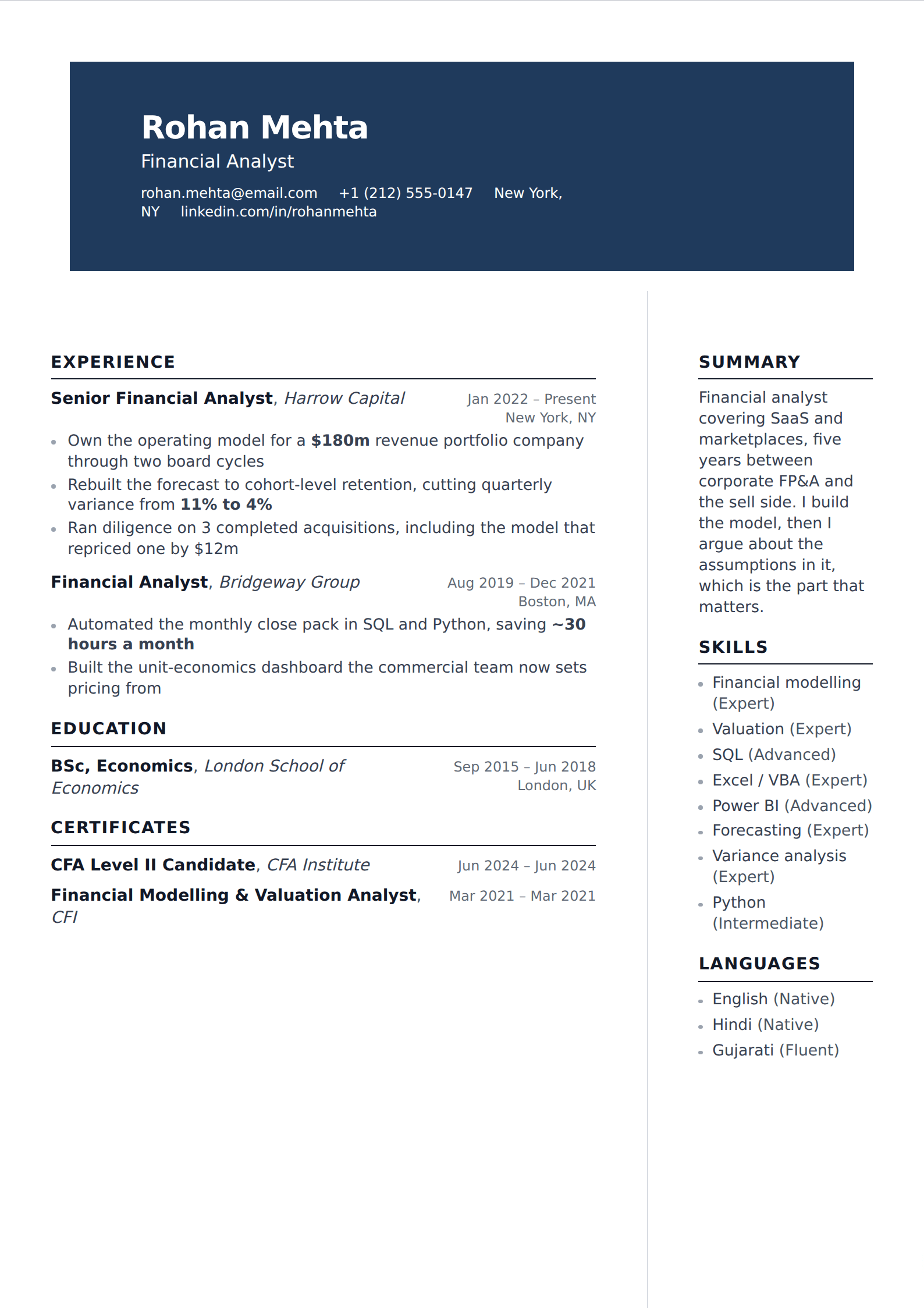
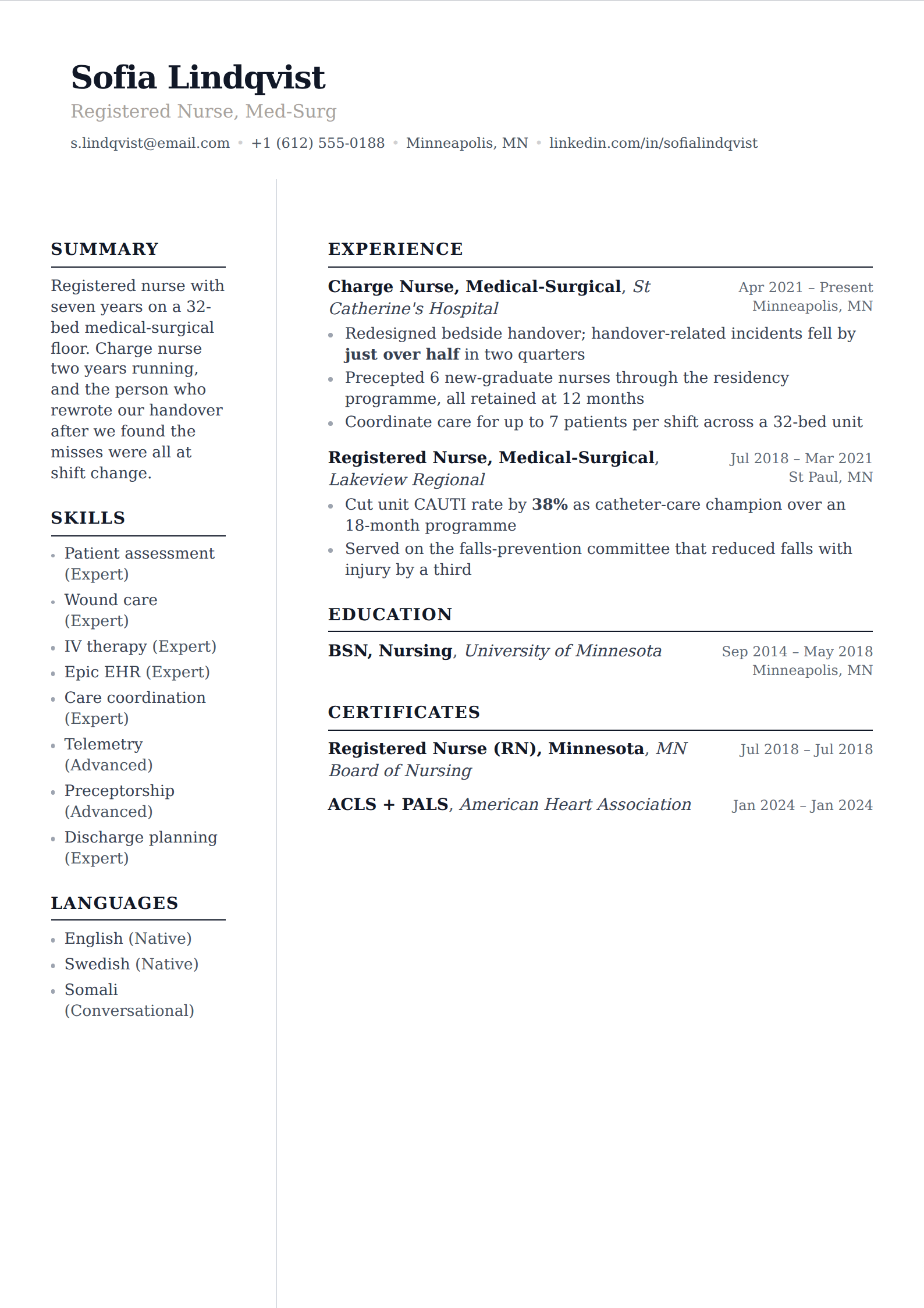
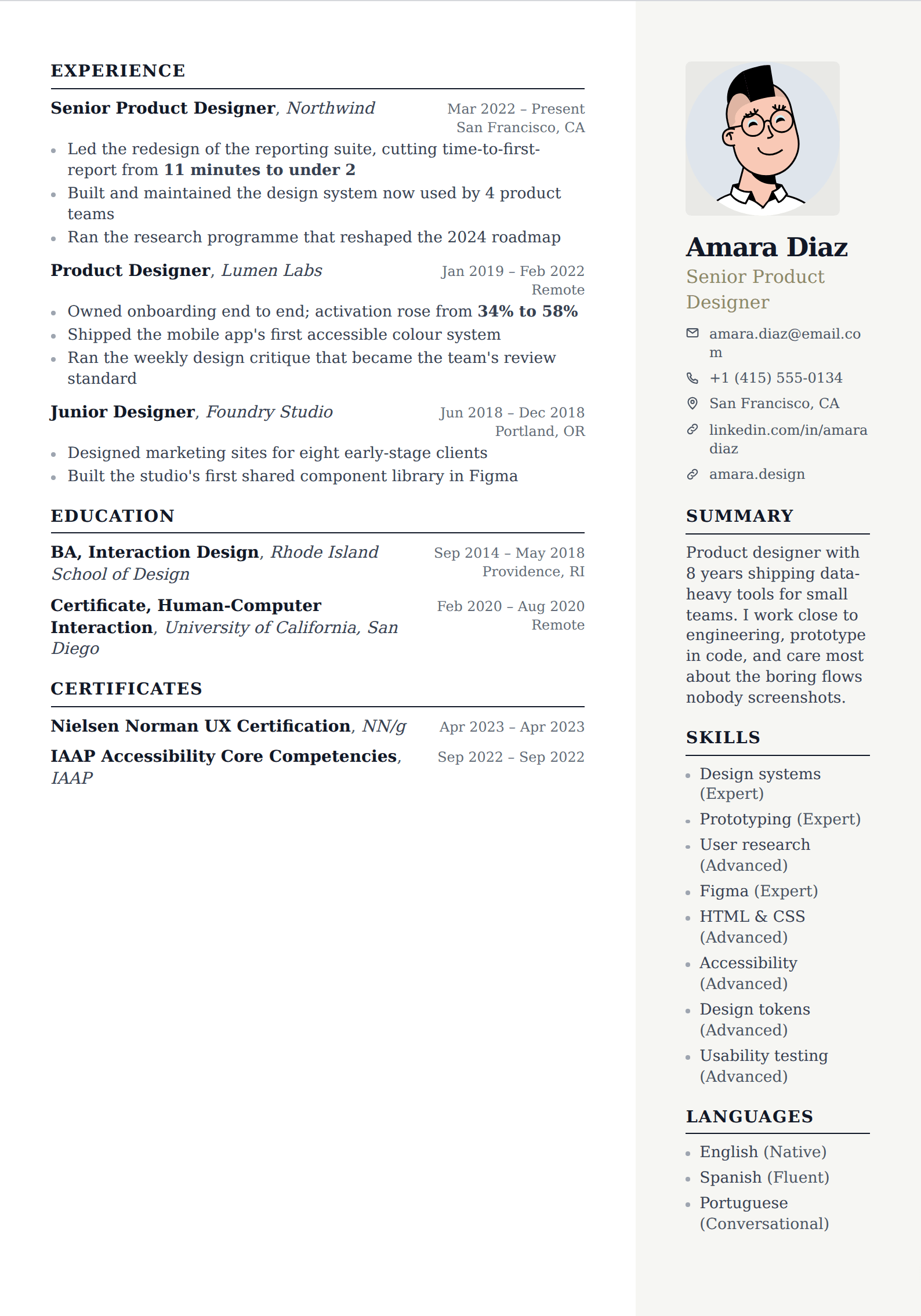
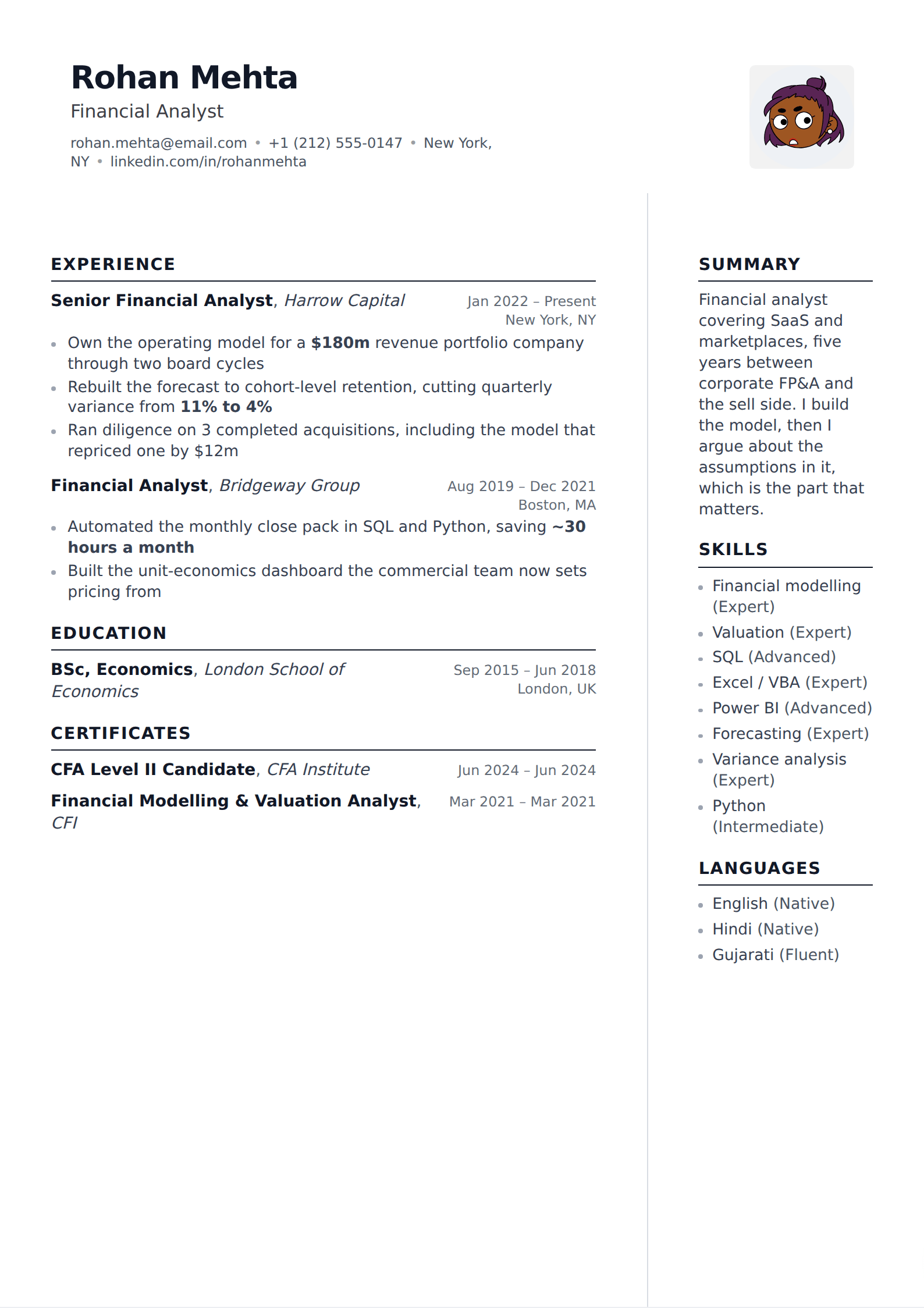
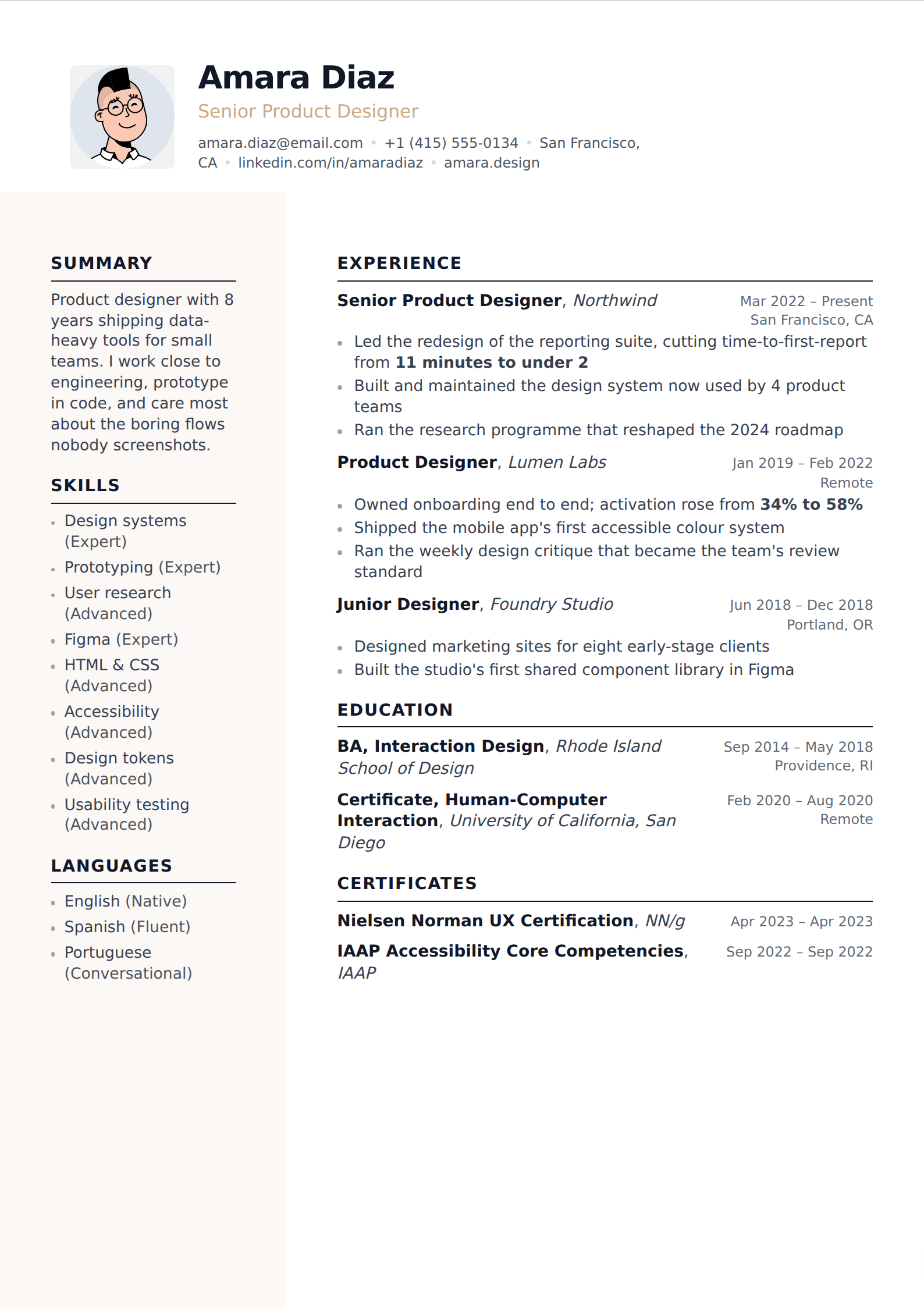
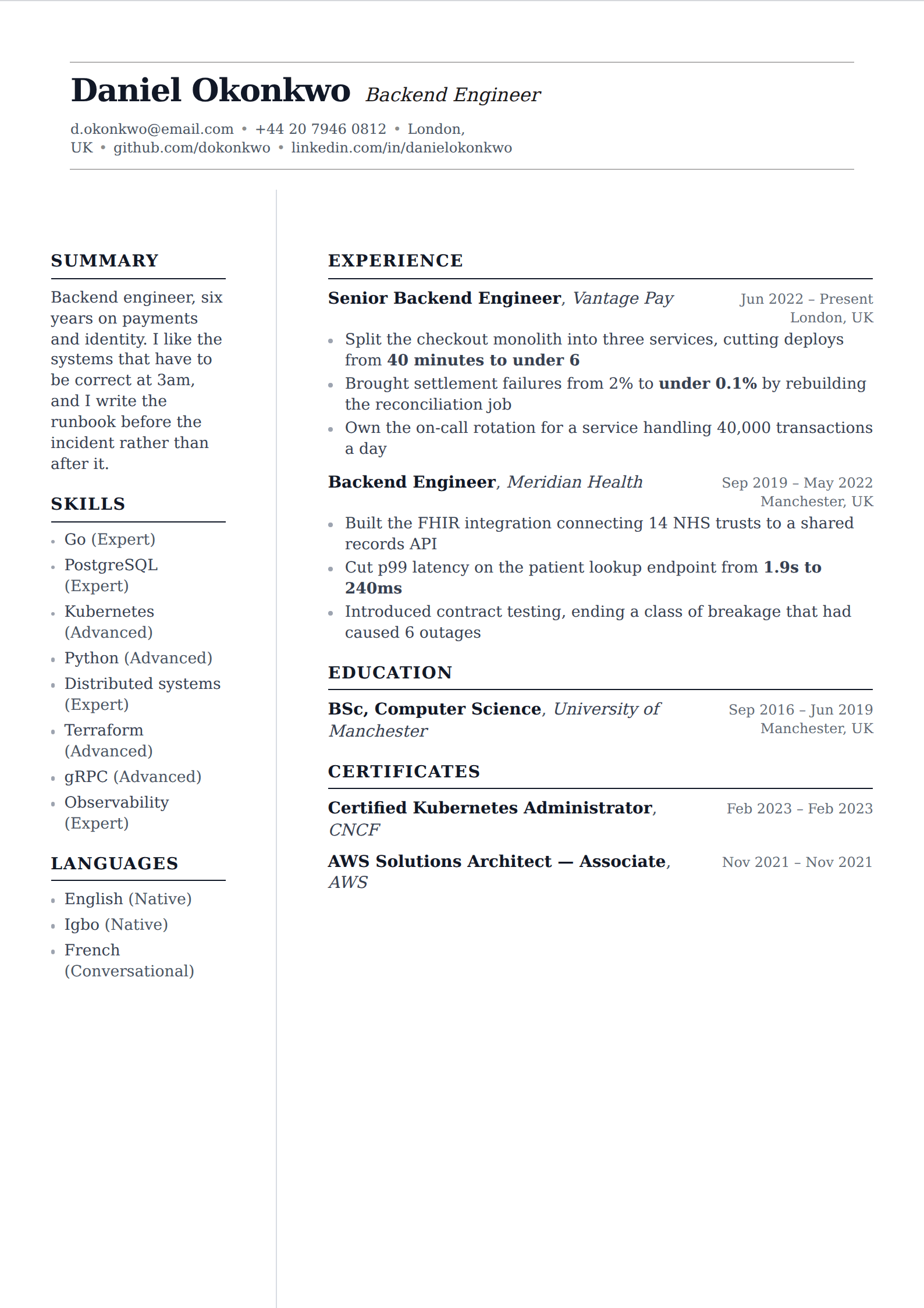
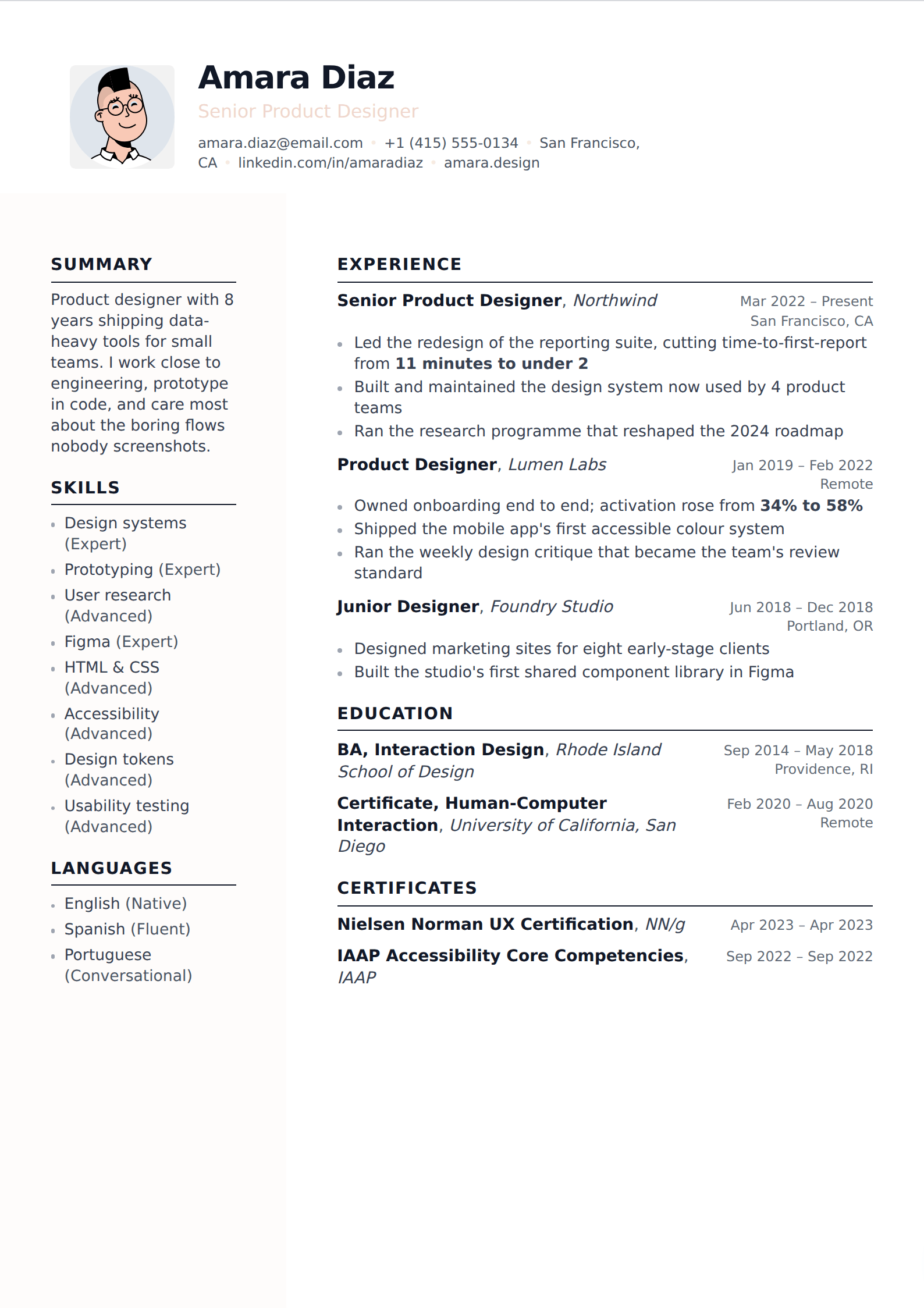
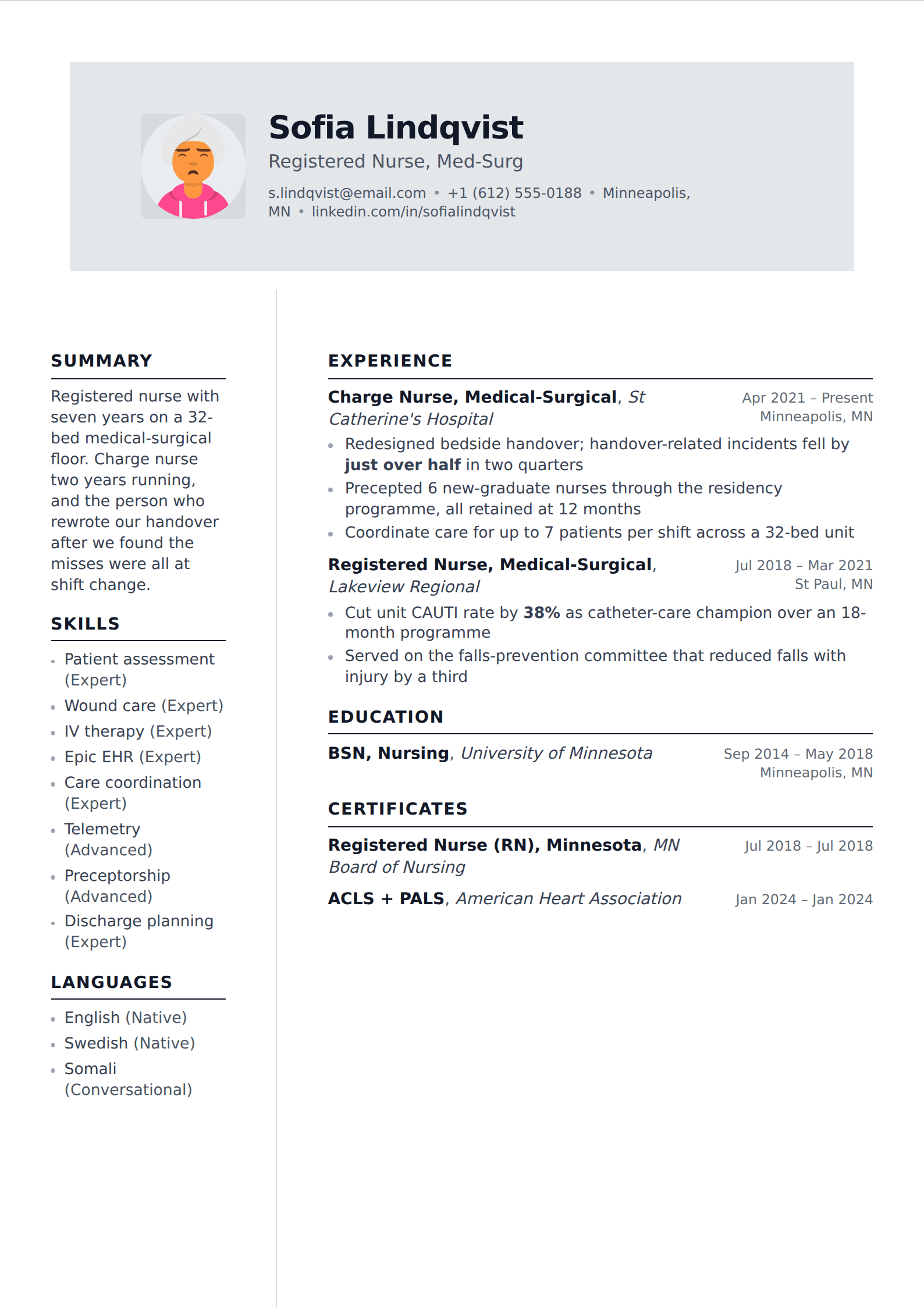
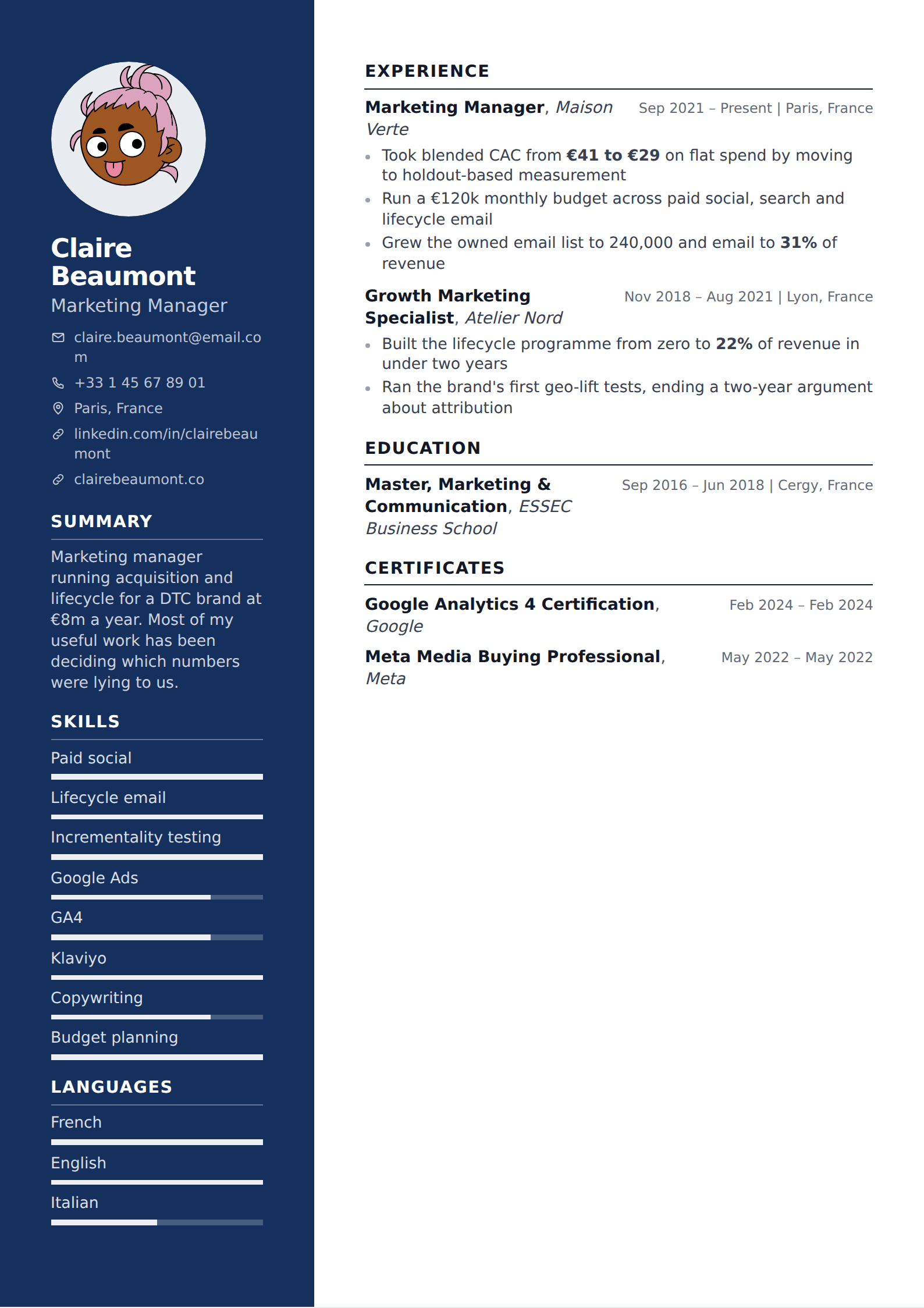
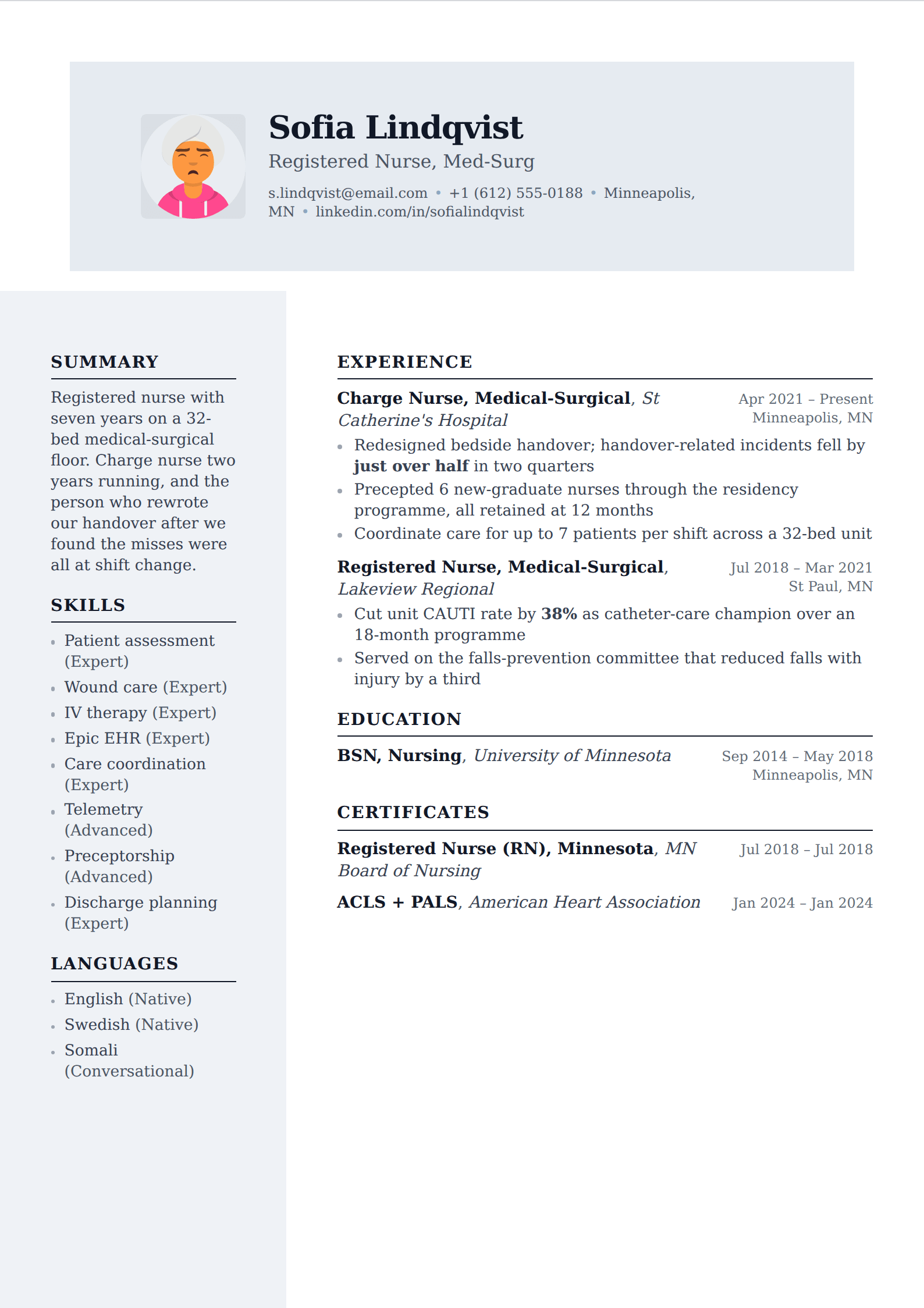
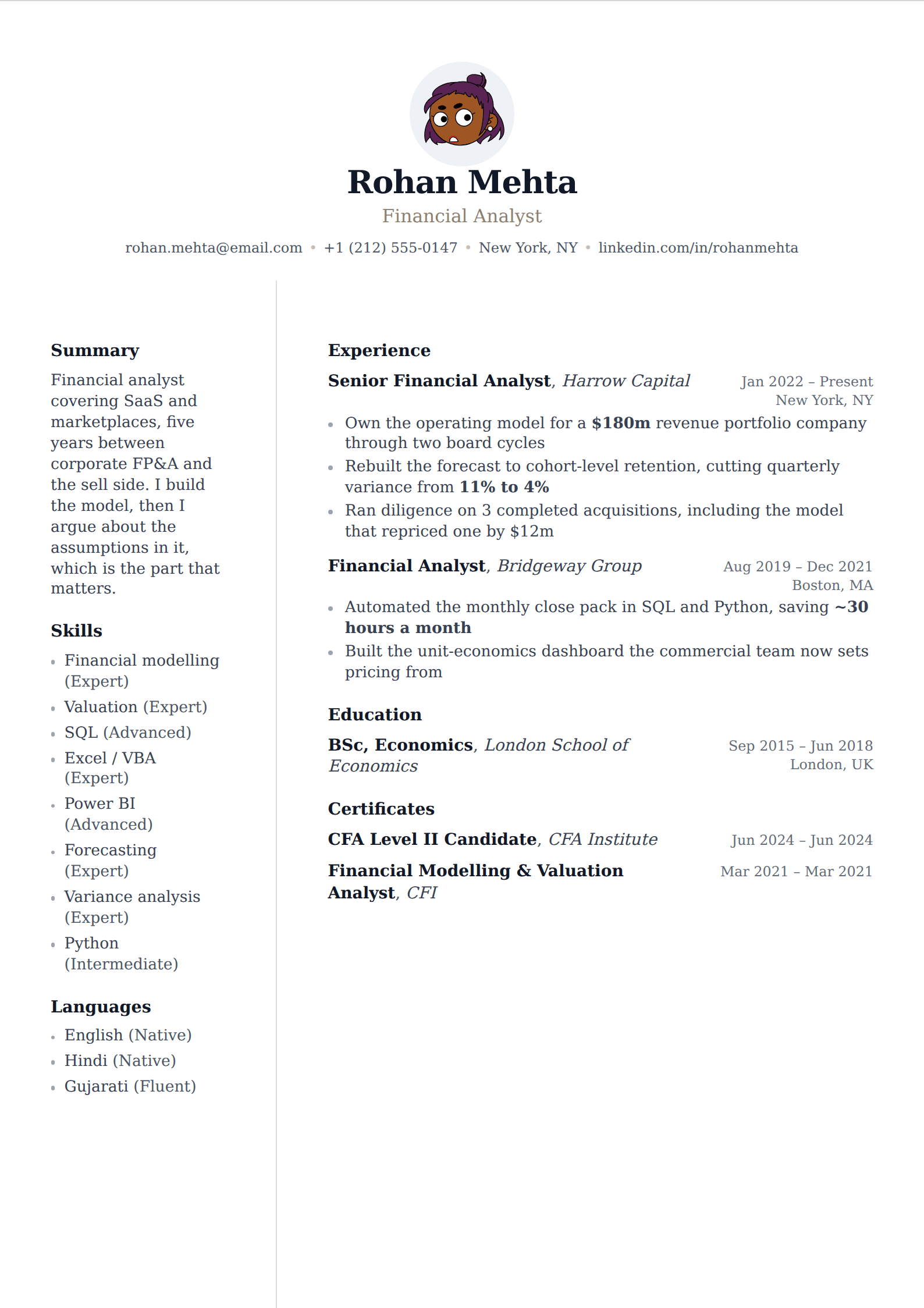
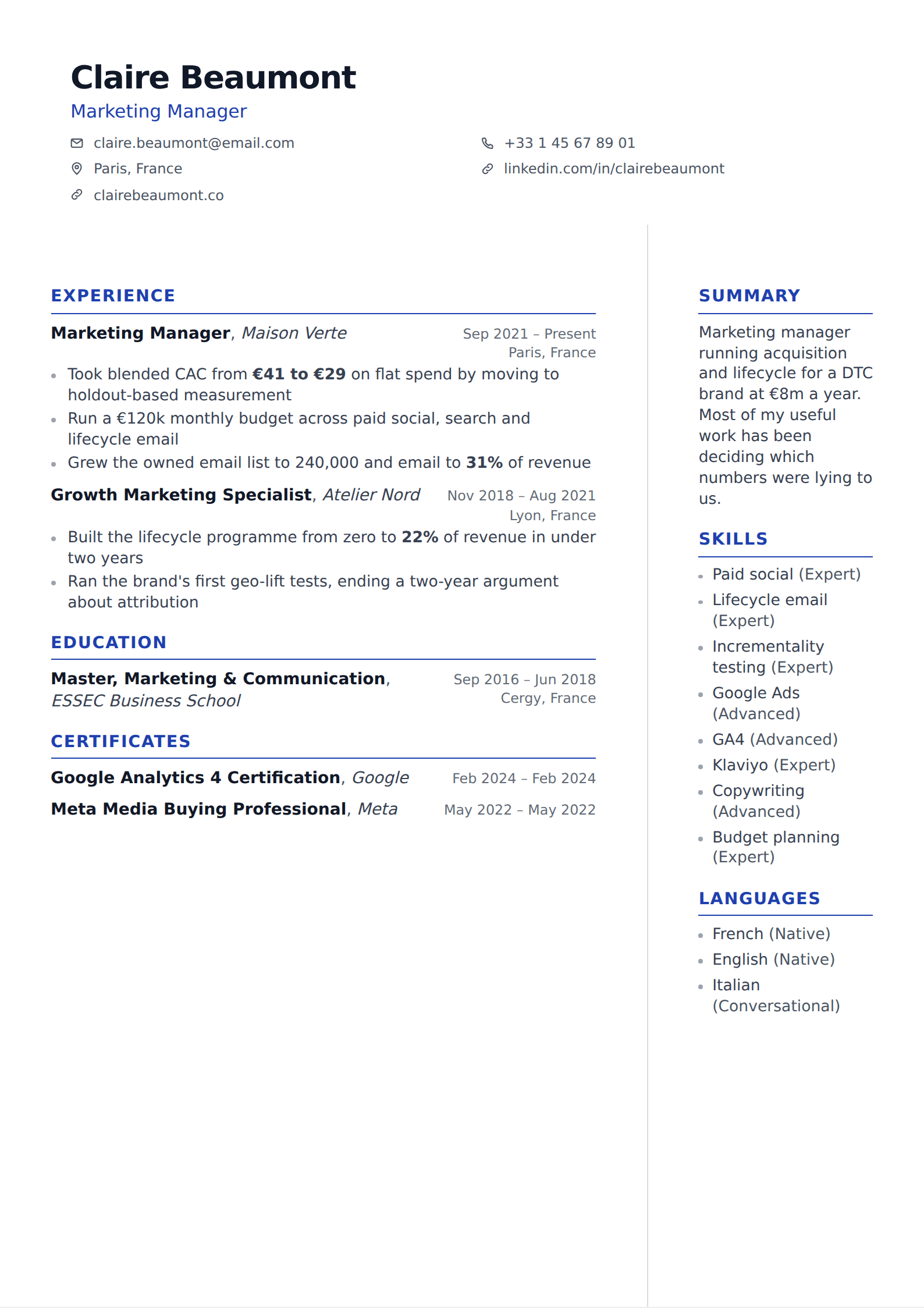
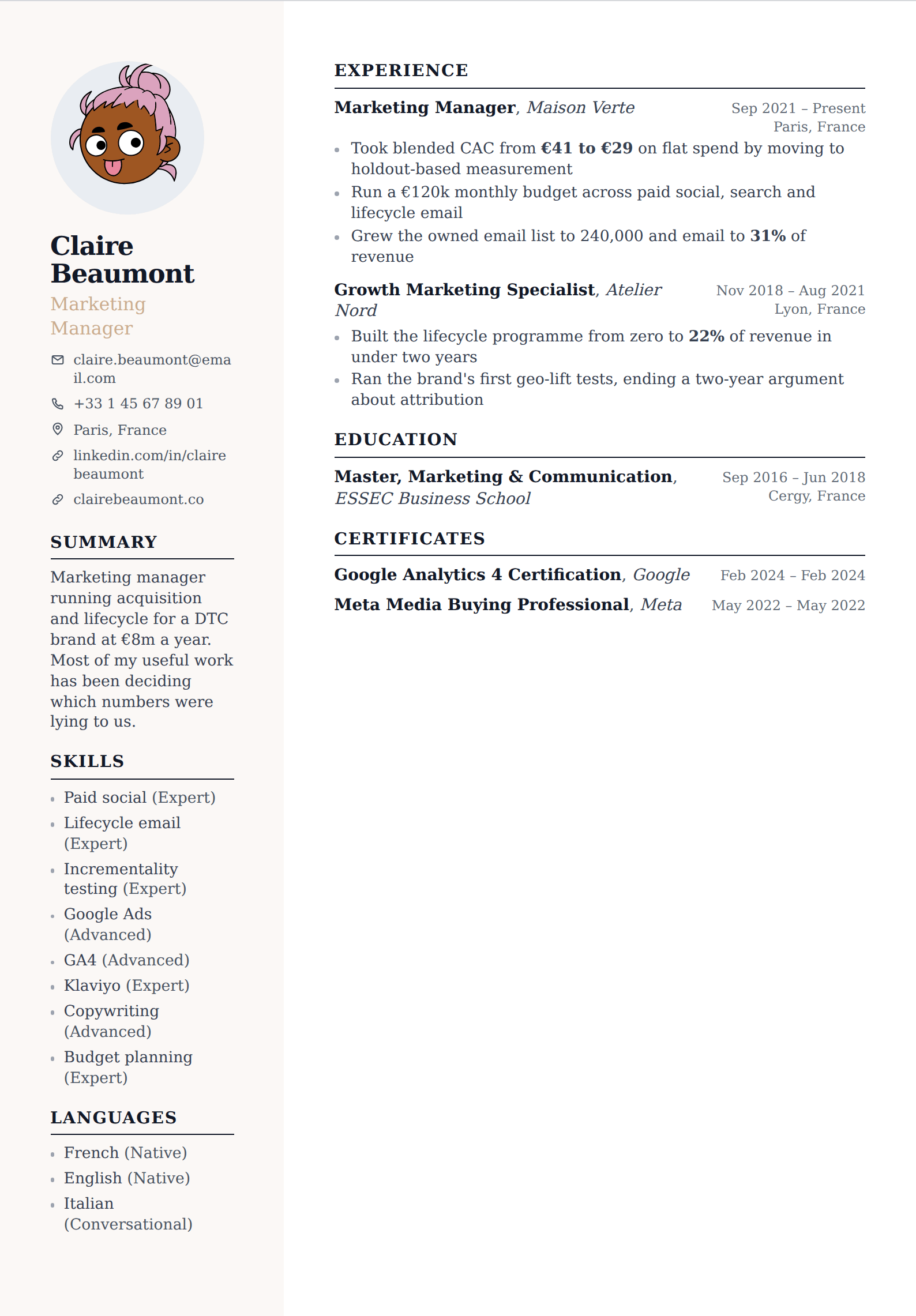
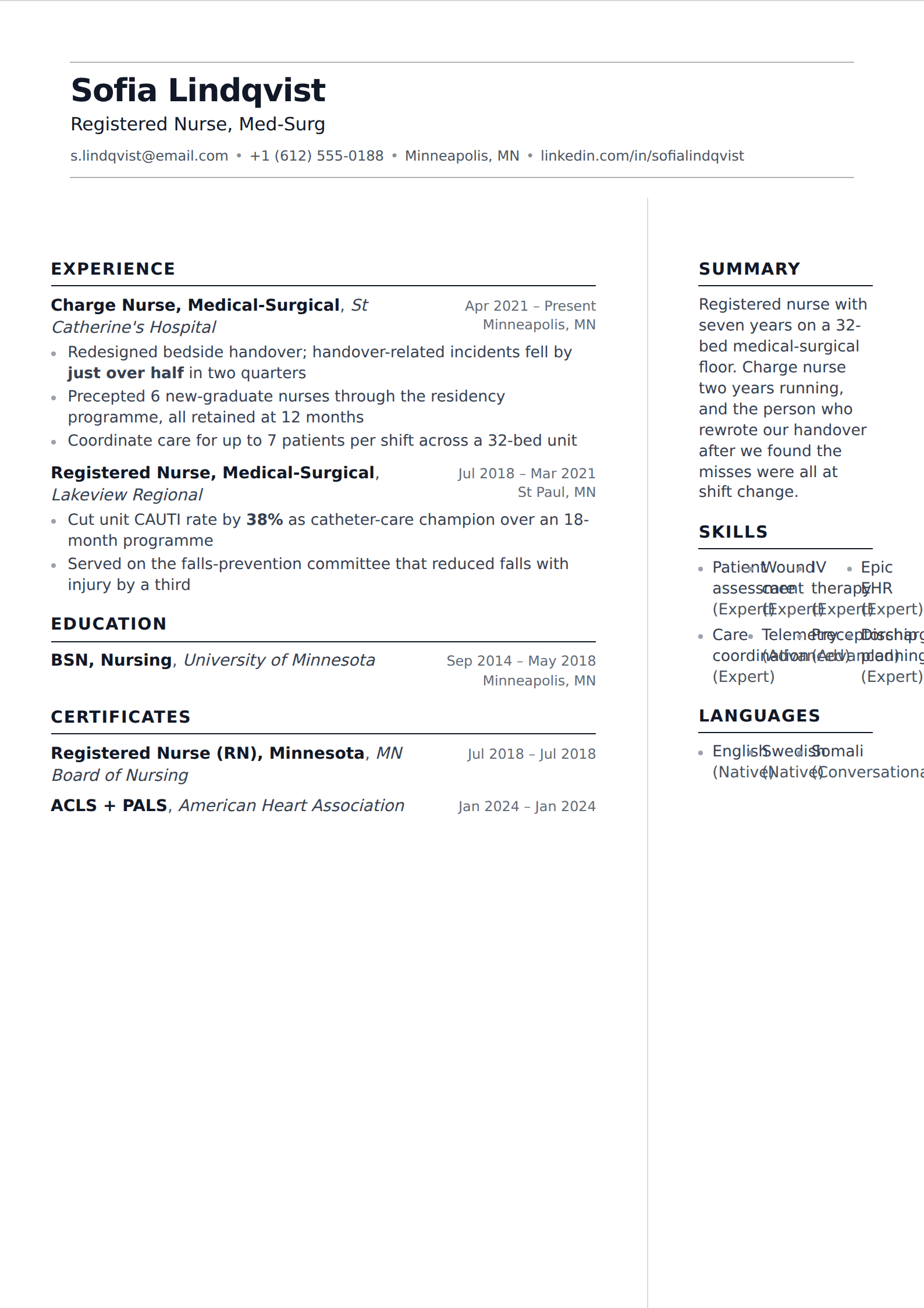
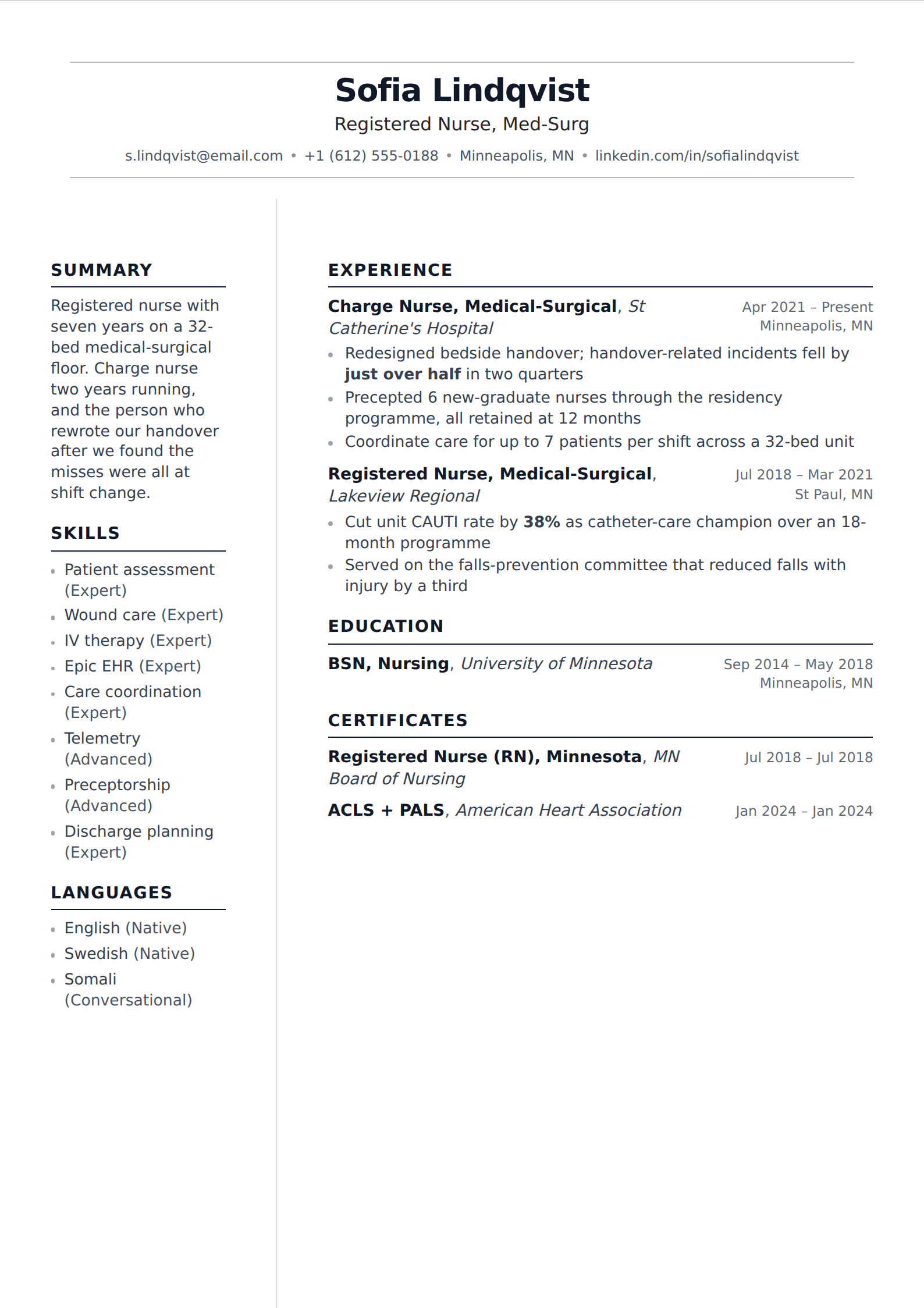
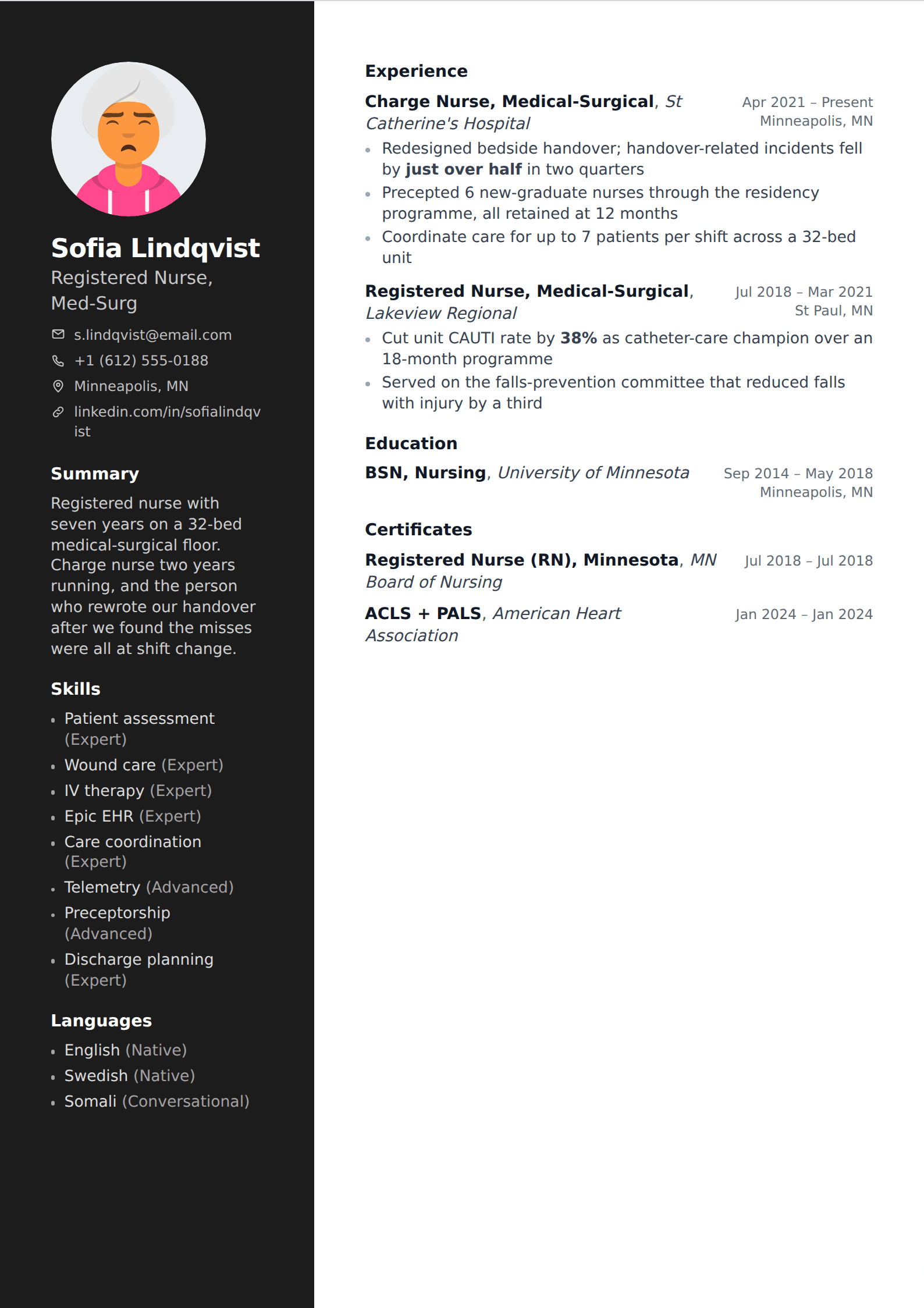
The tradeoff, stated plainly
A two-column layout is the only common design choice that can actively break your application. When a parser extracts text from the PDF, it may read straight across the page rather than down one column and then the other — which drops your skills list into the middle of a job description and can lose the title and dates on a role entirely. An unrankable resume does not get rejected; it simply never reaches a person.
This is not universal. Plenty of modern systems handle columns correctly, and plenty of people are hired every week from two-column resumes. But you cannot tell which system is on the other end of an application, and the failure is silent.
How to use one anyway
Check it. Export the PDF, select all the text, paste it into a plain text file, and read what comes out. If your history is intact and in order, the template parses and you can stop worrying. If it is interleaved, switch to a single-column template — your writing is untouched by the change, because a template is a rendering choice rather than a container.
A reasonable middle path is to keep a two-column version for applications sent directly to a person and a single-column version for anything going through a portal. Both render from the same content.
Common questions
Do two-column resumes get rejected by ATS?
- Not rejected — misparsed, which is worse because it is silent. The system extracts text in the wrong order, your job titles and dates may not land in the right fields, and you rank low enough that no recruiter reaches you. The copy-paste check on your exported PDF tells you within ten seconds whether yours is affected.
What should go in the sidebar?
- Things that are lists rather than narrative: contact details, skills, tools, languages, certifications. Never put your experience there. If a parse does go wrong, losing a skills list is recoverable — losing your employment history is not.
Can I switch to one column later?
- At any time, and it costs you nothing. Templates re-render the same content, so switching is a single change and your writing is untouched. This is exactly why keeping both versions is practical.
Other collections
Build it in the editor
Live preview, AI writing help, and an ATS-ready PDF. Free to start, and no card at any point.
Start your resume