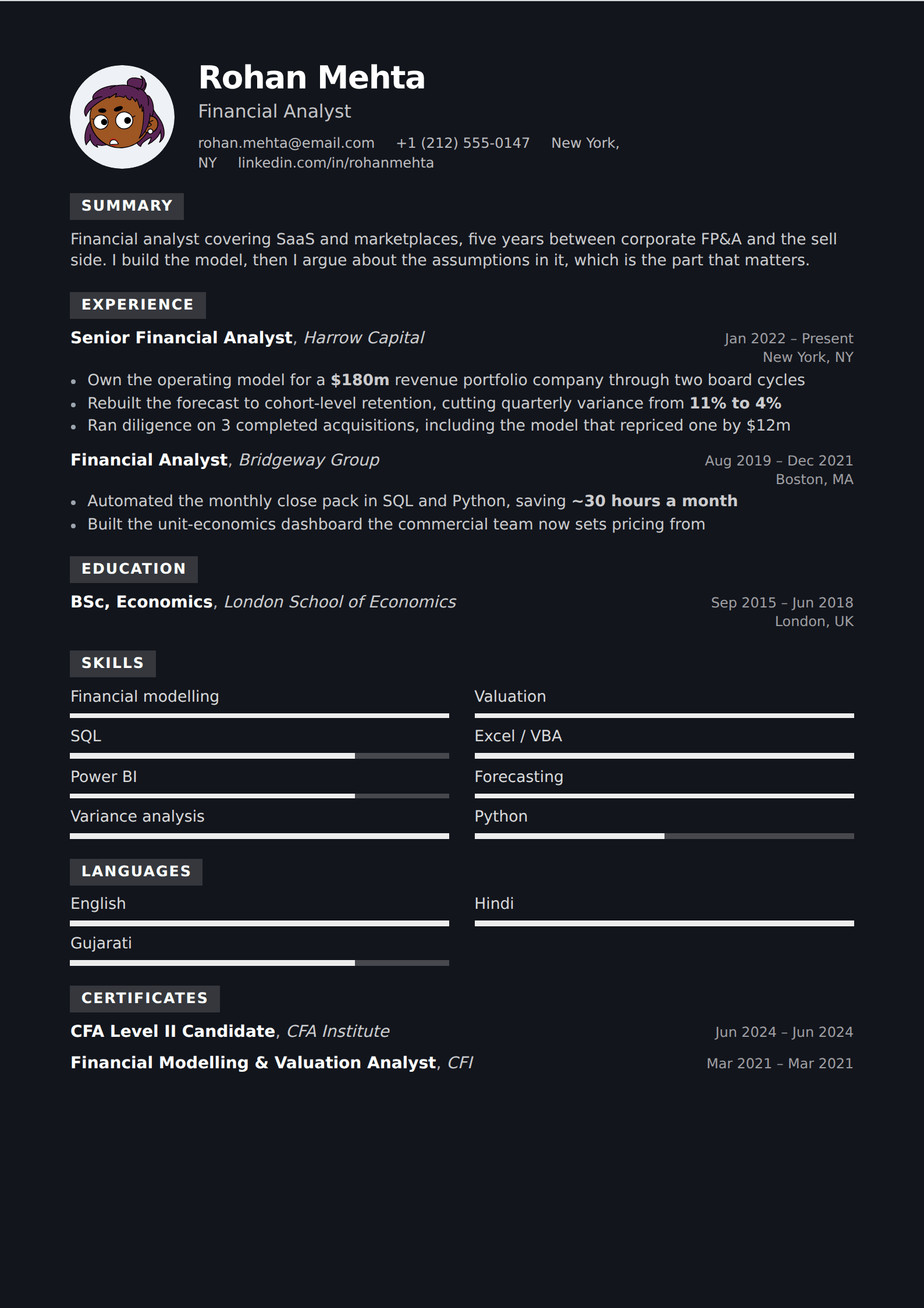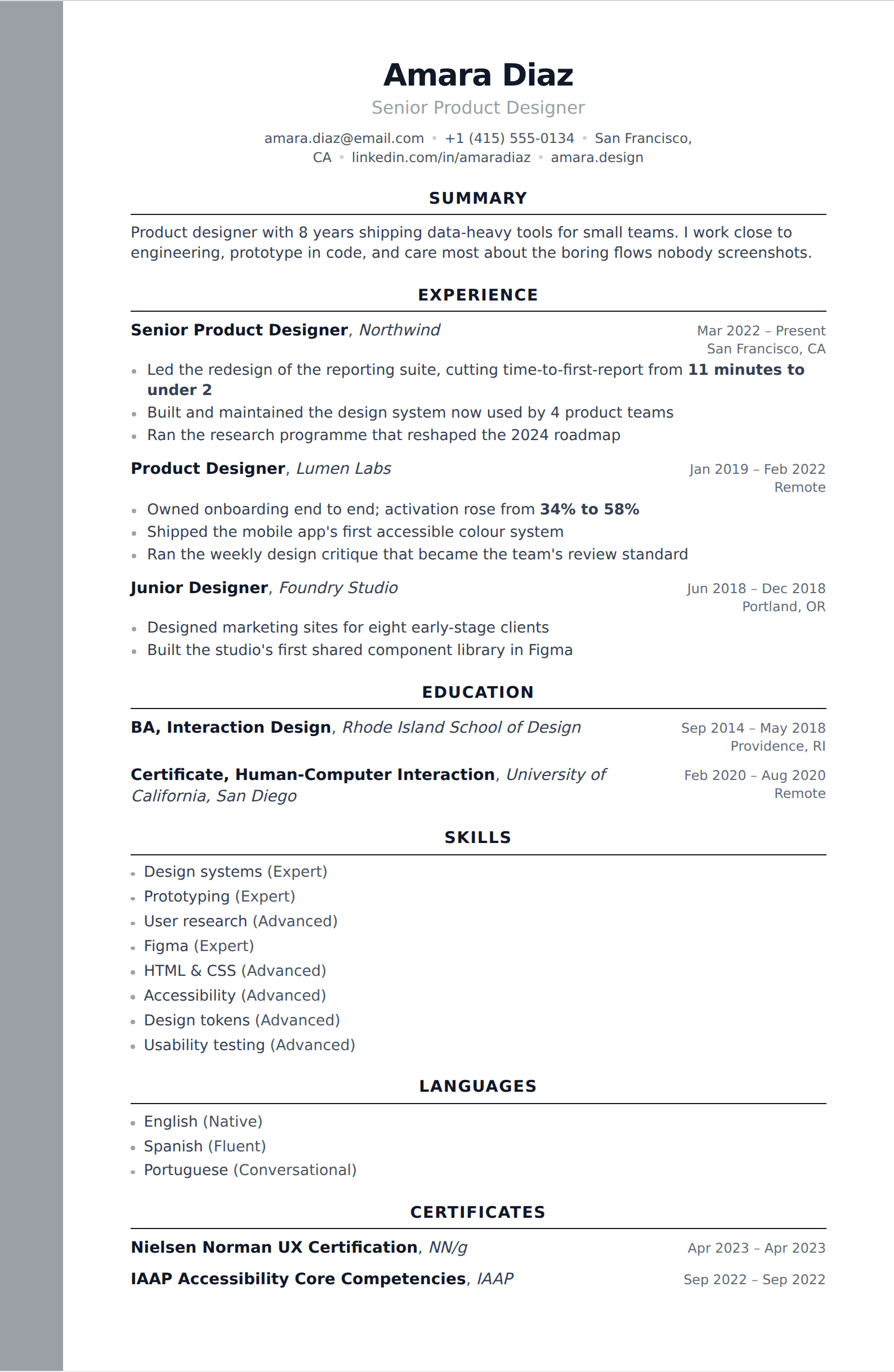

What the skills section is for
It is an index, not an argument. Its job is to make the terms a reader or a parser is looking for findable in one place, and to state the tools of your trade in the vocabulary your field uses. That is genuinely useful and worth doing well. What it cannot do is convince anyone you have the skill, because you wrote it yourself and so did every other applicant.
The persuasion happens in your experience bullets. "Python" in a list is a claim; "Rewrote the nightly reconciliation job in Python, cutting a four-hour batch to eleven minutes" is evidence. A reader who wants to know whether you can really do it goes looking for the second thing. This is the single most useful idea about resume skills, and it reframes the whole section: choose skills you can point at somewhere else on the page, and the list stops being decorative.
How to choose which ones
Take the job posting. Write down every tool, system, method and named competency it mentions. Cross off the ones you cannot honestly claim. What survives is your skills section, in roughly the order the posting emphasised them, and you have just done most of the keyword work that applicant tracking systems reward — without stuffing anything.
Then add the things that are true and specific to you but the posting did not think to ask for, up to a total of about twelve to twenty. Below twelve looks thin for most professional roles; above twenty-five nobody reads it and the strong entries get diluted by the weak ones.
Group them if you have more than about ten. Three or four labelled groups — Languages, Frameworks, Tools, Domain — are read; a run-on line of twenty-two comma-separated items is skimmed and forgotten.
- Start from the posting, not from a list of "top skills" on the internet.
- Every skill listed should be defensible in an interview at the depth you implied.
- Twelve to twenty entries, grouped, for most professional roles.
- Name versions and specifics where they matter: "Excel — Power Query, pivot tables" not "Microsoft Office".
- Anything you would be embarrassed to be tested on comes off.
The words that are costing you space
Hard-working. Detail-oriented. Team player. Results-driven. Self-starter. Excellent communication skills. Passionate. Problem solver. Every one of these appears on a majority of resumes, which means none of them distinguishes a single applicant from any other, which means they carry no information at all.
They are not wrong about you. They are simply unfalsifiable and universally claimed, and a reader has learned to skip them. The information they were trying to convey belongs in an experience bullet where it can be demonstrated: "detail-oriented" is worth nothing, and "caught a reconciliation error that had been mispricing 3,000 orders a month" is worth an interview.
"Microsoft Office" belongs in the same category for most professional roles now. It has been assumed for fifteen years, and listing it reads as padding. The exception is a genuinely deep spreadsheet skill, which should be named as what it is.
What to list, by field
The pattern that works is the same everywhere — name the systems, not the qualities — but what counts as a system differs.
- Software: languages, frameworks, databases, cloud platforms, CI tooling, testing approaches. Versions where they matter.
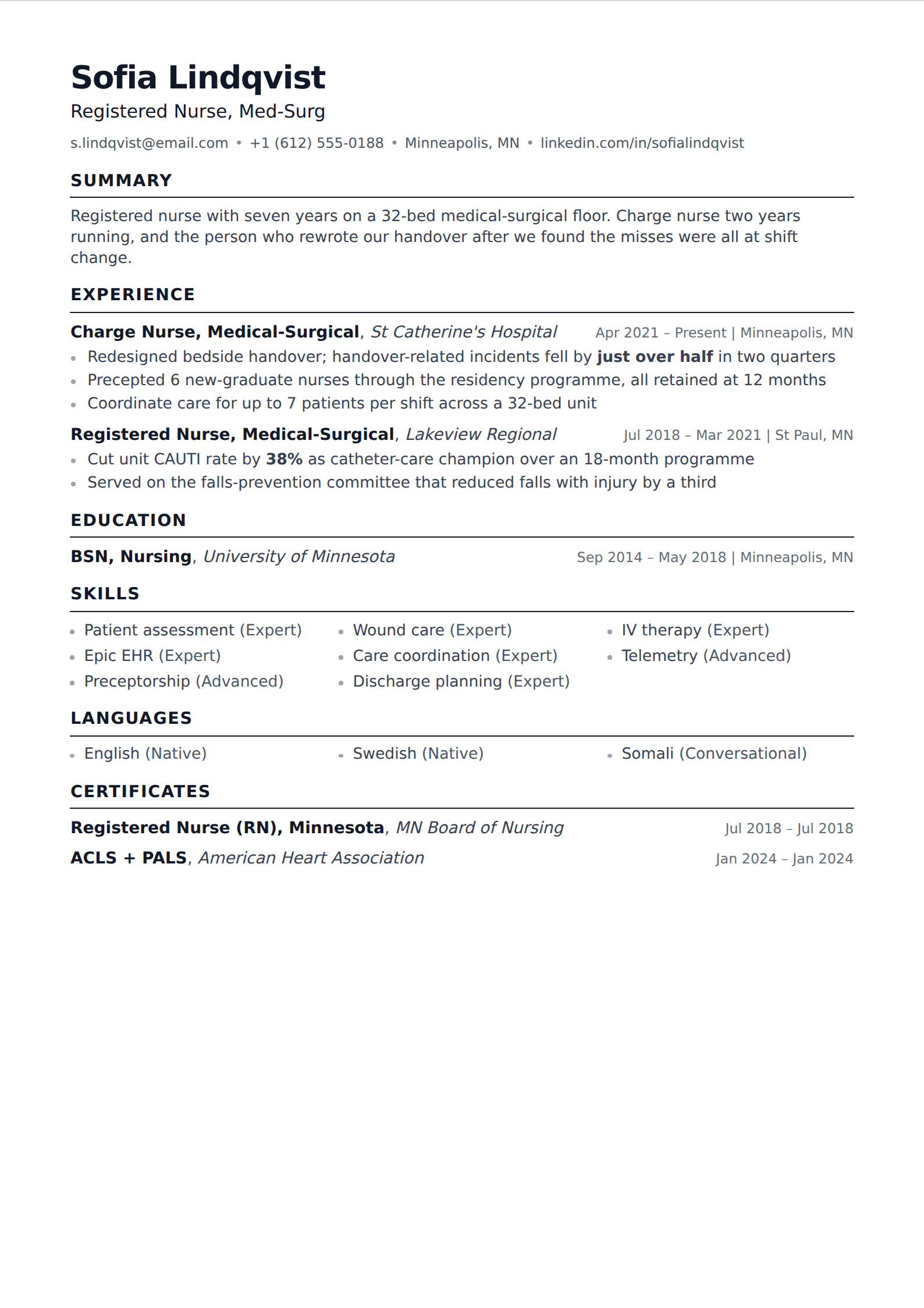
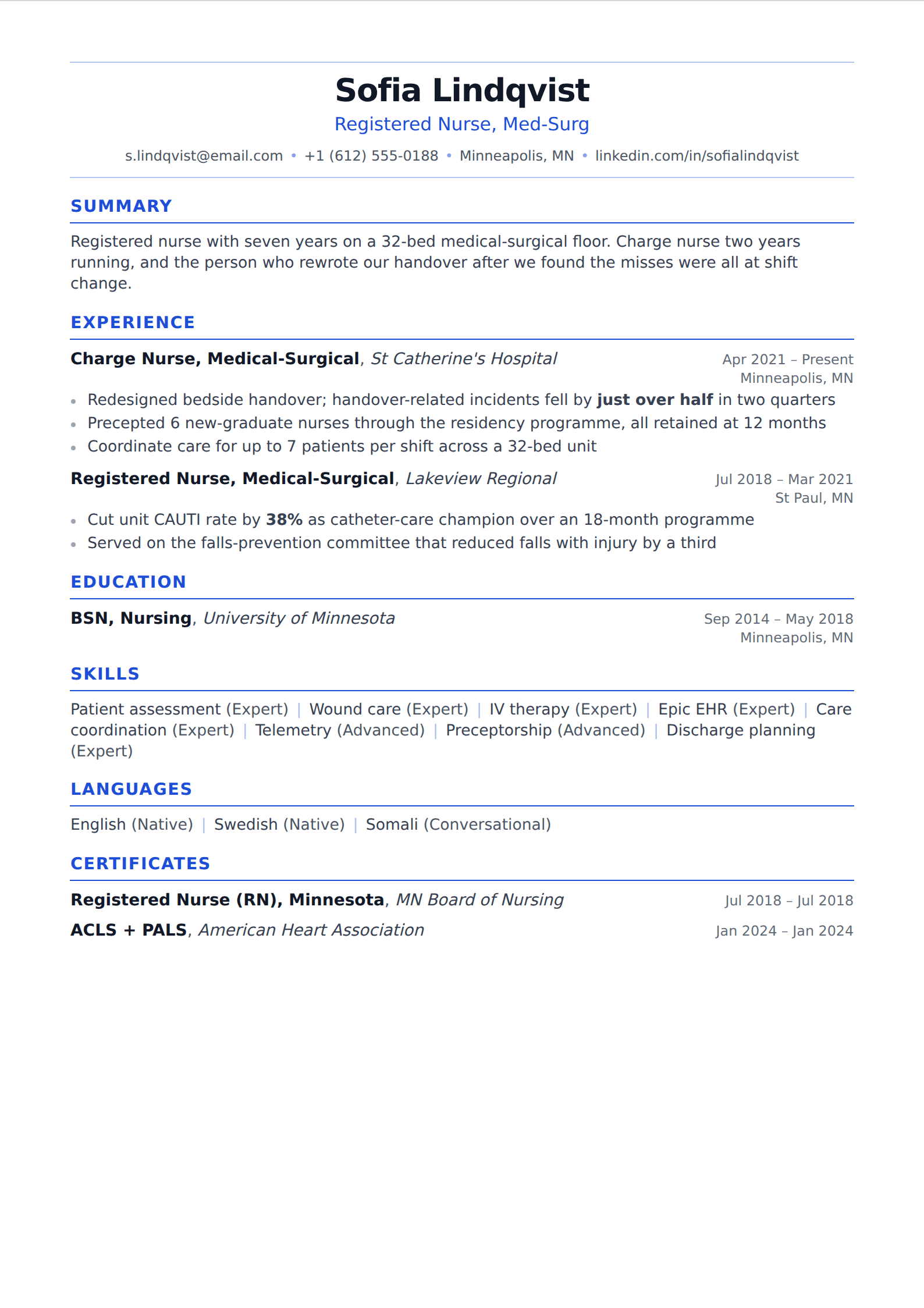
- Nursing and clinical: licences, EMR systems by name (Epic, Cerner), specialisations, certifications, patient populations, ratios handled.
- Customer service: the platforms (Zendesk, Salesforce Service Cloud), channels handled, languages spoken, volume, escalation and QA experience.
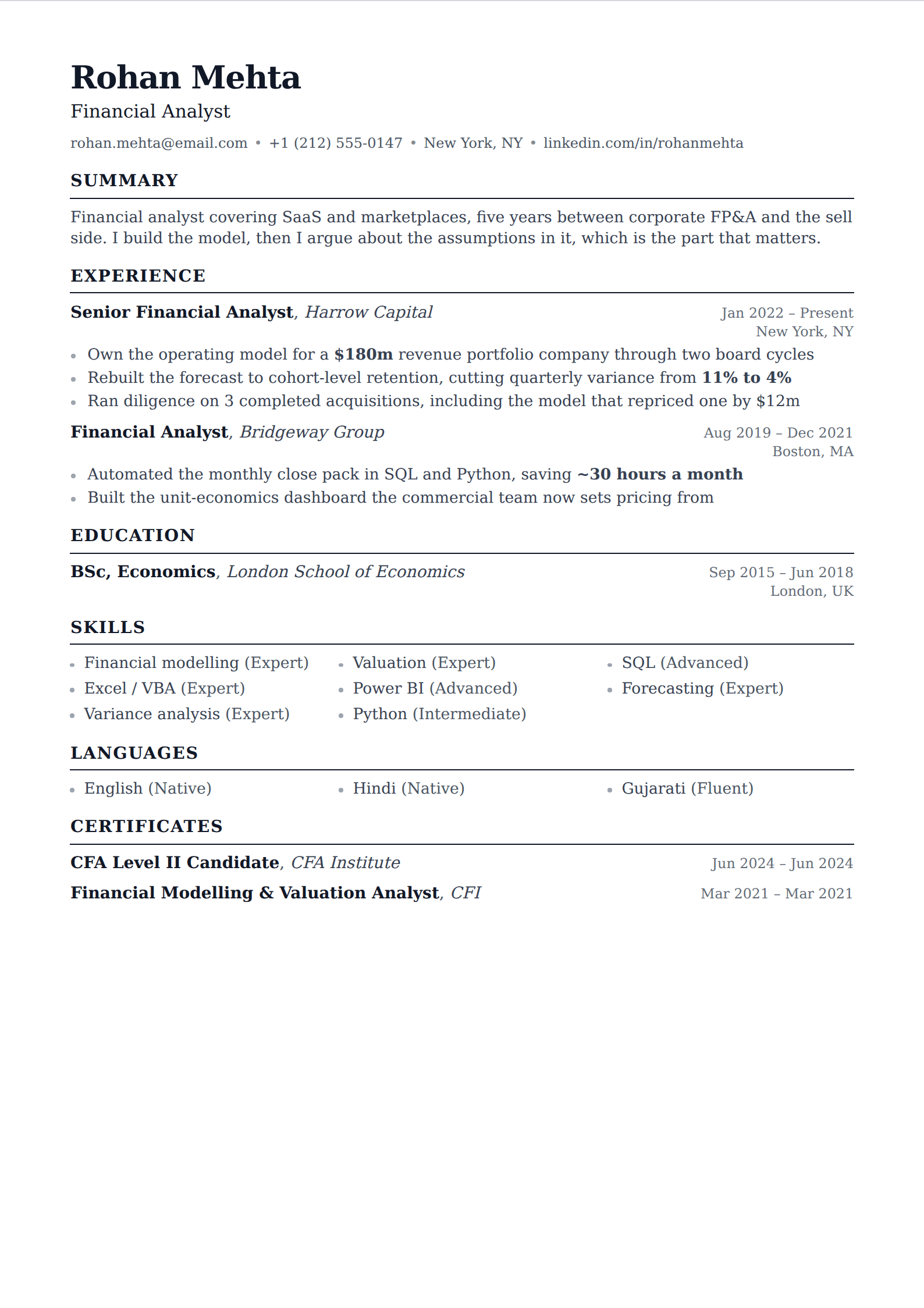
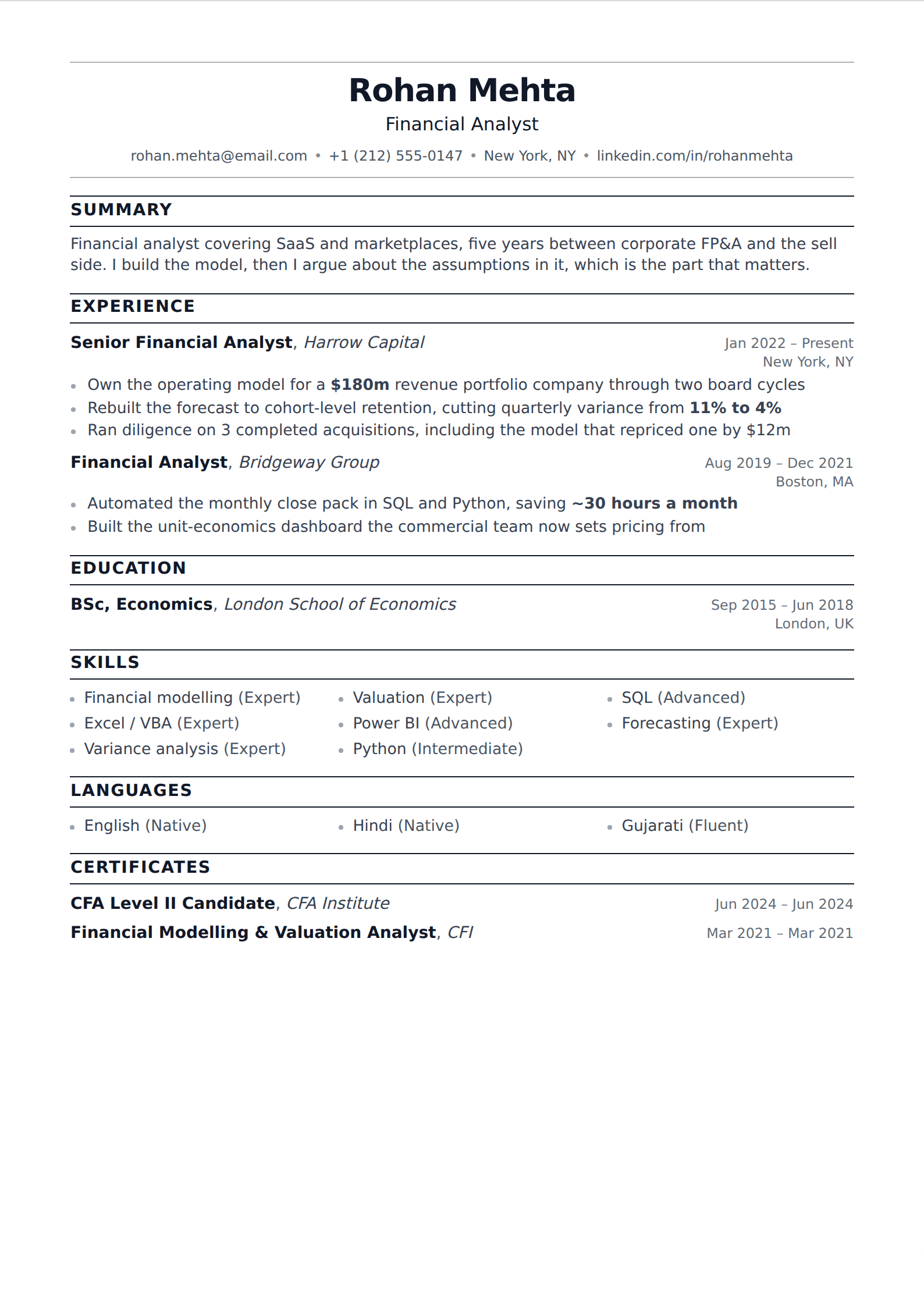
- Finance and accounting: ERP and reporting systems by name, regulatory frameworks, close cycles, modelling depth, the specific reconciliations you own.
- Marketing: channels, analytics and automation platforms by name, budget scale, the metrics you were accountable for.
- Administrative: calendaring and travel systems, expense platforms, the volume of people supported, event and vendor management.
- Trades and operations: certifications and licences, equipment operated, safety standards, compliance regimes.
Where the section goes
Below experience for anyone with a career, above it for students, career changers and anyone whose recent job titles do not describe the job they are applying for. The logic is simple: put whatever makes the strongest case first, and for most people that is what they have done rather than what they can do.
One layout warning. If your template puts skills in a sidebar, run the copy-paste check on the exported PDF — a two-column layout can extract text across both columns, which drops your skills list into the middle of a job description. It is the one formatting decision that can quietly break an application.