What AI is genuinely good at
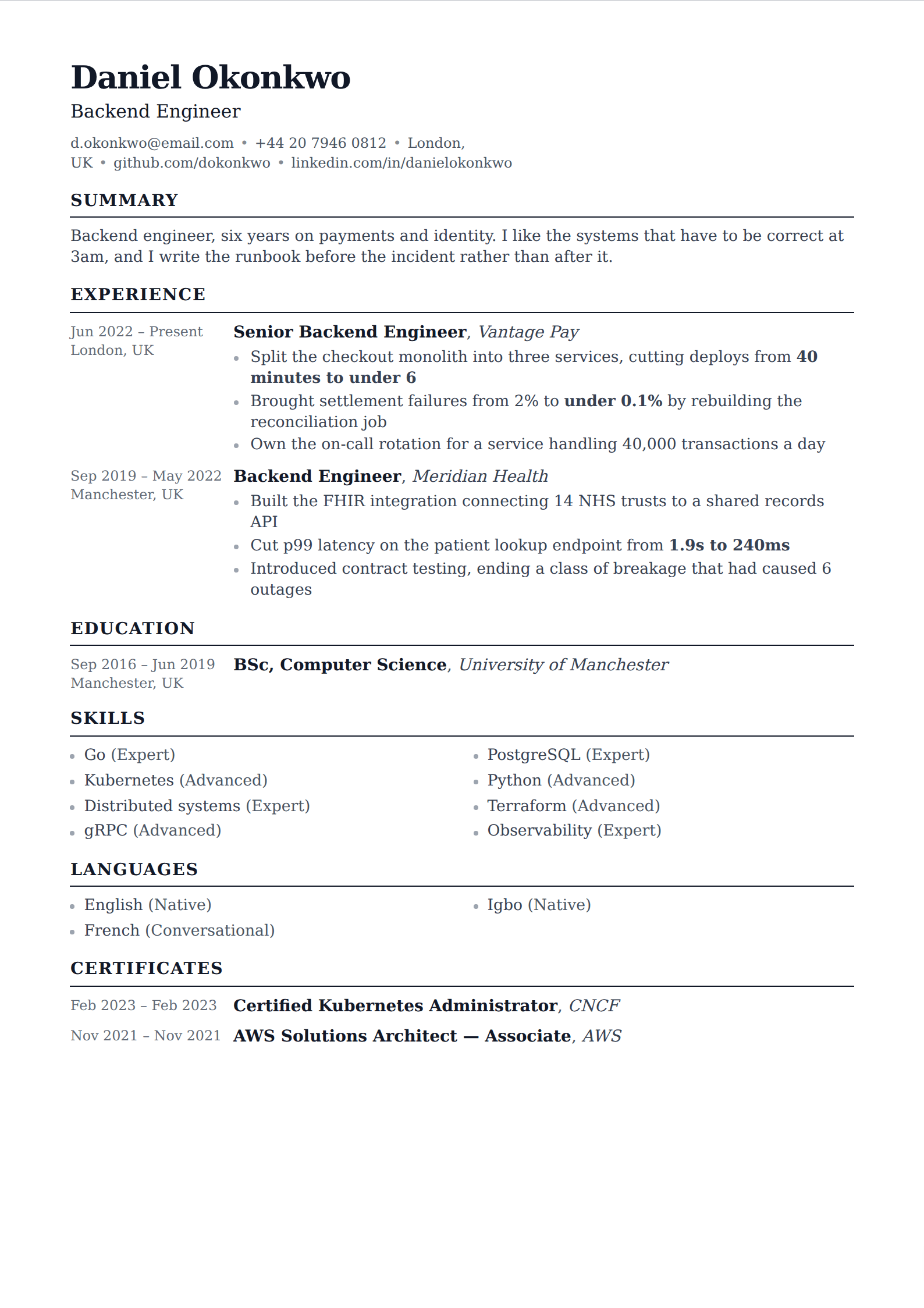
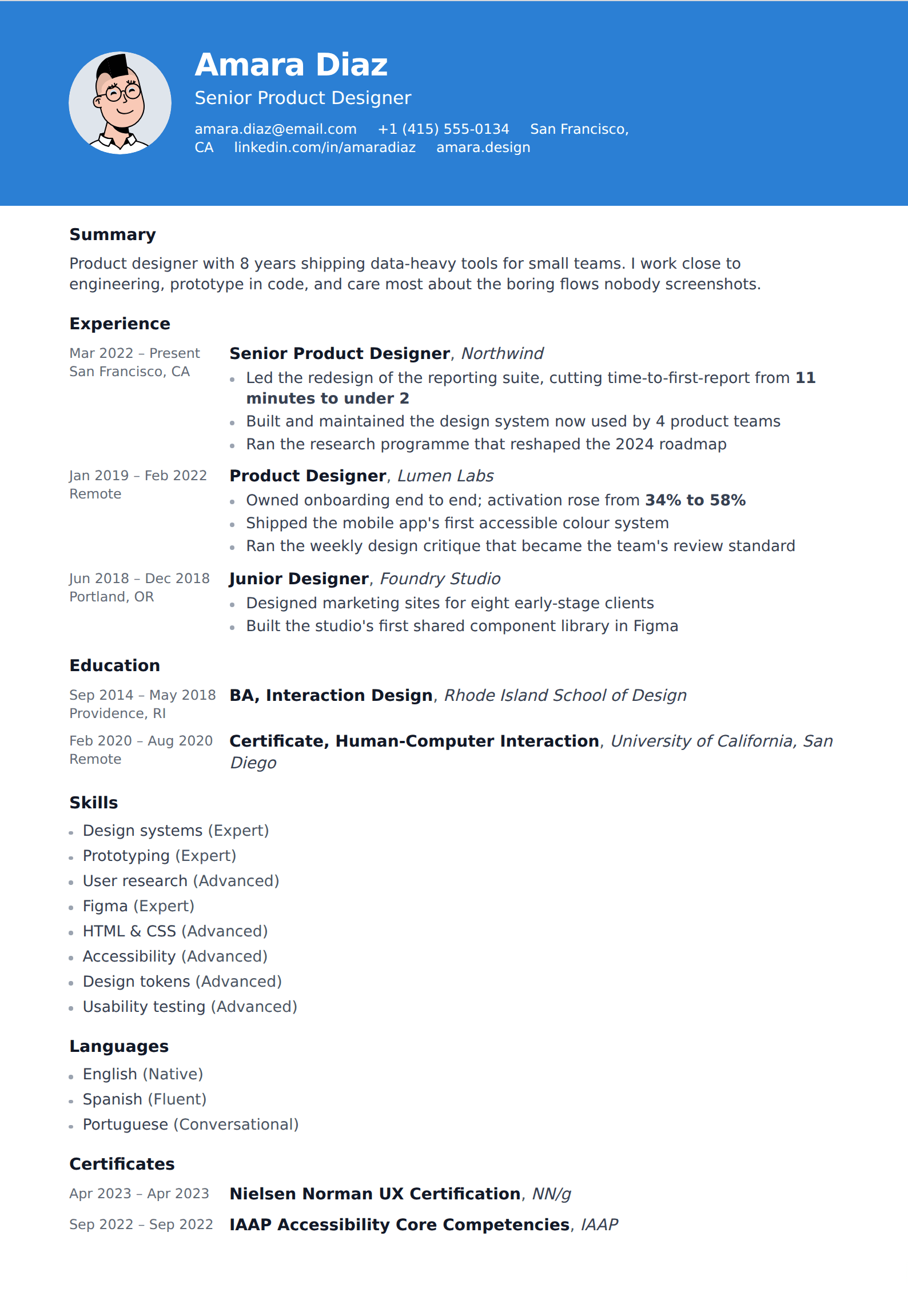
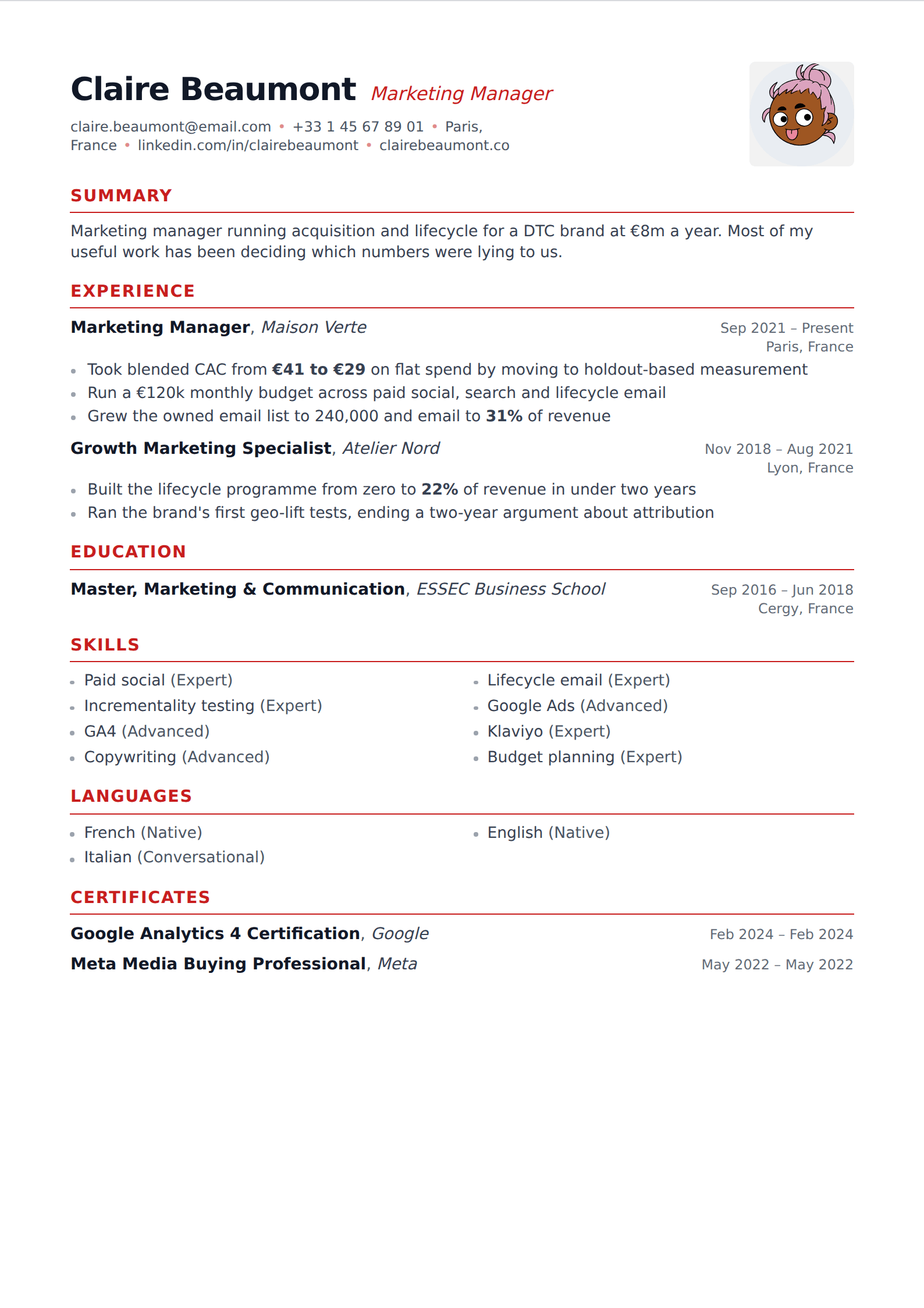
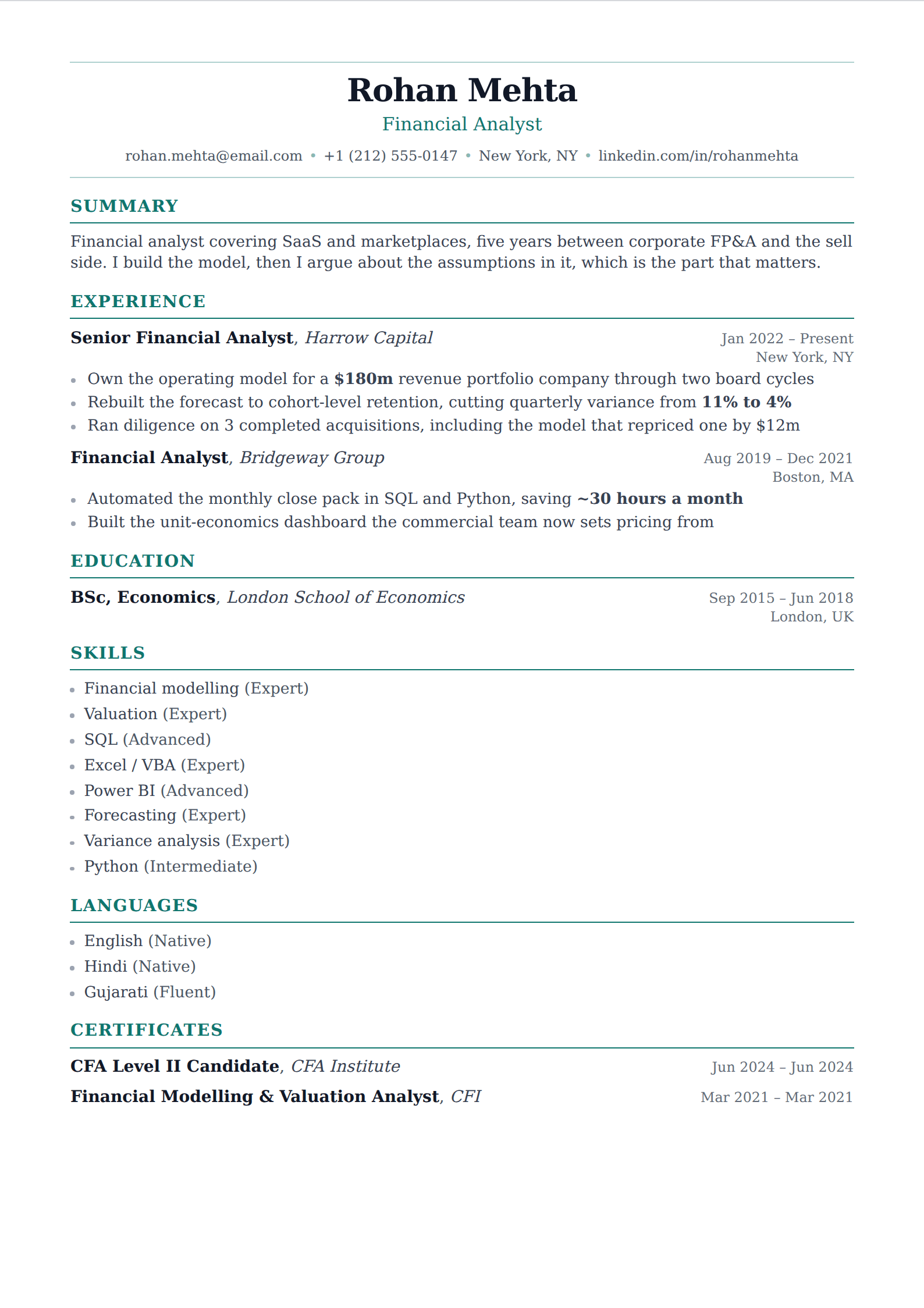
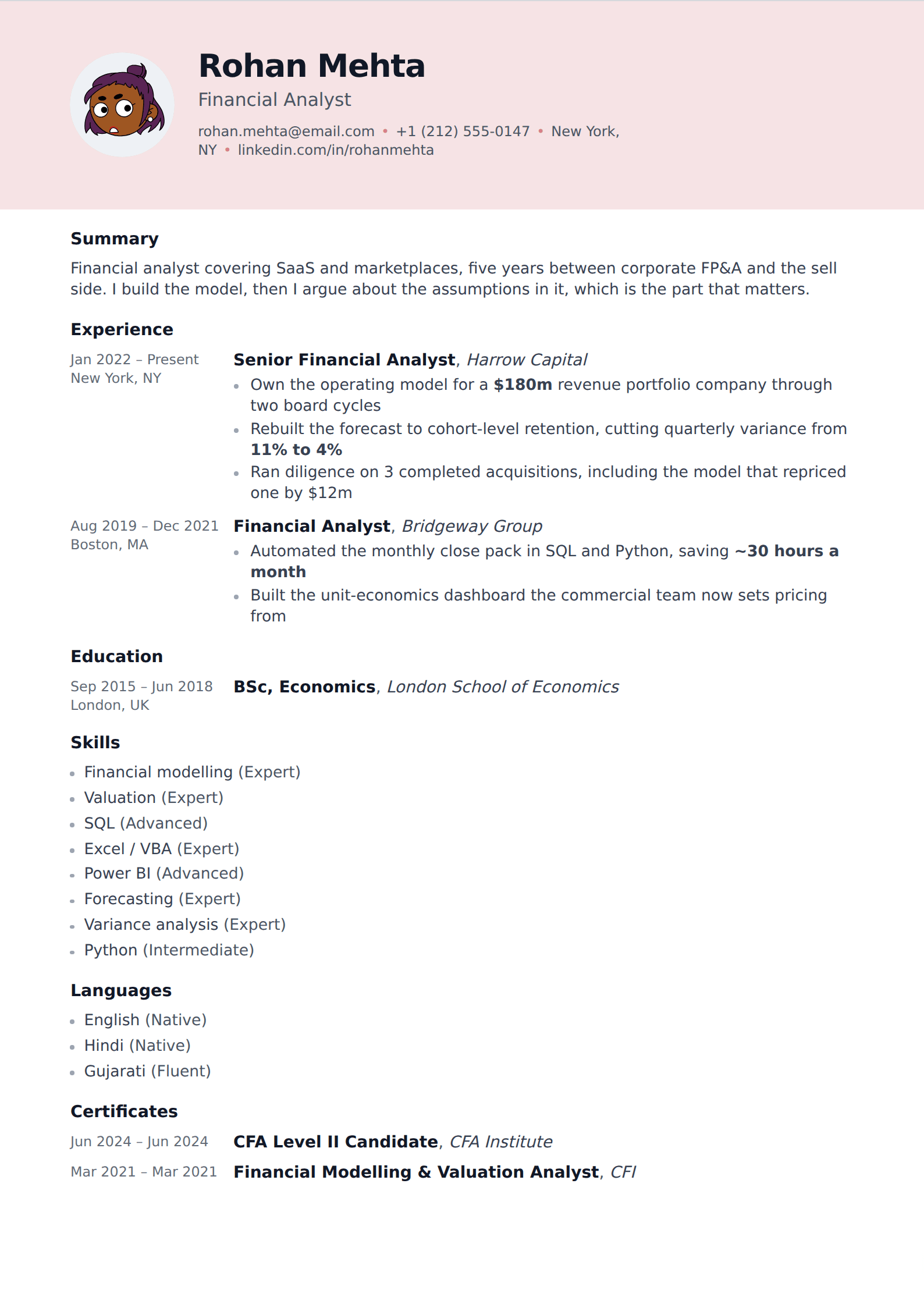
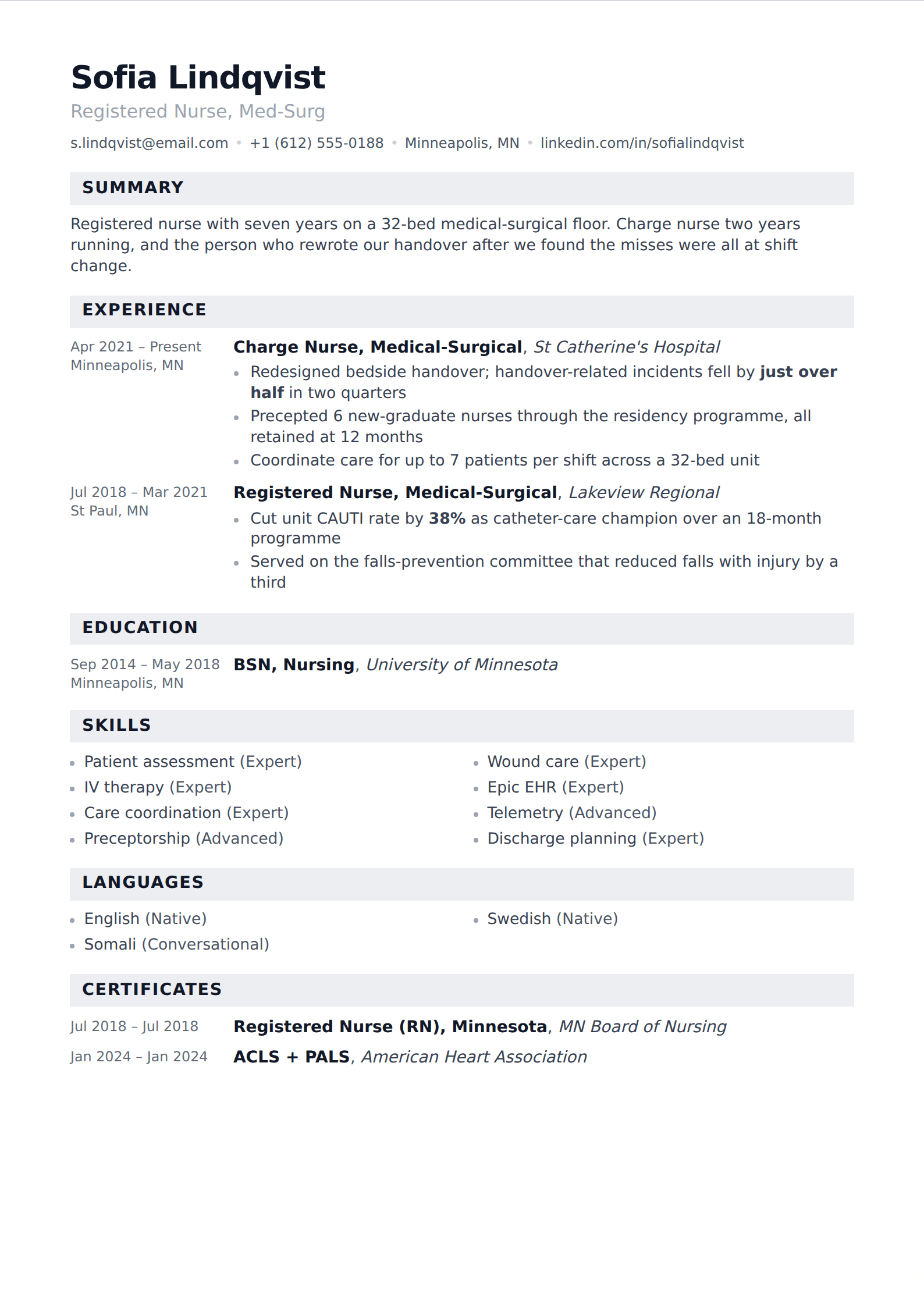
Editing is where a language model earns its place. You know what you did; you are just too close to it to see that "was responsible for the payments service" buries the achievement. A model has no such attachment, and rewriting that into "Owned the payments service processing 2M transactions a month" is exactly the kind of transformation it does reliably.
The same applies to the jobs nobody enjoys: turning six years of history into a three-sentence summary, finding the skills your experience already demonstrates but never names, and reading a resume the way a stranger would in ten seconds.
- Tightening a bullet you wrote into something sharper, same facts
- Drafting a summary from the roles already on the page
- Naming skills your experience proves but never states
- Reviewing the whole document and ranking what to fix first
- Translating a finished resume for an international application
What it should never be trusted with
Anything it cannot know. A model asked to write your experience from a job title will invent an employer, a metric, or a scope of work — not maliciously, but because that is what generating plausible text means. A resume with an invented number on it is a resume that falls apart in the interview.
The rule worth holding a tool to: it may rewrite what you gave it, and it may not add facts. If you can't point at where a claim on your resume came from, it should not be there.
Give it something to work with
The quality of AI editing tracks the quality of the input almost exactly. "Worked on the API" gives a model nothing to sharpen, so it either returns the same sentence in different words or quietly invents specifics.
Write the ugly version first. Scope, numbers, outcome, in whatever order they come out. "Rewrote the checkout flow, took page load from 4s to under 1s, conversion went up about 18%" is a rough sentence with everything that matters in it — and a model can turn that into a strong bullet without adding anything.
Keep your own voice
Accept edits selectively. If every bullet comes back in the same rhythm — verb, object, metric, verb, object, metric — the page starts to read as machine-written even though each line is technically fine. Keep a few of your own sentences. Variation is what makes a resume sound like a person.
A practical habit: read the rewrite out loud. If it uses a word you wouldn't use in an interview, change it back. You will have to defend every line on that page in conversation.