
Describing duties instead of results
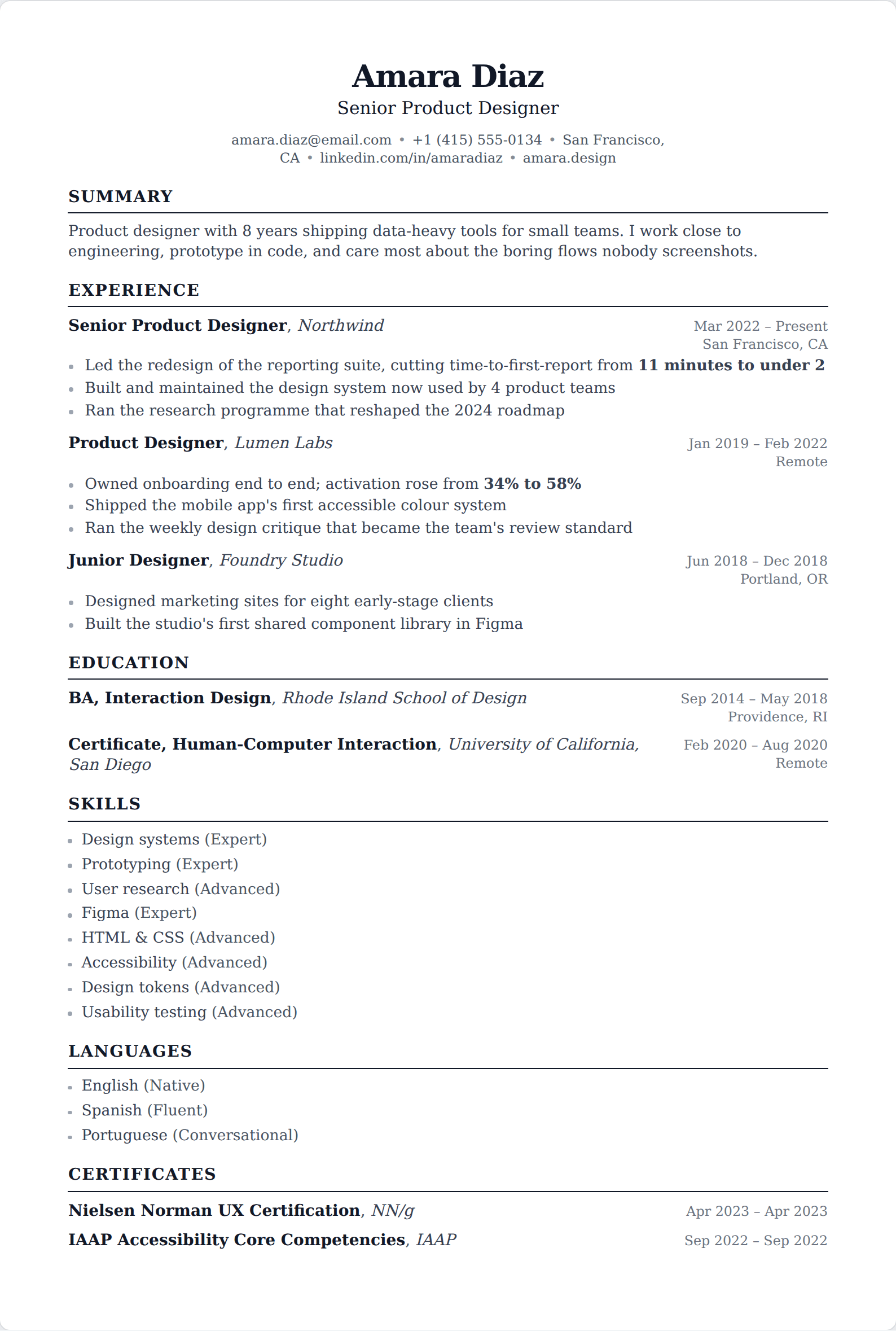
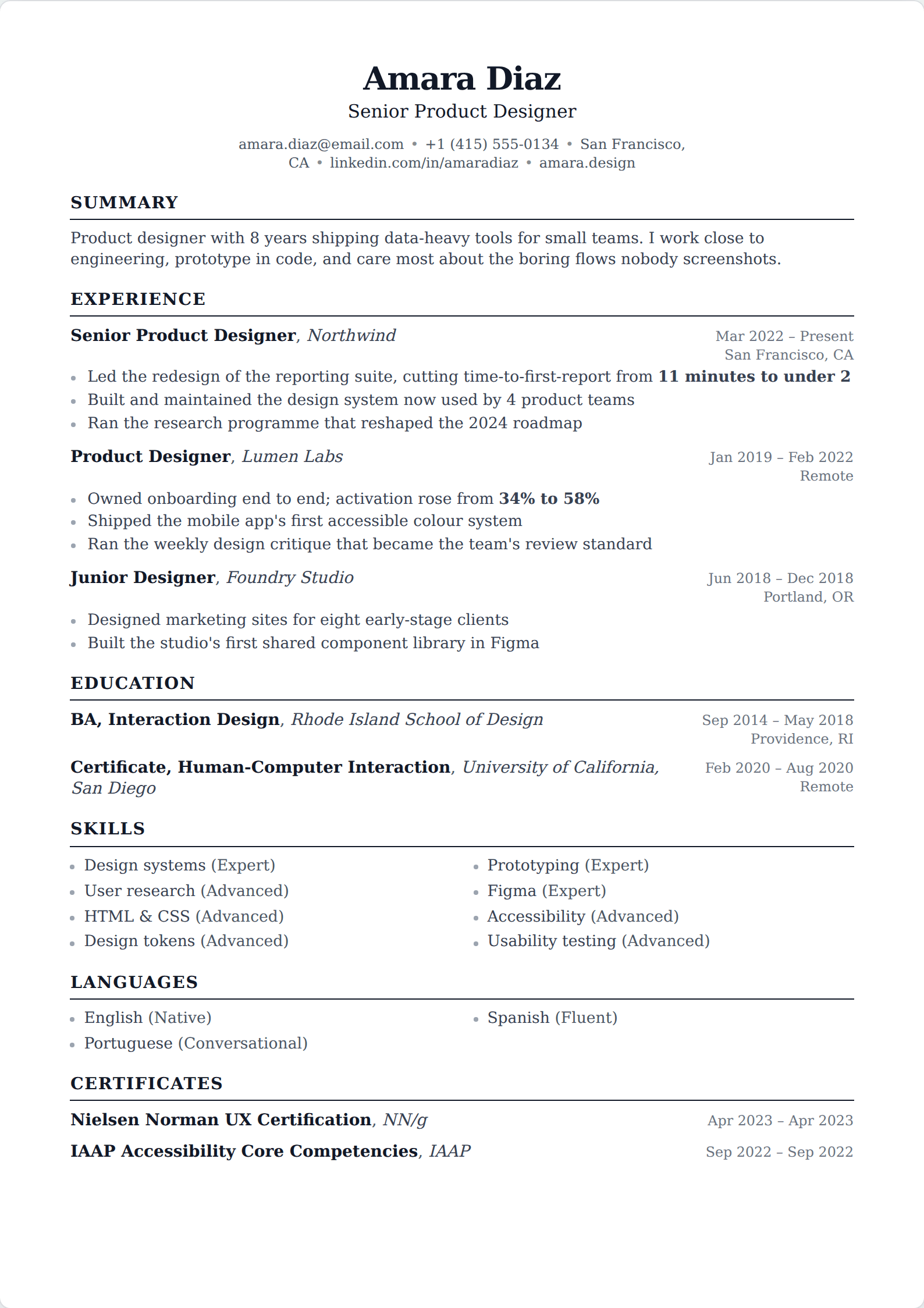
The most expensive mistake, and the most common. A resume that lists what you were assigned reads as interchangeable with everyone else who held that title.
The fix is mechanical: go through each bullet and ask "what changed because I did this?" If there is no answer, either find one or cut the line.
Burying the best thing you've done
Readers scan top to bottom and give the page seconds. Your strongest evidence sitting fourth in a list under your third job will not be seen.
Reorder ruthlessly. The first bullet of your most recent role is the most valuable line on the resume — put your best there.
One resume for every application
A generic resume is optimised for no one. You do not need to rewrite it each time, but the summary and the top bullets of the most recent role should reflect the job you are applying for.
Fifteen minutes of tailoring beats an hour of formatting.
Filler that pushes real content off the page
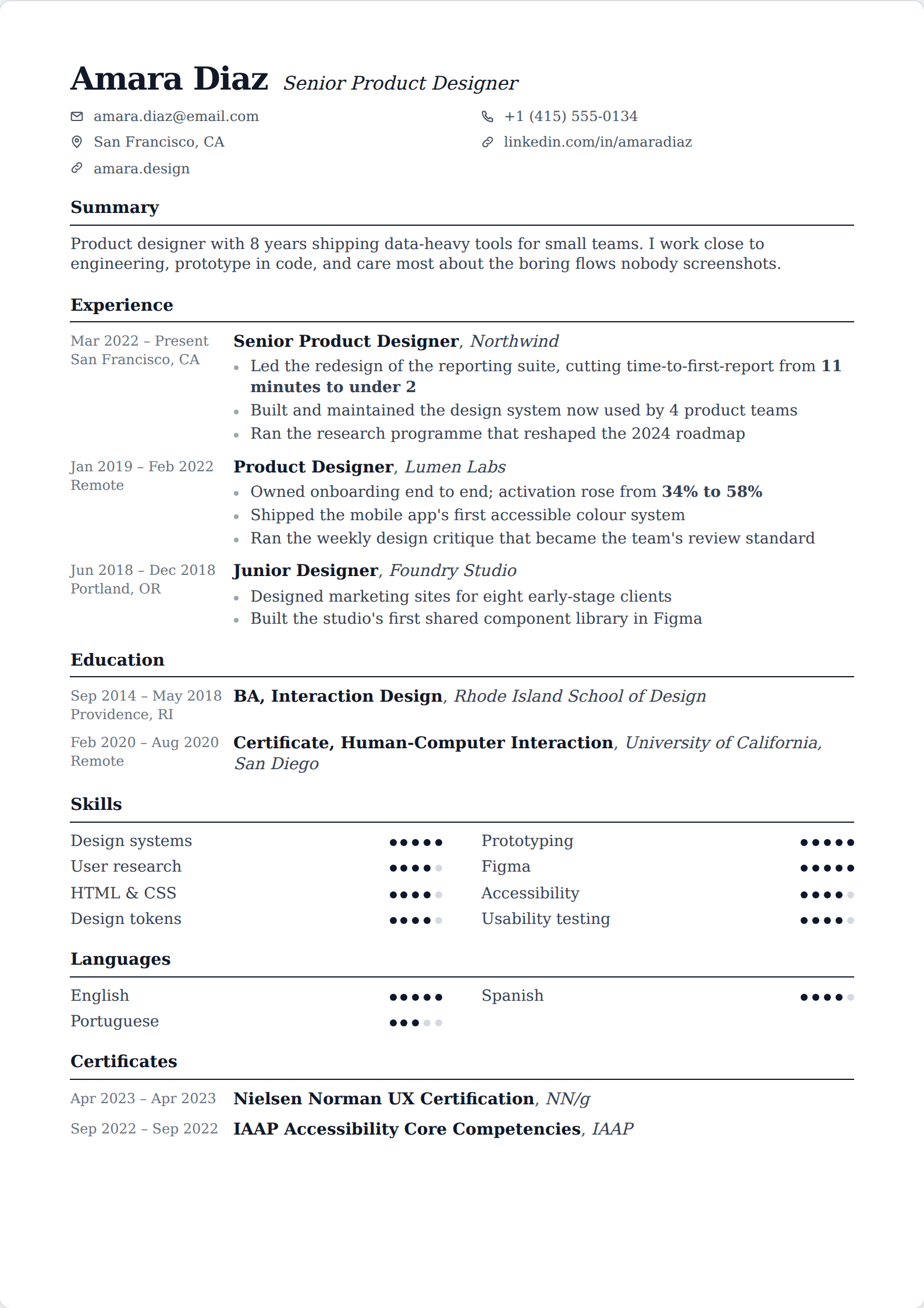
References available on request. Objective statements. Skill bars showing you at 80% in a language. A photo where photos aren't customary. Interests that could belong to anyone.
Each of these takes space from something that would have helped, on a page where space is the binding constraint.
Inconsistency
Dates formatted three ways, a mix of past and present tense within one role, bullets that sometimes end in full stops. None of it is fatal individually; together it reads as carelessness on a document whose whole purpose is to demonstrate that you are not careless.
Read the resume once looking only at the formatting, ignoring the words. It's the fastest proofread there is.
Typos, last
Last on the list because it is the least common cause of rejection, not because it doesn't matter. Read it backwards, read it out loud, or have somebody else read it — you cannot proofread your own writing forwards after the fourth pass.